

- Excursions in Egypt
- Egypt Tour Packages
- Cairo Tours and Excursions
- Hurghada Tours and Excursions
- Soma Bay Tours and Excursions
- Makadi Bay Tours and Excursions
- Sahl Hasheesh Tours and Excursions
- El Gouna Tours and Excursions
- Marsa Alam Tours and Excursions
- Port Ghalib Tours and Excursions
- El Quseir Tours and Excursions
- Dendera and Abydos Day Tours
- Aswan Tours and Excursions
- Luxor Tours and Excursions
- Sharm El Sheikh Tours and Excursions
- Top Rated Egypt Tours in 2026
- Optional Excursions in Egypt
- Private Transfer
- Blogs About egypt
- Ancient Egypt
- Historical Sites in Egypt
- Cairo
- Alexandria
- Luxor
- Aswan
- The Red Sea
- Dendera Temple
- El Fayoum Oasis
- Bahariya Oasis
- Siwa Oasis
- Al Alamein
- Marsa Matruh
- Why Egypt Is One of the Safest Countries to Visit in the Middle East
- What You Need To know Before Your First Trip To Egypt
- Egypt Travel Costs in 2026 Full Budget Guide
- Top 10 Tourist Activities in Egypt
- Top 50 Activities You Can’t Miss in Egypt in 2026
- The Guide to Guided Tours in Egypt
- Egypt’s Ancient and Modern History
- The Nile River
- The Deserts of Egypt
- Ancient Egyptian gods
- famous Egyptian dishes
- UNESCO World Heritage sites
- About Us
- Egypt Hotels and Resorts
- Excursions in Egypt
- Egypt Tour Packages
- Cairo Tours and Excursions
- Hurghada Tours and Excursions
- Soma Bay Tours and Excursions
- Makadi Bay Tours and Excursions
- Sahl Hasheesh Tours and Excursions
- El Gouna Tours and Excursions
- Marsa Alam Tours and Excursions
- Port Ghalib Tours and Excursions
- El Quseir Tours and Excursions
- Dendera and Abydos Day Tours
- Aswan Tours and Excursions
- Luxor Tours and Excursions
- Sharm El Sheikh Tours and Excursions
- Top Rated Egypt Tours in 2026
- Optional Excursions in Egypt
- Private Transfer
- Blogs About egypt
- Ancient Egypt
- Historical Sites in Egypt
- Cairo
- Alexandria
- Luxor
- Aswan
- The Red Sea
- Dendera Temple
- El Fayoum Oasis
- Bahariya Oasis
- Siwa Oasis
- Al Alamein
- Marsa Matruh
- Why Egypt Is One of the Safest Countries to Visit in the Middle East
- What You Need To know Before Your First Trip To Egypt
- Egypt Travel Costs in 2026 Full Budget Guide
- Top 10 Tourist Activities in Egypt
- Top 50 Activities You Can’t Miss in Egypt in 2026
- The Guide to Guided Tours in Egypt
- Egypt’s Ancient and Modern History
- The Nile River
- The Deserts of Egypt
- Ancient Egyptian gods
- famous Egyptian dishes
- UNESCO World Heritage sites
- About Us
- Egypt Hotels and Resorts
Welcome to
Jobs in Ancient Egypt: The Most Important Occupations in the Ancient Egyptian Civilization
Jobs in Ancient Egypt were essential to the success and longevity of one of the world’s greatest civilizations. From powerful pharaohs and respected priests to hardworking farmers, skilled craftsmen, and talented scribes, every occupation played a vital role in maintaining the economic, political, and religious foundations of Ancient Egyptian society.
Ancient Egypt was a highly organized civilization that thrived for more than 3,000 years along the fertile banks of the Nile River. The prosperity of the kingdom depended on a diverse workforce that included agricultural laborers, government officials, soldiers, builders, merchants, miners, fishermen, doctors, and artisans. Each profession contributed to the construction of magnificent pyramids, grand temples, thriving cities, and a powerful state administration.
Unlike modern societies, many occupations in Ancient Egypt were inherited through family traditions. Children often learned skills from their parents and continued working in the same profession throughout their lives. Social status, education, and access to resources greatly influenced the types of jobs available to individuals.
This guide explores the most important jobs in Ancient Egypt, revealing how Egyptians worked, earned a living, and contributed to one of history’s most remarkable civilizations. Through archaeological discoveries, tomb paintings, inscriptions, and ancient texts, we can gain a deeper understanding of the occupations that shaped daily life in Ancient Egypt.
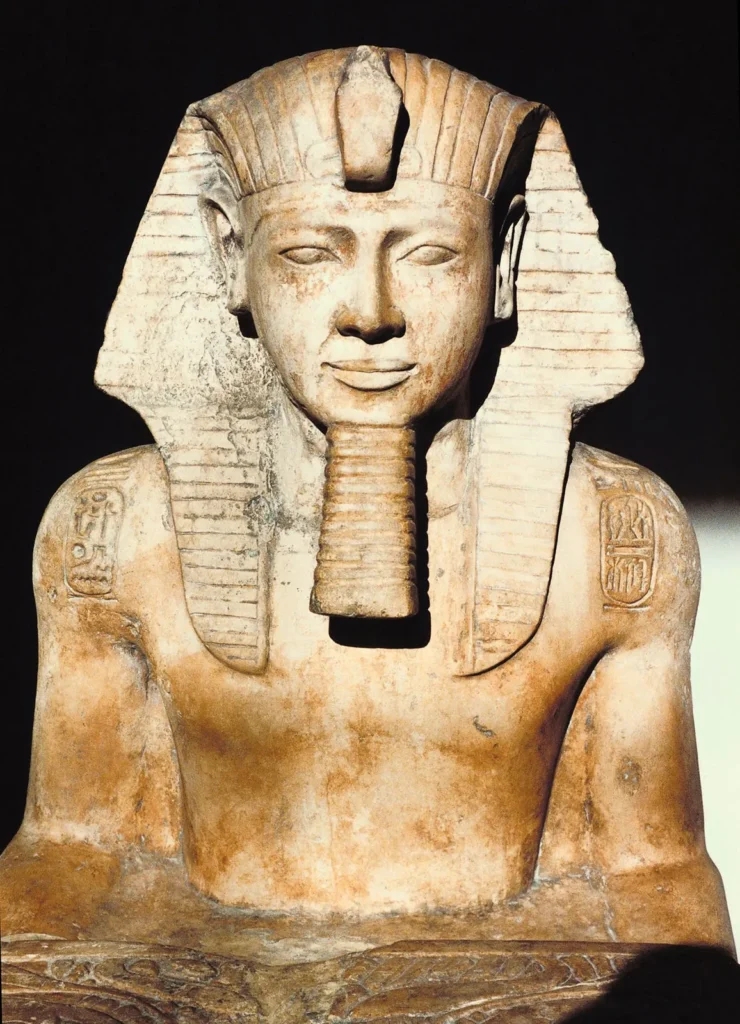
1. Pharaoh: The Highest Position in Ancient Egypt
The most important job in Ancient Egypt was that of the pharaoh. The pharaoh was not simply a king; he was considered a divine ruler who served as the intermediary between the gods and the Egyptian people. As the supreme leader of the kingdom, the pharaoh held absolute authority over government, religion, military affairs, taxation, and major construction projects. The responsibilities of a pharaoh were extensive. He oversaw the administration of the country, appointed officials, directed military campaigns, supervised agricultural policies, and ensured that religious ceremonies were performed correctly. Egyptians believed that the pharaoh maintained Ma'at, the principle of order, harmony, and justice that kept the universe functioning properly. Pharaohs commissioned some of the most famous monuments in history, including pyramids, temples, statues, and tombs. Massive workforces were organized under royal authority to complete these ambitious projects. The pharaoh's decisions influenced every aspect of Egyptian life, from trade and diplomacy to religious practices and law enforcement. Although the position brought immense power and wealth, it also carried significant responsibilities. Pharaohs were expected to protect Egypt from foreign enemies, ensure successful Nile floods, and maintain the favor of the gods. Failure in these duties could lead to political instability and public dissatisfaction. Many famous rulers, including Tutankhamun, Ramesses II, and Hatshepsut, left lasting legacies through their leadership and monumental building projects.
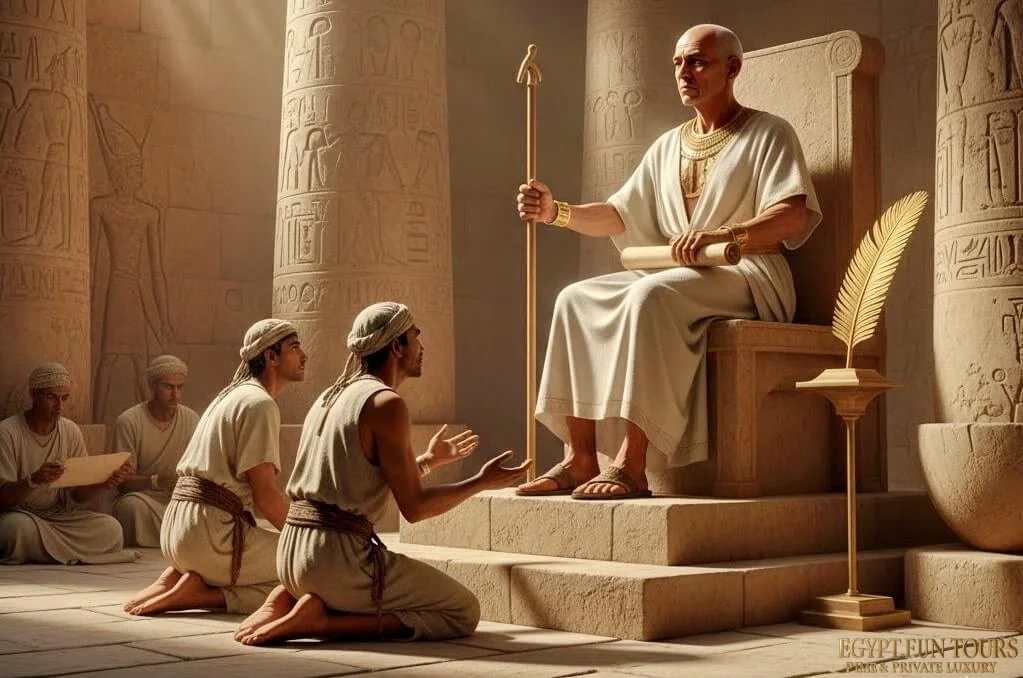
2. Vizier: The Pharaoh's Chief Administrator
The vizier was the highest-ranking official beneath the pharaoh and one of the most prestigious occupations in Ancient Egypt. Often described as the pharaoh's right-hand man, the vizier served as chief administrator, overseeing the daily operations of the government and ensuring that royal policies were implemented throughout the kingdom. The vizier supervised numerous departments, including taxation, agriculture, construction, justice, treasury management, and public works. Because Egypt was a vast and complex state, the pharaoh relied heavily on trusted viziers to manage administrative affairs efficiently. One of the vizier's most important duties involved overseeing legal matters. He acted as the chief judge and ensured that disputes were resolved according to Egyptian law and the principles of Ma'at. Citizens could bring complaints and petitions before officials working under the vizier's authority. The vizier also supervised large construction projects, including temples, royal tombs, and irrigation systems. Detailed records were maintained to track labor, materials, and expenses. This required exceptional organizational skills and extensive knowledge of administration. Education played a crucial role in becoming a vizier. Most individuals who reached this position began their careers as scribes and government officials. Literacy, mathematical ability, and administrative experience were essential qualifications. The importance of the vizier demonstrates the sophistication of Ancient Egyptian bureaucracy. Without skilled administrators, Egypt could not have maintained its powerful centralized government for thousands of years.
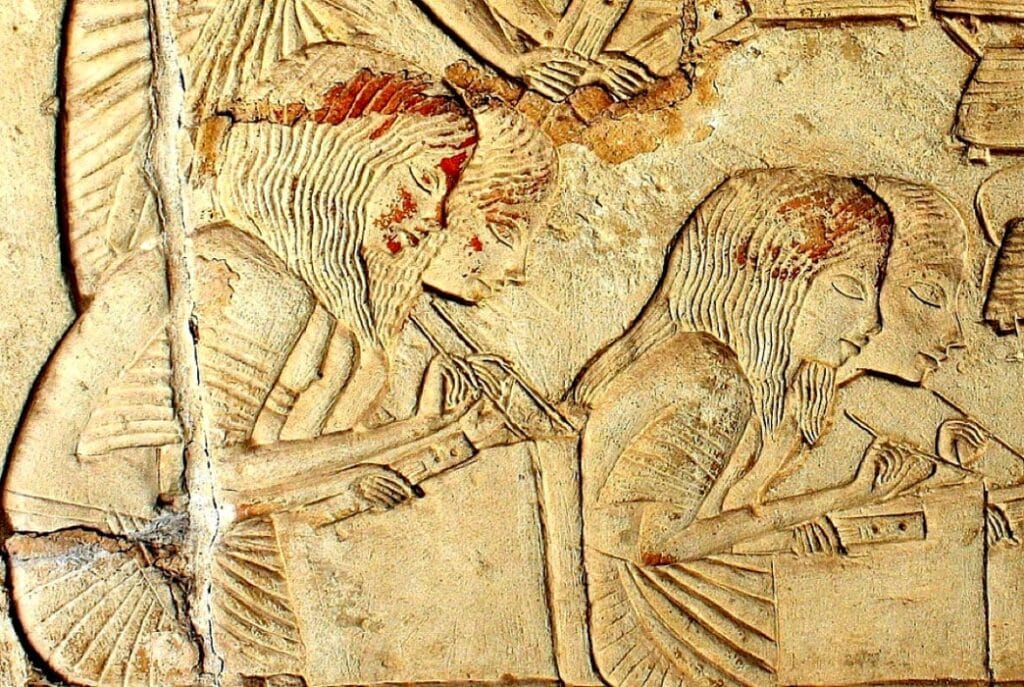
3. Scribe: The Most Respected Professional Career
Among all occupations in Ancient Egypt, the role of the scribe was one of the most respected and desirable. Scribes were responsible for reading, writing, record-keeping, accounting, and administrative tasks. Because literacy was relatively rare, scribes occupied an elite position within society and enjoyed opportunities for social advancement. Ancient Egyptian government relied heavily on written records. Scribes documented tax collections, agricultural harvests, legal proceedings, military activities, trade transactions, religious texts, and construction projects. Their work ensured that the state functioned efficiently and that important information was preserved. Becoming a scribe required years of education. Students attended special schools where they learned hieroglyphics, hieratic script, mathematics, accounting, and administrative procedures. The training was demanding, but successful graduates gained access to prestigious careers and relatively comfortable lifestyles. Unlike farmers and laborers who performed physically demanding work, scribes typically worked indoors in government offices, temples, and administrative centers. This made the profession highly attractive to ambitious young Egyptians seeking social mobility. Many tomb paintings depict scribes seated with papyrus scrolls and writing tools, highlighting the importance of literacy in Egyptian society. Their ability to communicate, calculate, and maintain records made them indispensable to both government and religious institutions. The profession of scribe played a critical role in preserving Ancient Egyptian history. Without their writings, much of what we know about Egypt's civilization, religion, economy, and daily life would have been lost forever.
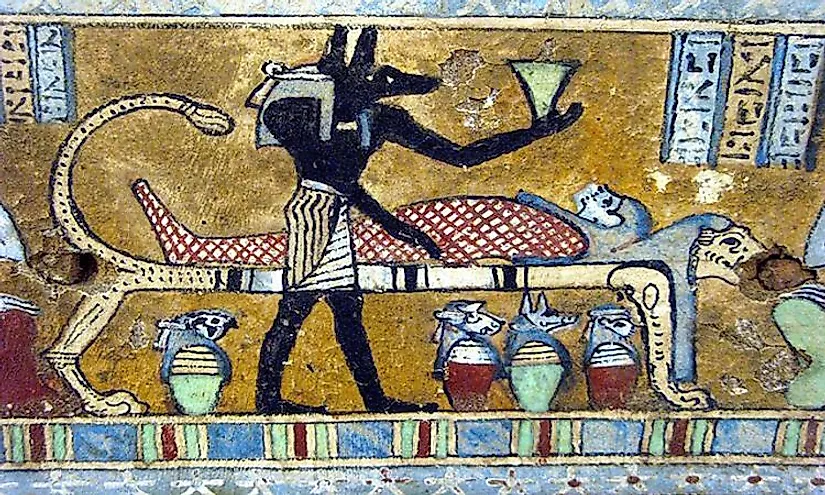
4. Priests: Servants of the Gods and Guardians of the Temples
Priests held some of the most respected and influential jobs in Ancient Egypt. Religion was deeply woven into every aspect of Egyptian life, and priests were responsible for maintaining the relationship between humans and the gods. Their duties extended far beyond conducting ceremonies; they also managed temples, supervised religious festivals, controlled large estates, and played important roles in education and administration. Ancient Egyptians believed that the gods controlled natural forces such as the flooding of the Nile, the fertility of crops, and the success of the kingdom. Priests were tasked with ensuring that the gods remained pleased through daily rituals, offerings, prayers, and sacred ceremonies. Every day, temple priests performed elaborate rituals in front of divine statues, presenting food, incense, clothing, and gifts to the gods. Temples were among the wealthiest institutions in Ancient Egypt. Many owned vast tracts of farmland, livestock, workshops, and trading operations. Priests managed these resources and supervised large numbers of workers. Some high-ranking priests became extremely powerful and occasionally rivaled the influence of government officials. Education was essential for priesthood. Priests learned religious texts, sacred rituals, astronomy, medicine, and writing. Some priests specialized in specific areas such as healing, temple administration, or religious ceremonies. Their knowledge made them important advisors to pharaohs and members of the royal court. Priests were also responsible for organizing major religious festivals that attracted thousands of participants. Celebrations honoring gods such as Amun, Osiris, and Isis played an important role in Egyptian society and reinforced religious beliefs among the population. The priesthood offered prestige, stability, and influence, making it one of the most desirable professions in Ancient Egypt. Through their work, priests helped preserve religious traditions that endured for thousands of years.

5. Farmers: The Backbone of Ancient Egyptian Society
Farmers were the foundation of Ancient Egyptian civilization. Without their labor, the kingdom could not have survived or prospered. Agriculture was the most common occupation in Ancient Egypt, employing the majority of the population and providing the food needed to sustain cities, temples, armies, and royal construction projects. The fertile soil deposited by the annual flooding of the Nile River made Egypt one of the most productive agricultural regions in the ancient world. Farmers cultivated crops such as wheat, barley, flax, lentils, onions, lettuce, dates, figs, and grapes. These crops formed the basis of the Egyptian diet and supported the nation's economy. Agricultural work followed the rhythm of the Nile. During the flood season, fields were covered with water and farmers often worked on state projects such as building temples, canals, and monuments. Once the waters receded, planting and harvesting began. This cycle continued year after year and shaped daily life throughout Ancient Egypt. Farming was physically demanding. Workers spent long hours plowing fields, planting seeds, irrigating crops, harvesting grain, and caring for livestock. Oxen were commonly used to pull plows, while irrigation systems helped distribute water to fields located farther from the river. Farmers paid taxes in the form of crops and agricultural products. Government officials and scribes carefully recorded harvest yields and assessed taxes. A poor harvest could create financial hardship, making agriculture both essential and challenging. Despite the hard work, farmers played an indispensable role in Egypt's success. Their labor fed the population, generated wealth, and supported the powerful civilization that produced some of history's most impressive achievements.
6. Craftsmen and Artisans: The Skilled Creators of Ancient Egypt
Craftsmen and artisans were among the most talented workers in Ancient Egypt. Their skills transformed raw materials into beautiful works of art, practical tools, furniture, jewelry, statues, and decorative objects that reflected the sophistication of Egyptian civilization. Ancient Egyptian artisans worked with a wide variety of materials, including wood, stone, gold, silver, copper, bronze, ivory, glass, and precious gemstones. Their creations adorned temples, palaces, tombs, and homes throughout the kingdom. Many of the masterpieces displayed in museums today were produced by these highly skilled craftsmen. Artisans specialized in different trades. Some were sculptors who carved statues of pharaohs and gods. Others were painters who decorated tomb walls with colorful scenes depicting daily life, religious rituals, and journeys to the afterlife. Jewelers crafted elaborate necklaces, rings, bracelets, and crowns using gold and precious stones. Furniture makers produced chairs, beds, chests, and tables for wealthy Egyptians. Potters created storage jars, bowls, and ceremonial vessels. Metalworkers manufactured tools, weapons, and decorative objects used throughout society. Many craftsmen lived in specialized communities where skills were passed from one generation to the next. One of the most famous artisan villages was Deir el-Medina, home to the workers who built and decorated royal tombs in the Valley of the Kings. Archaeological discoveries at this site provide valuable information about the lives of skilled workers. The quality of Egyptian craftsmanship became famous throughout the ancient world. Their artistic achievements continue to amaze historians and visitors today, demonstrating the remarkable talents of Ancient Egypt's artisans and craftsmen.
7. Pyramid Builders and Construction Workers
Among the most famous jobs in Ancient Egypt were those performed by the builders who constructed pyramids, temples, tombs, obelisks, and other monumental structures. These workers helped create some of the greatest architectural achievements in human history, many of which still stand today. For many years, people believed that slaves built the pyramids. However, archaeological discoveries have shown that most pyramid builders were skilled laborers, craftsmen, engineers, and seasonal workers who were organized and supported by the state. Excavations near the Giza Pyramid Complex have uncovered workers' villages, bakeries, medical facilities, and cemeteries, providing valuable insights into their daily lives. Construction workers performed a wide range of tasks. Quarry workers extracted limestone and granite from quarries, while transport crews moved massive stone blocks using sledges and boats along the Nile River. Skilled craftsmen shaped stones with remarkable precision, and engineers supervised construction techniques that continue to fascinate researchers today. The work was physically demanding and often dangerous. Laborers faced injuries from heavy lifting, falling objects, and harsh environmental conditions. Despite these challenges, evidence suggests that workers received food, medical care, and housing. Their diets included bread, beer, fish, onions, garlic, and occasionally meat to provide the energy needed for intensive labor. Many workers were employed during the Nile flood season when agricultural activities slowed. This allowed farmers to contribute labor to state projects while their fields remained underwater. Such organization enabled Egypt to mobilize large workforces efficiently. The builders of Egypt’s monuments left an enduring legacy. Their engineering skills, dedication, and craftsmanship helped create structures that continue to attract millions of visitors and inspire admiration around the world.
8. Soldiers and Military Careers in Ancient Egypt
Soldiers played a vital role in protecting Ancient Egypt from foreign invasions, maintaining internal stability, and expanding the kingdom’s influence through military campaigns. The Egyptian army became one of the most powerful military forces of the ancient world, particularly during the New Kingdom period. Military service offered opportunities for social advancement, wealth, and prestige. While many Egyptians worked in agriculture or skilled trades, soldiers could earn rewards, land grants, promotions, and recognition for bravery. Successful military leaders often rose to important positions within government and society. The Egyptian army consisted of infantry soldiers, archers, chariot warriors, and specialized military units. Soldiers trained extensively in the use of weapons such as spears, bows, shields, axes, and swords. Archery was particularly important and became one of the defining strengths of Egyptian warfare. Military campaigns took Egyptian forces into regions including Nubia, the Levant, and parts of the Near East. Pharaohs relied on their armies to secure trade routes, obtain valuable resources, and defend the kingdom's borders. Victorious campaigns often brought wealth, prisoners, livestock, and tribute into Egypt. Life as a soldier could be challenging and dangerous. Campaigns required long marches across deserts and foreign territories. Soldiers faced the constant threat of injury, disease, and death in battle. However, military success could significantly improve an individual's social status. Several famous pharaohs gained reputations as great military leaders, including Thutmose III and Ramesses II. Their victories helped expand Egypt’s power and demonstrated the importance of a strong military. The profession of soldier provided adventure, opportunity, and honor, making it one of the most respected careers available to men in Ancient Egypt.
9. Merchants and Traders in Ancient Egypt
Merchants and traders played a crucial role in the economy of Ancient Egypt by connecting the kingdom with distant regions and ensuring the flow of goods, resources, and luxury products. Through trade, Egyptians gained access to materials that were not available locally, helping the civilization grow richer and more prosperous. Ancient Egypt traded extensively with neighboring lands, including Nubia, the Levant, the Mediterranean world, and the mysterious Land of Punt. Traders imported valuable goods such as gold, ivory, ebony, incense, exotic animals, precious stones, copper, silver, and fine timber. These resources were used in construction, jewelry making, religious ceremonies, and royal projects. Merchants transported goods along the Nile River, which served as Egypt’s primary transportation route. Boats carried products between cities, temples, and trading centers. Caravans also crossed deserts to reach distant markets and mining regions. Successful merchants required strong business skills, knowledge of trade routes, and the ability to negotiate prices and agreements. Wealthy traders could accumulate significant fortunes and enjoy high social status. Some merchants worked directly for the government or temples, while others operated private enterprises. International trade helped stimulate economic growth and cultural exchange. Foreign products introduced new materials, technologies, artistic styles, and ideas into Egyptian society. Trade relationships also strengthened diplomatic ties with neighboring kingdoms. One of the most famous trading expeditions was organized during the reign of Hatshepsut, who sent ships to the Land of Punt to obtain valuable goods including incense trees, gold, and exotic products. The success of this expedition highlights the importance of commerce in Ancient Egyptian history. Merchants and traders served as the economic lifeline of the kingdom, helping transform Egypt into one of the wealthiest and most influential civilizations of the ancient world.
10. Fishermen: Providers of Food from the Nile River
Fishing was one of the oldest and most important occupations in Ancient Egypt. The Nile River, which served as the lifeblood of Egyptian civilization, was rich in fish and other aquatic resources that provided an essential source of food for millions of people. Fishermen played a critical role in feeding the population and supporting the economy of the kingdom. Ancient Egyptian fishermen worked along the Nile River, canals, lakes, and marshlands. They used a variety of techniques to catch fish, including nets, hooks, harpoons, traps, and fishing lines. Tomb paintings from across Egypt depict fishermen casting nets from small boats and collecting large catches from the river's waters. Fish formed a major part of the diet for many Egyptians, particularly among ordinary people who could not regularly afford expensive meats. Common species included tilapia, catfish, mullet, and perch. Fish could be eaten fresh, dried, salted, or preserved for future use. This made fishing an important industry that supported both local consumption and trade. The work of fishermen was physically demanding and sometimes dangerous. They often spent long hours under the hot sun and faced risks from strong currents, storms, crocodiles, and hippopotamuses. Despite these hazards, fishing remained a reliable source of income for many families. Some fishermen worked independently, while others were employed by temples, wealthy landowners, or the government. Large temple estates frequently maintained fishing operations to provide food for priests, workers, and religious festivals. Fishing also contributed to commerce. Surplus catches were sold in local markets and transported to towns and cities along the Nile. As a result, fishermen played a vital role in Egypt's food supply chain and economic system. Without the efforts of these skilled workers, many communities would have struggled to obtain sufficient protein and nutrition. Fishermen helped sustain daily life throughout Ancient Egyptian civilization for thousands of years.
11. Hunters: Providers of Meat and Protectors of Crops
Although farming and fishing supplied most of Egypt's food, hunting remained an important occupation and activity throughout Ancient Egyptian history. Hunters provided meat, animal products, and protection against dangerous wildlife that threatened crops, livestock, and communities. Ancient Egypt was home to a wide variety of animals, including gazelles, antelopes, wild cattle, ducks, geese, quail, hares, and numerous other species. Hunters used bows, arrows, spears, traps, nets, and trained hunting dogs to capture their prey. Tomb paintings frequently depict noblemen participating in hunting expeditions in the desert and marshlands. Professional hunters supplied meat to households, temples, and royal palaces. Wild game supplemented the Egyptian diet and provided valuable resources such as hides, feathers, horns, and bones. These materials were used to create clothing, tools, decorative items, and ceremonial objects. In addition to providing food, hunters helped protect agricultural lands. Certain animals could damage crops or threaten livestock, making population control an important responsibility. Dangerous creatures such as crocodiles and hippopotamuses occasionally posed threats to farmers and fishermen, requiring experienced hunters to manage these risks. Hunting also carried symbolic significance. Pharaohs and nobles often participated in hunting expeditions as demonstrations of strength, courage, and leadership. Scenes showing rulers hunting lions, bulls, and other animals were intended to symbolize their ability to maintain order and defeat chaos. While hunting was not as widespread as farming, it remained an important profession in specific regions and contributed to Egypt's economy and food supply. Skilled hunters possessed deep knowledge of animal behavior, tracking techniques, and survival skills that were highly valued within society. The occupation of hunter reflects the close relationship between Ancient Egyptians and the natural environment that surrounded them.
12. Doctors and Physicians in Ancient Egypt
Doctors and physicians occupied one of the most respected professions in Ancient Egypt. Egyptian medicine was among the most advanced in the ancient world, and skilled healers played a crucial role in maintaining the health of the population. Their knowledge influenced later medical traditions in Greece, Rome, and beyond. Ancient Egyptian physicians diagnosed illnesses, treated injuries, prescribed remedies, and performed various medical procedures. Medical knowledge was recorded in documents such as the Ebers Papyrus and the Edwin Smith Papyrus, which contain detailed descriptions of diseases, treatments, surgical techniques, and medicinal ingredients. Many doctors specialized in specific areas of medicine. Some focused on eye diseases, while others treated digestive disorders, wounds, or dental problems. This level of specialization was highly advanced for the ancient world and demonstrates the sophistication of Egyptian healthcare. Physicians used a combination of practical medicine and religious practices. Treatments often included herbal remedies, honey, oils, minerals, and natural substances believed to possess healing properties. Honey, in particular, was frequently applied to wounds because of its antibacterial effects. Doctors worked in temples, royal courts, military units, and local communities. Wealthy Egyptians could often access the services of highly trained physicians, while temple-based healers provided treatment to broader segments of the population. The profession required years of education and training. Aspiring doctors studied anatomy, medical texts, diagnosis, and therapeutic techniques. Their expertise made them valuable members of society and earned them considerable respect. One of the most famous physicians in Egyptian history was Imhotep, who was later revered as a god of medicine. His legacy highlights the importance of healthcare professionals in Ancient Egypt. The achievements of Egyptian doctors demonstrate the civilization's commitment to medical knowledge and its remarkable contributions to the history of medicine.
13. Architects and Engineers: The Master Minds Behind Egypt’s Monuments
Architects and engineers were among the most skilled and respected professionals in Ancient Egypt. Their expertise made it possible to design and construct the pyramids, temples, tombs, palaces, obelisks, canals, and irrigation systems that continue to amaze the world thousands of years later. Without these talented individuals, many of Egypt’s greatest achievements would never have existed. Ancient Egyptian architects were responsible for planning structures, calculating dimensions, selecting building materials, and ensuring that projects met religious and royal requirements. Their work demanded knowledge of mathematics, geometry, engineering principles, and construction techniques. They carefully aligned temples and monuments with celestial bodies, demonstrating an impressive understanding of astronomy. Engineers supervised the practical aspects of construction. They organized labor forces, managed transportation systems, designed ramps, and solved technical challenges associated with moving enormous stone blocks. Projects such as the pyramids required extraordinary planning and coordination involving thousands of workers. Many architects worked directly for the pharaoh and were entrusted with prestigious royal commissions. One of the most famous figures in Egyptian history was Imhotep, who designed the Step Pyramid of King Djoser at Saqqara. His achievements were so remarkable that he was later honored as a deity associated with wisdom and medicine. Architects also contributed to urban planning, temple design, and water management systems. Irrigation canals and reservoirs helped maximize agricultural production, while carefully designed buildings reflected Egyptian religious beliefs and artistic traditions. The profession required extensive education and experience. Most architects came from educated backgrounds and often worked closely with scribes, surveyors, and government officials. Their ability to combine creativity with technical expertise made them indispensable to the Egyptian state. The monuments that survive today stand as enduring evidence of the brilliance and innovation of Ancient Egyptian architects and engineers.
14. Miners and Quarry Workers: Extracting Egypt’s Valuable Resources
Miners and quarry workers performed some of the toughest and most dangerous jobs in Ancient Egypt. Their labor supplied the raw materials needed for construction projects, tools, weapons, jewelry, statues, and countless other products that supported Egyptian civilization. Egypt possessed abundant natural resources, including limestone, sandstone, granite, copper, gold, turquoise, and precious stones. Quarry workers extracted massive stone blocks used to build pyramids, temples, obelisks, and royal tombs. Granite from Aswan was especially prized because of its strength and durability and was used in many of Egypt’s most famous monuments. Mining expeditions often traveled deep into the Eastern Desert, Sinai Peninsula, and Nubian territories. Workers endured harsh conditions, extreme heat, limited water supplies, and difficult terrain. Despite these challenges, mining operations were essential to Egypt’s economy and military power. Gold mining was particularly important. Ancient Egypt became one of the richest civilizations in the ancient world partly because of its extensive gold resources. Gold was used to create jewelry, religious objects, statues, and royal treasures. It also served as a symbol of divine power and wealth. Quarry workers employed stone hammers, copper tools, wooden wedges, and other equipment to cut and transport enormous blocks of stone. The work required strength, skill, and teamwork. Injuries were common due to heavy lifting and dangerous working conditions. Many mining and quarrying operations were organized by the government. Large teams of workers, soldiers, administrators, and craftsmen participated in expeditions that could last for months. Detailed records were kept by scribes to track resources and labor. Although physically demanding, the work of miners and quarry workers was essential for Egypt’s prosperity. Their efforts provided the materials that enabled the civilization to construct its most iconic monuments and artistic masterpieces.
15. Jewelers and Goldsmiths: Creators of Egypt’s Finest Treasures
Jewelers and goldsmiths were among the most talented artisans in Ancient Egypt. Their exquisite creations symbolized wealth, power, beauty, and religious devotion. The jewelry produced by these craftsmen remains some of the most admired examples of ancient artistry ever discovered. Ancient Egyptian jewelers worked with gold, silver, electrum, turquoise, lapis lazuli, carnelian, amethyst, and other precious materials. They transformed these resources into necklaces, rings, bracelets, earrings, crowns, amulets, pectorals, and ceremonial ornaments. Many pieces were designed not only for decoration but also for spiritual protection. Gold held special significance in Egyptian culture because it was associated with the gods and believed to represent eternal life. Pharaohs and members of the royal family adorned themselves with elaborate gold jewelry to display their status and divine connection. Temples also commissioned precious objects for religious ceremonies and offerings. The profession required exceptional skill and attention to detail. Goldsmiths mastered techniques such as casting, hammering, engraving, soldering, polishing, and gemstone setting. Their workshops produced intricate designs featuring sacred symbols, animals, hieroglyphics, and images of gods and goddesses. Some of the most famous examples of Egyptian jewelry come from the tomb of Tutankhamun. The treasures discovered within his tomb reveal the extraordinary craftsmanship achieved by Egyptian goldsmiths more than 3,000 years ago. Jewelers often worked for royal courts, temples, and wealthy patrons. Their creations served as symbols of prestige and were frequently buried with the dead to accompany them into the afterlife. Because precious materials were valuable and rare, successful goldsmiths enjoyed considerable respect and economic security. The masterpieces created by Ancient Egyptian jewelers continue to inspire modern designers and remain among the most celebrated artistic achievements of the ancient world.
16. Musicians and Entertainers: Bringing Music, Dance, and Joy to Ancient Egypt
Musicians and entertainers played an important role in Ancient Egyptian society. While occupations such as farming, construction, and administration supported the economy, entertainers enriched cultural and religious life by providing music, dance, storytelling, and performances for both ordinary people and the elite. Their talents brought joy to festivals, religious ceremonies, banquets, royal celebrations, and community gatherings. Music was deeply connected to Egyptian religion. Temples frequently employed musicians who performed during rituals dedicated to gods and goddesses. Sacred music was believed to please the deities and maintain harmony between the divine and human worlds. Professional musicians often served in temples devoted to gods such as Amun, Hathor, and Isis. Ancient Egyptian musicians played a variety of instruments, including harps, lutes, flutes, drums, tambourines, trumpets, and rattles known as sistrums. These instruments accompanied songs, dances, and ceremonial performances. Tomb paintings frequently depict musicians entertaining guests at banquets and celebrations. Dancers and acrobats were also highly valued entertainers. Their performances added excitement to religious festivals and royal events. Some entertainers traveled between cities, performing for wealthy patrons and local communities. Storytellers and poets preserved myths, legends, and historical traditions through oral performances. Many women found employment as musicians, singers, and dancers, making entertainment one of the few professions where women could achieve recognition and social status. Skilled performers could become respected members of society and serve in royal courts or temple institutions. The work of musicians and entertainers helped strengthen social bonds, preserve cultural traditions, and enrich daily life throughout Ancient Egypt. Their artistic contributions remain visible today through paintings, carvings, and artifacts discovered in tombs and temples.
17. Embalmers and Mummification Specialists: Guardians of the Afterlife
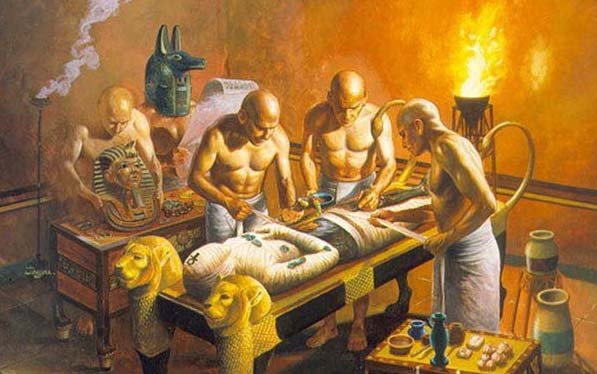
Embalmers and mummification specialists performed one of the most unique and important jobs in Ancient Egypt. Their work was closely connected to Egyptian beliefs about death, resurrection, and the afterlife. Egyptians believed that preserving the body was essential for the soul's journey into eternity, making embalmers highly respected professionals. The process of mummification was complex and required specialized knowledge. Embalmers carefully removed internal organs, treated the body with natron salts to remove moisture, wrapped it in linen bandages, and prepared it for burial. The entire process could take approximately seventy days and involved numerous religious rituals and ceremonies. Different levels of mummification were available depending on a family's wealth. Pharaohs, nobles, and wealthy individuals received the most elaborate treatments, while simpler methods were used for ordinary Egyptians. Despite these differences, the goal remained the same: preserving the body for eternal life. Embalmers worked closely with priests, who performed prayers and rituals during the preparation of the deceased. One of the most important ceremonies was the Opening of the Mouth ritual, which symbolically restored the senses of the deceased in the afterlife. The profession required extensive training and knowledge of anatomy, preservation techniques, religious practices, and funerary traditions. Embalmers often operated from specialized workshops located near major cemeteries and necropolises. Many of the mummies that survive today, including those of famous rulers such as Ramesses II and Tutankhamun, demonstrate the remarkable skill of Ancient Egyptian embalmers. Their techniques were so effective that some bodies have remained preserved for more than three thousand years. The work of embalmers was essential to Egyptian religion and provides modern historians with invaluable insights into ancient health, culture, and beliefs.
18. Women's Jobs in Ancient Egypt and the Importance of Occupations in Egyptian Society
Although many occupations in Ancient Egypt were dominated by men, women participated in a variety of important professions and contributed significantly to the economy, religion, and daily life of the civilization. Compared with women in many other ancient societies, Egyptian women enjoyed relatively extensive legal rights and opportunities. Most women were responsible for managing households, raising children, preparing food, weaving textiles, and overseeing family affairs. However, many women also worked outside the home. Some became musicians, dancers, singers, priestesses, midwives, weavers, merchants, servants, and estate managers. Wealthy women sometimes supervised large agricultural properties and business operations. Temple service provided opportunities for women to participate in religious life. Female musicians and priestesses played important roles in ceremonies dedicated to gods and goddesses. Some women gained significant influence within religious institutions and royal courts. One of the most famous examples of female success in Ancient Egypt is Hatshepsut, who ruled as pharaoh and demonstrated that women could hold the highest position in the kingdom. Other royal women also exercised political, economic, and religious influence throughout Egyptian history. The wide variety of occupations available in Ancient Egypt illustrates the complexity and sophistication of the civilization. Every profession—from pharaohs and viziers to farmers, fishermen, jewelers, musicians, and embalmers—played a role in maintaining the kingdom's prosperity and stability.