

- Excursions in Egypt
- Egypt Tour Packages
- Cairo Tours and Excursions
- Hurghada Tours and Excursions
- Soma Bay Tours and Excursions
- Makadi Bay Tours and Excursions
- Sahl Hasheesh Tours and Excursions
- El Gouna Tours and Excursions
- Marsa Alam Tours and Excursions
- Port Ghalib Tours and Excursions
- El Quseir Tours and Excursions
- Dendera and Abydos Day Tours
- Aswan Tours and Excursions
- Luxor Tours and Excursions
- Sharm El Sheikh Tours and Excursions
- Top Rated Egypt Tours in 2026
- Optional Excursions in Egypt
- Private Transfer
- Blogs About egypt
- Ancient Egypt
- Historical Sites in Egypt
- Cairo
- Alexandria
- Luxor
- Aswan
- The Red Sea
- Dendera Temple
- El Fayoum Oasis
- Bahariya Oasis
- Siwa Oasis
- Al Alamein
- Marsa Matruh
- Why Egypt Is One of the Safest Countries to Visit in the Middle East
- What You Need To know Before Your First Trip To Egypt
- Egypt Travel Costs in 2026 Full Budget Guide
- Top 10 Tourist Activities in Egypt
- Top 50 Activities You Can’t Miss in Egypt in 2026
- The Guide to Guided Tours in Egypt
- Egypt’s Ancient and Modern History
- The Nile River
- The Deserts of Egypt
- Ancient Egyptian gods
- famous Egyptian dishes
- UNESCO World Heritage sites
- About Us
- Egypt Hotels and Resorts
- Excursions in Egypt
- Egypt Tour Packages
- Cairo Tours and Excursions
- Hurghada Tours and Excursions
- Soma Bay Tours and Excursions
- Makadi Bay Tours and Excursions
- Sahl Hasheesh Tours and Excursions
- El Gouna Tours and Excursions
- Marsa Alam Tours and Excursions
- Port Ghalib Tours and Excursions
- El Quseir Tours and Excursions
- Dendera and Abydos Day Tours
- Aswan Tours and Excursions
- Luxor Tours and Excursions
- Sharm El Sheikh Tours and Excursions
- Top Rated Egypt Tours in 2026
- Optional Excursions in Egypt
- Private Transfer
- Blogs About egypt
- Ancient Egypt
- Historical Sites in Egypt
- Cairo
- Alexandria
- Luxor
- Aswan
- The Red Sea
- Dendera Temple
- El Fayoum Oasis
- Bahariya Oasis
- Siwa Oasis
- Al Alamein
- Marsa Matruh
- Why Egypt Is One of the Safest Countries to Visit in the Middle East
- What You Need To know Before Your First Trip To Egypt
- Egypt Travel Costs in 2026 Full Budget Guide
- Top 10 Tourist Activities in Egypt
- Top 50 Activities You Can’t Miss in Egypt in 2026
- The Guide to Guided Tours in Egypt
- Egypt’s Ancient and Modern History
- The Nile River
- The Deserts of Egypt
- Ancient Egyptian gods
- famous Egyptian dishes
- UNESCO World Heritage sites
- About Us
- Egypt Hotels and Resorts
Welcome to
Funeral Rituals in Ancient Egypt: Sacred Traditions for the Journey to the Afterlife
Funeral rituals in Ancient Egypt were among the most elaborate and sophisticated burial practices ever developed by an ancient civilization. For the Ancient Egyptians, death was not considered the end of life but rather the beginning of a new existence in the afterlife. Their religious beliefs centered on the idea that the soul would continue its journey after death and could achieve eternal life if the proper rituals and ceremonies were performed. As a result, Ancient Egyptian funeral rituals became a complex combination of religion, magic, mummification, tomb construction, offerings, prayers, and sacred ceremonies designed to protect the deceased and ensure a successful transition into the next world.
The Ancient Egyptians believed that preserving the body was essential for the survival of the soul. They developed advanced mummification techniques and built magnificent tombs filled with treasures, food, furniture, jewelry, and religious objects that the deceased might need in eternity. Funeral rituals varied depending on wealth and social status, but the ultimate goal remained the same: to guarantee immortality and maintain harmony between the living and the dead.
These sacred traditions evolved over thousands of years and reflected Egypt’s deep spiritual beliefs about death, resurrection, divine judgment, and eternal life. Today, archaeological discoveries, tomb paintings, funerary texts, and preserved mummies provide remarkable insights into these ancient practices, making Ancient Egyptian funeral rituals one of the most fascinating aspects of Ancient Egypt’s history and culture.
1. Ancient Egyptian Beliefs About Death and the Afterlife
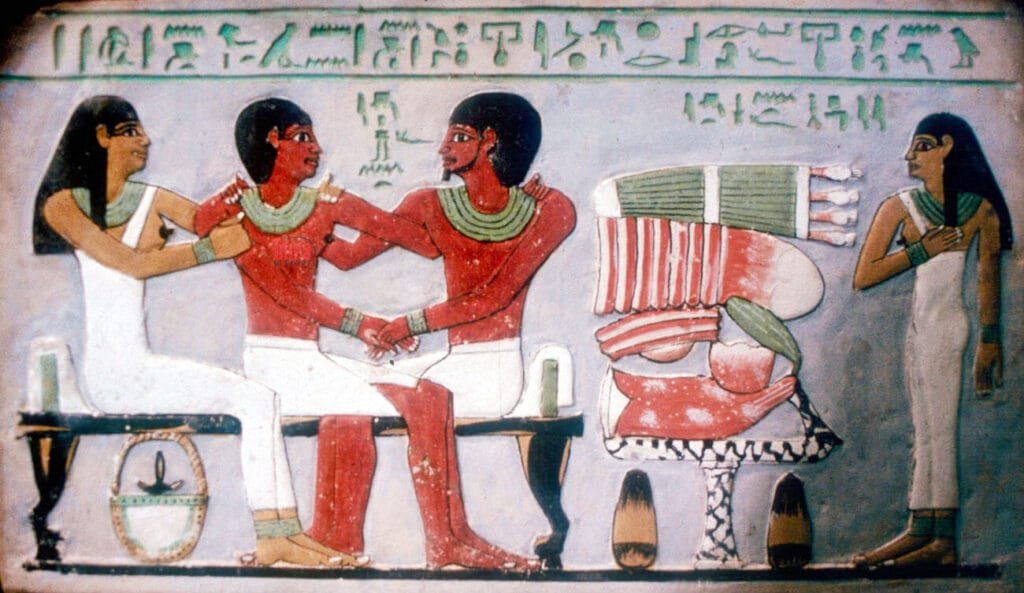
The foundation of all funeral rituals in Ancient Egypt was the belief in life after death. Egyptians viewed death as a transition rather than an ending. They believed that individuals could continue living eternally if their bodies were preserved and proper religious ceremonies were performed. According to Egyptian religion, each person possessed several spiritual components, including the Ka, Ba, and Akh. The Ka represented the life force, while the Ba was associated with personality and mobility after death. The Akh represented the transformed spirit that could live among the gods. For these spiritual elements to survive, the physical body needed to remain intact. The afterlife was often envisioned as a paradise known as the Field of Reeds, where the deceased could enjoy eternal peace and abundance. However, reaching this paradise required preparation, protection, and divine approval. Funeral rituals were therefore essential to ensuring a successful journey into the next world. The belief in resurrection influenced every aspect of Egyptian burial customs. Tomb construction, mummification, religious texts, and offering ceremonies were all designed to help the deceased overcome obstacles and achieve eternal life. These beliefs remained central to Egyptian culture for more than three thousand years.
2. The Importance of Mummification
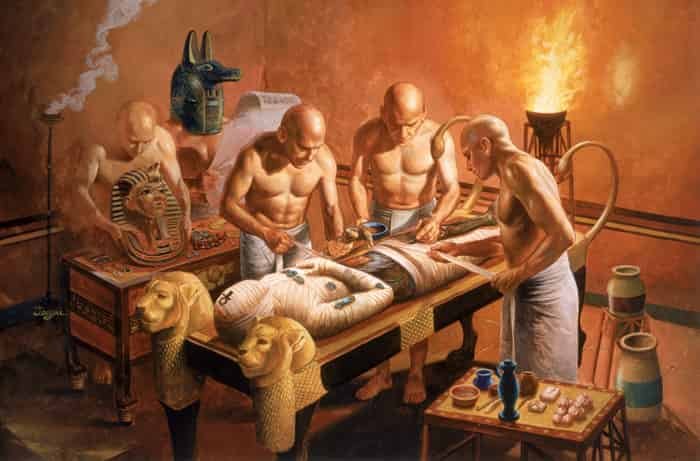
One of the most famous funeral rituals in Ancient Egypt was mummification. Egyptians believed that preserving the body was necessary because the soul would eventually return and reunite with it in the afterlife. If the body decayed, the deceased's chances of eternal life could be endangered. The mummification process evolved over centuries and became increasingly sophisticated. Skilled embalmers carefully removed internal organs, treated the body with natron salt to eliminate moisture, and wrapped it in linen bandages. The heart was usually left inside the body because it was considered the center of intelligence, emotion, and morality. The process could take approximately seventy days and involved numerous religious ceremonies. Priests recited sacred prayers while embalmers performed their work. Protective amulets were placed among the wrappings to guard the deceased against supernatural dangers. Mummification was not limited to pharaohs. Wealthy officials, nobles, priests, and even some ordinary Egyptians sought various forms of preservation depending on their financial resources. The remarkable effectiveness of Egyptian mummification techniques has allowed many mummies to survive for thousands of years, providing valuable information about Ancient Egyptian society and beliefs.
3. Preparing the Body for Burial
After death, the body underwent a series of carefully organized preparations before burial. Family members mourned the deceased while embalmers transported the body to specialized workshops where preservation procedures began. Every stage of preparation carried religious significance and was performed according to established traditions. The body was first washed and purified. Embalmers then removed organs such as the lungs, liver, stomach, and intestines, which were preserved separately in canopic jars protected by the Four Sons of Horus. The brain was usually extracted through the nasal cavity, while the heart remained inside the chest. Following dehydration with natron salt, the body was treated with oils, resins, and perfumes. These substances helped preserve the remains and provided symbolic purification. Once preservation was complete, the mummy was wrapped in hundreds of meters of linen bandages. Protective amulets, jewelry, and sacred texts were often inserted between the layers. The final result was a carefully prepared mummy ready for burial. This process reflected the Egyptians' profound respect for the dead and their determination to ensure the deceased's survival in the afterlife. Every stage combined scientific knowledge, religious devotion, and centuries of accumulated experience.
4. Canopic Jars and the Protection of Internal Organs
Among the most important elements of Ancient Egyptian funeral rituals were the canopic jars used to preserve and protect the internal organs removed during mummification. Egyptians believed that these organs would be needed in the afterlife, making their preservation just as important as the preservation of the body itself. The use of canopic jars became a central feature of royal and elite burials and reflected the Egyptians' detailed understanding of the spiritual requirements for eternal life. During the mummification process, embalmers carefully removed the lungs, liver, stomach, and intestines. These organs were treated with natron, wrapped in linen, and placed inside four separate canopic jars. Each jar was protected by one of the Four Sons of Horus, powerful deities responsible for guarding the organs against harm. Imsety, depicted with a human head, protected the liver; Hapy, shown with a baboon head, guarded the lungs; Duamutef, represented by a jackal head, protected the stomach; and Qebehsenuef, depicted with a falcon head, watched over the intestines. The jars were often made from limestone, alabaster, pottery, or wood and were decorated with inscriptions, prayers, and protective symbols. They were usually placed in a special canopic chest within the tomb near the mummy. In later periods, embalmers sometimes returned preserved organs to the body while still including symbolic canopic jars as part of the burial equipment. The use of canopic jars demonstrates the Egyptians' belief that every aspect of the human body played a role in the afterlife. These sacred containers combined practical preservation techniques with powerful religious symbolism, ensuring that the deceased remained physically and spiritually complete for eternity.
5. The Opening of the Mouth Ceremony
One of the most sacred and important funeral rituals in Ancient Egypt was the Opening of the Mouth Ceremony. This elaborate religious rite was performed shortly before burial and was intended to restore the deceased's senses and abilities in the afterlife. Egyptians believed that after death, a person needed to regain the ability to breathe, see, hear, speak, eat, and drink in order to function successfully in the next world. The ceremony was typically conducted by priests who represented divine beings and performed a series of symbolic actions using specialized ritual instruments. These tools were touched to the mummy or statue of the deceased while prayers and sacred recitations were spoken. The ritual symbolically reopened the mouth, eyes, ears, and nose, allowing the individual to interact with the spiritual realm. The ceremony had deep religious significance because it transformed the deceased from a lifeless body into a spiritually active being capable of enjoying eternal existence. Tomb paintings frequently depict priests performing the ritual before burial, highlighting its importance within Egyptian funerary traditions. The Opening of the Mouth Ceremony was especially important for pharaohs and nobles, but versions of the ritual were also performed for non-royal individuals. By restoring the senses and vital functions of the deceased, the ceremony ensured that they could receive offerings, communicate with the gods, and enjoy all the benefits of the afterlife. This ritual reflects the Ancient Egyptian belief that death was a transition rather than an ending. Through sacred ceremonies such as the Opening of the Mouth, Egyptians sought to guarantee that their loved ones would continue to live, worship, and thrive forever.
6. Funeral Processions and Mourning Rituals
Ancient Egyptian funeral processions were solemn and highly symbolic events that marked the final journey of the deceased from the world of the living to their eternal resting place. These ceremonies combined religious rituals, public displays of mourning, and elaborate processions designed to honor the dead and ensure their safe passage into the afterlife. The funeral procession usually began after the completion of mummification. The mummy was placed in a decorated coffin and transported to the tomb on a ceremonial sled or boat. Family members, priests, officials, servants, and professional mourners often participated in the procession. Women sometimes played the roles of the goddesses Isis and Nephthys, who mourned the death of Osiris according to Egyptian mythology. Professional mourners expressed grief through crying, singing lamentations, beating their chests, and throwing dust upon themselves. These acts were not merely displays of emotion but formed part of religious traditions intended to honor the deceased and assist in their spiritual transformation. Priests performed purification rites, burned incense, and recited prayers throughout the journey. The procession often included offerings of food, drink, flowers, clothing, furniture, and other items intended for use in the afterlife. Sacred objects, statues, and ritual equipment might also accompany the burial. Upon reaching the tomb, final ceremonies—including the Opening of the Mouth ritual—were performed before the mummy was placed inside the burial chamber. These funeral processions served as powerful expressions of respect, devotion, and hope. They united family members, religious officials, and the community in a shared effort to ensure that the deceased successfully entered the afterlife and achieved eternal existence among the gods.
7. Tomb Offerings and Food for the Afterlife
A central aspect of funeral rituals in Ancient Egypt was the presentation of tomb offerings intended to sustain the deceased throughout eternity. Egyptians believed that life continued after death in a form similar to earthly existence. As a result, the dead would require food, drink, clothing, furniture, tools, and other necessities in the afterlife. Providing these items was considered both a religious duty and an expression of love and respect for the deceased. Tombs were often stocked with a wide variety of offerings, including bread, beer, wine, fruits, vegetables, meat, poultry, and sweets. Wealthy individuals could afford elaborate burial provisions, while ordinary Egyptians provided whatever resources they could. Priests and family members regularly visited tombs to present additional offerings and recite prayers that magically renewed the food supply for the spirit of the deceased. Ancient Egyptians believed that representations of food could function just as effectively as real food. Tomb walls were decorated with scenes showing banquets, agricultural activities, hunting expeditions, and food preparation. These images were thought to magically create an endless supply of provisions in the next world. Small offering tables were also placed inside tomb chapels where relatives could leave gifts during commemorative ceremonies. The concept of tomb offerings reflected the Egyptians' belief that the bond between the living and the dead continued after burial. Through these offerings, families helped ensure that their loved ones would enjoy comfort, abundance, and happiness throughout eternity. The practice remained one of the most enduring and important features of Ancient Egyptian funerary traditions.
8. Funerary Amulets and Magical Protection
Protection was a major concern in Ancient Egyptian funeral rituals because the journey through the afterlife was believed to involve numerous dangers and supernatural challenges. To safeguard the deceased, Egyptians placed powerful amulets within mummy wrappings, coffins, and tombs. These objects were believed to possess magical properties capable of providing protection, healing, strength, and divine assistance. Amulets were produced in many shapes and materials, including gold, faience, precious stones, glass, and semi-precious minerals. Each type carried a specific symbolic meaning and protective function. The Eye of Horus symbolized healing and protection, while the scarab beetle represented rebirth and transformation. The Djed pillar signified stability, and the Tyet knot, associated with the goddess Isis, offered divine protection. One of the most important amulets was the heart scarab, which was often placed over the chest of the mummy. During the judgment of the dead, Egyptians believed that the heart would be weighed against the feather of Ma'at, the goddess of truth and justice. The heart scarab contained spells intended to prevent the heart from speaking against the deceased during this critical examination. Funerary amulets were frequently accompanied by magical inscriptions and prayers designed to activate their powers. Priests carefully selected and positioned these objects according to religious traditions. Their presence reflected the Egyptians' deep belief in the effectiveness of magic as a force capable of influencing both earthly and supernatural events. The widespread use of amulets demonstrates the importance of spiritual protection in Ancient Egyptian culture. These small but powerful objects provided reassurance that the deceased would be protected throughout their journey to eternal life.
9. The Book of the Dead and Sacred Burial Texts
Among the most famous elements of Ancient Egyptian funeral rituals is the Book of the Dead, a collection of spells, prayers, hymns, and magical instructions intended to guide the deceased through the afterlife. These sacred texts represent one of the most significant achievements of Ancient Egyptian religious literature and provide invaluable insight into Egyptian beliefs about death, resurrection, and eternal existence. The Book of the Dead evolved from earlier funerary writings known as the Pyramid Texts and Coffin Texts. Unlike these earlier works, which were primarily reserved for royalty and elites, the Book of the Dead became accessible to a wider segment of Egyptian society. Wealthy individuals often commissioned personalized copies written on papyrus scrolls and placed them within their tombs. The texts contained instructions for navigating the challenges of the afterlife, including encounters with supernatural beings, dangerous obstacles, and divine judges. One of the most famous sections describes the Weighing of the Heart ceremony, during which the deceased's heart was compared to the feather of Ma'at. Those found worthy could enter the eternal paradise known as the Field of Reeds. The Book of the Dead also included spells for protection, transformation, resurrection, and communication with the gods. Many chapters were accompanied by colorful illustrations depicting scenes from the afterlife. These images served both artistic and religious purposes, helping the deceased understand and navigate the spiritual realm. Sacred burial texts played a crucial role in Ancient Egyptian funeral rituals because they provided knowledge believed necessary for survival after death. Through these writings, the deceased gained access to divine wisdom, magical protection, and guidance on their journey toward immortality. The Book of the Dead remains one of the most important sources for understanding Ancient Egyptian religion and the profound significance of their funerary traditions.
10. The Judgment of the Dead Before Osiris
One of the most important beliefs connected to funeral rituals in Ancient Egypt was the Judgment of the Dead, a sacred event that determined whether a person would be granted eternal life. Egyptians believed that after death, the soul would travel to the Hall of Two Truths, where it would stand before the god Osiris, ruler of the underworld and judge of the dead. This divine judgment was considered one of the most critical moments in the journey to the afterlife. According to Ancient Egyptian religious texts, the deceased would first recite the Negative Confession, declaring innocence of various sins and offenses. The soul then faced the famous Weighing of the Heart ceremony. During this ritual, the heart of the deceased was placed on one side of a scale, while the feather of Ma’at, representing truth, justice, and cosmic order, was placed on the other. The god Anubis supervised the weighing process, while Thoth, the god of wisdom and writing, recorded the results. If the heart balanced with the feather, the deceased was judged worthy and allowed to enter the Field of Reeds, a paradise of eternal happiness. If the heart was found to be heavy with wrongdoing, it was devoured by the fearsome creature Ammit, resulting in the destruction of the soul. This judgment reflected the Ancient Egyptian belief that moral behavior during life directly influenced one's fate after death. Funeral rituals, sacred texts, and protective amulets all helped prepare individuals for this final examination. The Judgment of the Dead remains one of the most iconic and influential concepts in Ancient Egyptian religion and funerary traditions.
11. Royal Burials and Pharaoh Funeral Rituals
The funeral rituals performed for pharaohs were the most elaborate and magnificent ceremonies in Ancient Egypt. As divine rulers believed to be descendants of the gods, pharaohs received extraordinary preparations intended to ensure their transformation into immortal beings. Royal funerals combined religion, politics, art, architecture, and state resources on a scale unmatched by ordinary burials. When a pharaoh died, embalmers began an extensive mummification process that could last around seventy days. The body received the highest level of care and preservation, while priests conducted daily rituals and prayers. Royal mummies were often adorned with gold masks, precious jewelry, and sacred amulets designed to provide protection in the afterlife. The construction of royal tombs required enormous effort and resources. During the Old Kingdom, pharaohs were buried in pyramids, while later rulers favored hidden rock-cut tombs in the Valley of the Kings. These tombs contained vast quantities of treasures, including golden furniture, weapons, chariots, statues, clothing, food, and ceremonial objects. Everything was intended to support the king's eternal existence. Royal funeral processions involved priests, government officials, military representatives, family members, and mourners. Sacred ceremonies such as the Opening of the Mouth ritual were performed to restore the pharaoh's senses and prepare him for life among the gods. Religious texts covered the walls of tombs, providing guidance and protection throughout eternity. The grandeur of royal burials reflected the pharaoh's unique position within Egyptian society. These ceremonies were not merely funerals but state events that reinforced religious beliefs, political stability, and the divine authority of the monarchy.
12. Tomb Decoration and Funerary Art
Ancient Egyptian tomb decoration was far more than simple artistic expression. Funerary art played a vital role in funeral rituals and was believed to possess magical powers capable of benefiting the deceased in the afterlife. Tomb walls, coffins, sarcophagi, statues, and burial equipment were carefully decorated with scenes, symbols, and inscriptions intended to provide protection, guidance, and eternal sustenance. Artists filled tombs with detailed images depicting daily life, religious ceremonies, agricultural activities, hunting scenes, banquets, and offerings. Egyptians believed that these images could magically become reality in the afterlife. A painted loaf of bread or a carved servant could symbolically provide food and assistance for eternity. This concept transformed tomb decoration into a powerful spiritual tool. Religious scenes were equally important. Many tombs featured depictions of gods and goddesses, including Osiris, Isis, Horus, Anubis, and Hathor. These divine figures offered protection and guidance to the deceased during their journey through the underworld. Sacred symbols such as the ankh, scarab, Eye of Horus, and Djed pillar frequently appeared throughout funerary artwork. Inscriptions containing prayers, spells, and passages from sacred texts covered many tomb walls. These writings provided magical assistance and ensured that the deceased possessed the knowledge necessary to overcome obstacles in the afterlife. Bright colors, intricate carvings, and carefully planned compositions transformed tombs into sacred spaces filled with spiritual significance. The remarkable preservation of Egyptian funerary art has provided modern archaeologists with invaluable information about Ancient Egyptian religion, society, and culture. These decorations remain among the most beautiful and informative examples of artistic achievement from the ancient world and continue to reveal the deep spiritual beliefs that shaped Egyptian funeral rituals.
13. Funeral Rituals for Ordinary Egyptians
While the magnificent tombs of pharaohs and nobles often receive the most attention, funeral rituals in Ancient Egypt were practiced by people from all levels of society. Ordinary Egyptians shared many of the same beliefs about death, the afterlife, and resurrection as the elite, although their burial customs were generally simpler and more affordable. Regardless of social status, the ultimate goal remained the same: to secure eternal life and ensure a successful journey into the next world. Many ordinary Egyptians could not afford elaborate tombs, expensive mummification, or vast collections of burial goods. Instead, they adapted funerary traditions according to their financial means. Some families used basic preservation techniques, while others buried their loved ones in simple graves located in community cemeteries. Even modest burials often included personal belongings, food offerings, pottery, jewelry, and protective amulets intended to assist the deceased in the afterlife. Religious rituals remained an important part of these burials. Family members participated in mourning ceremonies, offered prayers, and presented gifts at the grave. Small chapels and offering tables were sometimes constructed near burial sites so that relatives could continue honoring the deceased. Written prayers and symbolic objects provided spiritual protection even when expensive funerary equipment was unavailable. Archaeological discoveries have shown that belief in the afterlife was deeply rooted throughout Egyptian society. Ordinary people invested significant effort in preparing for death because they believed that eternal existence was attainable for everyone. These practices demonstrate that the values underlying Ancient Egyptian funeral rituals were not limited to royalty but were shared by the broader population for thousands of years.
14. Priests and Their Role in Burial Ceremonies
Priests played a central role in Ancient Egyptian funeral rituals and were responsible for performing many of the sacred ceremonies necessary for the deceased's journey into the afterlife. Acting as intermediaries between humans and the gods, priests possessed specialized religious knowledge and conducted rituals designed to protect, purify, and transform the deceased into an eternal spirit. During mummification, priests supervised important stages of the preservation process and recited prayers intended to invoke divine protection. Many wore masks representing Anubis, the jackal-headed god associated with embalming and funerary rites. Through symbolic actions and sacred recitations, they helped ensure that the mummification process followed proper religious procedures. Priests also participated in funeral processions, offering ceremonies, purification rites, and the Opening of the Mouth ritual. They presented food, incense, oils, and sacred objects while chanting hymns and prayers. These ceremonies were believed to activate magical protections and restore the deceased's spiritual abilities. Temple priests often maintained mortuary cults dedicated to deceased pharaohs and important individuals. They regularly performed rituals, presented offerings, and cared for tomb chapels to ensure that the spirits of the dead continued to receive sustenance. Some royal mortuary temples remained active for generations after a ruler's death. The role of priests highlights the close connection between religion and funerary practices in Ancient Egypt. Their expertise ensured that burial ceremonies were conducted correctly and that the deceased received the spiritual support necessary to achieve eternal life. Without the involvement of priests, many Egyptians believed that the journey through the afterlife would be far more difficult and uncertain.
15. Animal Mummies and Sacred Burials
One of the most unique aspects of Ancient Egyptian funeral traditions was the practice of mummifying animals. Millions of animal mummies have been discovered across Egypt, revealing that funerary rituals extended beyond humans and played an important role in religious worship. Ancient Egyptians believed that certain animals possessed sacred qualities and were closely associated with specific gods and goddesses. Cats were among the most commonly mummified animals because they were linked to the goddess Bastet, who represented protection, fertility, and domestic harmony. Other frequently mummified animals included ibises associated with Thoth, crocodiles connected to Sobek, falcons linked to Horus, bulls sacred to Apis, and jackals connected to Anubis. These animals were often raised in temple complexes and mummified after death as offerings to the gods. Some animal mummies represented beloved pets buried alongside their owners. Wealthy Egyptians occasionally arranged for the mummification of companion animals so they could remain together in the afterlife. Tomb paintings and inscriptions suggest that many people developed strong emotional bonds with their pets and wished to continue those relationships beyond death. Animal mummies were often placed in specially designed coffins and buried within dedicated catacombs near temples. These sacred burials served religious purposes and demonstrated devotion to particular deities. The scale of animal mummification was enormous, with some burial sites containing hundreds of thousands of mummified creatures. The practice of mummifying animals provides valuable insight into Ancient Egyptian religion and beliefs about the natural world. It illustrates how spiritual concepts influenced every aspect of life and death, extending beyond humanity to include creatures that were considered sacred manifestations of divine power.
16. Funerary Temples and Mortuary Cults
Funerary temples were among the most important components of Ancient Egyptian burial traditions. These sacred structures were built near royal tombs, pyramids, and burial complexes and served as centers for ongoing worship of the deceased. Ancient Egyptians believed that death did not end a person's need for food, prayers, and religious ceremonies. As a result, funerary temples played a crucial role in maintaining the connection between the living and the dead and ensuring the continued well-being of the deceased in the afterlife. The most elaborate funerary temples were constructed for pharaohs. These temples contained offering halls, chapels, courtyards, storerooms, and sanctuaries where priests performed daily rituals. Food, drink, incense, flowers, and other offerings were presented before statues of the deceased ruler. These offerings were believed to nourish the king's Ka, or life force, allowing it to survive eternally. Mortuary cults developed around many deceased pharaohs and important individuals. Priests were appointed to maintain these cults and conduct ceremonies on a regular basis. Some mortuary cults continued for centuries after a ruler's death, preserving the memory and spiritual presence of the deceased. The Temple of Hatshepsut at Deir el-Bahari and the mortuary temples of Ramesses II are among the most famous examples of these sacred institutions. Funerary temples also served political and religious purposes. They reinforced the divine status of the pharaoh and demonstrated the state's commitment to maintaining cosmic order. Through rituals, offerings, and commemorative ceremonies, these temples helped ensure that the deceased continued to enjoy eternal life while remaining connected to the world of the living.
17. How Funeral Rituals Changed Over Time
Ancient Egyptian funeral rituals evolved significantly over the course of more than three thousand years. While core beliefs about the afterlife, resurrection, and divine judgment remained relatively consistent, burial customs adapted to changing religious ideas, political developments, economic conditions, and cultural influences. Studying these changes provides valuable insight into the dynamic nature of Egyptian civilization. During the Early Dynastic Period and Old Kingdom, royal burials focused heavily on pyramids and large mortuary complexes. The Pyramid Texts were reserved primarily for pharaohs, reflecting the belief that only kings possessed certain divine privileges in the afterlife. Over time, however, access to funerary knowledge became more widespread. In the Middle Kingdom, the Coffin Texts expanded religious opportunities for non-royal individuals. Ordinary Egyptians increasingly adopted burial practices that had once been limited to elites. By the New Kingdom, the Book of the Dead became one of the most important funerary texts, allowing many people to prepare for the afterlife through personalized collections of spells and prayers. Burial locations also changed. While Old Kingdom pharaohs favored pyramids, New Kingdom rulers chose hidden tombs in the Valley of the Kings to reduce the risk of tomb robbery. Artistic styles, coffin designs, mummification techniques, and funerary equipment continued to evolve as new traditions emerged. Foreign influences introduced during later periods also affected Egyptian burial customs. Despite these changes, the fundamental goal of achieving eternal life remained unchanged. The adaptability of funeral rituals demonstrates the resilience of Ancient Egyptian religious beliefs and their ability to remain relevant across centuries of social and political transformation.
18. The Legacy of Ancient Egyptian Funeral Rituals
The funeral rituals of Ancient Egypt have left an extraordinary legacy that continues to captivate historians, archaeologists, and visitors from around the world. Through mummies, tombs, funerary texts, temples, and burial artifacts, these ancient practices provide one of the most detailed records of how an early civilization understood life, death, and eternity. Their influence extends far beyond Egypt and remains one of the most fascinating aspects of human history. The discovery of Egyptian tombs has transformed modern knowledge of the ancient world. Preserved mummies have allowed scientists to study ancient diseases, nutrition, genetics, and medical practices. Tomb paintings and inscriptions provide valuable information about daily life, religious beliefs, occupations, social structure, and artistic traditions. Few ancient civilizations have left behind such a rich and comprehensive archaeological record. Ancient Egyptian concepts of judgment after death, moral accountability, resurrection, and eternal life influenced later religious and philosophical traditions throughout the Mediterranean world. Their funerary literature, including the Book of the Dead, remains among the most important religious texts ever produced by an ancient civilization. Today, famous burial sites such as the Valley of the Kings, the Valley of the Queens, Saqqara, and the Giza Plateau attract millions of visitors each year. Museums around the world display mummies, coffins, canopic jars, funerary masks, and sacred artifacts that continue to inspire fascination and admiration. The legacy of Ancient Egyptian funeral rituals lies not only in their remarkable preservation but also in their profound exploration of humanity's most universal questions. Through their beliefs and practices, the Egyptians sought to understand mortality, preserve memory, and achieve immortality. Their efforts created one of the most enduring cultural legacies in history, ensuring that the voices of the ancient dead continue to speak to future generations.