...

Exploring the Ancient Cult Center of Bastet in the Eastern Nile Delta

Nestled in the lush plains of Egypt’s Nile Delta near the modern city of Zagazig lies Tell Basta—once known in antiquity as Bubastis. This ancient city was a powerful religious and political hub, famed above all as the sacred seat of the cat-headed goddess Bastet. Tell Basta was not only a center of worship but also a royal capital, a vibrant marketplace, and a pilgrimage destination that drew worshippers from across Egypt and beyond. At the height of its glory during the 22nd Dynasty, the city flourished under Libyan-descended pharaohs who made it a symbol of unity between tradition and new political forces.

The legacy of Tell Basta is etched into its ruins: the remains of its great temple, the countless mummified cats buried with reverence, and the echoes of ancient festivals once described by Herodotus as the most joyous in the land. From grand monuments to daily life artifacts, Tell Basta offers a rich window into ancient Egyptian spirituality, society, and culture. Today, it stands as a testament to a civilization where divine and earthly realms were closely intertwined—where cats were sacred, and joy was a form of worship
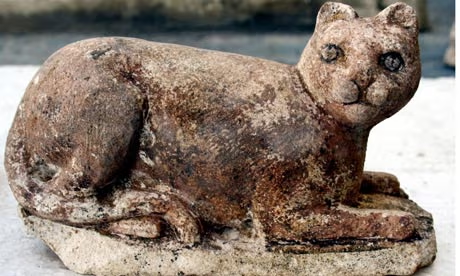
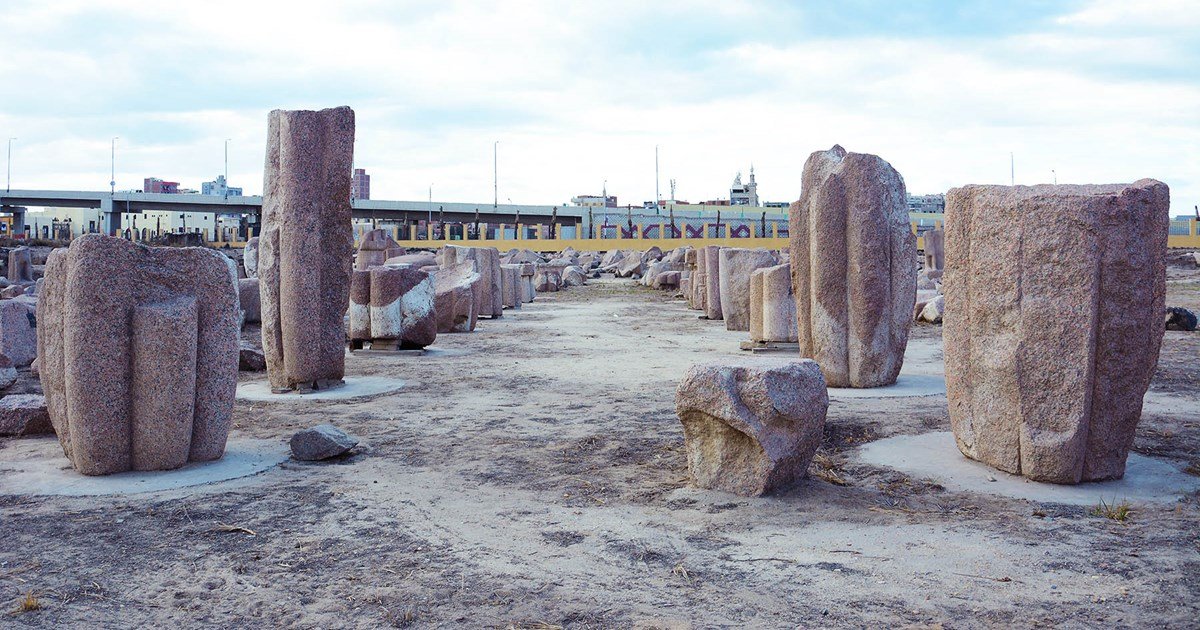
Tell Basta (Bubastis)

Tell Basta, also known by its ancient name Bubastis, is one of Egypt's most significant archaeological and religious sites. Located near the modern city of Zagazig in the Sharqia Governorate, the site was once the capital of the 18th nome of Lower Egypt. Tell Basta is renowned as the principal cult center of the feline goddess Bastet. The city reached its peak during the Third Intermediate Period, especially under the 22nd Dynasty. With its blend of political power and religious reverence, Tell Basta played a vital role in shaping Egypt's northern region. The ancient city flourished due to its strategic location in the Nile Delta and was once a bustling metropolis visited by pilgrims and traders. The remains found at Tell Basta, including temples, statues, inscriptions, and cat cemeteries, speak to a rich history that spans millennia. For both historians and tourists, the site offers an unmatched window into Egypt's religious life and architectural legacy.

The Goddess Bastet

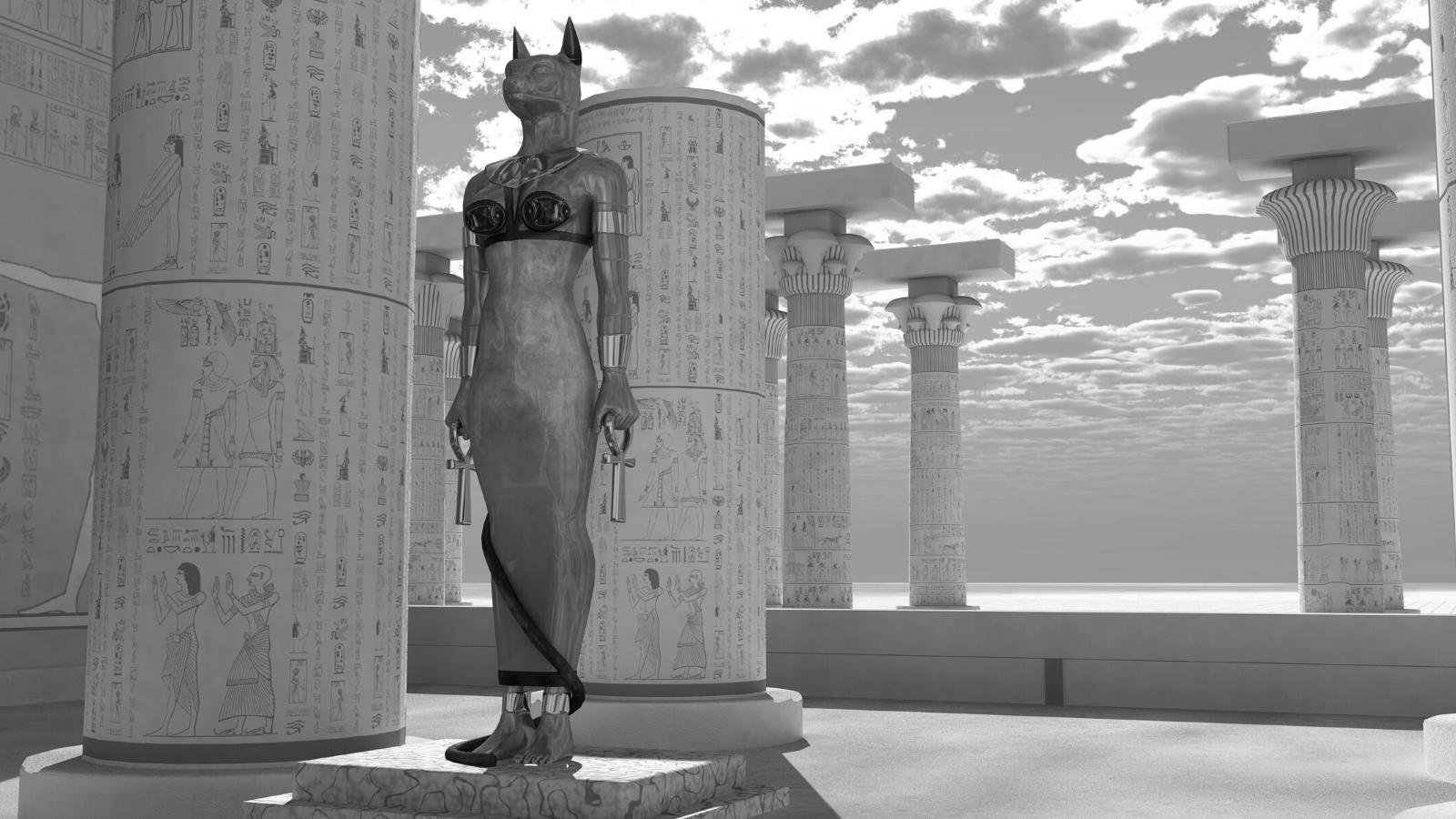
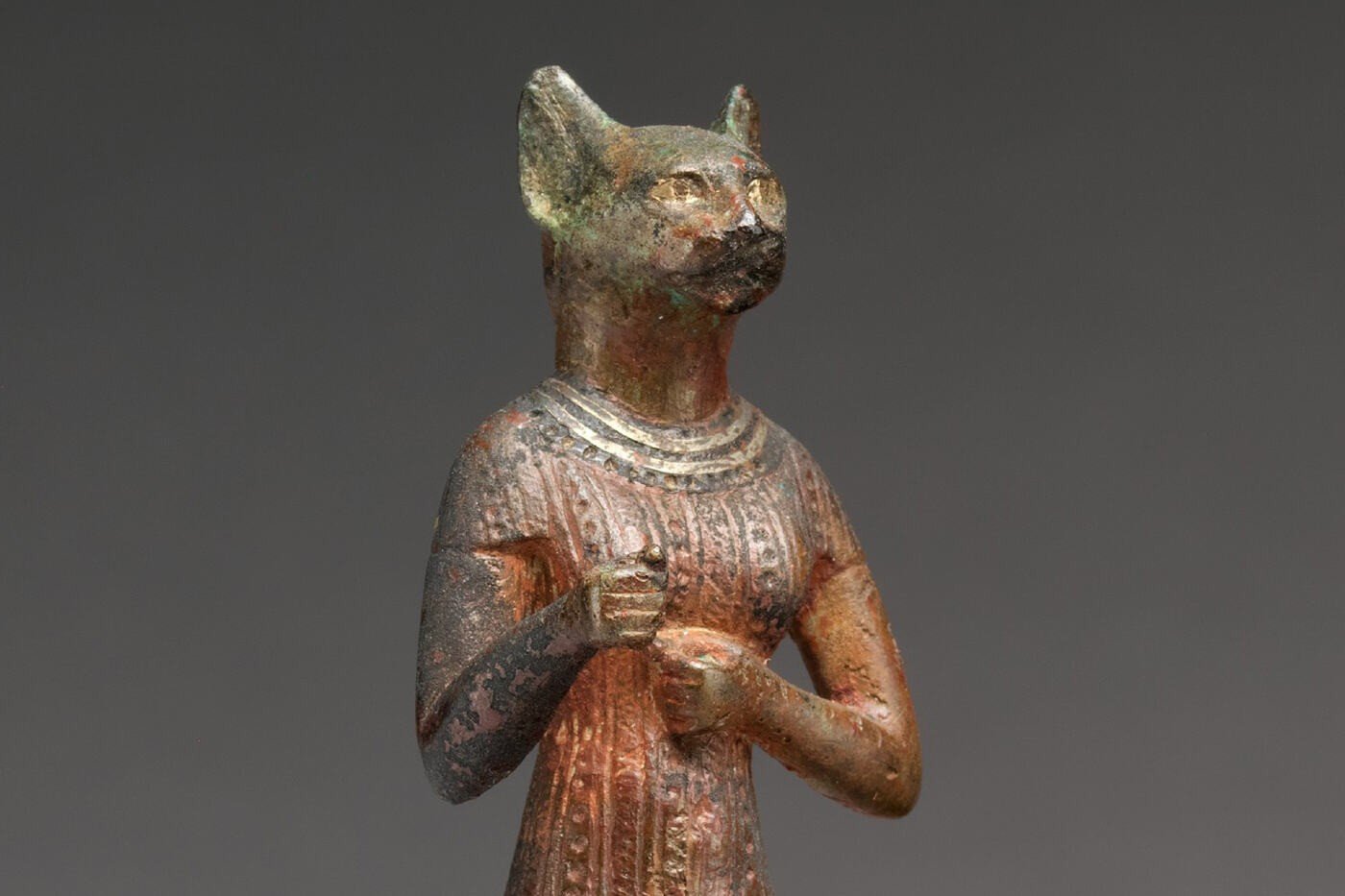
Feline Deity of Protection and Joy Central to Tell Basta's fame is the goddess Bastet, depicted as a lioness or domestic cat. Originally worshipped as a fierce lioness goddess of war, Bastet evolved over centuries into a gentler, protective deity associated with motherhood, home, joy, music, and fertility. Bastet was considered a guardian against evil spirits and disease, especially those targeting women and children. Her dual nature—both fierce and nurturing—made her worship widespread among commoners and royals alike. At Bubastis, her temple became a major pilgrimage site, drawing thousands of devotees who brought offerings, particularly mummified cats. These sacred felines were believed to carry prayers to the goddess. Festivals dedicated to Bastet, as recorded by Herodotus, were grand affairs with music, dancing, and river processions. Through Bastet, Tell Basta became a spiritual center that emphasized personal piety, healing, and celebration of life. Her worship reflects the complex duality of ancient Egyptian deities and the deep cultural significance of animals, especially cats.

The Temple of Bastet

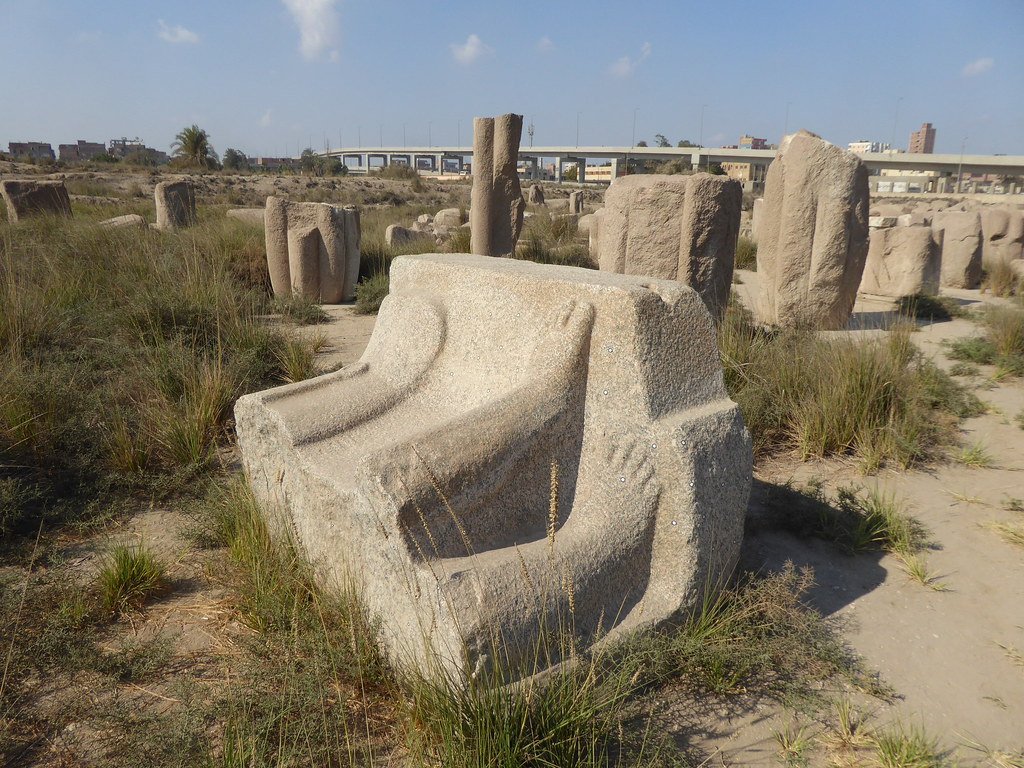
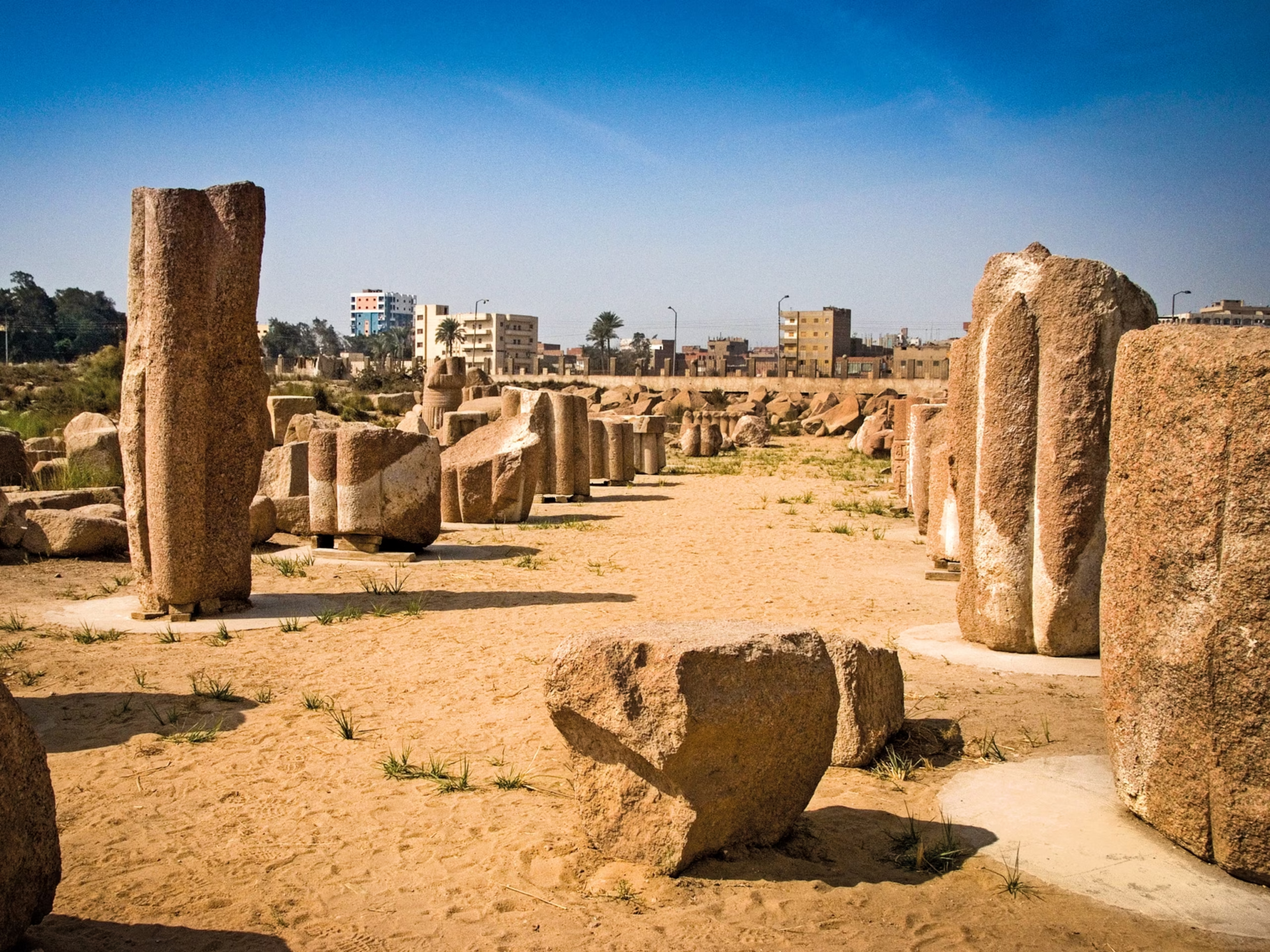
A Center of Pilgrimage and Worship The Temple of Bastet in Tell Basta was one of the most revered and visited sanctuaries in ancient Egypt. Built primarily from red granite, the temple was a marvel of architecture and religious artistry. It featured grand courtyards, towering columns, and halls adorned with statues of Bastet and her sacred cats. Pilgrims from across Egypt and even beyond would journey to Bubastis to pay homage, make offerings, and seek blessings. Herodotus, the Greek historian, visited Bubastis and described the temple as one of the most beautiful in all of Egypt. According to his accounts, during the festivals, over 700,000 people gathered at the temple for music, dancing, and joyous celebration. The temple was not just a religious center but also a hub for social and economic activity, with vendors, artisans, and priests all contributing to its vibrancy. The presence of cat cemeteries around the temple confirms the significance of feline worship, and excavations have unearthed thousands of mummified cats buried with care and ritual.

Historical Importance During the 22nd Dynasty

Tell Basta rose to national prominence during the 22nd Dynasty when it became the capital of Egypt under King Shoshenq I, a Libyan-origin ruler who established the Bubastite dynasty. This period marked a significant shift in Egypt's political landscape, as power transitioned from traditional Theban dominance to the Delta region. As the new capital, Bubastis saw a surge in architectural development, administrative control, and military importance. King Shoshenq I, who is believed to be referenced in the Bible as Shishak, expanded Egypt's influence into the Levant and undertook significant building projects at Bubastis, including enhancements to the Temple of Bastet. The city's selection as a royal seat highlighted its strategic importance, being centrally located in the fertile and densely populated Delta. It became a symbol of both Libyan integration and Egyptian continuity. Artifacts and inscriptions from this era demonstrate a blend of Libyan and Egyptian art styles and religious practices, making Tell Basta a crucial site for understanding Egypt's multicultural evolution during the Third Intermediate Period.

Archaeological Discoveries and Excavations

Tell Basta has been a treasure trove for archaeologists, yielding numerous discoveries that provide insights into Egypt's dynastic and religious history. Excavations began in the 19th century and have continued intermittently ever since. Among the most significant finds are the remains of the Temple of Bastet, statues of Pharaohs and deities, stelae with hieroglyphic inscriptions, and vast necropolises filled with mummified cats and other animals. These finds reveal the scale and complexity of religious practices in ancient Egypt. Archaeologists have also uncovered residential structures, pottery, tools, and amulets, which shed light on the daily lives of the inhabitants. Recent discoveries include a monumental gate from the reign of Ramses II, reaffirming the city’s importance even before the 22nd Dynasty. The diversity and richness of the material culture found at Tell Basta make it an essential site for scholars studying the intersection of religion, politics, and society in ancient Egypt. Conservation efforts continue to preserve the site for both academic study and tourism

Festivals and Pilgrimages in Ancient Bubastis

One of the most captivating aspects of Tell Basta was its grand festivals held in honor of Bastet. These events were among the most spectacular in ancient Egypt, drawing worshippers by the hundreds of thousands. As described by Herodotus, pilgrims would arrive by boat, singing and dancing during their journey to the temple. Once at Bubastis, the festivities included music, intoxication, elaborate rituals, and public offerings. Women played a prominent role in these celebrations, highlighting Bastet’s association with femininity and motherhood. The festivals were not just religious events but also social gatherings that strengthened community bonds and economic exchange. Temporary markets sprang up around the temple, where merchants sold food, trinkets, perfumes, and religious artifacts. The scale of these festivals and the diversity of attendees underline Bubastis’s role as a national religious center. These pilgrimages also demonstrate the deeply personal and emotional nature of ancient Egyptian worship, where joy, celebration, and devotion were intimately intertwined.

Bubastis in Greco-Roman and Biblical Texts

Tell Basta, known to the Greeks as Bubastis, held a prominent place in classical and biblical literature. Herodotus, in his famous work "Histories," praised the city’s grandeur and described the festivals of Bastet as the most joyful in all of Egypt. Greek interest in Bubastis reflected a wider fascination with Egyptian religion and customs. The city also finds a place in the Bible under the name Pi-Beseth, mentioned in Ezekiel 30:17 as a city that would fall during a divine judgment. These references underline the city’s wide-reaching cultural and religious influence. During the Ptolemaic and Roman periods, Bubastis retained religious significance, although it gradually declined in political importance. Coins, inscriptions, and Roman-era structures found at the site attest to its continued occupation. The blending of Egyptian and Greco-Roman religious practices at Bubastis offers a unique example of cultural synthesis and the enduring legacy of ancient deities in a changing world.

The Role of Cats in Ancient Egyptian Religion

Cats held a special place in Egyptian culture, and no city celebrated them more than Tell Basta. Revered as sacred animals of Bastet, cats were symbols of grace, protection, and domestic harmony. Killing a cat, even accidentally, was considered a grave crime. In Bubastis, people raised cats in their homes as both companions and living icons of the goddess. Temples kept sanctuaries for cats, and upon their death, the animals were mummified and buried in elaborate rituals. These cat cemeteries, found extensively around the Temple of Bastet, reveal the depth of feline worship. Amulets, statues, and paintings of cats were also common household items. The prominence of cats in religious and domestic life shows the unique intersection between daily existence and divine worship in ancient Egypt. Tell Basta, through its devotion to Bastet and her feline symbols, offers profound insight into the spiritual and emotional world of the ancient Egyptians.

Visiting Tell Basta Today

A Journey Through History Modern-day Tell Basta offers visitors a chance to walk through the remnants of a once-majestic city that played a vital role in Egypt's religious and political history. Though many of the original structures lie in ruins, significant portions of the Temple of Bastet, statues, and inscriptions remain visible. The site includes a small open-air museum where key artifacts are displayed. Located near Zagazig, Tell Basta is easily accessible for day trips from Cairo. Recent archaeological efforts and local interest are gradually restoring and preserving the site for future generations. Visitors can explore the ancient ruins, learn about Bastet's cult, and witness firsthand the depth of feline reverence in Egypt’s past. The site also provides an excellent opportunity for students, historians, and travelers to connect with Egypt's multifaceted heritage beyond the more commonly visited pyramids and temples. Tell Basta stands as a testament to the enduring power of faith, culture, and community in the ancient world.

Seraphinite AcceleratorOptimized by Seraphinite Accelerator
Turns on site high speed to be attractive for people and search engines.