

- Excursions in Egypt
- Egypt Tour Packages
- Cairo Tours and Excursions
- Hurghada Tours and Excursions
- Soma Bay Tours and Excursions
- Makadi Bay Tours and Excursions
- Sahl Hasheesh Tours and Excursions
- El Gouna Tours and Excursions
- Marsa Alam Tours and Excursions
- Port Ghalib Tours and Excursions
- El Quseir Tours and Excursions
- Dendera and Abydos Day Tours
- Aswan Tours and Excursions
- Luxor Tours and Excursions
- Sharm El Sheikh Tours and Excursions
- Top Rated Egypt Tours in 2026
- Optional Excursions in Egypt
- Private Transfer
- Blogs About egypt
- Ancient Egypt
- Historical Sites in Egypt
- Cairo
- Alexandria
- Luxor
- Aswan
- The Red Sea
- Dendera Temple
- El Fayoum Oasis
- Bahariya Oasis
- Siwa Oasis
- Al Alamein
- Marsa Matruh
- Why Egypt Is One of the Safest Countries to Visit in the Middle East
- What You Need To know Before Your First Trip To Egypt
- Egypt Travel Costs in 2026 Full Budget Guide
- Top 10 Tourist Activities in Egypt
- Top 50 Activities You Can’t Miss in Egypt in 2026
- The Guide to Guided Tours in Egypt
- Egypt’s Ancient and Modern History
- The Nile River
- The Deserts of Egypt
- Ancient Egyptian gods
- famous Egyptian dishes
- UNESCO World Heritage sites
- About Us
- Egypt Hotels and Resorts
- Excursions in Egypt
- Egypt Tour Packages
- Cairo Tours and Excursions
- Hurghada Tours and Excursions
- Soma Bay Tours and Excursions
- Makadi Bay Tours and Excursions
- Sahl Hasheesh Tours and Excursions
- El Gouna Tours and Excursions
- Marsa Alam Tours and Excursions
- Port Ghalib Tours and Excursions
- El Quseir Tours and Excursions
- Dendera and Abydos Day Tours
- Aswan Tours and Excursions
- Luxor Tours and Excursions
- Sharm El Sheikh Tours and Excursions
- Top Rated Egypt Tours in 2026
- Optional Excursions in Egypt
- Private Transfer
- Blogs About egypt
- Ancient Egypt
- Historical Sites in Egypt
- Cairo
- Alexandria
- Luxor
- Aswan
- The Red Sea
- Dendera Temple
- El Fayoum Oasis
- Bahariya Oasis
- Siwa Oasis
- Al Alamein
- Marsa Matruh
- Why Egypt Is One of the Safest Countries to Visit in the Middle East
- What You Need To know Before Your First Trip To Egypt
- Egypt Travel Costs in 2026 Full Budget Guide
- Top 10 Tourist Activities in Egypt
- Top 50 Activities You Can’t Miss in Egypt in 2026
- The Guide to Guided Tours in Egypt
- Egypt’s Ancient and Modern History
- The Nile River
- The Deserts of Egypt
- Ancient Egyptian gods
- famous Egyptian dishes
- UNESCO World Heritage sites
- About Us
- Egypt Hotels and Resorts
Welcome to
Ancient Egyptian Medicine: The Dawn of Healing, Surgery, and Empirical Science
To wander through the majestic, columned halls of Egypt’s ancient temples or to look upon the perfectly preserved features of a pharaoh’s mummy is to come face-to-face with a civilization that possessed a profound, almost miraculous understanding of the human body. Long before the celebrated Greek physician Hippocrates was ever born, and millennia before the foundations of modern medical science were laid in Europe, the brilliant healers of the Nile Valley had already constructed a highly sophisticated, deeply organized, and internationally renowned system of medicine. For the ancient Egyptians, the human body was not merely a physical machine, but a sacred vessel intricately connected to the cosmic forces of the universe, the seasonal rhythms of the Nile, and the divine will of the gods. Consequently, their approach to healing was a fascinating, dualistic masterpiece: it perfectly fused empirical, rational scientific observation with deeply rooted spiritual rituals, magic, and divine invocations. To an ancient Egyptian, a tumor, a broken bone, or a burning fever could be caused by a tangible physical accident, but it could also be the work of an invisible malevolent spirit or a divine warning. By unlocking the secrets of anatomy through their unique cultural practice of mummification, utilizing hundreds of natural botanical remedies, and engineering precise surgical instruments, these ancient doctors became the ultimate pioneers of healthcare. For the modern traveler exploring Egypt today, diving into the world of pharaonic medicine offers an unforgettable journey into the rational minds of these ancient people, revealing a legacy of compassion, intellectual curiosity, and clinical genius that laid the literal groundwork for the global history of healing.
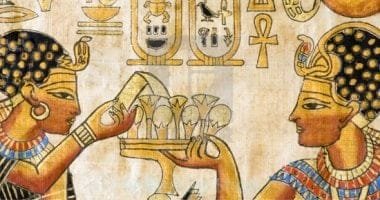
1. Dualistic Healing: The Synthesis of Science and Sacred Magic
For a modern traveler visiting the ancient temple complexes along the Nile, understanding the foundational philosophy of pharaonic medicine is a truly mind-bending experience. The ancient Egyptians did not separate science from spirituality; instead, they viewed them as two perfectly complementary sides of the exact same coin. Their approach to healing was beautifully dualistic, seamlessly blending empirical, rational medical observation with sacred magic and divine invocation. When an individual fell ill, they would often consult two different types of specialists simultaneously: the Swnw (the secular, practical physician) and the Sau (the magical healer or priest). The Egyptians believed that while a disease could have a tangible, physical cause—such as bad food or a physical injury—the underlying vulnerability might have been triggered by a malevolent spirit, an angry ancestor, or a divine warning from the gods. Therefore, a medical treatment almost always involved a rational physical remedy, such as an herbal ointment, accompanied by the recitation of a powerful magical spell to drive the invisible evil forces out of the patient’s body, creating a holistic healthcare system that treated both the physical form and the eternal soul.
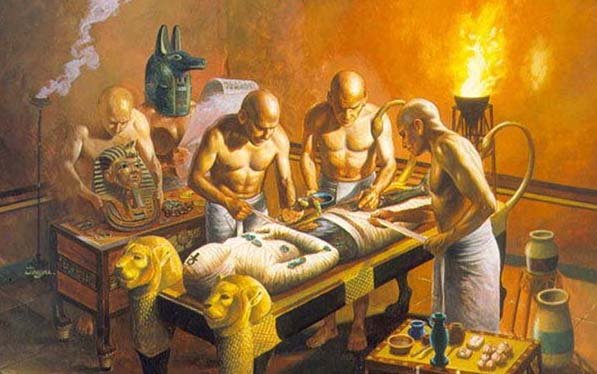
2. Anatomical Pioneers: How Mummification Unlocked the Human Body
While other ancient civilizations feared touching the dead and remained completely ignorant of internal human anatomy, the ancient Egyptians possessed a unique, unprecedented advantage: the sacred practice of mummification. Although the secular physicians (Swnw) were completely distinct from the religious embalmers, living in the same society meant that doctors had access to an immense wealth of anatomical knowledge that was entirely unmatched in the ancient world. Through centuries of meticulously opening the human body, removing internal organs, and treating tissues with natron salt, the Egyptians became the world's very first true anatomists. They were the first to recognize, identify, and name major internal organs such as the liver, lungs, kidneys, spleen, and stomach. Furthermore, they possessed a basic understanding of the cardiovascular system; they knew that the heart was the central organ of the body and that it was connected to a vast network of vessels, which they called Metu. They actively practiced taking a patient's pulse at various points of the body, recognizing that the rhythmic beating of the heart spoke directly through the vessels to the physician's fingers.
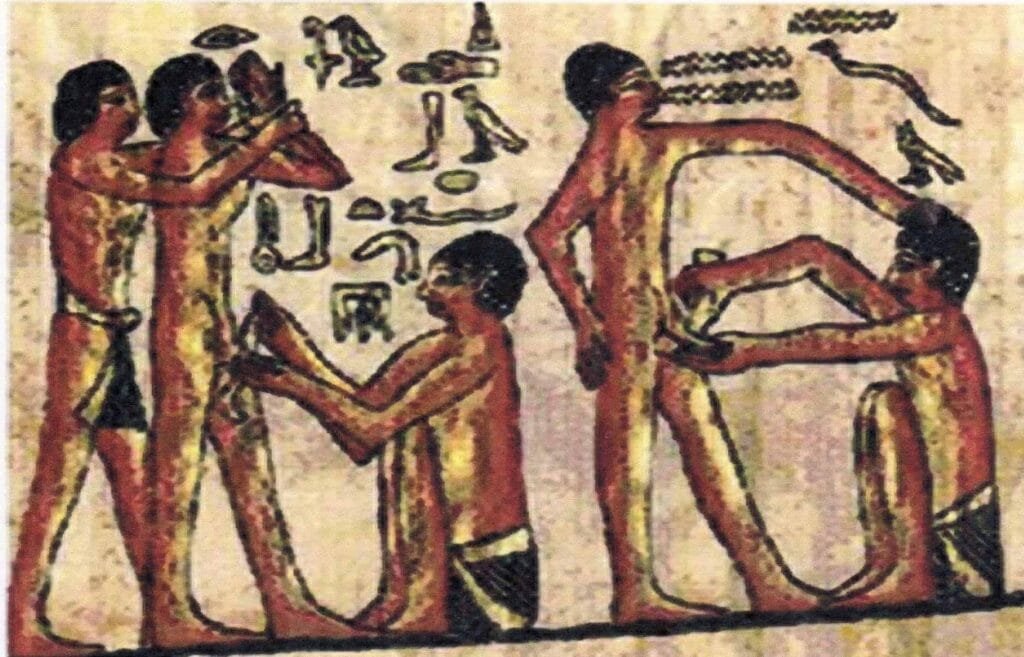
3. The Edwin Smith Papyrus: The World's First Rational Surgical Manual
For tourists exploring the history of science, nothing symbolizes the brilliant, rational mind of the ancient Egyptians quite like the legendary Edwin Smith Papyrus. Dating back to the New Kingdom (around 1600 BCE) but based on texts written much earlier during the Pyramid Age, this extraordinary artifact is universally recognized as the world’s very first rational, scientific trauma manual. Unlike other ancient texts that relied heavily on magic, the Edwin Smith Papyrus is purely clinical, objective, and empirical. It systematically details 48 distinct, real-world medical cases, focusing primarily on severe traumatic injuries such as fractures, dislocations, tumors, and deep wounds sustained by battlefield soldiers or royal construction workers. Each case is organized with breathtaking modern precision: it begins with a clear title, followed by a thorough physical examination, a rational diagnosis, a clear prognosis (whether the ailment is treatable, contestable, or untreatable), and a practical treatment plan. This groundbreaking document proves that thousands of years ago, Egyptian surgeons were systematically analyzing the human body using the exact same logical steps that form the backbone of modern clinical medicine today.
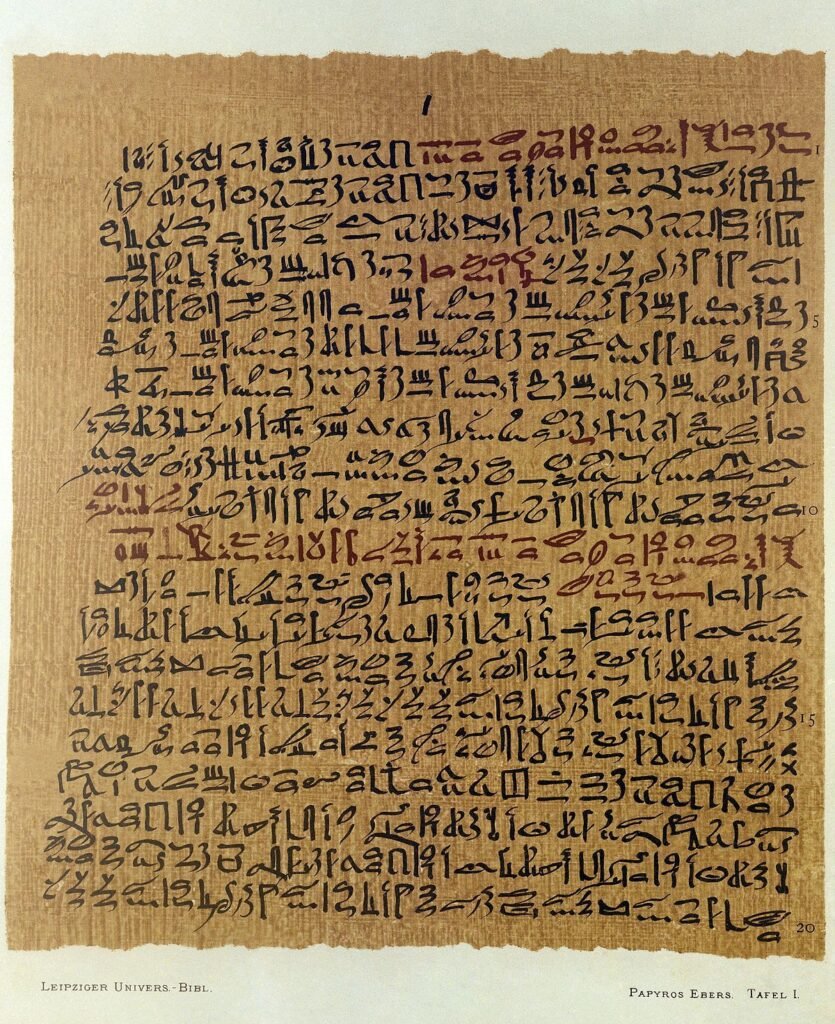
4. The Ebers Papyrus: The Ultimate Encyclopedia of Ancient Pharmacology
For a tourist interested in the natural origins of modern medicine, a study of the famous Ebers Papyrus is absolutely captivating. Measuring over twenty meters in length and dating back to around 1550 BCE, this monumental medical scroll serves as the ultimate comprehensive encyclopedia of pharaonic pharmacology and internal medicine. The document contains over 800 distinct recipes, prescriptions, and remedies designed to treat a vast array of ailments, ranging from digestive disorders, eye cataracts, and skin diseases to dental cavities, asthma, and parasitic infections. What truly mystifies modern scientists is the incredible efficacy of the ingredients used by these ancient pharmacists. They utilized a massive botanical and mineral pharmacopeia, blending natural substances like honey, garlic, mint, frankincense, aloe vera, castor oil, willow bark, and copper salts. Modern chemical analysis has proven that many of these choices were brilliant; willow bark contains salicylic acid—the active ingredient in modern aspirin—which the Egyptians used to reduce pain and fever, while honey acts as a powerful natural antibiotic and anti-inflammatory agent that successfully prevented infections in open wounds.
5. Surgical Sophistication: Copper Scalpels and Trepanation Instruments
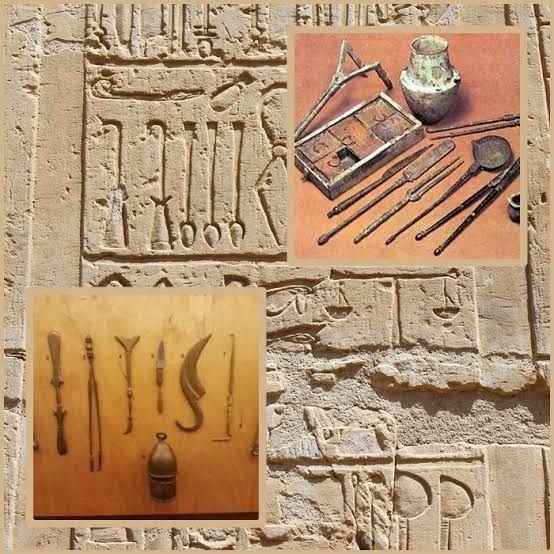
When modern travelers visit the Temple of Kom Ombo in Upper Egypt, they are often drawn to a fascinating, world-famous relief carved onto the outer corridor walls. This unique image depicts a sophisticated collection of medical and surgical instruments that look astonishingly similar to those used in modern hospitals today. Ancient Egyptian surgeons were highly skilled practitioners who routinely performed complex physical operations with immense confidence. Equipped with scalpels forged from copper or bronze, specialized forceps, surgical needles, bone saws, hooks, and probes, they treated a wide variety of external traumas. They excelled at setting fractured bones using splints made of wood or linen padded with bark, lancing painful abscesses, cauterizing bleeding blood vessels to prevent hemorrhaging, and removing external tumors. There is even compelling archaeological evidence from recovered skulls showing that Egyptian surgeons successfully performed trepanation—the highly delicate process of drilling a hole into the human skull to relieve intracranial pressure from head injuries—with patients frequently surviving and healing after the operation.
6. Divine Specialists: The World’s First Organized Healthcare Hierarchy
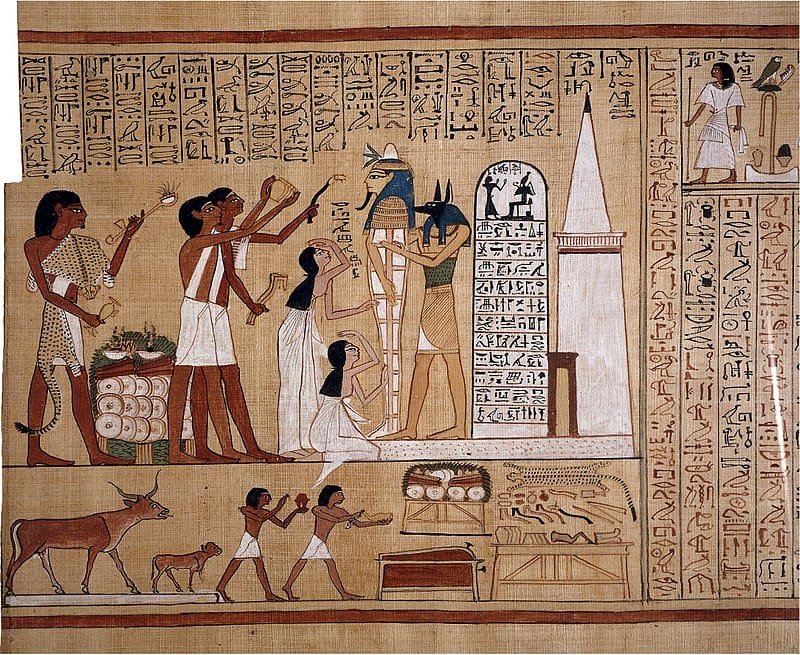
Long before modern medicine introduced the concept of specialized physicians, the ancient Egyptians had already developed a highly structured, meticulously organized healthcare hierarchy. The Greek historian Herodotus noted with immense fascination that the Nile Valley was absolutely filled with doctors, explaining that "each physician treats just one disease and no more; some are eye-doctors, some for the teeth, some for the stomach, and some for internal illnesses." At the absolute base of this professional pyramid were the local community doctors, known as Swnw, who treated everyday citizens. Above them were the "Overseers of Physicians" and the "Chief Physicians," leading all the way up to the elite medical officers who cared exclusively for the royal court and the pharaoh. Additionally, medicine was heavily integrated with the temples; for instance, the priests of the lioness goddess Sekhmet were renowned as the country's top veterinarians and public health inspectors, while the legendary architect Imhotep was deified as the god of medicine, creating a highly sophisticated national network of healthcare professionals.
7. Public Health and Hygiene: Prevention as the First Line of Defense
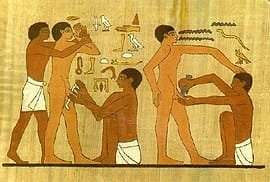
For a tourist exploring the remains of ancient Egyptian worker villages, like Deir el-Medina, it becomes quickly apparent that the pharaohs understood a fundamental rule of modern medicine: prevention is far better than cure. The ancient Egyptians were deeply obsessed with personal hygiene and cleanliness, viewing it as both a physical necessity and a profound spiritual duty. Doctors and priests actively promoted a lifestyle of strict daily sanitation. Everyday citizens bathed multiple times a day in the fresh waters of the Nile, washed their hands before and after meals, and used a natural mineral salt called natron to scrub their skin and preserve oral health. Deir el-Medina's records show that the state provided regular medical checkups for the royal tomb builders, and workers were granted paid medical sick leave if they were injured or too ill to work. Furthermore, the consumption of stale food or contaminated water was heavily discouraged, and the widespread practice of shaving the head and using scented oils was engineered as a highly effective public health measure to completely eliminate the spread of body lice and parasitic infections in the hot desert climate.
8. Women in Medicine: The Prestigious Legacy of Female Healers
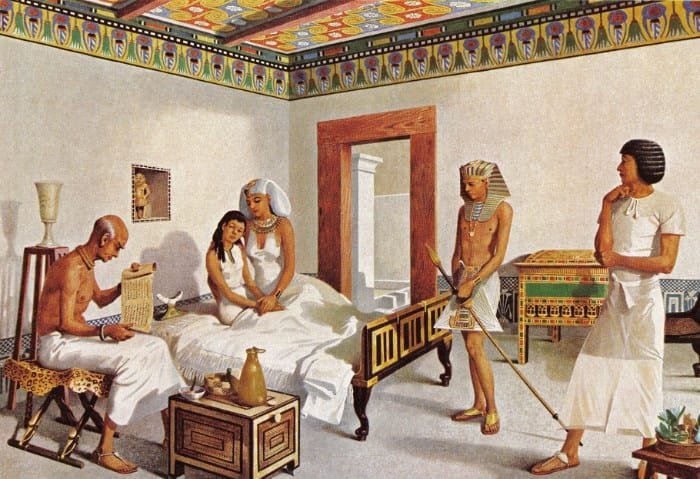
While many ancient global civilizations completely excluded women from intellectual and professional spheres, ancient Egypt stood out as a remarkably progressive society where women could achieve the absolute highest ranks in the medical profession. The most legendary historical figure representing this progressive mindset is Merit-Ptah, who lived during the Early Dynastic Period and is universally celebrated as the world's very first named female physician and scientist in written history. Another extraordinary woman, Peseshet, held the prestigious title of "Overseer of Female Physicians" during the Old Kingdom, proving that women were not only actively practicing medicine but were leading entire medical departments. Female doctors in Egypt were highly respected and specialized predominantly in gynecology, obstetrics, and pediatrics. They managed complex childbirths, designed early pregnancy tests using barley and emmer wheat seeds, and formulated natural pain-relief remedies for labor, ensuring that women's healthcare was managed with a high degree of dignity, expertise, and scientific sophistication that was entirely unmatched anywhere else in the ancient world.
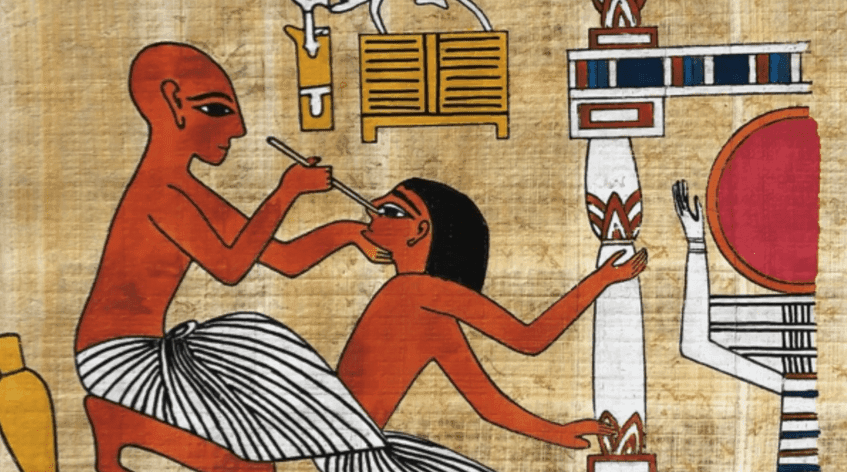
9. Dental Realities: The Battle Against Desert Sand and Cavities
When modern tourists look at the beautifully sculpted faces of pharaonic statues, they imagine the Egyptians had perfect, pristine smiles. However, archaeological examinations of recovered mummies reveal that dental health was one of the greatest physical challenges faced by the people of the Nile. The primary culprit was not sugar, but the harsh desert environment itself. Because the Egyptians ground their grain using heavy stone millstones, a large amount of fine quartz dust and windblown desert sand routinely mixed into their daily bread. Eating this abrasive bread over a lifetime completely wore down the protective tooth enamel, exposing the highly sensitive pulp and leading to severe dental abscesses, cavities, and painful gum diseases. To combat this widespread agony, specialized ancient Egyptian dentists—led by the famous Chief Dentist Hesyre, who lived during the reign of King Djoser—developed advanced dental procedures. They formulated herbal toothpastes made of crushed mint, rock salt, pepper, and dried iris flowers, drained painful jaw abscesses, and used fine gold wire to skillfully bind and stabilize loose teeth, pioneering the early foundations of dental surgery.
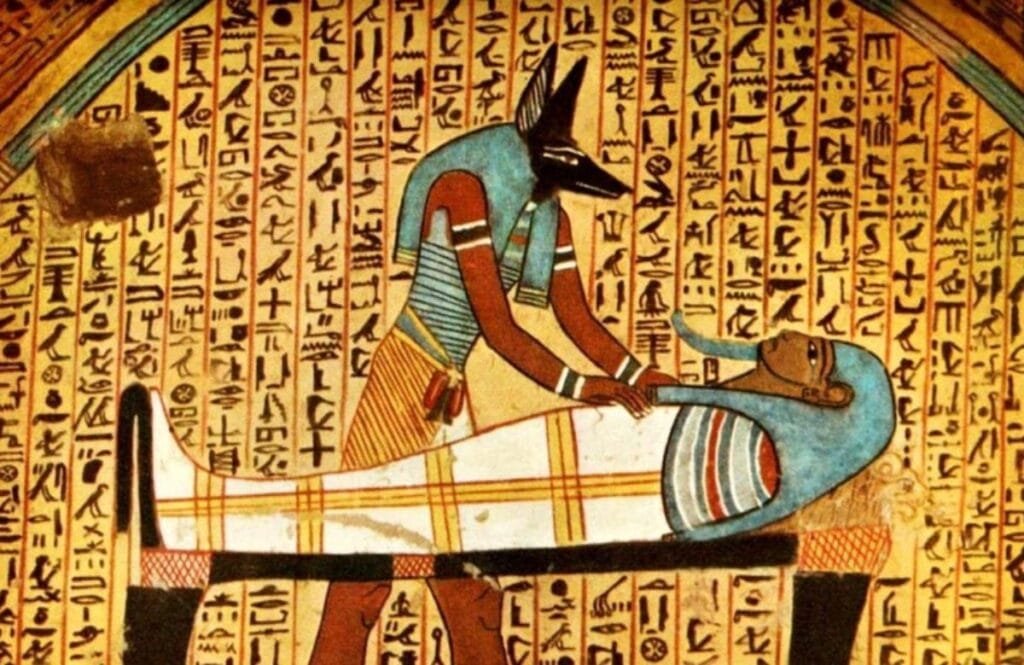
10. Ophthalmology in the Sun: The Battle Against Eye Diseases
For any traveler who has experienced the brilliant, piercing glare of the Egyptian sun bouncing off the golden desert sands, it is easy to understand why eye diseases were a major health crisis in the ancient Nile Valley. Trachoma, cataracts, and severe eye infections caused by blowing desert dust, seasonal flies, and intense solar radiation were incredibly common among all social classes. To combat this, ancient Egyptian ophthalmologists became the most highly sought-after eye specialists in the ancient Near East, so famous that foreign emperors—including Cyrus the Great of Persia—frequently sent royal embassies to Egypt just to request the services of an Egyptian eye doctor. These specialists formulated advanced collyriums and eye drops using natural ingredients like mineral malachite, crushed lapis lazuli, and celery seeds. They also heavily promoted the daily application of Kohl—the famous black eyeliner worn by both men and women. Far from being just a cosmetic fashion statement, Kohl was a brilliant medical invention; made from lead-based galena and copper ores, it acted as a powerful natural shield that repelled harmful flies, absorbed solar glare, and provided active antimicrobial protection against blinding desert infections.
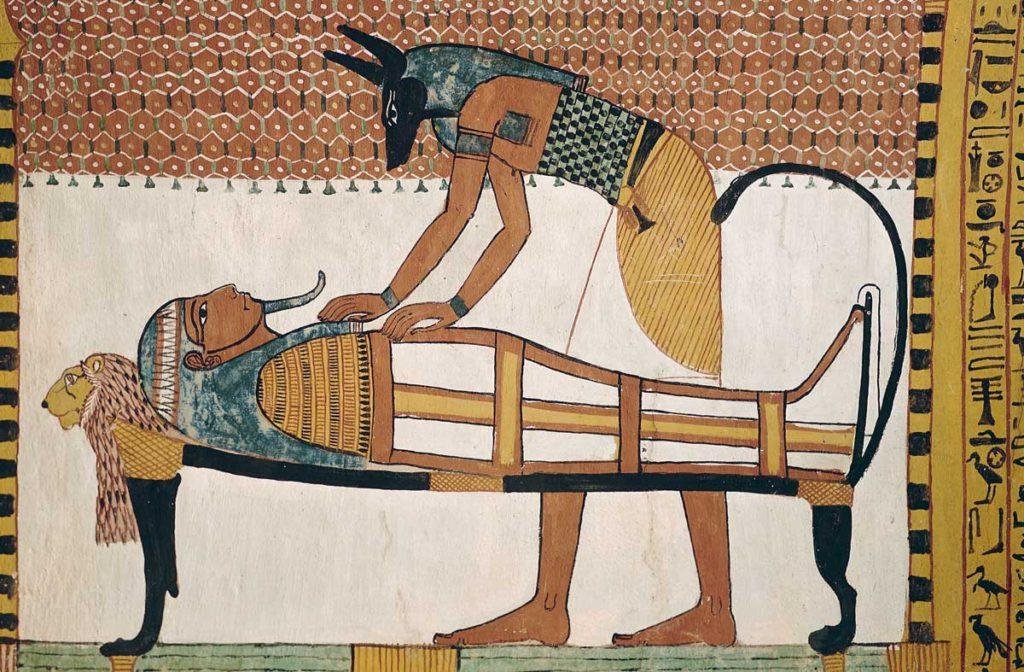
11. Prosthetic Pioneers: The World's First Bio-Mechanical Engineering
When modern tourists visit museums housing ancient Egyptian artifacts, they are often stunned to discover that the pharaohs' doctors were not just masters of medicine and surgery, but were also the world's very first bio-mechanical engineers. Because the Egyptians believed that keeping the physical body perfectly whole and intact was absolutely vital for a successful resurrection in the afterlife, doctors refused to abandon patients who suffered from traumatic amputations due to accidents or warfare. Instead, they designed highly sophisticated, functional prosthetic body parts. The most spectacular example of this genius is the "Cairo Toe"—a beautifully engineered prosthetic right big toe made of wood and molded leather, discovered on the mummy of a noblewoman dating back nearly 3,000 years. Unlike decorative prosthetics found in other cultures, modern biomechanical testing has proven that this ancient Egyptian toe was explicitly designed to mimic natural movement. It featured a flexible hinge, a perfectly balanced structure, and custom leather straps that allowed the patient to walk comfortably, with normal balance, in traditional Egyptian sandals, representing a triumph of medical compassion and technical innovation.
12. The Immortal Legacy: How Pharaonic Medicine Shaped the Modern World
As modern travelers conclude their journey through the awe-inspiring ruins of Egypt, standing before the magnificent monuments of light and stone, they leave with a deep appreciation for the brilliant minds that once cared for the people of this ancient land. The medical legacy of ancient Egypt did not vanish with the decline of the pharaohs; it flowed directly into the classical world, heavily inspiring Greek, Roman, and Islamic medical traditions. Great thinkers like Galen and Hippocrates actively studied Egyptian medical papyri and praised the clinics of Alexandria as the ultimate world centers of anatomical wisdom. Many of our modern healthcare concepts—including specialized fields of medicine, the taking of a patient's pulse, the systematic clinical analysis of injuries, and even the use of natural substances like willow bark for pain relief—find their true roots in the fertile soil of the Nile Valley. The doctors of ancient Egypt proved that healing is an art requiring equal measures of rational science, practical innovation, and deep human empathy, carving a legacy of clinical excellence that continues to protect and inspire humanity thousands of years later.