

- Excursions in Egypt
- Egypt Tour Packages
- Cairo Tours and Excursions
- Hurghada Tours and Excursions
- Soma Bay Tours and Excursions
- Makadi Bay Tours and Excursions
- Sahl Hasheesh Tours and Excursions
- El Gouna Tours and Excursions
- Marsa Alam Tours and Excursions
- Port Ghalib Tours and Excursions
- El Quseir Tours and Excursions
- Dendera and Abydos Day Tours
- Aswan Tours and Excursions
- Luxor Tours and Excursions
- Sharm El Sheikh Tours and Excursions
- Top Rated Egypt Tours in 2026
- Optional Excursions in Egypt
- Private Transfer
- Blogs About egypt
- Ancient Egypt
- Historical Sites in Egypt
- Cairo
- Alexandria
- Luxor
- Aswan
- The Red Sea
- Dendera Temple
- El Fayoum Oasis
- Bahariya Oasis
- Siwa Oasis
- Al Alamein
- Marsa Matruh
- Why Egypt Is One of the Safest Countries to Visit in the Middle East
- What You Need To know Before Your First Trip To Egypt
- Egypt Travel Costs in 2026 Full Budget Guide
- Top 10 Tourist Activities in Egypt
- Top 50 Activities You Can’t Miss in Egypt in 2026
- The Guide to Guided Tours in Egypt
- Egypt’s Ancient and Modern History
- The Nile River
- The Deserts of Egypt
- Ancient Egyptian gods
- famous Egyptian dishes
- UNESCO World Heritage sites
- About Us
- Egypt Hotels and Resorts
- Excursions in Egypt
- Egypt Tour Packages
- Cairo Tours and Excursions
- Hurghada Tours and Excursions
- Soma Bay Tours and Excursions
- Makadi Bay Tours and Excursions
- Sahl Hasheesh Tours and Excursions
- El Gouna Tours and Excursions
- Marsa Alam Tours and Excursions
- Port Ghalib Tours and Excursions
- El Quseir Tours and Excursions
- Dendera and Abydos Day Tours
- Aswan Tours and Excursions
- Luxor Tours and Excursions
- Sharm El Sheikh Tours and Excursions
- Top Rated Egypt Tours in 2026
- Optional Excursions in Egypt
- Private Transfer
- Blogs About egypt
- Ancient Egypt
- Historical Sites in Egypt
- Cairo
- Alexandria
- Luxor
- Aswan
- The Red Sea
- Dendera Temple
- El Fayoum Oasis
- Bahariya Oasis
- Siwa Oasis
- Al Alamein
- Marsa Matruh
- Why Egypt Is One of the Safest Countries to Visit in the Middle East
- What You Need To know Before Your First Trip To Egypt
- Egypt Travel Costs in 2026 Full Budget Guide
- Top 10 Tourist Activities in Egypt
- Top 50 Activities You Can’t Miss in Egypt in 2026
- The Guide to Guided Tours in Egypt
- Egypt’s Ancient and Modern History
- The Nile River
- The Deserts of Egypt
- Ancient Egyptian gods
- famous Egyptian dishes
- UNESCO World Heritage sites
- About Us
- Egypt Hotels and Resorts
Welcome to
Ancient Egyptian Gardens: Beauty, Agriculture, and Sacred Landscapes Along the Nile
Ancient Egyptian gardens were far more than simple collections of plants. They were symbols of wealth, status, spirituality, and harmony with nature. In a land dominated by deserts and dependent on the life-giving waters of the Nile River, gardens represented fertility, abundance, and the triumph of order over chaos. From the lush palace gardens of pharaohs and nobles to the sacred temple gardens dedicated to the gods, these carefully designed green spaces played a vital role in Egyptian daily life, religion, agriculture, and art.
Ancient Egyptians were master gardeners who developed sophisticated irrigation systems to cultivate trees, flowers, fruits, vegetables, and medicinal plants in one of the world’s most challenging environments. Their gardens provided food, shade, beauty, perfume, medicine, and religious offerings while also serving as peaceful retreats from the heat of the Egyptian sun. Tomb paintings, archaeological discoveries, and ancient texts reveal that Egyptian gardens were meticulously planned, often featuring symmetrical layouts, ornamental ponds, rows of trees, colorful flowers, and productive orchards.
The importance of gardens extended beyond practical uses. Many Egyptians viewed gardens as earthly reflections of paradise and associated them with rebirth, eternal life, and divine blessings. Temple gardens supplied sacred plants for rituals, while funerary gardens were designed to sustain the deceased in the afterlife.
This guide explores the fascinating world of Ancient Egyptian gardens, revealing how these remarkable landscapes combined beauty, agriculture, engineering, and spirituality to become an essential part of one of history’s greatest civilizations.
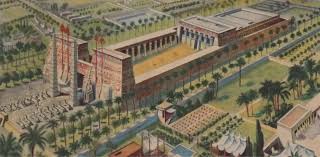
1. The Importance of Gardens in Ancient Egyptian Civilization
Gardens occupied a unique place in Ancient Egyptian society and reflected the civilization's deep connection to nature, agriculture, and religious beliefs. In a country where most of the landscape consisted of arid desert, the creation of lush green gardens symbolized prosperity, life, and human ingenuity. The Nile River made Egyptian civilization possible by providing fertile soil and water for cultivation. While large agricultural fields supplied food for the population, gardens offered a more controlled environment where Egyptians could grow fruits, vegetables, flowers, herbs, and ornamental plants. These spaces enhanced both daily life and religious practices. For wealthy Egyptians, gardens demonstrated social status and economic success. The larger and more elaborate a garden, the greater the prestige of its owner. Palaces, villas, and noble estates often featured extensive gardens filled with rare plants, ornamental ponds, and shaded walkways. Such landscapes provided relaxation, entertainment, and opportunities for hosting guests. Gardens also had significant religious importance. Egyptians believed that nature reflected divine order and that cultivated landscapes symbolized harmony. Temple gardens supplied flowers, fruits, oils, and incense used in rituals and offerings to the gods. Sacred trees and plants were often associated with specific deities and religious ceremonies. Many Egyptians considered gardens representations of paradise. Tomb paintings frequently depict beautiful gardens filled with trees, birds, fish, and water features. These scenes suggest that the deceased hoped to enjoy similar environments in the afterlife. Funerary gardens were often included near tombs to symbolize rebirth and eternal sustenance. The importance of gardens demonstrates how closely Ancient Egyptians connected beauty, agriculture, religion, and daily life. These carefully designed landscapes became powerful symbols of prosperity, spirituality, and civilization itself.
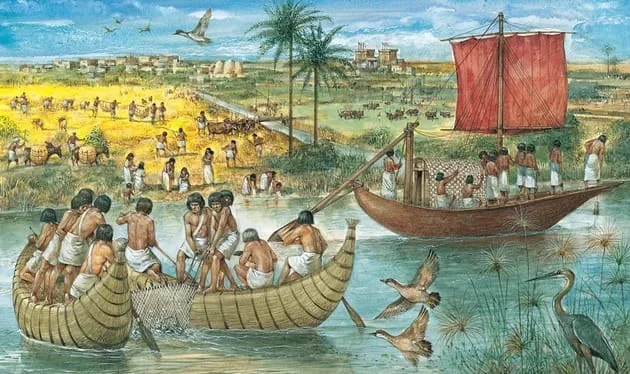
2. How the Nile River Made Ancient Egyptian Gardens Possible
The existence of Ancient Egyptian gardens depended entirely on the Nile River. Without its annual floods and constant supply of fresh water, cultivating lush gardens in the desert environment of Egypt would have been nearly impossible. The Nile transformed Egypt into one of the most fertile regions of the ancient world and provided the foundation for the development of sophisticated gardening traditions. Each year, the Nile flooded its banks, depositing nutrient-rich silt across the surrounding land. This fertile soil created ideal conditions for growing a wide variety of plants. Egyptians quickly learned how to take advantage of these natural cycles and developed agricultural techniques that maximized productivity. Gardeners used irrigation systems to transport water from the Nile to their gardens. Canals, reservoirs, and hand-operated devices helped distribute water to areas located beyond the immediate reach of the river. These innovations allowed gardens to flourish even during periods when floodwaters had receded. The availability of water enabled Egyptians to cultivate fruit trees such as figs, dates, pomegranates, sycamore figs, and dom palms. Vegetables, herbs, flowers, and medicinal plants also thrived under careful irrigation. Garden ponds provided additional water storage while supporting fish, birds, and aquatic plants. The Nile influenced the design of many gardens. Rectangular pools often occupied the center of garden layouts, symbolizing the river's importance and serving practical purposes. Trees were planted strategically to provide shade and reduce water evaporation in Egypt's hot climate. The relationship between the Nile and Egyptian gardens extended beyond agriculture. Water itself carried deep symbolic meaning and was associated with creation, fertility, purification, and life. As a result, gardens became living expressions of the blessings provided by the Nile. Without the Nile River, the magnificent gardens depicted in tomb paintings and archaeological remains would never have existed. The river was truly the lifeblood of Egyptian horticulture and landscape design.
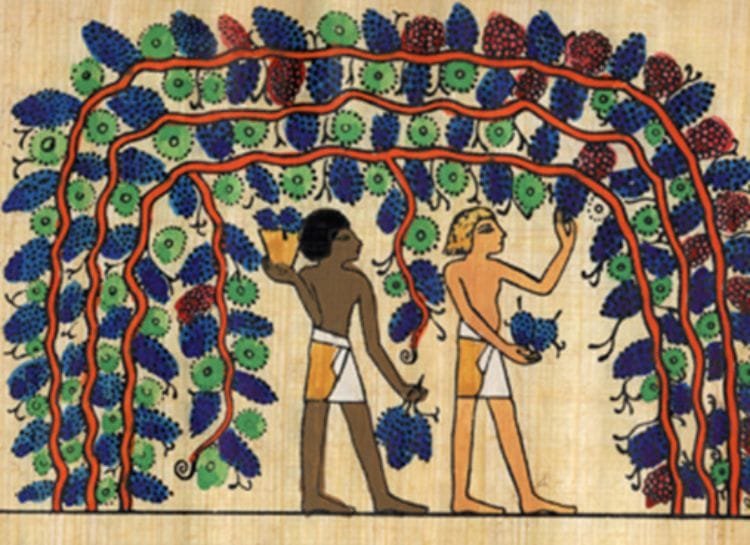
3. The Design and Layout of Ancient Egyptian Gardens
Ancient Egyptian gardens were carefully planned spaces that combined beauty, functionality, and symbolism. Unlike natural landscapes, these gardens reflected human control over nature and demonstrated the Egyptian love of order, balance, and symmetry. Their layouts reveal a sophisticated understanding of landscaping principles that influenced garden design for centuries. Most Egyptian gardens followed a geometric arrangement centered around symmetry. Straight pathways, orderly rows of trees, rectangular ponds, and carefully organized planting beds created a sense of harmony and structure. This orderly design reflected the Egyptian concept of Ma'at, which emphasized balance and cosmic order. A central water feature was often the focal point of the garden. Rectangular ponds filled with lotus flowers and papyrus plants provided beauty, irrigation, and cooling effects. Fish and waterfowl frequently inhabited these ponds, adding movement and life to the landscape. Trees were typically planted in symmetrical rows along pathways or around ponds. Popular species included date palms, sycamore figs, doum palms, tamarisks, and acacia trees. These trees offered shade, fruit, timber, and visual appeal. Flower beds occupied designated sections of the garden and contained colorful plants used for decoration, religious ceremonies, perfumes, and medicine. Gardeners carefully selected species that could thrive in Egypt's climate while enhancing the beauty of the landscape. Wealthy estates often enclosed gardens within walls to protect valuable plants from animals and harsh desert winds. These walls also created private spaces where owners could relax, entertain guests, and enjoy the tranquility of nature. Archaeological evidence and tomb paintings show that Egyptian gardens were remarkably advanced. Their combination of practical agricultural production and aesthetic design demonstrates the sophistication of Ancient Egyptian landscape architecture. The design principles developed by Egyptian gardeners influenced later civilizations and remain recognizable in formal garden layouts around the world today.
4. Plants and Flowers Grown in Ancient Egyptian Gardens
Ancient Egyptian gardens were filled with a remarkable variety of plants and flowers that served practical, decorative, medicinal, and religious purposes. Gardeners carefully selected species that could thrive in the warm climate of the Nile Valley while contributing to the beauty and productivity of their landscapes. The diversity of plants found in Egyptian gardens reflects the advanced horticultural knowledge of this ancient civilization. Among the most famous flowers cultivated in Ancient Egypt were the lotus and the papyrus. The blue lotus held special religious significance and symbolized creation, rebirth, purity, and the rising sun. Lotus flowers frequently appeared in temple decorations, tomb paintings, jewelry, and religious ceremonies. Papyrus, which grew naturally along the Nile, was also cultivated in gardens for ornamental and symbolic purposes. Other popular flowers included poppies, cornflowers, daisies, mandrakes, jasmine, lilies, chrysanthemums, and various flowering herbs. These plants added vibrant colors and pleasant fragrances to garden spaces. Many flowers were used to create garlands worn during festivals, banquets, and religious celebrations. Medicinal herbs occupied an important place in Egyptian gardens. Gardeners cultivated mint, coriander, cumin, fennel, dill, thyme, and other herbs used in traditional medicine and cooking. Physicians often relied on plants grown in gardens to prepare remedies for a wide range of illnesses. Vegetable gardens frequently included lettuce, onions, leeks, garlic, cucumbers, beans, lentils, radishes, and other nutritious crops. These plants contributed significantly to the Egyptian diet and were grown alongside ornamental species. The abundance of flowers and plants transformed Egyptian gardens into vibrant and productive landscapes. Their beauty inspired artists, priests, and nobles while supporting daily life through food production, medicine, and religious activities. The rich botanical diversity found in Ancient Egyptian gardens demonstrates the civilization's deep appreciation for nature and its ability to cultivate life in the midst of a desert environment.
5. Trees in Ancient Egyptian Gardens
Trees were among the most valuable and important elements of Ancient Egyptian gardens. They provided shade from the intense desert sun, produced fruit, supplied timber, enhanced the beauty of landscapes, and carried deep religious symbolism. Wealthy Egyptians often considered rows of carefully planted trees to be a sign of prestige, prosperity, and divine blessing. One of the most commonly cultivated trees was the date palm. Date palms produced nutritious fruit that served as a staple food source and could be eaten fresh or dried. Their tall trunks and broad fronds also provided welcome shade in garden environments. The sycamore fig was another highly valued tree. Ancient Egyptians associated the sycamore with protection, nourishment, and the afterlife. Religious texts and tomb paintings frequently depict goddesses emerging from sycamore trees to provide water and food to the deceased. The tree's fruit was widely consumed and its wood was used for furniture and coffins. Pomegranate trees became increasingly popular during the New Kingdom. Their beautiful flowers and nutritious fruit made them attractive additions to gardens. Other fruit-bearing trees included fig trees, olive trees, dom palms, and persea trees. Acacia trees held both practical and symbolic importance. Their durable wood was used in construction and furniture making, while their association with regeneration gave them religious significance. Tamarisk trees were also cultivated for shade and ornamental purposes. Trees were often arranged in symmetrical rows along pathways, around ponds, or bordering garden walls. This orderly placement reflected Egyptian ideals of balance and harmony. Their presence created cooler microclimates that helped other plants thrive in the hot environment. The importance of trees extended beyond practical uses. Many species were linked to specific gods and spiritual beliefs, making them essential components of sacred and funerary gardens. Through their beauty, productivity, and symbolism, trees became defining features of Ancient Egyptian landscape design.
6. Sacred Gardens and Temple Gardens
Temple gardens were among the most important and carefully maintained green spaces in Ancient Egypt. These sacred gardens were directly connected to religious practices and provided many of the plants, flowers, fruits, oils, and herbs required for temple rituals and offerings to the gods. Ancient Egyptians believed that the gods favored beauty, order, and abundance. As a result, temples often maintained extensive gardens that reflected divine perfection. These gardens supplied lotus flowers, papyrus plants, fruits, incense ingredients, medicinal herbs, and other materials used in religious ceremonies. Many sacred gardens were attached to major temples such as Karnak Temple Complex and Luxor Temple. Priests and gardeners worked together to cultivate the plants needed for daily worship and special festivals. The produce harvested from temple gardens also helped support temple personnel and visitors. Sacred trees often occupied prominent positions within temple grounds. Certain species were associated with particular deities and were considered holy. The sycamore tree, for example, was linked to divine nourishment and protection, while the persea tree was associated with sacred knowledge and royal legitimacy. Water features played a central role in temple gardens. Sacred lakes and ornamental ponds symbolized the primordial waters from which creation emerged according to Egyptian mythology. These water sources were also used for ritual purification by priests before religious ceremonies. Temple gardens served educational and medicinal purposes as well. Many contained herbs used by temple physicians and plants studied by priests interested in natural knowledge. Their carefully organized layouts reflected the Egyptian belief that cultivated landscapes mirrored cosmic order. These sacred gardens represented more than agricultural spaces; they were living expressions of religion, spirituality, and the relationship between humans and the divine. Their beauty and symbolism made them among the most important landscapes in Ancient Egypt.
7. Palace Gardens of the Pharaohs
The palace gardens of Ancient Egypt were among the most magnificent landscapes in the ancient world. Designed to showcase royal power, wealth, and sophistication, these gardens surrounded the residences of pharaohs and members of the royal family. They combined beauty, luxury, and practicality, creating peaceful oases within Egypt's often harsh desert environment. Pharaohs viewed gardens as symbols of prosperity and divine favor. A lush garden filled with exotic trees, colorful flowers, ornamental ponds, and rare plants demonstrated the ruler's ability to command resources from across Egypt and beyond. Many foreign plants were imported through trade and military campaigns, adding prestige to royal estates. Archaeological evidence suggests that palace gardens featured carefully planned layouts with symmetrical pathways, shaded walkways, artificial lakes, orchards, and flower beds. Garden designers paid close attention to balance and order, reflecting the Egyptian concept of Ma'at. Every element was arranged to create harmony and visual beauty. One of the most famous examples comes from the city of Amarna, built during the reign of Akhenaten. Excavations have revealed evidence of extensive palace gardens that included ponds, trees, and cultivated landscapes designed for relaxation and ceremonial activities. Royal gardens were often stocked with birds, fish, and exotic animals. These living collections enhanced the beauty of the gardens while demonstrating the pharaoh's control over nature. Some gardens also served as hunting parks where members of the royal family could enjoy leisure activities. In addition to recreation, palace gardens supplied fruits, vegetables, flowers, and medicinal plants for the royal household. They were both productive and ornamental, combining practical benefits with aesthetic appeal. The grandeur of palace gardens reflected the immense wealth of the Egyptian monarchy and demonstrated how landscape design became an expression of royal authority and cultural achievement.
8. Garden Ponds and Water Features in Ancient Egypt
Water was the heart of every Ancient Egyptian garden. Garden ponds and water features were not only beautiful decorative elements but also served practical, agricultural, and religious purposes. In a country where water was essential for survival, the presence of ponds transformed gardens into symbols of life, fertility, and abundance. Most Egyptian gardens were designed around a central rectangular pond. These ponds acted as focal points that organized the surrounding landscape. Trees, flower beds, and pathways were often arranged symmetrically around the water, creating visually balanced and harmonious environments. Garden ponds provided irrigation for nearby plants and helped maintain moisture levels within the landscape. The presence of water also reduced temperatures, making gardens cooler and more comfortable during the intense Egyptian summer heat. Many ponds contained lotus flowers and papyrus plants, both of which held deep religious significance. The lotus symbolized rebirth and creation because its flowers opened each morning and closed at night. Papyrus represented Lower Egypt and was associated with life, growth, and prosperity. Fish were commonly raised in garden ponds, providing an additional food source while enhancing the beauty of the landscape. Ducks, geese, and other waterfowl often inhabited these areas, creating lively and picturesque scenes that appear frequently in tomb paintings. Water features also carried symbolic meaning. Egyptians believed that life emerged from the primordial waters of creation. As a result, ponds were often viewed as miniature representations of these sacred waters and reinforced religious themes within garden design. Many temple gardens included sacred lakes used for ritual purification. Priests bathed in these waters before conducting ceremonies, further emphasizing the spiritual significance of water features. The combination of beauty, practicality, and symbolism made garden ponds one of the defining characteristics of Ancient Egyptian landscape architecture.
9. Fruits and Vegetables Grown in Ancient Egyptian Gardens
Ancient Egyptian gardens were not merely ornamental spaces; they were also highly productive agricultural environments. Gardeners cultivated a wide variety of fruits and vegetables that contributed to the diet, economy, and health of Egyptian society. These crops provided nutrition for households, temples, palaces, and local communities throughout the Nile Valley. Fruit trees occupied an important place in Egyptian gardens. Dates were among the most widely consumed fruits and served as a valuable source of energy. Date palms thrived in Egypt's climate and produced abundant harvests. Figs were also highly popular and appeared frequently in both daily meals and religious offerings. Pomegranates became especially fashionable during the New Kingdom. Their attractive flowers and sweet fruit made them prized additions to gardens. Grapes were cultivated for fresh consumption, dried into raisins, and used in wine production. Other fruits grown in Egyptian gardens included persea fruit, dom palm fruit, and sycamore figs. Vegetable cultivation was equally important. Lettuce was one of the most common garden crops and held religious significance because it was associated with fertility. Egyptians also grew onions, garlic, leeks, cucumbers, radishes, beans, chickpeas, lentils, and various leafy greens. Many vegetables were valued not only for food but also for medicinal purposes. Garlic and onions, for example, were believed to promote strength and good health. Workers involved in major construction projects often consumed these foods as part of their regular diet. Gardeners used irrigation systems, fertile Nile soil, and careful cultivation techniques to maximize productivity. The success of these agricultural practices allowed Egypt to support a large population and maintain economic stability for centuries. The fruits and vegetables grown in Ancient Egyptian gardens demonstrate the remarkable agricultural expertise of this civilization and highlight the important connection between gardening, nutrition, and daily life.
10. Gardeners and Horticulture in Ancient Egypt
Behind every flourishing Ancient Egyptian garden stood skilled gardeners whose knowledge and hard work transformed barren land into productive and beautiful landscapes. These gardeners were highly valued members of society, especially when employed by temples, royal palaces, wealthy estates, and large agricultural properties. Their expertise helped sustain one of the most advanced horticultural traditions of the ancient world. Gardening in Ancient Egypt required extensive knowledge of irrigation, soil management, plant cultivation, pruning, propagation, and seasonal planting cycles. Because Egypt's climate was hot and dry, gardeners had to carefully manage water resources to ensure the survival of trees, flowers, vegetables, and herbs. Irrigation channels, water basins, and manually operated watering systems were used to distribute precious Nile water throughout garden spaces. Many gardeners worked for noble families and royal households, maintaining elaborate landscapes that served both decorative and practical purposes. Others were employed by temples, where they cultivated sacred plants used in religious ceremonies and offerings. Temple gardeners played a particularly important role because many rituals required fresh flowers, fruits, oils, and herbs. Ancient Egyptian tomb paintings frequently depict gardeners carrying water jars, tending trees, harvesting fruits, and maintaining ponds. These scenes provide valuable evidence of gardening techniques and daily horticultural activities. Gardeners often worked alongside laborers, priests, and estate managers to ensure that gardens remained productive throughout the year. Some gardeners specialized in growing fruit trees, while others focused on ornamental flowers, medicinal herbs, or vegetables. Their work contributed directly to food production, medicine, religious worship, and the overall beauty of Egyptian estates. The achievements of Ancient Egyptian gardeners demonstrate a sophisticated understanding of plant cultivation and environmental management. Their skills allowed lush gardens to flourish in a landscape otherwise dominated by desert conditions.
11. Funerary Gardens and the Afterlife
Funerary gardens were among the most fascinating and symbolic landscapes in Ancient Egypt. These special gardens were created near tombs and burial complexes to provide spiritual nourishment, symbolize rebirth, and ensure that the deceased would enjoy abundance in the afterlife. They reveal the deep connection between Egyptian gardening traditions and religious beliefs about eternal life. Ancient Egyptians believed that death was not an end but a transition to another existence. To support the deceased on this journey, tombs were often surrounded by carefully cultivated gardens containing trees, flowers, vegetables, and sacred plants. These gardens symbolized regeneration, fertility, and the promise of eternal renewal. Archaeological discoveries have uncovered evidence of funerary gardens dating back thousands of years. One notable example was discovered near Dra Abu el-Naga, where archaeologists found a small rectangular garden associated with a Middle Kingdom tomb. This discovery provided direct evidence of how such sacred landscapes were arranged and maintained. Funerary gardens commonly included sycamore trees, date palms, tamarisks, and flowering plants. These species were selected because of their symbolic associations with protection, nourishment, resurrection, and divine blessings. Vegetables and grains were also cultivated to provide sustenance for the deceased in the next world. Water features often played an important role within funerary gardens. Ponds symbolized the waters of creation and represented the cycle of life, death, and rebirth. The presence of water reinforced beliefs about regeneration and eternal existence. Tomb paintings frequently depict idealized garden scenes filled with birds, fish, flowers, and fruit-bearing trees. These images were intended to magically provide the deceased with eternal access to the beauty and abundance represented by gardens. Funerary gardens demonstrate how landscape design became an essential part of Egyptian beliefs concerning death, resurrection, and the afterlife.
12. The Symbolism of the Lotus and Papyrus in Egyptian Gardens
Among all the plants cultivated in Ancient Egyptian gardens, none carried greater symbolic importance than the lotus and the papyrus. These iconic plants appeared throughout Egyptian art, religion, architecture, literature, and garden design. Their presence reflected some of the most fundamental beliefs of Ancient Egyptian civilization. The lotus flower was one of the most sacred symbols in Egypt. Egyptians observed how the flower closed at night and reopened with the sunrise each morning. This daily cycle led them to associate the lotus with creation, rebirth, resurrection, and the sun god. According to some Egyptian creation myths, the sun emerged from a lotus flower that rose from the primordial waters at the beginning of time. Blue lotus flowers frequently appeared in temple decorations, tomb paintings, jewelry, and religious ceremonies. They were often depicted in the hands of gods, pharaohs, and nobles. The flower's beauty and fragrance made it a prized feature of Egyptian gardens and ornamental ponds. Papyrus was equally important. Growing naturally along the Nile River, papyrus became a symbol of Lower Egypt and represented life, growth, fertility, and prosperity. It was one of the most useful plants in Egyptian society and was used to make paper, boats, mats, baskets, ropes, and numerous other products. In garden design, lotus and papyrus plants were commonly cultivated around ponds and water features. Their presence created landscapes that reflected the natural beauty of the Nile while reinforcing religious symbolism. Together, the lotus and papyrus represented the unity of Upper and Lower Egypt, a theme frequently celebrated in royal and religious art. The symbolic importance of these plants extended into the afterlife. Both lotus and papyrus motifs appeared in tombs because they were associated with regeneration and eternal life. Their imagery reassured Egyptians that rebirth and renewal awaited them beyond death. The enduring popularity of lotus and papyrus symbols demonstrates how deeply plants were woven into the spiritual and cultural identity of Ancient Egypt.
13. Exotic Plants Imported into Ancient Egyptian Gardens
Ancient Egyptian gardens were not limited to native plants of the Nile Valley. As Egypt expanded its trade networks and established diplomatic relationships with neighboring regions, gardeners gained access to a variety of exotic plants, trees, flowers, and aromatic species from distant lands. These imported plants enhanced the beauty of Egyptian gardens while demonstrating the wealth, power, and international influence of the kingdom. The pharaohs and nobles often viewed rare plants as symbols of prestige. Foreign trees and flowers showcased Egypt’s ability to acquire valuable resources from across the ancient world. Many imported species were carefully cultivated in palace gardens, temple gardens, and elite estates, where they became prized additions to the landscape. One of the most famous examples comes from the reign of Hatshepsut. Her celebrated expedition to the mysterious Land of Punt brought back incense trees, exotic plants, myrrh, and other valuable botanical treasures. Reliefs at Mortuary Temple of Hatshepsut depict the transportation and planting of these trees in Egypt, providing one of the earliest documented examples of international plant transplantation. Egyptians also imported cedar trees from the Levant, olive trees from the Mediterranean region, and various flowering plants from Nubia and Western Asia. These species enriched local horticulture and expanded the diversity of Egyptian gardens. Imported plants often carried religious and economic significance. Incense-producing trees supplied materials used in temple rituals, while foreign fruit trees introduced new foods and agricultural opportunities. Aromatic plants were highly valued for perfumes, medicines, and ceremonial purposes. The cultivation of exotic species required careful attention from gardeners, who adapted irrigation and planting techniques to suit unfamiliar plants. Their success reflects the advanced horticultural knowledge of Ancient Egypt. The presence of imported plants transformed Egyptian gardens into living displays of global connections, demonstrating how trade, diplomacy, and exploration influenced landscape design in the ancient world.
14. Gardens in Ancient Egyptian Art and Tomb Paintings
Much of what modern historians know about Ancient Egyptian gardens comes from art, tomb paintings, reliefs, and inscriptions. These remarkable visual records provide detailed insights into garden design, plant cultivation, irrigation systems, and the role of gardens in everyday life. They also reveal the symbolic and spiritual importance that gardens held within Egyptian culture. Many tombs belonging to nobles and officials contain beautifully preserved paintings depicting lush gardens filled with trees, flowers, ponds, birds, and fish. These scenes often show symmetrical layouts, reflecting the Egyptian preference for order and balance. Garden ponds surrounded by rows of trees appear frequently and provide valuable evidence of landscape architecture during the pharaonic period. One of the most famous examples is found in the tomb of Nebamun, where artists portrayed an elegant garden complete with a central pond, fruit trees, birds, and aquatic life. These paintings are considered among the finest surviving representations of Ancient Egyptian garden design. Garden scenes served both artistic and religious purposes. Egyptians believed that images placed within tombs possessed magical power. By depicting abundant gardens, the deceased could enjoy their beauty and resources throughout eternity. Fruits, flowers, water, and wildlife shown in these paintings symbolized eternal abundance and renewal. Temple reliefs also provide important information about gardening. They illustrate the cultivation of sacred plants, the transportation of exotic trees, and the maintenance of temple landscapes. These depictions highlight the practical and ceremonial functions of gardens within Egyptian society. The accuracy of many garden scenes suggests that artists carefully observed real landscapes. As a result, tomb paintings have become invaluable resources for archaeologists seeking to reconstruct Ancient Egyptian horticulture. Through art and tomb decoration, gardens achieved a form of immortality, preserving their beauty and significance long after the physical landscapes themselves disappeared.
15. How Ancient Egyptian Gardens Influenced Later Civilizations
The influence of Ancient Egyptian gardens extended far beyond the borders of Egypt. Over the centuries, Egyptian horticultural practices, irrigation techniques, landscape designs, and symbolic use of plants inspired numerous civilizations throughout the Mediterranean, the Near East, and beyond. The legacy of Egyptian gardening can still be recognized in modern landscape architecture today. One of Egypt’s most important contributions was its mastery of irrigation. Egyptian gardeners developed systems for distributing water efficiently in arid environments, allowing productive gardens to flourish in desert conditions. These techniques influenced agricultural and gardening practices in neighboring regions and demonstrated how human ingenuity could overcome environmental challenges. The formal layout of Egyptian gardens also left a lasting impact. Symmetrical arrangements, central water features, shaded pathways, and orderly rows of trees became common elements in later Persian, Greek, and Roman gardens. The concept of creating carefully planned landscapes that combined beauty and functionality can be traced in part to Egyptian precedents. Religious symbolism associated with gardens also spread to other cultures. The idea of gardens as sacred spaces, representations of paradise, and symbols of eternal life appeared in later traditions across the ancient world. Water features, flowering plants, and enclosed garden spaces continued to hold spiritual significance in many societies. Trade and cultural exchange introduced Egyptian plants, gardening techniques, and artistic motifs to foreign regions. Travelers, merchants, diplomats, and conquerors encountered Egyptian landscapes and carried ideas back to their homelands. As a result, Egyptian horticultural traditions contributed to the broader development of ancient gardening. Even today, features commonly found in modern gardens—ornamental ponds, symmetrical layouts, shaded avenues, decorative flower beds, and fruit orchards—echo principles that were already well established in Ancient Egypt thousands of years ago. The enduring influence of Ancient Egyptian gardens demonstrates the sophistication of their designers and the lasting impact of one of the world's earliest traditions of landscape architecture.
16. Archaeological Discoveries of Ancient Egyptian Gardens
Although the plants, flowers, and trees of Ancient Egyptian gardens disappeared long ago, archaeology has provided remarkable evidence that allows historians to reconstruct these ancient landscapes. Excavations throughout Egypt have uncovered traces of gardens associated with temples, palaces, tombs, and private estates, offering valuable insights into Egyptian horticulture, agriculture, and landscape design. One of the most significant discoveries occurred at Dra Abu el-Naga, where archaeologists uncovered a rare funerary garden dating to the Middle Kingdom. Measuring approximately 3 by 2 meters, the garden contained planting beds arranged in a formal pattern. This discovery confirmed what historians had long suspected from tomb paintings—that funerary gardens were real landscapes designed to symbolize fertility, rebirth, and eternal life. Excavations at Amarna have revealed evidence of extensive palace gardens, tree pits, irrigation channels, and ornamental landscapes associated with the reign of Akhenaten. These remains demonstrate the sophisticated planning involved in royal garden construction. Archaeologists have also discovered seeds, pollen, fruits, roots, and plant remains preserved in tombs and temple sites. Scientific analysis of these materials has identified species such as lotus, papyrus, date palm, sycamore fig, pomegranate, grapevine, and various herbs. These findings help researchers understand what plants were cultivated and how they were used. Ancient texts, reliefs, and paintings complement physical evidence by providing detailed visual representations of garden layouts. Combined with archaeological discoveries, these sources allow historians to reconstruct irrigation systems, planting patterns, and the symbolic meanings attached to different plants. Modern technologies such as soil analysis, satellite imaging, and archaeobotany continue to reveal new information about ancient landscapes. These methods have transformed our understanding of Egyptian gardens and demonstrated their importance within Egyptian civilization. The archaeological study of Ancient Egyptian gardens offers a fascinating glimpse into how Egyptians shaped their environment and created beautiful, productive, and spiritually meaningful landscapes.
17. Ancient Egyptian Gardens vs. Modern Gardens
Although separated by thousands of years, Ancient Egyptian gardens and modern gardens share many similarities. Both serve as spaces for beauty, relaxation, food production, and connection with nature. However, differences in technology, design preferences, and cultural values have shaped the evolution of gardening over time. One major similarity is the use of gardens as places of refuge and enjoyment. Ancient Egyptians created shaded green spaces where people could escape the heat, relax, entertain guests, and appreciate natural beauty. Modern gardens continue to fulfill these functions in homes, parks, and public landscapes around the world. Both ancient and modern gardeners cultivate ornamental flowers, fruit trees, vegetables, and herbs. Many plants grown in Ancient Egypt, such as figs, dates, grapes, pomegranates, and various herbs, remain popular today. The combination of decorative and practical planting remains a central feature of gardening. Water features also continue to play an important role. Ancient Egyptian gardens often revolved around ponds filled with lotus flowers and fish. Modern gardens frequently include fountains, pools, ponds, and decorative water elements that create visual interest and promote relaxation. The most significant differences involve technology and irrigation. Ancient gardeners relied on manual labor, simple irrigation channels, and natural fertilizers. Modern gardeners benefit from advanced watering systems, machinery, greenhouses, fertilizers, and scientific knowledge of plant care. Garden design has also evolved. Egyptian gardens emphasized strict symmetry and formal organization, while modern landscapes often incorporate both formal and naturalistic styles. Contemporary gardeners have access to a much wider variety of plants from around the world. Despite these differences, many fundamental principles remain unchanged. The desire to cultivate beauty, produce food, and create peaceful outdoor spaces connects modern gardeners with their Ancient Egyptian predecessors. The comparison highlights the enduring appeal of gardens and demonstrates how many gardening traditions established in Ancient Egypt continue to influence landscape design today.
18. The Legacy of Ancient Egyptian Gardens and Conclusion
Ancient Egyptian gardens represent one of humanity's earliest and most sophisticated achievements in landscape design. Through careful planning, advanced irrigation, horticultural expertise, and deep spiritual symbolism, Egyptians transformed fertile areas along the Nile into beautiful and productive green spaces that served practical, cultural, and religious purposes. These gardens provided food, medicine, shade, beauty, and recreation. They supported temples, palaces, private estates, and burial complexes while reflecting Egyptian beliefs about order, fertility, prosperity, and eternal life. From sacred temple gardens and royal orchards to funerary gardens designed for the afterlife, gardening became an integral part of Egyptian civilization. The lotus flower, papyrus plant, sacred trees, ornamental ponds, and symmetrical layouts found in Egyptian gardens influenced artistic traditions, religious practices, and landscape architecture for centuries. Their impact extended far beyond Egypt and contributed to the development of later Persian, Greek, Roman, Islamic, and modern garden traditions. Archaeological discoveries continue to reveal new information about these remarkable landscapes. Tomb paintings, preserved seeds, ancient texts, and excavated garden remains provide valuable evidence of the sophistication achieved by Egyptian gardeners thousands of years ago. Perhaps the most enduring legacy of Ancient Egyptian gardens is their demonstration of humanity's ability to create beauty and abundance even in challenging environments. By harnessing the waters of the Nile and applying careful horticultural knowledge, Egyptians created thriving green spaces within a desert landscape.