

- Excursions in Egypt
- Egypt Tour Packages
- Cairo Tours and Excursions
- Hurghada Tours and Excursions
- Soma Bay Tours and Excursions
- Makadi Bay Tours and Excursions
- Sahl Hasheesh Tours and Excursions
- El Gouna Tours and Excursions
- Marsa Alam Tours and Excursions
- Port Ghalib Tours and Excursions
- El Quseir Tours and Excursions
- Dendera and Abydos Day Tours
- Aswan Tours and Excursions
- Luxor Tours and Excursions
- Sharm El Sheikh Tours and Excursions
- Top Rated Egypt Tours in 2026
- Optional Excursions in Egypt
- Private Transfer
- Blogs About egypt
- Ancient Egypt
- Historical Sites in Egypt
- Cairo
- Alexandria
- Luxor
- Aswan
- The Red Sea
- Dendera Temple
- El Fayoum Oasis
- Bahariya Oasis
- Siwa Oasis
- Al Alamein
- Marsa Matruh
- Why Egypt Is One of the Safest Countries to Visit in the Middle East
- What You Need To know Before Your First Trip To Egypt
- Egypt Travel Costs in 2026 Full Budget Guide
- Top 10 Tourist Activities in Egypt
- Top 50 Activities You Can’t Miss in Egypt in 2026
- The Guide to Guided Tours in Egypt
- Egypt’s Ancient and Modern History
- The Nile River
- The Deserts of Egypt
- Ancient Egyptian gods
- famous Egyptian dishes
- UNESCO World Heritage sites
- About Us
- Egypt Hotels and Resorts
- Excursions in Egypt
- Egypt Tour Packages
- Cairo Tours and Excursions
- Hurghada Tours and Excursions
- Soma Bay Tours and Excursions
- Makadi Bay Tours and Excursions
- Sahl Hasheesh Tours and Excursions
- El Gouna Tours and Excursions
- Marsa Alam Tours and Excursions
- Port Ghalib Tours and Excursions
- El Quseir Tours and Excursions
- Dendera and Abydos Day Tours
- Aswan Tours and Excursions
- Luxor Tours and Excursions
- Sharm El Sheikh Tours and Excursions
- Top Rated Egypt Tours in 2026
- Optional Excursions in Egypt
- Private Transfer
- Blogs About egypt
- Ancient Egypt
- Historical Sites in Egypt
- Cairo
- Alexandria
- Luxor
- Aswan
- The Red Sea
- Dendera Temple
- El Fayoum Oasis
- Bahariya Oasis
- Siwa Oasis
- Al Alamein
- Marsa Matruh
- Why Egypt Is One of the Safest Countries to Visit in the Middle East
- What You Need To know Before Your First Trip To Egypt
- Egypt Travel Costs in 2026 Full Budget Guide
- Top 10 Tourist Activities in Egypt
- Top 50 Activities You Can’t Miss in Egypt in 2026
- The Guide to Guided Tours in Egypt
- Egypt’s Ancient and Modern History
- The Nile River
- The Deserts of Egypt
- Ancient Egyptian gods
- famous Egyptian dishes
- UNESCO World Heritage sites
- About Us
- Egypt Hotels and Resorts
Welcome to
Ancient Egypt History: The Complete Guide to the Rise of the World's Greatest Civilization
Ancient Egypt History is one of the most fascinating and influential stories in human civilization. Stretching for more than 3,000 years along the fertile banks of the Nile River, Ancient Egypt developed into one of the most advanced societies the world has ever known. From the construction of the Great Pyramids of Giza to the reigns of powerful pharaohs such as Khufu, Hatshepsut, Akhenaten, and Ramesses II, Ancient Egyptian civilization left behind a remarkable legacy that continues to inspire historians, archaeologists, and travelers from around the globe.
The history of Ancient Egypt began around 3100 BCE when Upper and Lower Egypt were united under the rule of King Narmer, creating one of the world’s first centralized states. Over the centuries, Egypt became a center of innovation, developing sophisticated systems of government, religion, writing, architecture, medicine, engineering, and agriculture. The Nile River served as the lifeblood of the civilization, providing fertile land, transportation routes, and the resources necessary for prosperity. Ancient Egyptians built magnificent temples, elaborate tombs, colossal statues, and monumental pyramids that still stand as symbols of human achievement.
Religion played a central role in Ancient Egyptian life. The people worshipped a vast pantheon of gods and believed strongly in the afterlife. This belief inspired the construction of royal tombs, mortuary temples, and intricate burial practices, including mummification. Throughout its long history, Egypt experienced periods of stability, expansion, cultural flourishing, and political challenges, yet its influence spread across Africa, the Mediterranean, and the Near East.
Today, Ancient Egypt History remains one of the most studied subjects in archaeology and world history. Its treasures, monuments, and mysteries continue to attract millions of visitors every year. Understanding Ancient Egypt provides valuable insight into the origins of civilization, government, religion, and human creativity, making it one of the most important chapters in the story of humanity.
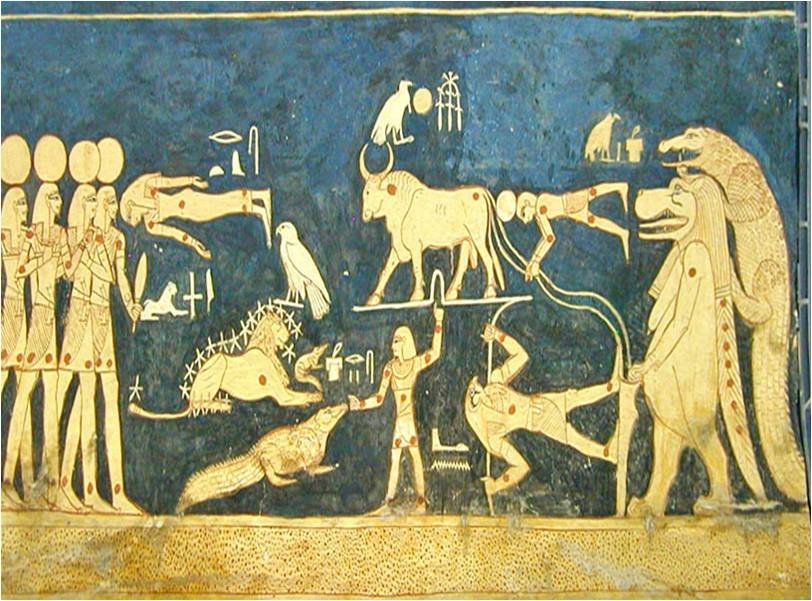
1. The Geography of Ancient Egypt and the Importance of the Nile River
The geography of Ancient Egypt played a crucial role in shaping the development and success of one of the world's longest-lasting civilizations. Located in northeastern Africa, Ancient Egypt was surrounded by natural barriers that provided protection from invasions and helped create a stable environment for growth. To the east lay the Eastern Desert and the Red Sea, while the Western Desert formed part of the vast Sahara. The Mediterranean Sea bordered Egypt to the north, and cataracts along the Nile River provided protection in the south. These geographical features allowed Ancient Egyptian civilization to flourish relatively undisturbed for thousands of years. At the heart of Ancient Egypt was the Nile River, often referred to as the "Lifeblood of Ancient Egypt." The Nile is the longest river in the world and was essential for agriculture, transportation, trade, and daily life. Every year, seasonal floods deposited nutrient-rich black silt onto the riverbanks, creating fertile farmland in an otherwise arid desert environment. This fertile soil enabled farmers to cultivate wheat, barley, flax, vegetables, and fruits, supporting a growing population and a powerful economy. The Nile also served as a natural highway connecting Upper Egypt and Lower Egypt. Boats transported goods, people, building materials, and agricultural products throughout the kingdom. Trade routes extending beyond Egypt brought gold, ivory, incense, timber, and exotic goods from neighboring regions. The river's predictable flooding cycle allowed Ancient Egyptians to develop advanced agricultural techniques and establish a calendar based on seasonal changes. The contrast between the fertile Nile Valley and the surrounding deserts influenced Egyptian religious beliefs as well. Egyptians viewed the Nile as a divine gift from the gods, associating fertility, rebirth, and abundance with its waters. Many religious ceremonies and myths centered on the river's life-giving power. Without the Nile River, the civilization of Ancient Egypt could never have achieved its extraordinary success, making geography one of the most important factors in Egyptian history.
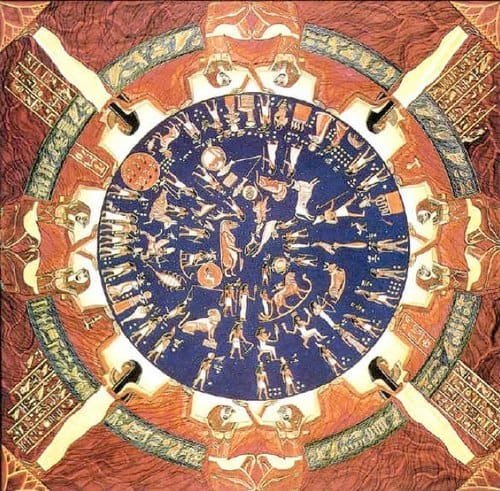
2. The Unification of Upper and Lower Egypt
One of the most significant events in Ancient Egypt History was the unification of Upper and Lower Egypt around 3100 BCE. Before unification, the region was divided into separate kingdoms that often competed for power and resources. Upper Egypt occupied the southern Nile Valley, while Lower Egypt consisted of the fertile Nile Delta in the north. The merging of these two lands marked the beginning of dynastic Egypt and laid the foundation for one of history's greatest civilizations. According to historical records and archaeological evidence, King Narmer, often identified with Menes, successfully united the two kingdoms under a single ruler. The famous Narmer Palette depicts the king wearing the crowns of both Upper and Lower Egypt, symbolizing political unity and royal authority. This event established the First Dynasty and initiated a centralized government capable of managing resources, organizing labor, collecting taxes, and maintaining order throughout the kingdom. The unification brought economic benefits by integrating trade networks and agricultural production. Resources from different regions could be shared more efficiently, increasing wealth and stability. The government developed administrative systems that enabled effective management of land, labor, and infrastructure projects. These innovations helped Egypt grow into a powerful and prosperous state. The concept of duality remained important in Egyptian culture long after unification. Pharaohs were often called the "King of Upper and Lower Egypt," and symbols representing both regions appeared in royal iconography, religious ceremonies, and official inscriptions. The double crown became a powerful symbol of national unity and divine kingship. Unification also strengthened religious traditions by creating a shared cultural identity among the Egyptian people. Temples, rituals, and state-sponsored religious practices reinforced the authority of the pharaoh while promoting social cohesion. The successful unification of Egypt stands as one of the earliest examples of nation-building in world history and represents the beginning of the remarkable story of Ancient Egyptian civilization.
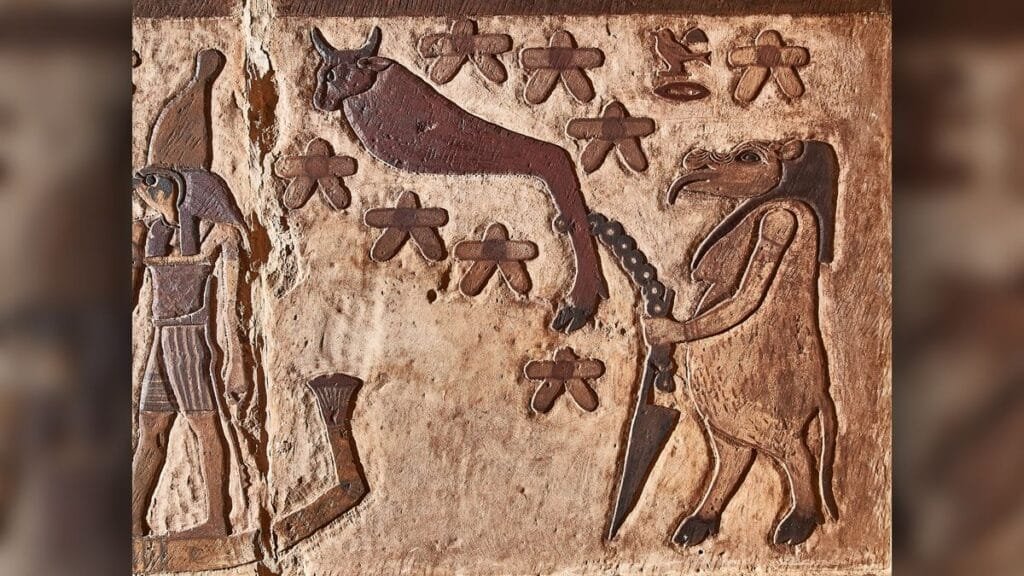
3. The Early Dynastic Period and the Formation of Egyptian Civilization
The Early Dynastic Period of Ancient Egypt, spanning approximately 3100 BCE to 2686 BCE, was a transformative era during which the foundations of Egyptian civilization were firmly established. Following the unification of Upper and Lower Egypt, the first pharaohs focused on strengthening central authority, organizing government institutions, and developing the cultural traditions that would define Ancient Egypt for millennia. During this period, Egyptian rulers established their capital at Memphis, strategically located near the boundary between Upper and Lower Egypt. Memphis became an important political, economic, and religious center. The city allowed pharaohs to oversee trade routes, agricultural production, and administrative activities across the kingdom. Government officials were appointed to manage taxation, record keeping, and public works projects, creating one of the world's earliest bureaucratic systems. The invention and expansion of hieroglyphic writing played a critical role in state administration. Scribes recorded agricultural yields, trade transactions, royal decrees, and religious texts. Writing helped preserve knowledge and enabled efficient governance across a large territory. Egyptian art also began to develop distinctive characteristics, including formalized styles of sculpture, painting, and architecture that would remain consistent for centuries. Religious beliefs became increasingly organized during the Early Dynastic Period. Temples were constructed to honor gods and goddesses associated with nature, creation, kingship, and the afterlife. The pharaoh was viewed as a divine ruler chosen by the gods to maintain order and harmony, known as Ma’at. This concept of cosmic balance became a cornerstone of Egyptian society and governance. Advances in agriculture, irrigation, craftsmanship, and trade contributed to economic growth and social stability. Skilled artisans produced pottery, jewelry, tools, and ceremonial objects that reflected increasing levels of sophistication. By the end of the Early Dynastic Period, Egypt had developed the political structures, religious traditions, artistic conventions, and economic systems that would support the magnificent achievements of the Old Kingdom and the construction of the first pyramids. This era laid the groundwork for the golden age of Ancient Egyptian civilization.
4. The Old Kingdom and the Age of the Pyramids
The Old Kingdom of Ancient Egypt, often called the "Age of the Pyramids," represents one of the most remarkable periods in Ancient Egypt History. Spanning approximately from 2686 BCE to 2181 BCE, this era witnessed extraordinary achievements in architecture, engineering, administration, religion, and culture. The Old Kingdom was characterized by strong centralized government, economic prosperity, and the growing power of the pharaohs, who were regarded as divine rulers responsible for maintaining harmony throughout the land. During this period, Egypt became one of the most sophisticated civilizations in the ancient world and produced monuments that continue to amaze people thousands of years later. The foundation of the Old Kingdom was built upon the political stability established during the Early Dynastic Period. Pharaohs strengthened their authority by expanding government institutions and organizing large-scale construction projects. Skilled administrators collected taxes, supervised agricultural production, and managed labor forces that worked on royal monuments and public infrastructure. This efficient bureaucracy allowed Egypt to mobilize enormous resources and maintain order across the kingdom. One of the most important developments of the Old Kingdom was the evolution of monumental tomb architecture. Pharaohs sought increasingly impressive burial monuments that reflected their divine status and guaranteed their eternal life in the afterlife. The most famous examples are the pyramids, which became symbols of royal power and religious belief. These massive structures required advanced engineering techniques, careful planning, and the labor of thousands of workers, craftsmen, architects, and administrators. Religion remained central to society during the Old Kingdom. Egyptians believed that the pharaoh acted as an intermediary between the gods and humanity. Temples, rituals, and offerings supported the divine order known as Ma’at, which represented truth, justice, and cosmic balance. The prosperity of Egypt was thought to depend on the pharaoh's ability to maintain this sacred harmony. The Old Kingdom also saw advancements in art, sculpture, literature, and craftsmanship. Artists created realistic statues, intricate relief carvings, and beautiful decorative objects that reflected the wealth and sophistication of Egyptian society. Although the period eventually ended due to political fragmentation and environmental challenges, the achievements of the Old Kingdom left an enduring legacy. The pyramids, temples, and artistic masterpieces of this era continue to symbolize the greatness of Ancient Egyptian civilization and remain among the most important cultural treasures in human history.
5. The Great Pyramids of Giza
The Great Pyramids of Giza are among the most iconic monuments in world history and stand as enduring symbols of Ancient Egypt. Located on the Giza Plateau near modern Cairo, these extraordinary structures were built during the Fourth Dynasty of the Old Kingdom and continue to captivate historians, archaeologists, engineers, and travelers from around the globe. The pyramid complex includes the Pyramid of Khufu, the Pyramid of Khafre, and the Pyramid of Menkaure, along with temples, causeways, satellite pyramids, and the legendary Great Sphinx. The largest and most famous of these monuments is the Great Pyramid of Khufu, also known as the Pyramid of Cheops. Originally standing at approximately 146 meters (481 feet), it remained the tallest man-made structure in the world for more than 3,800 years. Constructed from millions of limestone blocks, the pyramid demonstrates an astonishing level of precision and engineering. Despite centuries of study, researchers continue to investigate exactly how Ancient Egyptians transported and assembled such enormous stones with the technology available at the time. The pyramids were not merely architectural achievements; they were deeply connected to Egyptian religious beliefs. Egyptians believed that the pharaoh would continue to exist in the afterlife and eventually join the gods in the heavens. The pyramid's shape may have symbolized the rays of the sun, helping the deceased king ascend to the divine realm. Inside the pyramids, burial chambers and passages were designed to protect the pharaoh and support his eternal journey. Contrary to popular myths, the pyramids were not built by slaves. Archaeological discoveries have revealed evidence of organized communities of skilled workers who were provided with food, housing, medical care, and supplies while participating in these monumental projects. Their efforts reflect the remarkable administrative capabilities of the Ancient Egyptian state. Today, the Great Pyramids of Giza are recognized as one of the greatest engineering achievements in human history. They are the only surviving Wonder of the Ancient World and remain a powerful symbol of Ancient Egypt's creativity, ambition, and spiritual beliefs. Millions of visitors come each year to admire these magnificent monuments and explore the mysteries that continue to surround them.
6. Pharaohs and Divine Kingship in Ancient Egypt
The pharaoh was the most important figure in Ancient Egyptian society and played a central role in every aspect of government, religion, culture, and daily life. Unlike ordinary rulers, pharaohs were considered divine beings chosen by the gods to govern Egypt and maintain cosmic order. This concept of divine kingship was one of the defining characteristics of Ancient Egypt History and helped shape the civilization for more than three thousand years. Ancient Egyptians believed that the pharaoh was the earthly representative of the gods and served as a bridge between the human world and the divine realm. During life, the king was often associated with the god Horus, while after death he became linked with Osiris, the ruler of the afterlife. Through religious ceremonies, temple rituals, and public displays of authority, the pharaoh demonstrated his sacred role in preserving Ma’at, the principle of truth, balance, harmony, and justice. The responsibilities of a pharaoh extended far beyond religious duties. Pharaohs acted as military leaders, judges, lawmakers, diplomats, and administrators. They directed construction projects, supervised agricultural systems, negotiated foreign relations, and protected Egypt from external threats. Major temples, pyramids, and monuments were often commissioned by pharaohs to celebrate their achievements and reinforce their legitimacy. Some pharaohs became legendary figures due to their accomplishments. Khufu is remembered for constructing the Great Pyramid of Giza, while Hatshepsut became one of Egypt's most successful female rulers. Akhenaten introduced dramatic religious reforms centered on the worship of Aten, and Ramesses II gained fame for his military campaigns and monumental building projects. Tutankhamun, although less significant politically, became one of the most famous pharaohs in modern times because of the discovery of his nearly intact tomb. Royal imagery portrayed pharaohs as powerful and idealized individuals. Statues, reliefs, and inscriptions emphasized their strength, wisdom, and divine authority. Symbols such as the crook and flail, the double crown of Upper and Lower Egypt, and the royal uraeus cobra reinforced their sacred status. The institution of divine kingship provided stability and unity throughout much of Egyptian history. By presenting the pharaoh as both a political leader and a sacred figure, Ancient Egypt created a system of government that endured for millennia and helped produce one of the most remarkable civilizations the world has ever known.
7. Religion and Gods of Ancient Egypt
Religion was the foundation of Ancient Egyptian civilization and influenced every aspect of daily life, government, art, architecture, and culture. The people of Ancient Egypt believed that the world was governed by powerful gods and goddesses who controlled nature, human destiny, fertility, death, and the afterlife. Religious beliefs shaped how Egyptians understood the universe and guided their actions throughout their lives. The importance of religion in Ancient Egypt can be seen in the countless temples, tombs, statues, inscriptions, and sacred texts that survive today. Ancient Egyptian religion was polytheistic, meaning that people worshipped many different gods. Among the most important deities was Ra, the sun god, who was considered the creator of life and the ruler of the heavens. Osiris, the god of the afterlife, symbolized resurrection and eternal life, while Isis was revered as a goddess of motherhood, magic, and protection. Horus, the falcon-headed god, represented kingship and divine authority, and Anubis, the jackal-headed god, oversaw mummification and funerary practices. Other important gods included Amun, Hathor, Thoth, Ptah, Sekhmet, Sobek, and Bastet. The Egyptians believed that maintaining harmony between humans and the gods was essential for preserving Ma’at, the universal order that governed the cosmos. Priests performed daily rituals, offered food and gifts to the gods, and maintained temples where divine statues were housed. Festivals and religious celebrations brought communities together and reinforced their connection to the divine world. Religion also influenced the authority of the pharaoh. Egyptians believed that the king was chosen by the gods and acted as their representative on earth. Through religious ceremonies, the pharaoh ensured the continued prosperity of Egypt and the stability of society. Temples became not only centers of worship but also important economic and political institutions. The rich mythology of Ancient Egypt explained the creation of the world, the movement of the sun, the flooding of the Nile, and the journey of the soul after death. These stories were preserved through inscriptions, papyri, and temple reliefs. The religious beliefs of Ancient Egypt remain one of the most fascinating aspects of the civilization and continue to inspire scholars and visitors fascinated by the mysteries of the ancient world.
8. The Afterlife and Mummification in Ancient Egypt
One of the most distinctive features of Ancient Egyptian civilization was its strong belief in the afterlife. Egyptians believed that death was not the end of existence but rather a transition to another stage of life. This belief influenced their religion, burial practices, architecture, art, and daily behavior. The quest for eternal life became a central theme in Ancient Egypt History and led to the development of elaborate funerary traditions that continue to fascinate the modern world. According to Egyptian beliefs, every person possessed several spiritual elements, including the Ka, Ba, and Akh. After death, these spiritual components needed to reunite with the preserved body in order to continue existing in the afterlife. Because of this belief, preserving the body became extremely important. The process of mummification was developed to prevent decay and ensure that the deceased could successfully enter the next world. Mummification involved a complex series of procedures carried out by trained specialists. Internal organs were carefully removed and preserved in canopic jars, while the body was dehydrated using natron salt. After weeks of preparation, the body was wrapped in linen bandages and placed inside elaborately decorated coffins and sarcophagi. Wealthy individuals often included jewelry, amulets, furniture, food, and personal possessions in their tombs to support them in the afterlife. The journey to eternal life was believed to involve divine judgment. In the Hall of Judgment, the heart of the deceased was weighed against the feather of Ma’at, representing truth and justice. If the heart was found pure, the individual could enter the Field of Reeds, a paradise resembling an idealized version of Egypt. If the heart was burdened with wrongdoing, it would be devoured by the fearsome creature Ammit. Sacred texts such as the Book of the Dead provided instructions and magical spells to help the deceased navigate the dangers of the afterlife. Tomb walls were often decorated with scenes depicting religious rituals, daily activities, and offerings intended to support the soul forever. The Egyptian belief in eternal life inspired some of the world's most famous monuments, including pyramids, royal tombs, and funerary temples. These extraordinary practices reveal the profound spiritual worldview that defined Ancient Egyptian culture and contributed to its enduring legacy.
9. Ancient Egyptian Temples and Religious Centers
Ancient Egyptian temples were among the most impressive architectural achievements of the ancient world. These sacred structures served as the homes of the gods and functioned as religious, economic, political, and cultural centers. Throughout Ancient Egypt, magnificent temples were built to honor deities, celebrate royal achievements, and reinforce the connection between the divine world and human society. Today, temples such as Karnak, Luxor, Abu Simbel, Edfu, Dendera, Kom Ombo, and Philae remain among the most visited archaeological sites in Egypt. Unlike modern places of worship designed primarily for public gatherings, Ancient Egyptian temples were considered sacred residences for the gods. At the heart of each temple stood a sanctuary containing a divine statue. Priests performed daily rituals that included washing, dressing, and presenting offerings to the deity. These ceremonies were believed to sustain the gods and ensure the continued prosperity of Egypt. Temple construction reflected extraordinary architectural skill and symbolic meaning. Massive gateways known as pylons marked the entrance, while courtyards, hypostyle halls, obelisks, and sanctuaries formed a carefully planned sacred space. Walls were decorated with reliefs and inscriptions depicting religious ceremonies, royal victories, offerings to the gods, and mythological scenes. Every element of the temple was designed to reflect cosmic order and divine power. Temples also played a vital role in Egypt's economy. Large temple estates controlled agricultural lands, livestock, workshops, and trade networks. Thousands of priests, craftsmen, laborers, scribes, and administrators worked within temple complexes. These institutions accumulated significant wealth and influence, often rivaling the authority of political leaders. Some temples became major pilgrimage destinations where people sought blessings, healing, and divine guidance. Religious festivals brought enormous crowds who celebrated with music, processions, feasts, and ceremonies. The famous Opet Festival in Thebes, for example, honored Amun and reinforced the divine legitimacy of the pharaoh. The grandeur of Ancient Egyptian temples demonstrates the civilization's deep devotion to religion and its remarkable architectural capabilities. These sacred monuments preserve invaluable information about Egyptian beliefs, politics, art, and daily life. Even after thousands of years, they continue to stand as powerful symbols of Ancient Egypt's spiritual and cultural achievements, attracting scholars and travelers from every corner of the world.
10. Ancient Egyptian Writing and Hieroglyphics
One of the greatest achievements of Ancient Egyptian civilization was the development of one of the world's earliest writing systems: hieroglyphics. Writing played a fundamental role in the administration, religion, culture, and history of Ancient Egypt. Through hieroglyphic inscriptions, papyrus manuscripts, temple walls, tomb decorations, and monumental monuments, the Egyptians preserved their beliefs, achievements, laws, and traditions for thousands of years. Today, these writings provide invaluable insights into Ancient Egypt History and allow modern scholars to reconstruct the story of one of humanity's most remarkable civilizations. Hieroglyphics emerged around 3200 BCE and consisted of hundreds of symbols representing sounds, words, and concepts. The term "hieroglyph" comes from Greek and means "sacred carving," reflecting the fact that these symbols often appeared on temple walls and religious monuments. Egyptian scribes used hieroglyphics to record royal decrees, religious texts, historical events, administrative records, and funerary inscriptions. The writing system combined artistic beauty with practical communication, making it one of the most distinctive forms of writing in history. In addition to hieroglyphics, Egyptians developed simpler scripts known as Hieratic and later Demotic, which were used for everyday administration, business transactions, legal documents, and correspondence. These scripts allowed scribes to write more quickly while preserving the essential structure of the language. Scribes occupied a respected position within society because literacy was limited to a small educated elite. Their skills were essential for managing government affairs, collecting taxes, organizing labor projects, and maintaining records. For centuries, the meaning of hieroglyphics remained a mystery after the decline of Ancient Egyptian civilization. The breakthrough came in 1822 when the French scholar Jean-François Champollion successfully deciphered the Rosetta Stone, a monument containing the same text in Greek, Demotic, and hieroglyphic scripts. This discovery unlocked the language of Ancient Egypt and revolutionized the field of Egyptology. The written legacy of Ancient Egypt includes religious texts such as the Pyramid Texts, Coffin Texts, and the Book of the Dead, as well as literary works, wisdom teachings, medical documents, and historical records. These writings reveal the intellectual sophistication of Egyptian civilization and provide a direct connection to the thoughts and beliefs of people who lived thousands of years ago.
11. Daily Life in Ancient Egypt
The daily life of Ancient Egyptians was shaped by the rhythms of the Nile River, religious traditions, social structures, and agricultural activities. While the grand monuments, pyramids, and temples often dominate discussions of Ancient Egypt History, the experiences of ordinary people are equally fascinating. Farmers, craftsmen, merchants, priests, soldiers, and scribes formed the backbone of Egyptian society and contributed to the civilization's remarkable achievements. Most Egyptians lived in villages located near the fertile banks of the Nile. Houses were typically constructed from mud bricks, which provided protection from the intense heat of the Egyptian climate. Homes varied in size depending on social status, with wealthy families enjoying larger residences featuring multiple rooms, courtyards, and storage areas. Despite differences in wealth, family life played a central role in Egyptian society, and both men and women participated in household responsibilities. Agriculture dominated daily life for much of the population. Farmers cultivated wheat, barley, flax, vegetables, fruits, and other crops made possible by the annual flooding of the Nile. During flood seasons, many workers participated in government-sponsored construction projects, including temples, tombs, canals, and monuments. Livestock such as cattle, sheep, goats, and poultry also contributed to the economy and food supply. Clothing in Ancient Egypt was generally made from linen produced from flax plants. Men commonly wore kilts, while women wore dresses and robes. Jewelry, cosmetics, and wigs were popular among both men and women, particularly among the wealthy. Egyptians valued cleanliness and personal appearance, often bathing regularly and using perfumes and oils. Children received training appropriate to their family's social status. While most learned agricultural or craft skills from their parents, some boys attended schools to become scribes. Entertainment included music, dancing, board games, storytelling, hunting, fishing, and participation in religious festivals. Religion influenced nearly every aspect of daily life. People prayed to household gods, participated in temple festivals, and sought protection through amulets and rituals. The values of family, community, and respect for the gods helped maintain social stability. The daily experiences of ordinary Egyptians reveal a vibrant and highly organized society whose achievements were made possible not only by kings and nobles but also by the hard work and dedication of millions of individuals across generations.
12. Trade, Economy, and Agriculture in Ancient Egypt
The economy of Ancient Egypt was one of the most successful and enduring economic systems of the ancient world. Supported by the fertile Nile Valley, a centralized government, extensive trade networks, and efficient agricultural practices, Egypt enjoyed centuries of prosperity that enabled the construction of monumental architecture, the development of sophisticated institutions, and the growth of a powerful civilization. Agriculture formed the foundation of this economy and remained the primary source of wealth throughout most of Ancient Egyptian history. The annual flooding of the Nile River was essential to agricultural success. Each year, floodwaters deposited nutrient-rich silt onto farmland, creating ideal conditions for cultivation. Egyptian farmers carefully monitored the flood cycle and organized their activities according to three agricultural seasons: Akhet (Flooding Season), Peret (Growing Season), and Shemu (Harvest Season). Major crops included wheat, barley, flax, onions, garlic, lentils, dates, figs, and grapes. These products supplied food for the population and generated surplus resources that could be stored or traded. The government played a significant role in managing agricultural production. Officials measured fields, assessed harvests, collected taxes, and maintained irrigation systems. Grain served as a major form of wealth and was stored in large state-controlled granaries. These reserves helped support workers, soldiers, priests, and construction projects while protecting the population during periods of poor harvests. Trade expanded Egypt's access to valuable resources unavailable within its borders. Egyptian merchants exchanged grain, linen, papyrus, gold, and manufactured goods for foreign products such as cedar wood from Lebanon, incense from Punt, silver from Asia, ivory from Nubia, and luxury items from distant regions. The Nile River functioned as a major transportation route that facilitated internal trade and connected different parts of the kingdom. Craft production also contributed significantly to the economy. Skilled artisans produced jewelry, pottery, furniture, textiles, sculptures, and metalwork that were highly valued both within Egypt and abroad. Workshops often operated under royal or temple supervision, ensuring high standards of quality and production. The combination of fertile land, organized administration, thriving trade networks, and skilled craftsmanship created a strong economic foundation that supported Ancient Egypt for thousands of years. This prosperity enabled the civilization to become one of the most influential and enduring cultures in human history.
13. Ancient Egyptian Art and Architecture
Ancient Egyptian art and architecture rank among the most recognizable and influential achievements in human history. For more than three thousand years, Egyptian artists, sculptors, architects, and craftsmen created masterpieces that reflected the civilization's religious beliefs, political power, and cultural values. From the colossal pyramids and majestic temples to finely carved statues and vibrant tomb paintings, Ancient Egyptian art continues to inspire admiration and scholarly study throughout the world. These artistic and architectural achievements provide invaluable insights into Ancient Egypt History and demonstrate the remarkable creativity of one of humanity's greatest civilizations. Egyptian art was deeply connected to religion and the concept of eternal life. Unlike modern art, which often emphasizes personal expression, Ancient Egyptian art followed strict conventions designed to communicate spiritual and symbolic meanings. Artists portrayed pharaohs, gods, and important individuals according to established rules that emphasized order, stability, and divine authority. Figures were often shown with heads and legs in profile while the torso faced forward, creating a distinctive style that remained consistent for centuries. Painting played an important role in decorating tombs and temples. Colorful scenes depicted religious ceremonies, agricultural activities, hunting expeditions, banquets, and daily life. These images were not merely decorative; Egyptians believed they could magically provide food, protection, and prosperity in the afterlife. Sculptors created statues of kings, queens, gods, and officials from stone, wood, and metal. Many of these works displayed remarkable craftsmanship and attention to detail. Ancient Egyptian architecture reached extraordinary heights through the construction of pyramids, temples, obelisks, palaces, and tomb complexes. Monumental structures such as the Great Pyramids of Giza, the Karnak Temple Complex, Abu Simbel, Luxor Temple, and the Temple of Hatshepsut demonstrate advanced engineering skills and sophisticated planning. Architects aligned buildings with astronomical events and incorporated symbolic elements reflecting Egyptian cosmology. The durability of Egyptian monuments is a testament to the quality of their construction techniques. Massive stone blocks, precise measurements, and skilled labor enabled these structures to survive for thousands of years. Ancient Egyptian art and architecture not only celebrated the achievements of rulers and honored the gods but also preserved the cultural identity of Egypt. Their influence can still be seen in modern architecture, design, sculpture, and artistic traditions across the world.
14. The New Kingdom and Egypt's Golden Age
The New Kingdom is widely regarded as the Golden Age of Ancient Egypt. Lasting from approximately 1550 BCE to 1070 BCE, this period marked the height of Egypt's political power, military strength, economic prosperity, and cultural achievement. Following the expulsion of the Hyksos rulers who had controlled parts of Egypt during the Second Intermediate Period, the pharaohs of the New Kingdom established an empire that extended far beyond the Nile Valley and transformed Egypt into one of the dominant powers of the ancient world. The rulers of the New Kingdom included some of the most famous pharaohs in Ancient Egypt History. Ahmose I reunited the country and initiated a new era of expansion and stability. Hatshepsut became one of the most successful female rulers in history, promoting trade and monumental construction projects. Thutmose III expanded Egypt's territory through military campaigns and is often called the "Napoleon of Ancient Egypt." Akhenaten introduced a controversial religious revolution centered on the worship of Aten, while Tutankhamun restored traditional religious practices after Akhenaten's death. Ramesses II, often known as Ramesses the Great, became legendary for his military victories, diplomatic achievements, and monumental building programs. During the New Kingdom, Egypt controlled territories in Nubia, the Levant, and parts of the Near East. Trade networks brought gold, silver, precious stones, exotic animals, incense, timber, and luxury goods into the kingdom. This wealth financed the construction of magnificent temples, royal tombs, and public monuments that demonstrated the empire's strength and prosperity. The Valley of the Kings became the primary burial place for pharaohs during this period. Instead of constructing pyramids, rulers were buried in elaborately decorated rock-cut tombs hidden within the desert cliffs of western Thebes. These tombs contained stunning artwork and religious texts designed to guide the deceased through the afterlife. The New Kingdom also witnessed remarkable developments in art, literature, religion, diplomacy, and military organization. International treaties, including one of the world's earliest known peace agreements between Egypt and the Hittites, highlight the sophistication of Egyptian foreign policy. The Golden Age of Ancient Egypt remains one of the most celebrated periods in world history and represents the peak of Egyptian civilization.
15. The Decline of Ancient Egypt
Despite its extraordinary achievements and centuries of prosperity, Ancient Egypt eventually experienced a gradual decline that led to the end of its independence. The process was complex and unfolded over many centuries as political instability, economic challenges, foreign invasions, and changing international conditions weakened the once-powerful civilization. Understanding the decline of Ancient Egypt provides important insight into how even the greatest empires can face periods of transformation and vulnerability. Following the end of the New Kingdom around 1070 BCE, Egypt entered a period known as the Third Intermediate Period. During this era, centralized authority weakened, and rival dynasties competed for control of different regions of the country. The power of local rulers and religious institutions increased, making it difficult for pharaohs to maintain national unity. Economic resources became strained, and the government struggled to manage the challenges facing the kingdom. Foreign invasions further contributed to Egypt's decline. Over time, the country came under the influence or control of several powerful groups, including the Libyans, Nubians, Assyrians, and Persians. Although some foreign rulers adopted Egyptian traditions and supported local religious practices, repeated invasions weakened political stability and reduced Egypt's influence on the international stage. In 332 BCE, the arrival of the Macedonian conqueror Alexander the Great marked a major turning point in Egyptian history. Alexander was welcomed by many Egyptians and established a new era of Greek influence. After his death, Egypt was ruled by the Ptolemaic Dynasty, whose most famous ruler was Cleopatra VII. While Egyptian traditions continued to flourish under the Ptolemies, the country became increasingly integrated into the Hellenistic world. The final chapter of Ancient Egypt's independence occurred in 30 BCE when Cleopatra VII and Mark Antony were defeated by Octavian, who later became the Roman Emperor Augustus. Egypt subsequently became a province of the Roman Empire. Although Egyptian culture, religion, and traditions survived for centuries, the era of the pharaohs had come to an end. The decline of Ancient Egypt was not a sudden collapse but rather a long process of political and cultural transformation. Even after losing its independence, Egypt's remarkable achievements continued to influence neighboring civilizations and future generations around the world.
16. Legacy of Ancient Egypt and Its Influence on the Modern World
The legacy of Ancient Egypt remains one of the most powerful and enduring influences in human history. Although the civilization of the pharaohs ended thousands of years ago, its achievements continue to shape modern understanding of architecture, engineering, government, religion, art, literature, science, and culture. Ancient Egypt's contributions to human civilization have ensured its place among the most important and admired societies ever to exist. One of the most visible aspects of Egypt's legacy is its monumental architecture. Structures such as the Great Pyramids of Giza, the Great Sphinx, Karnak Temple, Abu Simbel, and Luxor Temple continue to attract millions of visitors every year. These monuments demonstrate extraordinary engineering skills and inspire modern architects and builders. The pyramids, in particular, remain symbols of human ambition, innovation, and achievement. Ancient Egyptian advances in writing and record keeping contributed significantly to the development of literacy and historical documentation. The decipherment of hieroglyphics through the Rosetta Stone opened an entirely new field of study and allowed historians to access thousands of years of Egyptian history. Egyptian literature, wisdom texts, and religious writings continue to be studied by scholars around the world. The civilization also made important contributions to medicine, mathematics, astronomy, agriculture, and engineering. Egyptian physicians developed treatments for various illnesses, while mathematicians applied geometry and measurement techniques in construction projects. Observations of the stars helped create calendars that improved agricultural planning and religious ceremonies. Ancient Egyptian religious concepts influenced neighboring cultures and contributed to broader discussions about life, death, morality, and the afterlife. Artistic traditions developed in Egypt inspired later civilizations across the Mediterranean and beyond. Museums worldwide proudly display Egyptian artifacts that attract millions of visitors each year. Modern archaeology owes much of its popularity to Ancient Egypt. Discoveries such as the tomb of Tutankhamun, the treasures of royal mummies, and ongoing excavations continue to generate global interest. Egyptology has become a major academic discipline dedicated to understanding the civilization's history and achievements. The story of Ancient Egypt is ultimately a story of human creativity, resilience, innovation, and cultural achievement. Its monuments, art, literature, scientific accomplishments, and spiritual beliefs continue to inspire people across the globe. Thousands of years after the last pharaoh ruled, Ancient Egypt remains one of the most fascinating and influential civilizations in the history of humanity.
17. Major Archaeological Discoveries in Ancient Egypt
The story of Ancient Egypt continues to evolve thanks to ongoing archaeological discoveries that reveal new details about one of the world's most fascinating civilizations. For more than two centuries, archaeologists have uncovered temples, tombs, statues, papyri, mummies, and entire ancient cities buried beneath the sands of Egypt. These discoveries have transformed our understanding of Ancient Egypt History and provided valuable insights into the lives of pharaohs, priests, craftsmen, soldiers, and ordinary citizens. Each new excavation adds another piece to the puzzle of Ancient Egyptian civilization and helps historians reconstruct the remarkable achievements of this ancient society. One of the most famous discoveries in Egyptian archaeology occurred in 1922 when British archaeologist Howard Carter uncovered the nearly intact tomb of Pharaoh Tutankhamun in the Valley of the Kings. The tomb contained thousands of treasures, including the iconic golden death mask, jewelry, chariots, furniture, and ceremonial objects. This discovery captivated the world and sparked renewed global interest in Ancient Egypt. Unlike many royal tombs that had been looted in antiquity, Tutankhamun's burial chamber provided an unprecedented glimpse into royal life and funerary practices during the New Kingdom. Other significant discoveries include the royal mummies found at Deir el-Bahari, the workers' village at Deir el-Medina, the tombs of high-ranking officials at Saqqara, and the lost Golden City near Luxor known as Aten. Archaeologists have also uncovered vast temple complexes, burial shafts, and collections of statues that reveal details about religion, politics, and daily life. Recent excavations continue to produce remarkable findings, including mummies with golden tongues, decorated coffins, ancient workshops, and previously unknown burial chambers. Modern technology has revolutionized Egyptian archaeology. Ground-penetrating radar, satellite imagery, DNA analysis, and advanced scanning techniques allow researchers to investigate ancient sites without causing damage. These tools help scientists uncover hidden structures and learn more about ancient populations, diseases, and migration patterns. The continued exploration of Egypt's archaeological treasures ensures that Ancient Egypt remains one of the most exciting fields of historical research. Every discovery deepens our understanding of this extraordinary civilization and demonstrates that many secrets of the pharaohs still remain hidden beneath the sands of time.
18. Why Ancient Egypt Continues to Fascinate the World
Ancient Egypt remains one of the most popular and captivating civilizations in human history. Thousands of years after the construction of the pyramids and the reign of the pharaohs, people around the world continue to be fascinated by Egypt's monuments, mysteries, achievements, and cultural legacy. Historians, archaeologists, travelers, filmmakers, authors, and students are drawn to Ancient Egypt because it combines remarkable historical accomplishments with enduring questions that still inspire curiosity and wonder. One reason for this fascination is the extraordinary scale of Egyptian monuments. The Great Pyramids of Giza, the Great Sphinx, Karnak Temple, Abu Simbel, the Valley of the Kings, and countless other archaeological sites represent some of humanity's greatest architectural achievements. These monuments demonstrate advanced engineering skills that continue to impress modern experts. Visitors often wonder how such massive structures were built with ancient technology, making the achievements of Ancient Egyptian civilization seem almost timeless. The mystery surrounding Ancient Egypt also contributes to its appeal. Questions about hidden tombs, lost treasures, royal mummies, ancient religious rituals, and unexplained archaeological discoveries continue to capture public imagination. The discovery of Tutankhamun's tomb, for example, created worldwide excitement and remains one of the most famous archaeological events in history. Ongoing excavations regularly reveal new artifacts and structures, keeping Ancient Egypt in the global spotlight. Another factor is the richness of Egyptian culture. The stories of powerful pharaohs such as Khufu, Hatshepsut, Akhenaten, Tutankhamun, Cleopatra, and Ramesses II provide dramatic narratives filled with ambition, innovation, conflict, and achievement. Egyptian mythology, with its gods, goddesses, and beliefs about the afterlife, offers a fascinating glimpse into how ancient people understood the universe. Ancient Egypt's influence extends far beyond history books. It has inspired countless movies, documentaries, novels, museum exhibitions, educational programs, and tourism experiences. The civilization's symbols, including pyramids, hieroglyphics, scarabs, and mummies, are recognized worldwide. Ultimately, Ancient Egypt continues to fascinate the world because it represents a unique combination of mystery, achievement, beauty, and historical significance. Its enduring legacy reminds us of humanity's capacity for creativity, innovation, and cultural greatness, ensuring that the story of Ancient Egypt will continue to inspire future generations.