

- Excursions in Egypt
- Egypt Tour Packages
- Cairo Tours and Excursions
- Hurghada Tours and Excursions
- Soma Bay Tours and Excursions
- Makadi Bay Tours and Excursions
- Sahl Hasheesh Tours and Excursions
- El Gouna Tours and Excursions
- Marsa Alam Tours and Excursions
- Port Ghalib Tours and Excursions
- El Quseir Tours and Excursions
- Dendera and Abydos Day Tours
- Aswan Tours and Excursions
- Luxor Tours and Excursions
- Sharm El Sheikh Tours and Excursions
- Top Rated Egypt Tours in 2026
- Optional Excursions in Egypt
- Private Transfer
- Blogs About egypt
- Ancient Egypt
- Historical Sites in Egypt
- Cairo
- Alexandria
- Luxor
- Aswan
- The Red Sea
- Dendera Temple
- El Fayoum Oasis
- Bahariya Oasis
- Siwa Oasis
- Al Alamein
- Marsa Matruh
- Why Egypt Is One of the Safest Countries to Visit in the Middle East
- What You Need To know Before Your First Trip To Egypt
- Egypt Travel Costs in 2026 Full Budget Guide
- Top 10 Tourist Activities in Egypt
- Top 50 Activities You Can’t Miss in Egypt in 2026
- The Guide to Guided Tours in Egypt
- Egypt’s Ancient and Modern History
- The Nile River
- The Deserts of Egypt
- Ancient Egyptian gods
- famous Egyptian dishes
- UNESCO World Heritage sites
- About Us
- Egypt Hotels and Resorts
- Excursions in Egypt
- Egypt Tour Packages
- Cairo Tours and Excursions
- Hurghada Tours and Excursions
- Soma Bay Tours and Excursions
- Makadi Bay Tours and Excursions
- Sahl Hasheesh Tours and Excursions
- El Gouna Tours and Excursions
- Marsa Alam Tours and Excursions
- Port Ghalib Tours and Excursions
- El Quseir Tours and Excursions
- Dendera and Abydos Day Tours
- Aswan Tours and Excursions
- Luxor Tours and Excursions
- Sharm El Sheikh Tours and Excursions
- Top Rated Egypt Tours in 2026
- Optional Excursions in Egypt
- Private Transfer
- Blogs About egypt
- Ancient Egypt
- Historical Sites in Egypt
- Cairo
- Alexandria
- Luxor
- Aswan
- The Red Sea
- Dendera Temple
- El Fayoum Oasis
- Bahariya Oasis
- Siwa Oasis
- Al Alamein
- Marsa Matruh
- Why Egypt Is One of the Safest Countries to Visit in the Middle East
- What You Need To know Before Your First Trip To Egypt
- Egypt Travel Costs in 2026 Full Budget Guide
- Top 10 Tourist Activities in Egypt
- Top 50 Activities You Can’t Miss in Egypt in 2026
- The Guide to Guided Tours in Egypt
- Egypt’s Ancient and Modern History
- The Nile River
- The Deserts of Egypt
- Ancient Egyptian gods
- famous Egyptian dishes
- UNESCO World Heritage sites
- About Us
- Egypt Hotels and Resorts
Welcome to
Ancient Egyptian Artifacts: Discovering the Treasures of One of the World’s Greatest Civilizations
Ancient Egyptian artifacts are among the most fascinating and valuable archaeological treasures ever discovered. These remarkable objects provide a unique window into one of the world’s oldest and most influential civilizations, allowing historians, archaeologists, and travelers to understand the daily life, religion, art, and culture of Ancient Egypt. From the magnificent golden treasures of Tutankhamun to beautifully carved statues, sacred amulets, papyrus manuscripts, royal jewelry, and monumental stone inscriptions, Egyptian artifacts continue to captivate millions of people around the globe.
For centuries, Egypt has been a treasure trove for archaeological discoveries. Excavations conducted in famous sites such as Luxor, the Valley of the Kings, Saqqara, Giza, Abydos, and Aswan have uncovered countless ancient Egyptian relics that reveal the secrets of pharaohs, priests, nobles, and ordinary citizens. These artifacts not only showcase the incredible craftsmanship of ancient Egyptian artisans but also provide valuable evidence about Egyptian mythology, burial practices, religious beliefs, and political history.
Today, ancient Egyptian artifacts can be found in museums and archaeological sites throughout Egypt and around the world. As new discoveries continue to emerge, these priceless treasures remain essential to understanding one of humanity’s greatest civilizations. This comprehensive guide explores the history, significance, types, and most famous examples of Ancient Egyptian artifacts while highlighting their lasting impact on archaeology, tourism, and cultural heritage.
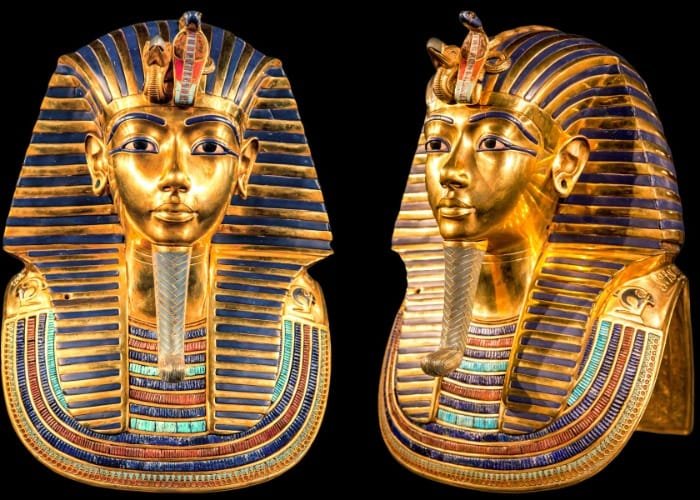
1. The Golden Mask of Tutankhamun
The Golden Mask of Tutankhamun is one of the most famous Ancient Egyptian artifacts ever discovered. Found inside the tomb of King Tutankhamun in the Valley of the Kings, the mask is made of solid gold and decorated with precious stones and colored glass. It was designed to protect the young pharaoh in the afterlife and represents the extraordinary craftsmanship of ancient Egyptian artisans. Today, the mask remains a symbol of Ancient Egypt and attracts millions of visitors interested in Egyptian archaeology, pharaoh treasures, and ancient Egyptian history. It is considered one of the greatest archaeological discoveries of all time.
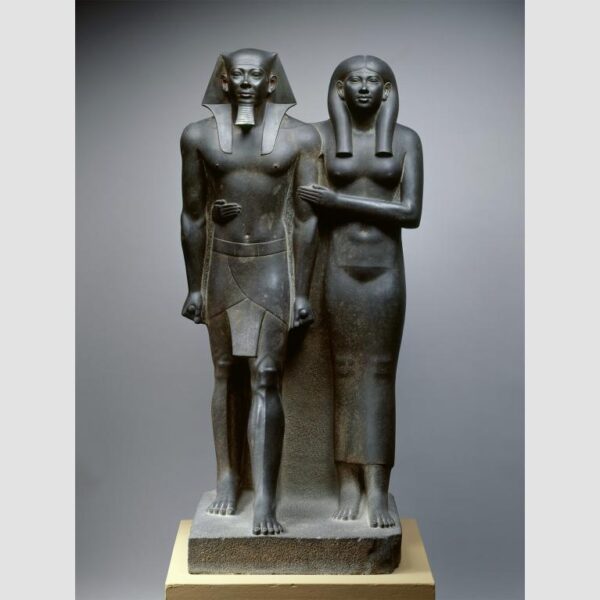
2. Ancient Egyptian Statues
Ancient Egyptian statues were created to honor pharaohs, gods, queens, and important officials. These sculptures were carved from limestone, granite, sandstone, and other durable materials. Statues served both religious and political purposes, often placed inside temples, tombs, and palaces. Famous examples include the colossal statues of Ramses II and numerous depictions of gods such as Amun, Osiris, and Horus. These remarkable artifacts provide valuable insights into ancient Egyptian art, royal power, religious beliefs, and daily life. Today, Egyptian statues remain among the most recognizable symbols of ancient civilization.
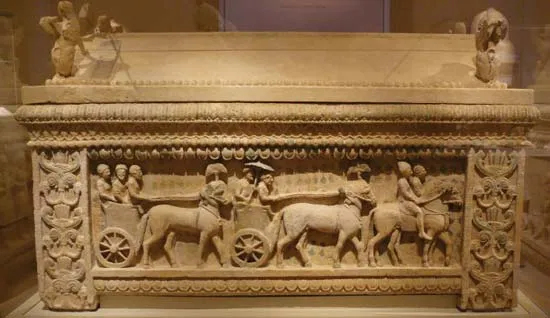
3. Stone and Wooden Sarcophagi
Sarcophagi were elaborate coffins used to protect mummies during their journey to the afterlife. Ancient Egyptians decorated these stone and wooden coffins with colorful paintings, hieroglyphics, and religious texts. Many sarcophagi featured images of the deceased along with protective gods and sacred symbols. Royal sarcophagi were often made from granite or quartzite, while nobles commonly used decorated wooden coffins. These ancient Egyptian artifacts reveal important information about burial customs, funerary traditions, and beliefs regarding immortality. Many beautifully preserved sarcophagi can be seen in museums throughout Egypt and around the world.
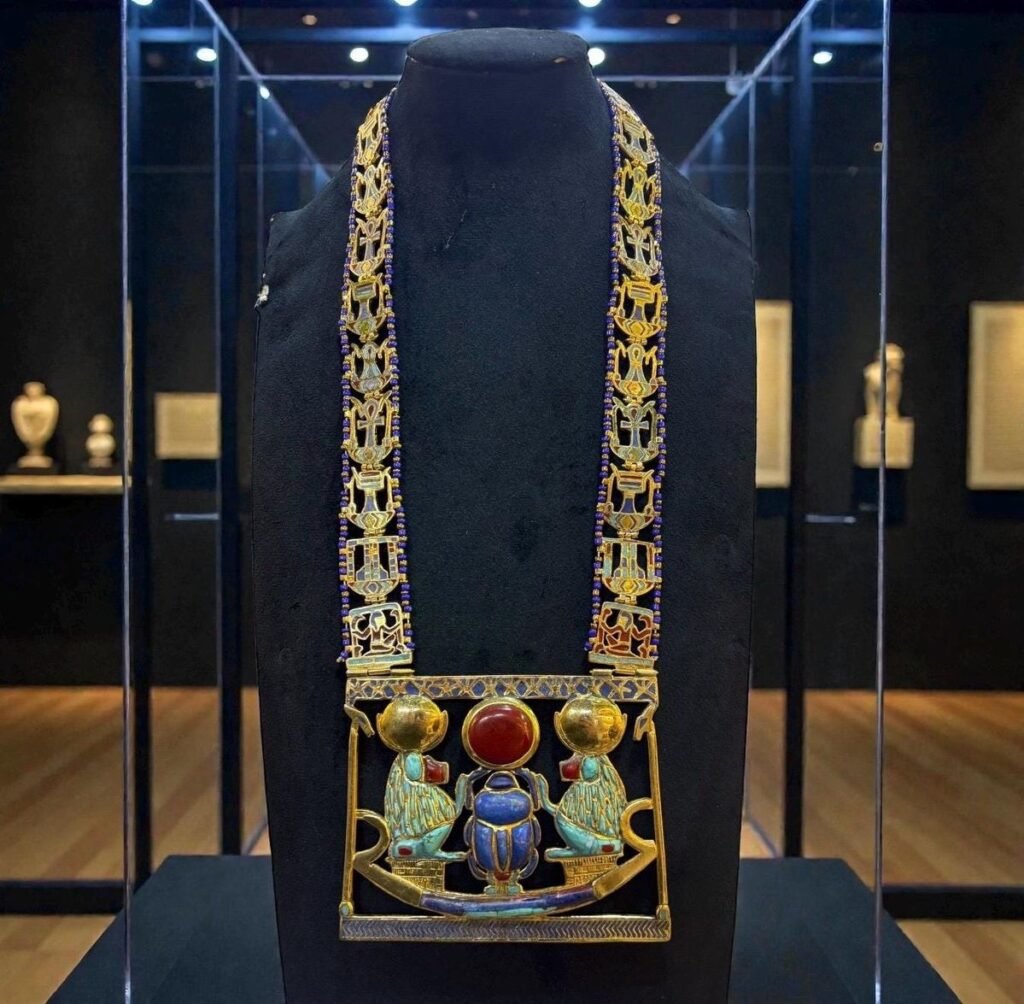
4. Royal Egyptian Jewelry
Ancient Egyptian jewelry was not only decorative but also carried religious and symbolic meaning. Pharaohs, queens, and nobles wore necklaces, bracelets, rings, earrings, and crowns made from gold, silver, lapis lazuli, turquoise, and carnelian. Many pieces featured sacred symbols such as scarabs, ankhs, and the Eye of Horus. Archaeologists have discovered stunning collections of royal jewelry inside tombs and burial chambers. These treasures demonstrate the wealth and artistic skill of ancient Egyptian craftsmen. Today, royal Egyptian jewelry remains one of the most admired categories of Egyptian antiquities and archaeological treasures.
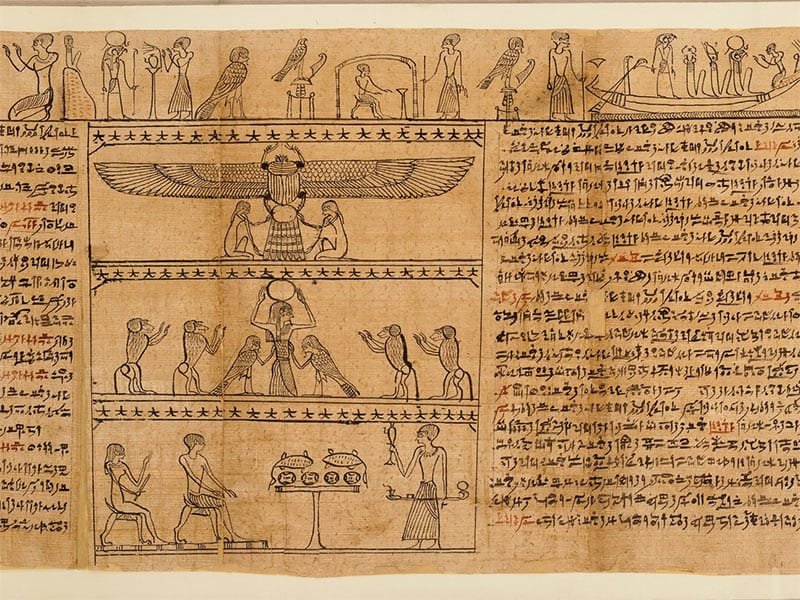
5. Ancient Egyptian Papyri
Papyrus was the primary writing material used in Ancient Egypt. Made from the papyrus plant that grew along the Nile River, it was used to record religious texts, legal documents, medical knowledge, literature, and historical events. Some of the most famous papyri include copies of the Book of the Dead, which guided the deceased through the afterlife. Ancient Egyptian papyri provide historians with invaluable information about daily life, religion, government, and education. These fragile artifacts are among the most important written records from the ancient world and continue to be studied by researchers today.
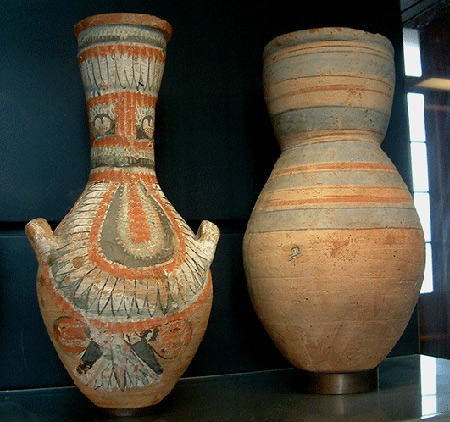
6. Egyptian Pottery and Ceramics
Pottery was an essential part of everyday life in Ancient Egypt. Egyptians produced a wide variety of ceramic vessels used for cooking, storing food, transporting water, and conducting religious ceremonies. Pottery styles evolved over thousands of years, allowing archaeologists to date archaeological sites accurately. Many pottery pieces were decorated with geometric patterns, animals, and scenes from daily life. These artifacts offer important evidence about trade, technology, agriculture, and household activities. Ancient Egyptian pottery remains one of the most commonly discovered archaeological finds throughout Egypt and provides valuable insights into ordinary life.
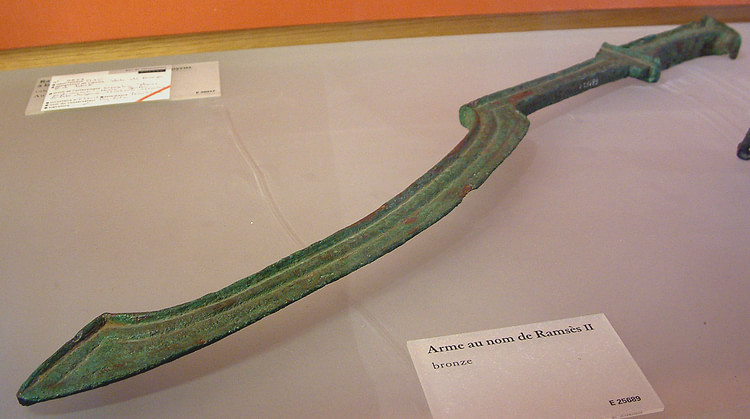
7. Ancient Egyptian Weapons
Ancient Egyptian weapons played an important role in protecting the kingdom and expanding its territories. Archaeologists have uncovered swords, daggers, spears, bows, arrows, shields, and battle axes from various periods of Egyptian history. Many weapons belonged to soldiers, military commanders, and even pharaohs. Some ceremonial weapons were richly decorated with gold and precious stones. These artifacts reveal how ancient Egyptians developed military strategies and defended their civilization against foreign enemies. Today, Egyptian weapons help historians better understand warfare, technology, and royal power in the ancient world.
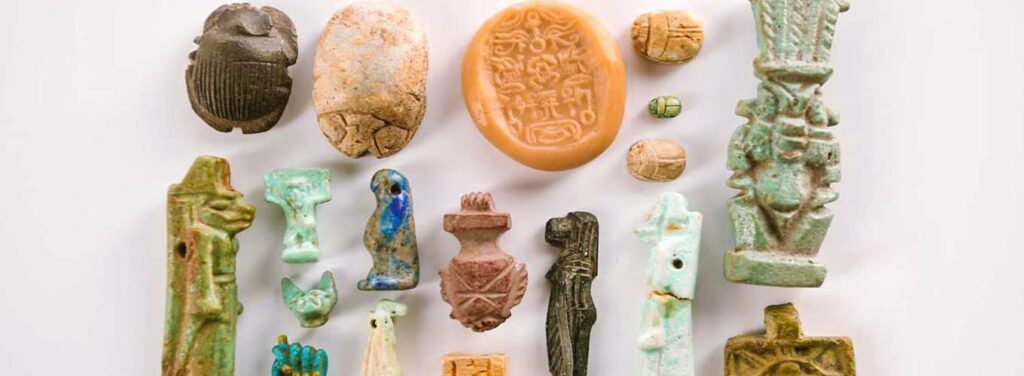
8. Religious Amulets
Religious amulets were among the most common Ancient Egyptian artifacts. These small objects were believed to provide protection, luck, health, and divine blessings. Egyptians wore amulets during their lives and placed them inside tombs to safeguard the deceased in the afterlife. Popular examples include scarab beetles, the Eye of Horus, the Ankh, and symbols associated with various gods. Crafted from stone, faience, gold, and precious gems, amulets held deep spiritual significance. Their widespread use highlights the central role that religion and magic played in ancient Egyptian culture.
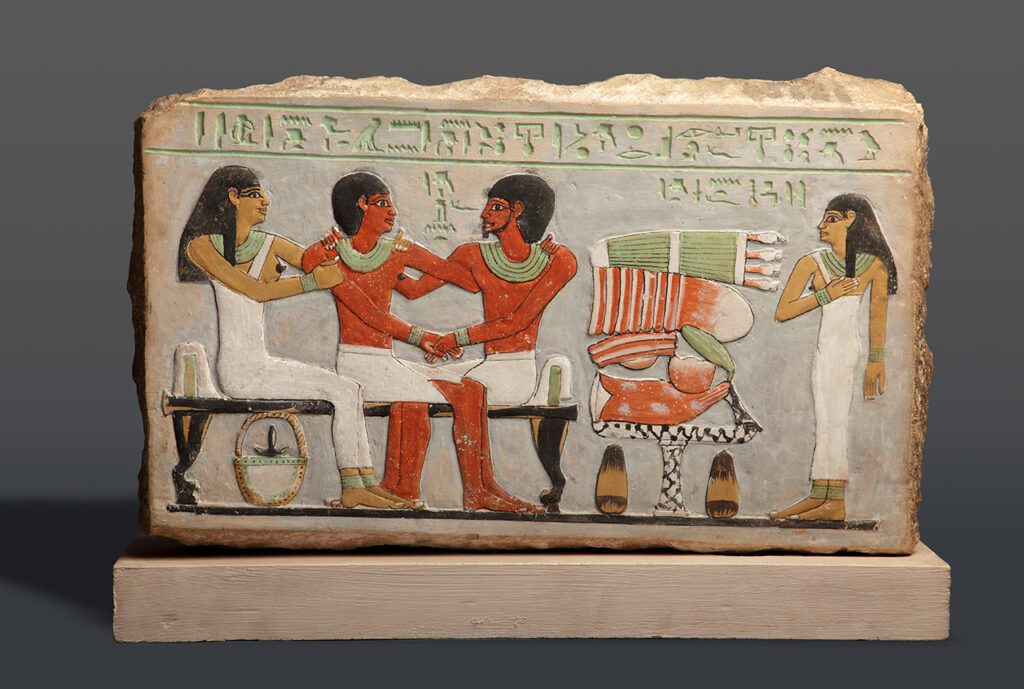
9. Funerary Stelae
Funerary stelae were carved stone slabs placed near tombs to commemorate the deceased. They often contained inscriptions, prayers, biographical information, and images of the tomb owner presenting offerings to the gods. These monuments served both religious and memorial purposes. Many stelae provide valuable historical records about family relationships, professions, social status, and religious beliefs. Ancient Egyptian funerary stelae are important archaeological artifacts because they preserve details about individuals who might otherwise have been forgotten. They continue to be studied by Egyptologists seeking to understand ancient Egyptian society.
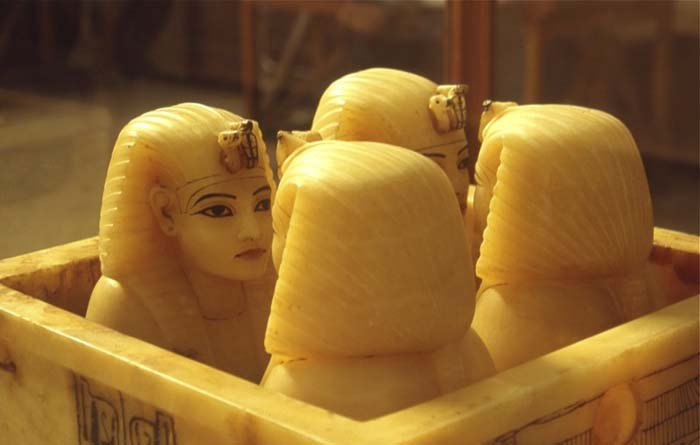
10. Canopic Jars
Canopic jars were used during the mummification process to store and protect the internal organs of the deceased. Typically, four jars were placed inside tombs, each guarded by one of the Four Sons of Horus. The liver, lungs, stomach, and intestines were carefully preserved within these containers. Canopic jars were often made from alabaster, limestone, pottery, or wood and decorated with religious imagery. These artifacts provide crucial evidence about ancient Egyptian burial practices and beliefs concerning resurrection and the afterlife. They remain among the most distinctive and fascinating artifacts from Ancient Egypt.
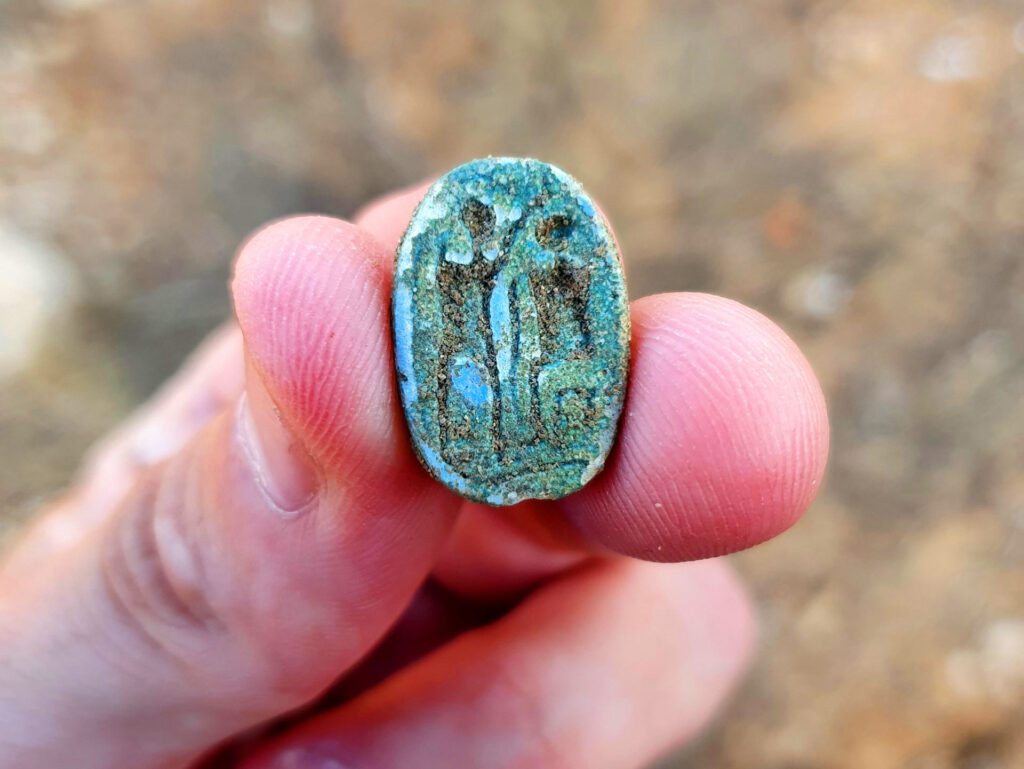
11. Scarab Seals
Scarab seals were among the most important personal items used in Ancient Egypt. Inspired by the sacred scarab beetle, these small artifacts symbolized rebirth, protection, and good fortune. Scarabs were commonly carved from stone, faience, or precious materials and often featured inscriptions, royal names, or religious symbols on their flat undersides. Egyptians used them as seals for official documents, amulets for protection, and jewelry for personal adornment. Thousands of scarab seals have been discovered in tombs, temples, and settlements across Egypt. Today, they are valuable archaeological artifacts that provide insights into administration, religion, and daily life in Ancient Egypt.

12. The Rosetta Stone
The Rosetta Stone is one of the most significant Ancient Egyptian artifacts ever discovered. Found in 1799 near the town of Rosetta in the Nile Delta, the stone contains the same text written in hieroglyphics, Demotic script, and Ancient Greek. This unique inscription enabled scholars to decipher Egyptian hieroglyphs for the first time. The breakthrough transformed the study of Egyptology and unlocked thousands of years of Egyptian history. Although not created as a royal treasure, the Rosetta Stone became one of the most influential archaeological discoveries in the world and remains a symbol of humanity’s ability to uncover lost knowledge.
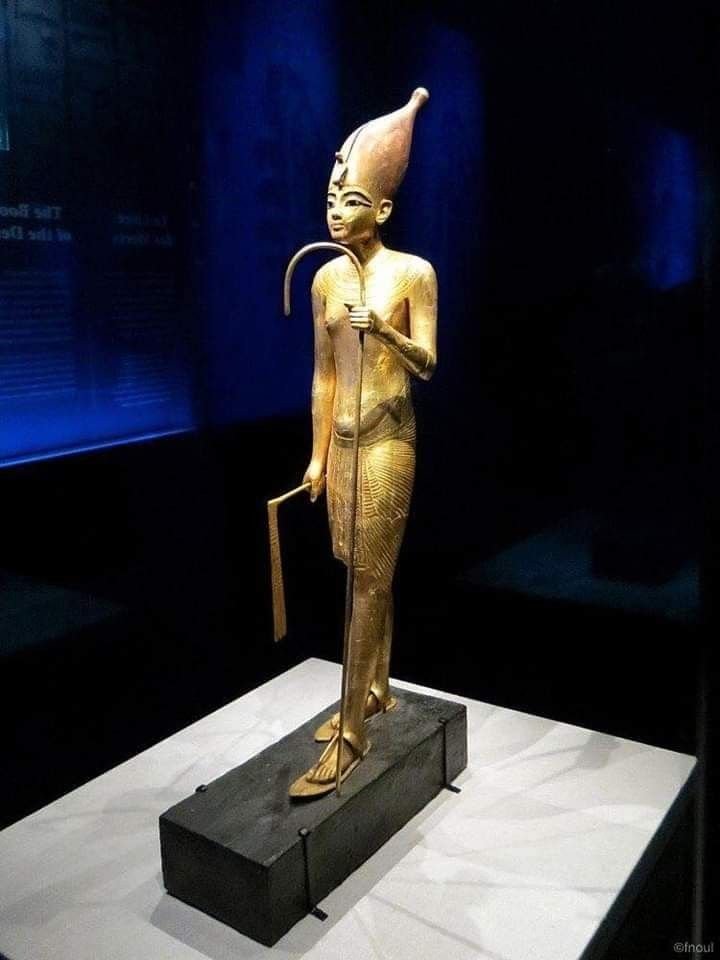
13. Shabti Figures
Shabti figures, also known as ushabtis, were small statues placed inside tombs to serve the deceased in the afterlife. Ancient Egyptians believed these figurines would perform agricultural labor and other duties on behalf of the tomb owner. Shabtis were commonly made from faience, wood, stone, or clay and often inscribed with magical texts. Wealthy individuals sometimes included hundreds of shabti figures in their burials. These fascinating artifacts reveal the Egyptian belief in life after death and the importance of preparing for eternity. Today, shabti figures are among the most frequently discovered funerary objects in Egypt.
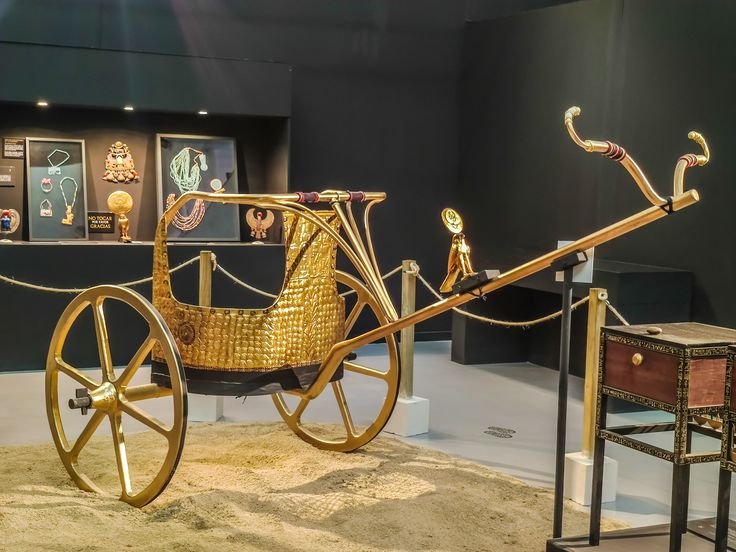
14. Ancient Egyptian Chariots
Ancient Egyptian chariots played a vital role in warfare, hunting, and royal ceremonies. Introduced during the Second Intermediate Period, chariots became powerful symbols of military strength and royal authority. Constructed from lightweight wood and leather, they were designed for speed and maneuverability. Pharaohs such as Ramses II famously used chariots during military campaigns and public events. Archaeologists have discovered remarkably preserved chariots in royal tombs, including those found in Tutankhamun’s burial chamber. These artifacts demonstrate the technological achievements of Ancient Egypt and provide valuable evidence about transportation, warfare, and royal prestige.
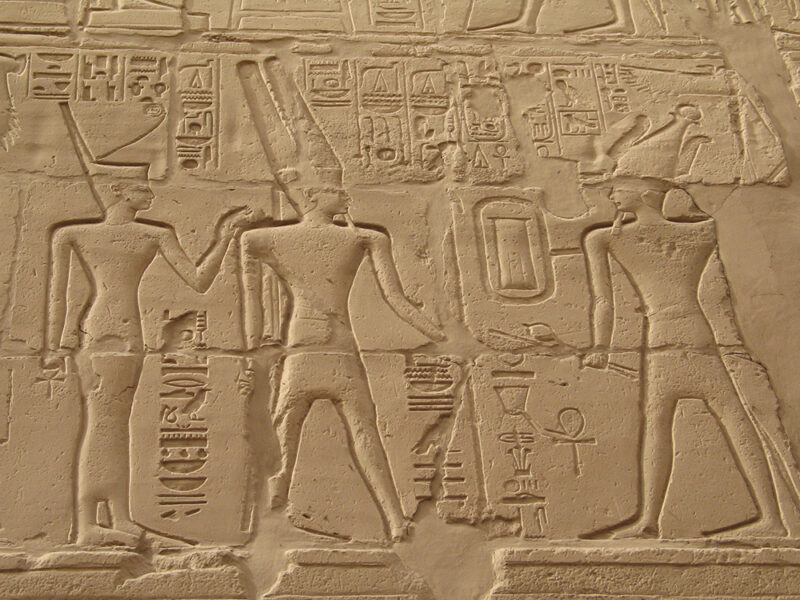
15. Temple Reliefs
Temple reliefs are some of the most impressive examples of Ancient Egyptian art and craftsmanship. Carved into the walls of temples, these reliefs depict religious ceremonies, military victories, royal achievements, and offerings to the gods. Famous examples can be found at Karnak Temple, Luxor Temple, Abu Simbel, and the Temple of Horus at Edfu. The scenes are accompanied by hieroglyphic inscriptions that record important historical events and religious beliefs. Temple reliefs serve as visual records of Egyptian civilization and remain essential sources of information for archaeologists studying the history, religion, and politics of Ancient Egypt.
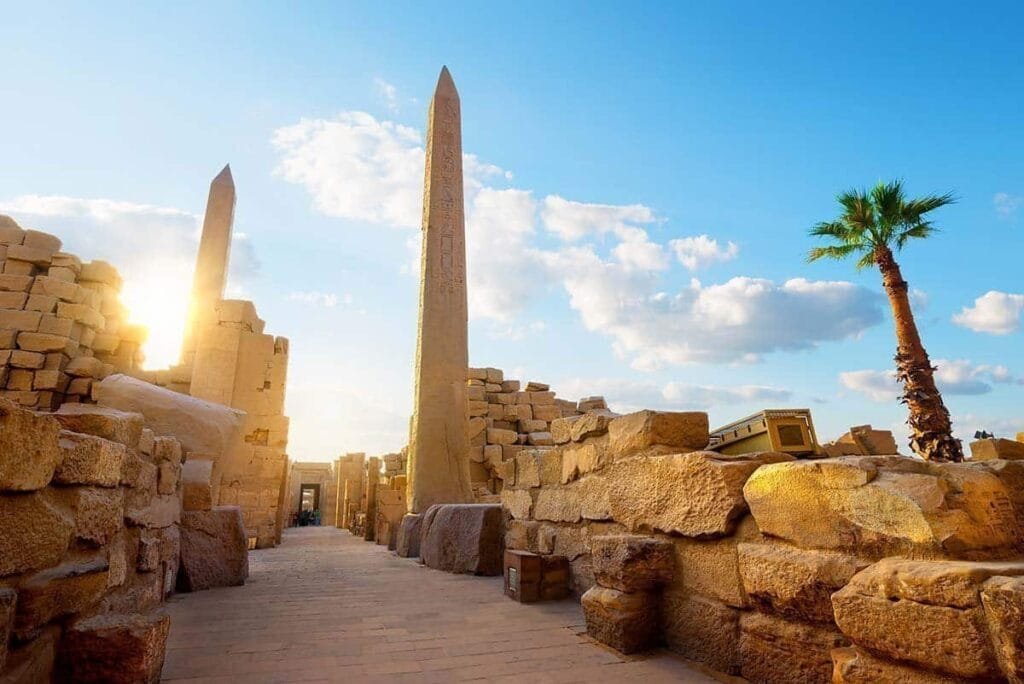
16. Egyptian Obelisks
Obelisks are towering stone monuments that symbolize the power of the sun god Ra and the authority of the pharaohs. Carved from single blocks of granite, these impressive structures were often erected at the entrances of temples. Their surfaces were covered with hieroglyphic inscriptions celebrating royal achievements and religious devotion. Some obelisks reached heights of more than 30 meters and required extraordinary engineering skills to transport and erect. Ancient Egyptian obelisks remain among the most recognizable monuments of Egyptian civilization. Many still stand in Egypt today, while others have been relocated to major cities around the world.
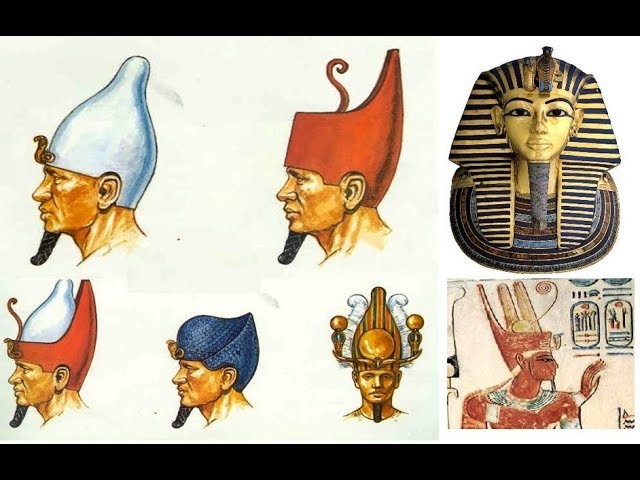
17. Pharaoh Crowns
The crowns of Ancient Egypt were powerful symbols of kingship, divine authority, and national unity. Different crowns represented different aspects of royal rule. The White Crown symbolized Upper Egypt, while the Red Crown represented Lower Egypt. The Double Crown combined both kingdoms and signified a united Egypt. Pharaohs also wore ceremonial headdresses such as the Nemes and the Blue Crown used during military campaigns. Images of these crowns appear frequently in statues, temple reliefs, and tomb paintings. They remain important artifacts for understanding royal symbolism, political power, and religious traditions in Ancient Egypt.
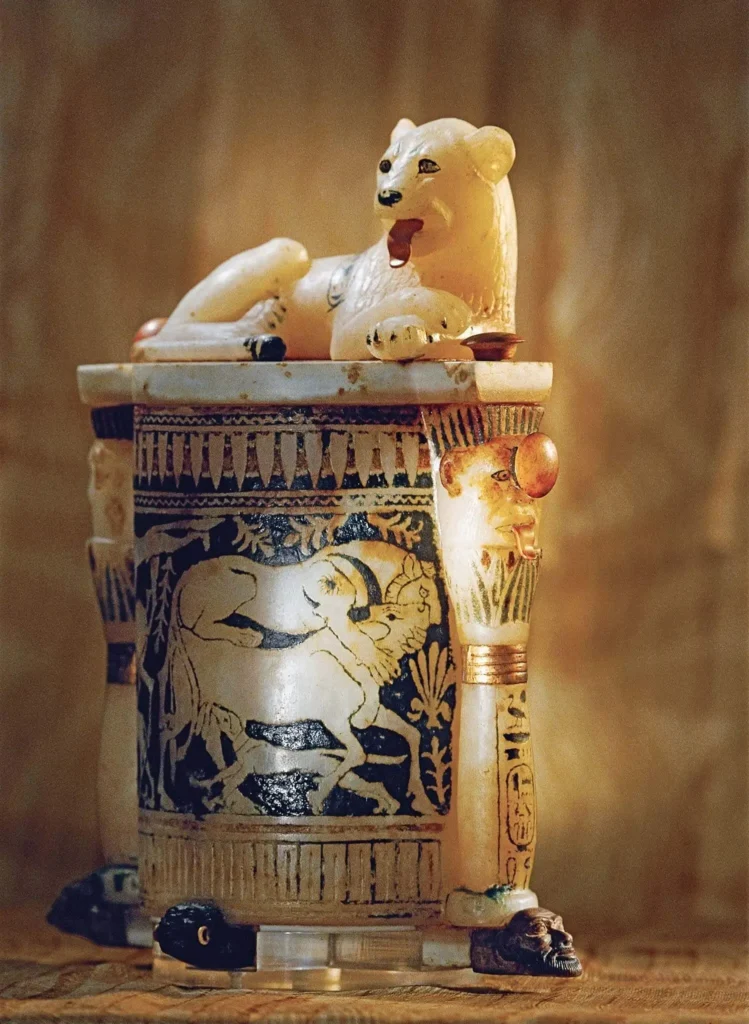
18. Cosmetic Containers
Personal grooming was an important aspect of life in Ancient Egypt, and cosmetic containers are among the most fascinating artifacts discovered by archaeologists. Egyptians used makeup for beauty, health, and religious purposes. Containers made from alabaster, stone, ivory, wood, and faience were used to store perfumes, oils, ointments, and cosmetics such as kohl. Many containers were beautifully decorated with animal figures, floral motifs, and religious symbols. These artifacts provide valuable information about fashion, daily life, and social customs. They also demonstrate the remarkable artistic skills of Ancient Egyptian craftsmen and artisans.
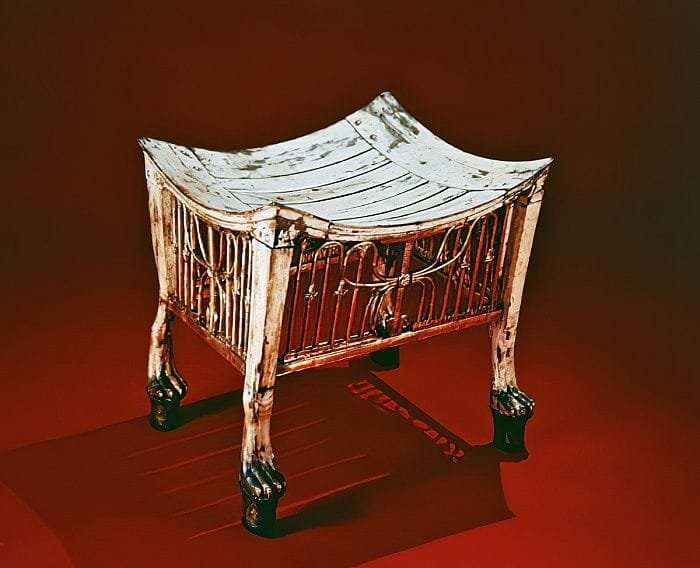
19. Ancient Egyptian Furniture
Ancient Egyptian furniture offers a unique glimpse into the comfort and sophistication enjoyed by the elite classes. Archaeologists have uncovered beds, chairs, stools, tables, chests, and cabinets from royal tombs and noble residences. Many pieces were crafted from imported woods and decorated with ivory, gold, ebony, and intricate carvings. The furniture discovered in Tutankhamun’s tomb is especially famous for its exceptional preservation and artistic beauty. These artifacts reveal details about interior design, craftsmanship, and everyday life in Ancient Egypt. They also highlight the wealth and status of the individuals who owned them.
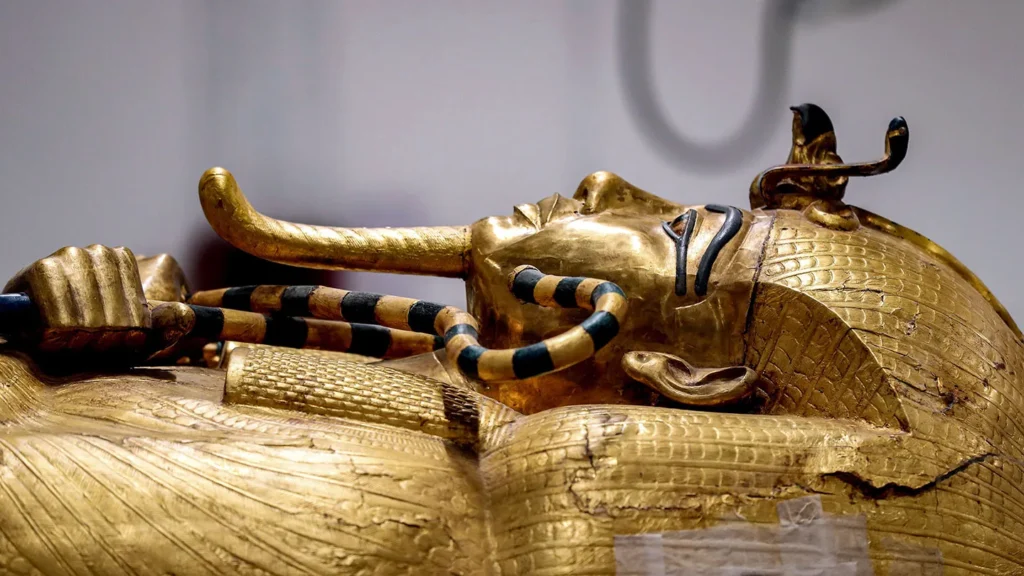
20. Mummy Masks
Mummy masks were created to cover the faces of the deceased and help preserve their identity in the afterlife. These masks were often made from cartonnage, wood, gold leaf, or precious materials and decorated with colorful designs and religious imagery. Royal mummy masks were especially elaborate, with the Golden Mask of Tutankhamun being the most famous example. The masks were believed to assist the soul in recognizing its body and achieving eternal life. Today, mummy masks are among the most iconic Ancient Egyptian artifacts and continue to fascinate visitors interested in Egyptian history and archaeology.
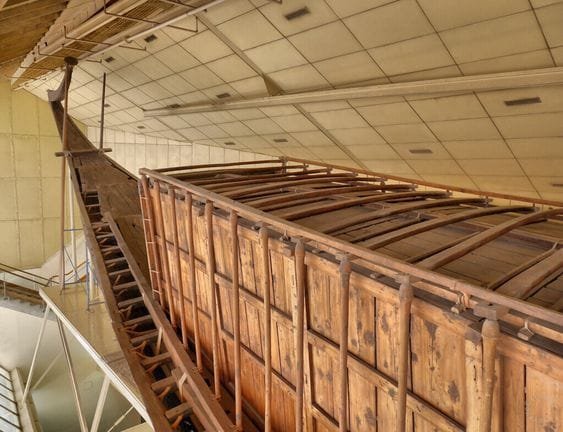
21. Ancient Egyptian Boats
Ancient Egyptian boats were essential for transportation, trade, fishing, and religious ceremonies along the Nile River. Egyptians built vessels from papyrus reeds and wooden planks, creating some of the earliest advanced watercraft in history. Boats were also closely connected to religion, as the sun god Ra was believed to travel across the sky in a sacred solar boat. Several impressive boats have been discovered in archaeological sites, including the famous Khufu Solar Boat near the Great Pyramid of Giza. These remarkable artifacts demonstrate the importance of the Nile River in shaping Egyptian civilization and reveal the advanced engineering skills of ancient shipbuilders.
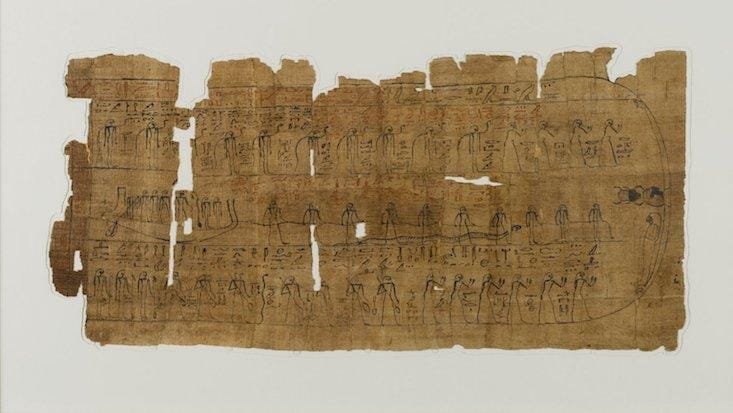
22. Book of the Dead Manuscripts
The Book of the Dead is one of the most important collections of religious texts from Ancient Egypt. Written on papyrus scrolls and placed inside tombs, these manuscripts contained spells, prayers, and instructions designed to help the deceased navigate the afterlife. The texts guided souls through dangerous challenges and prepared them for judgment before Osiris. Each manuscript was often customized for its owner and beautifully illustrated with colorful scenes. These extraordinary artifacts provide invaluable insights into Egyptian religious beliefs, funerary practices, and concepts of immortality. They remain among the most significant documents in the history of ancient civilization.
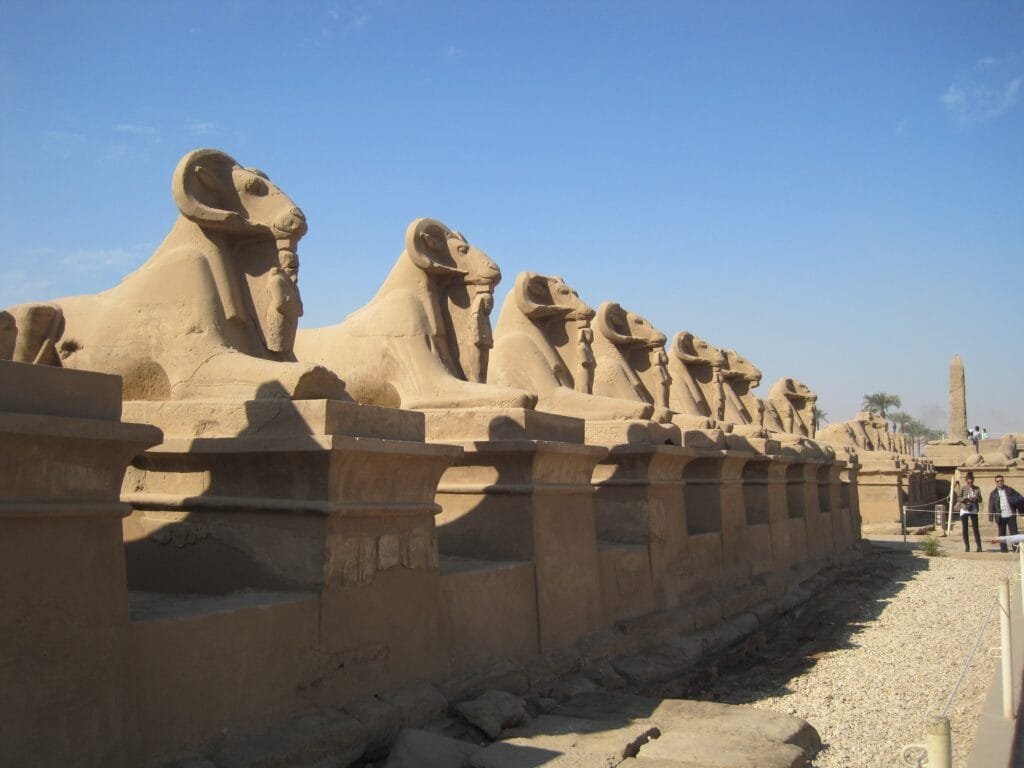
23. Sphinx Statues
Sphinx statues are among the most iconic symbols of Ancient Egypt. Typically featuring the body of a lion and the head of a human, sphinxes represented strength, wisdom, and royal authority. The most famous example is the Great Sphinx of Giza, which has guarded the pyramids for thousands of years. Smaller sphinx statues were commonly placed along temple avenues and sacred processional routes. Many sphinxes depicted pharaohs as divine protectors of Egypt. These impressive monuments continue to fascinate archaeologists and visitors alike, serving as enduring reminders of Egypt's artistic achievements and powerful religious traditions.
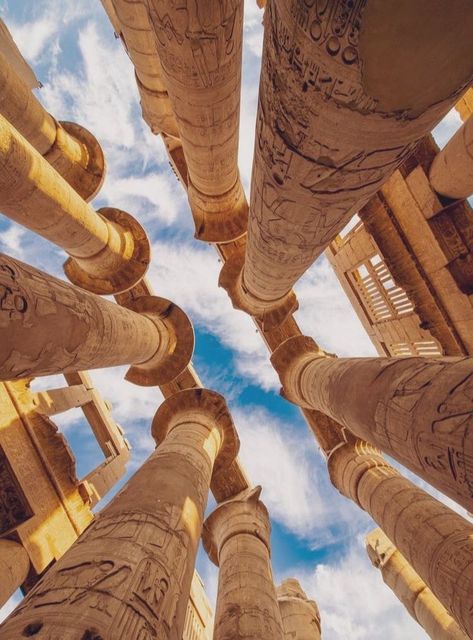
24. Temple Columns
Temple columns were vital architectural features in Ancient Egyptian temples and remain some of the most impressive surviving artifacts from the ancient world. These massive stone columns supported temple roofs and were often decorated with colorful carvings, hieroglyphic inscriptions, and scenes depicting gods and pharaohs. Many columns were designed to resemble papyrus plants, lotus flowers, or palm trees, reflecting the importance of nature in Egyptian symbolism. Famous examples can be seen at Karnak Temple and Luxor Temple. These architectural masterpieces showcase the engineering expertise and artistic creativity that made Ancient Egypt one of history's greatest civilizations.
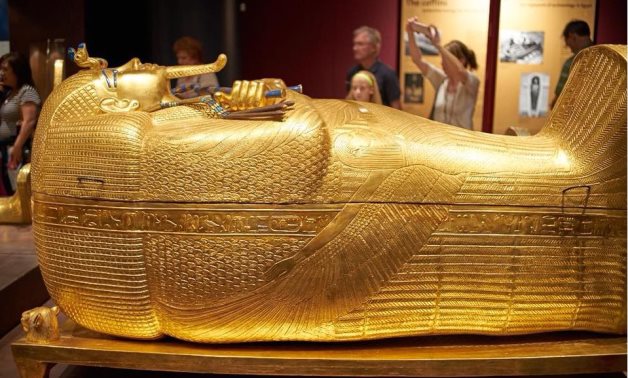
25. Gold Coffins
Gold coffins were among the most luxurious burial objects created for Egyptian royalty and high-ranking nobles. Crafted from wood covered with gold leaf or made partly from precious metals, these coffins symbolized divine status and eternal protection. The most famous example is the innermost coffin of King Tutankhamun, which was made from solid gold and weighed more than 100 kilograms. These extraordinary artifacts were decorated with hieroglyphics, religious texts, and images of protective deities. Gold coffins demonstrate the immense wealth of the pharaohs and the importance of preparing for the afterlife in Ancient Egyptian culture.
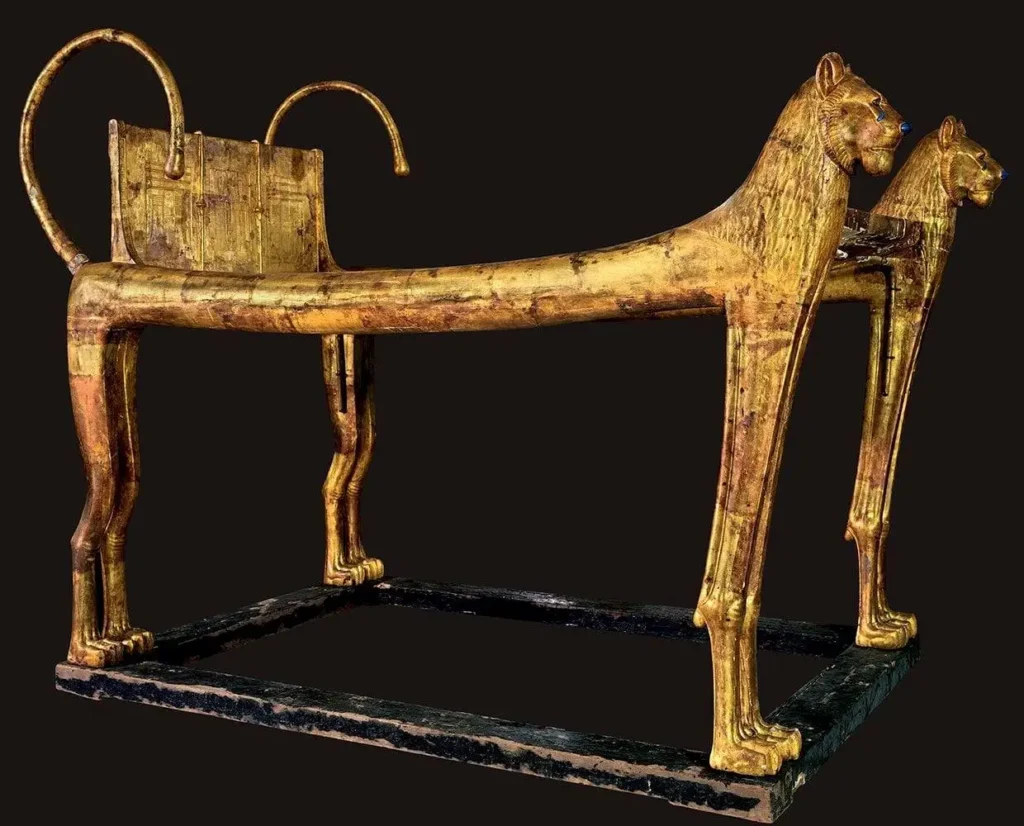
26. Royal Thrones
Royal thrones were powerful symbols of kingship and authority in Ancient Egypt. Used by pharaohs during official ceremonies and state functions, these elaborate seats were often decorated with gold, ivory, ebony, and precious stones. Many featured scenes showing the ruler receiving blessings from the gods or celebrating military victories. The throne discovered in Tutankhamun's tomb is one of the finest examples of ancient Egyptian craftsmanship. These artifacts provide valuable insights into royal life, political power, and artistic traditions. They also reflect the belief that pharaohs ruled Egypt with divine approval from the gods.
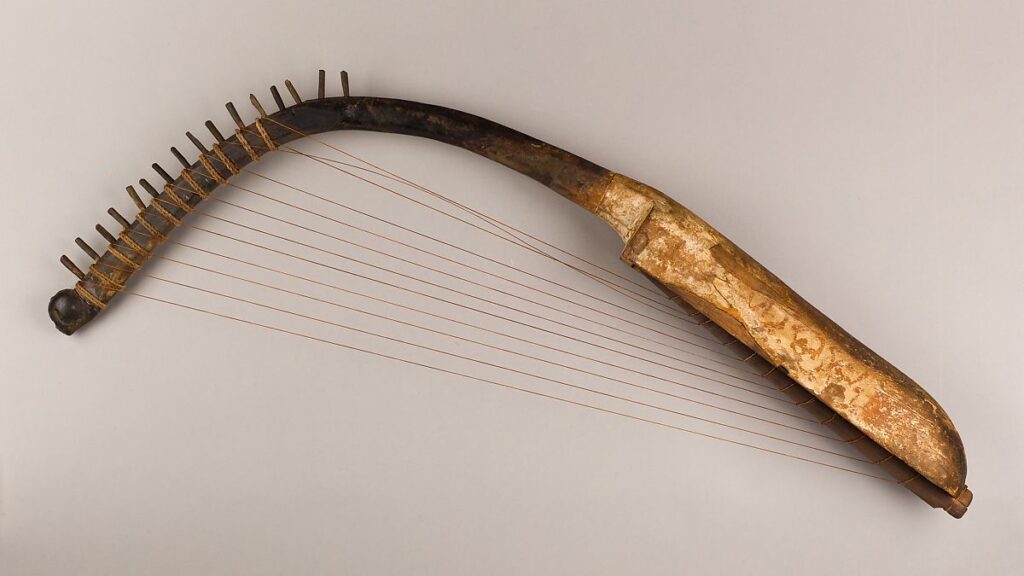
27. Ancient Egyptian Musical Instruments
Music played an important role in religious ceremonies, festivals, and daily life in Ancient Egypt. Archaeologists have uncovered a wide variety of musical instruments, including harps, flutes, drums, lutes, trumpets, and rattles known as sistrums. These instruments were used in temples, royal courts, and public celebrations. Musicians often performed during religious rituals dedicated to gods such as Hathor and Amun. Ancient Egyptian musical instruments reveal much about entertainment, worship, and cultural traditions. They demonstrate that music was a central part of Egyptian society and contributed significantly to both spiritual and social life.
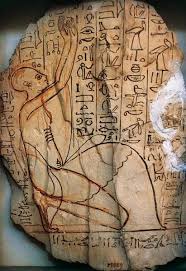
28. Ostraca
Ostraca are pieces of broken pottery or limestone that were used as inexpensive writing surfaces in Ancient Egypt. Workers, scribes, and officials often recorded notes, sketches, calculations, and letters on these fragments. Thousands of ostraca have been discovered at archaeological sites such as Deir el-Medina, where the craftsmen who built the royal tombs lived. These simple artifacts provide an extraordinary glimpse into everyday life, education, administration, and personal communication. Because they often contain informal writings, ostraca offer historians valuable information that is rarely found in official inscriptions and monuments.
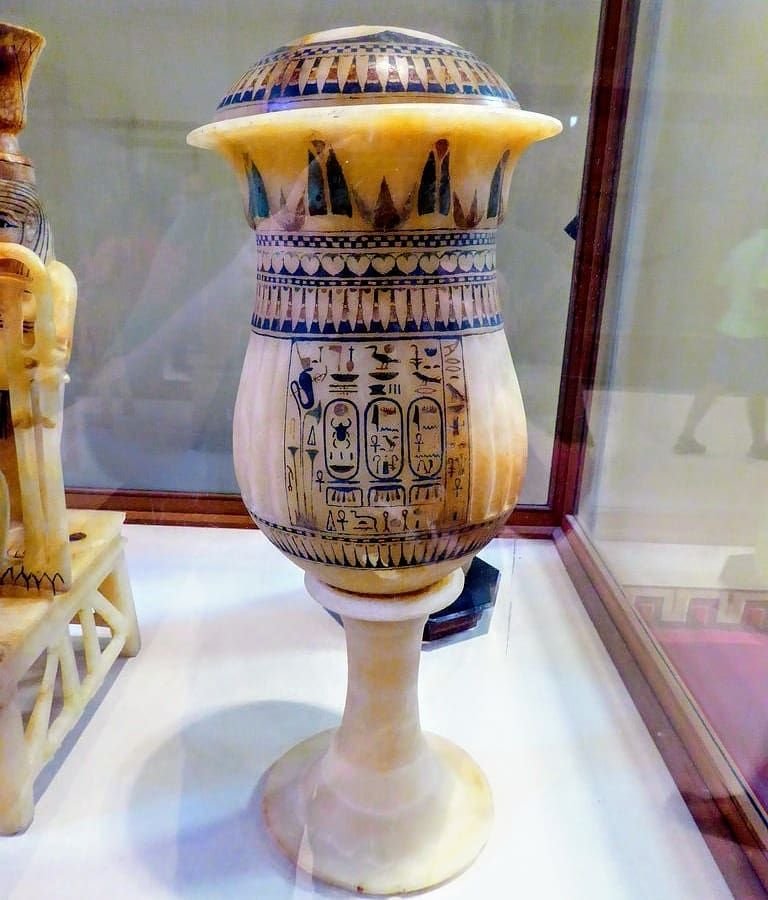
29. Ritual Vessels
Ritual vessels were used in religious ceremonies performed in temples and sacred spaces throughout Ancient Egypt. These containers held offerings such as water, wine, milk, oils, incense, and other substances presented to the gods. Crafted from stone, alabaster, gold, silver, and pottery, many ritual vessels were beautifully decorated with religious symbols and inscriptions. Priests used them during purification rituals and temple festivals. These important artifacts help archaeologists understand ancient Egyptian religious practices and temple traditions. They also highlight the deep connection between material culture and spiritual beliefs in Egyptian society.
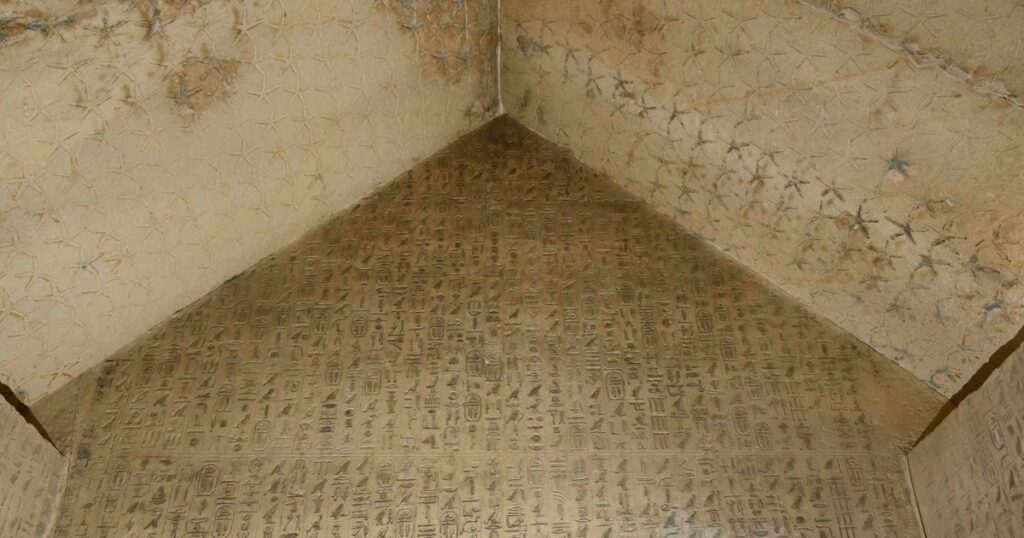
30. Pyramid Texts
The Pyramid Texts are among the oldest religious writings in human history. Carved directly onto the walls of royal pyramids during the Old Kingdom, these sacred inscriptions were intended to help deceased kings achieve eternal life. The texts contain hymns, prayers, spells, and magical formulas associated with resurrection and divine protection. They represent the foundation of later funerary literature, including the Coffin Texts and the Book of the Dead. As both literary and archaeological treasures, the Pyramid Texts provide essential evidence about early Egyptian religion, royal ideology, and beliefs concerning the afterlife.
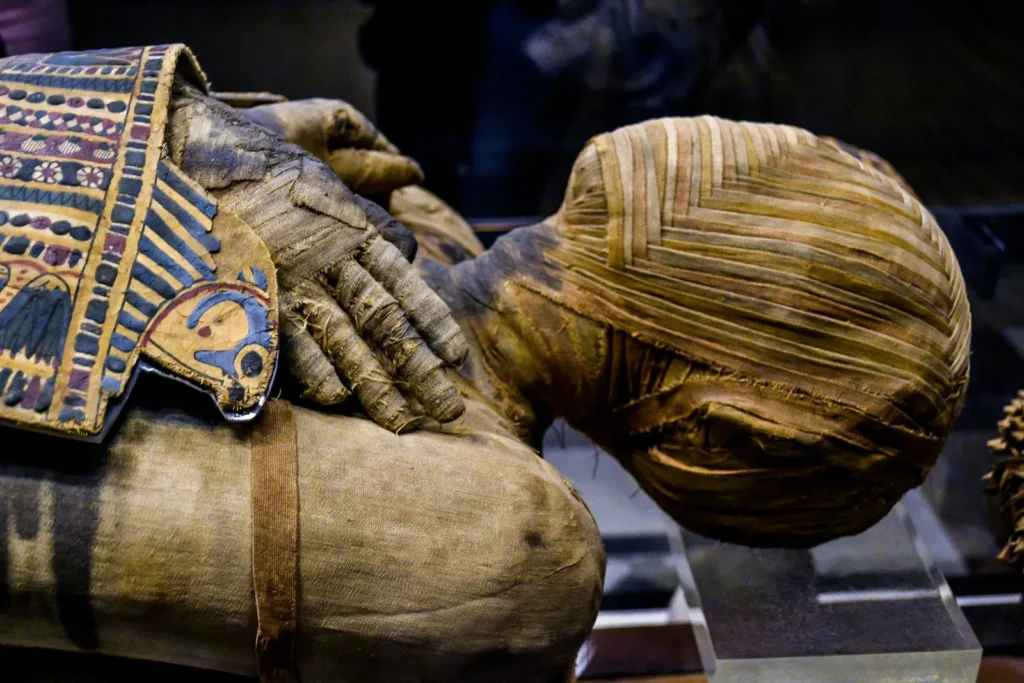
31. Ancient Egyptian Mummies
Ancient Egyptian mummies are among the most famous archaeological discoveries in the world. Mummification was a complex process designed to preserve the body for the afterlife, reflecting the Egyptian belief that the soul needed a recognizable body to achieve eternal existence. Priests carefully removed internal organs, dried the body using natron salt, and wrapped it in layers of linen bandages. Many royal mummies, including those of powerful pharaohs, have survived for thousands of years. These extraordinary artifacts provide valuable information about ancient health, diet, religion, and burial customs. Today, Egyptian mummies remain symbols of Ancient Egypt and continue to fascinate visitors and researchers alike.
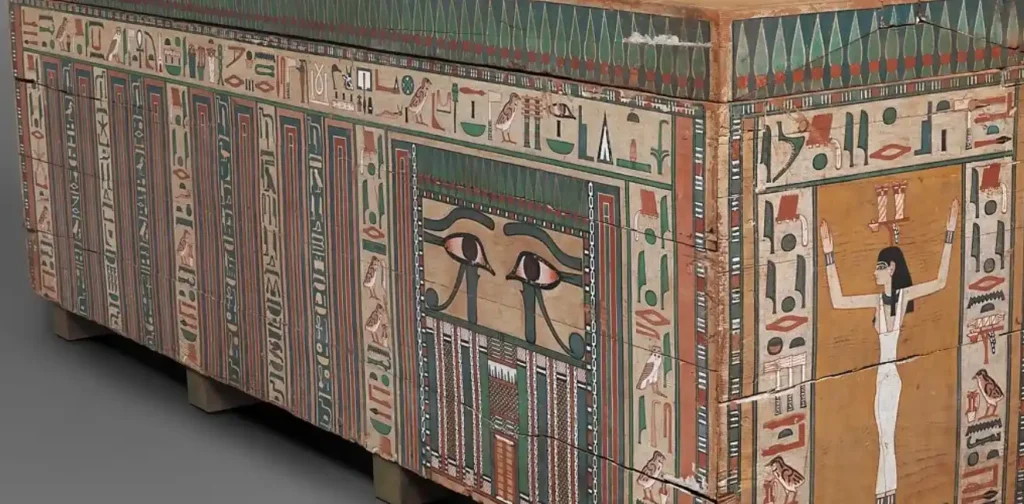
32. Coffin Texts
The Coffin Texts are an important collection of ancient Egyptian funerary writings that appeared during the Middle Kingdom. Unlike the earlier Pyramid Texts, which were reserved for kings, the Coffin Texts were available to wealthy nobles and officials. Written on wooden coffins, these spells and prayers were intended to protect the deceased and guide them through the afterlife. The texts describe magical journeys, encounters with gods, and methods for overcoming dangers in the underworld. These artifacts provide crucial evidence about evolving Egyptian religious beliefs and demonstrate how concepts of the afterlife became accessible to a broader segment of society.
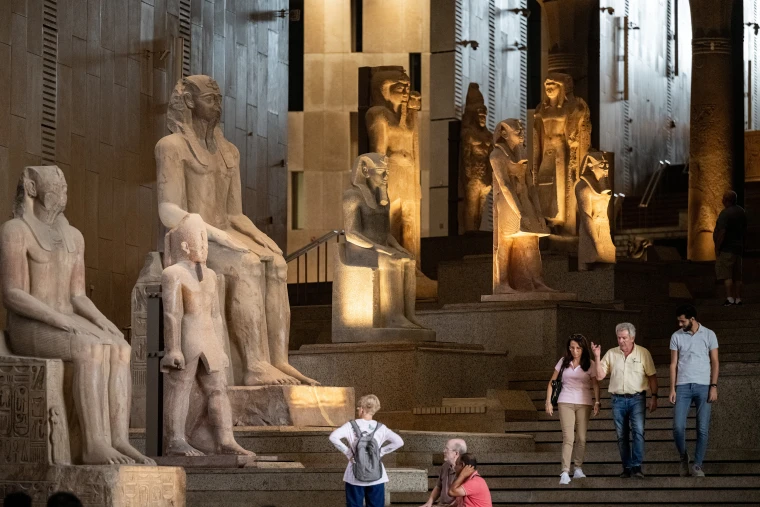
33. Temple Statues of Gods
Temple statues of gods played a central role in Ancient Egyptian religious life. These sacred sculptures represented deities such as Osiris, Isis, Horus, Amun, Hathor, and Anubis. Priests cared for the statues through daily rituals, believing that the gods could inhabit their images. Crafted from stone, wood, bronze, and precious metals, many statues displayed exceptional artistic skill and religious symbolism. Some were small enough to be carried during religious processions, while others were monumental works placed inside temple sanctuaries. These important artifacts reveal the deep spiritual beliefs of Ancient Egypt and the close relationship between religion and daily life.
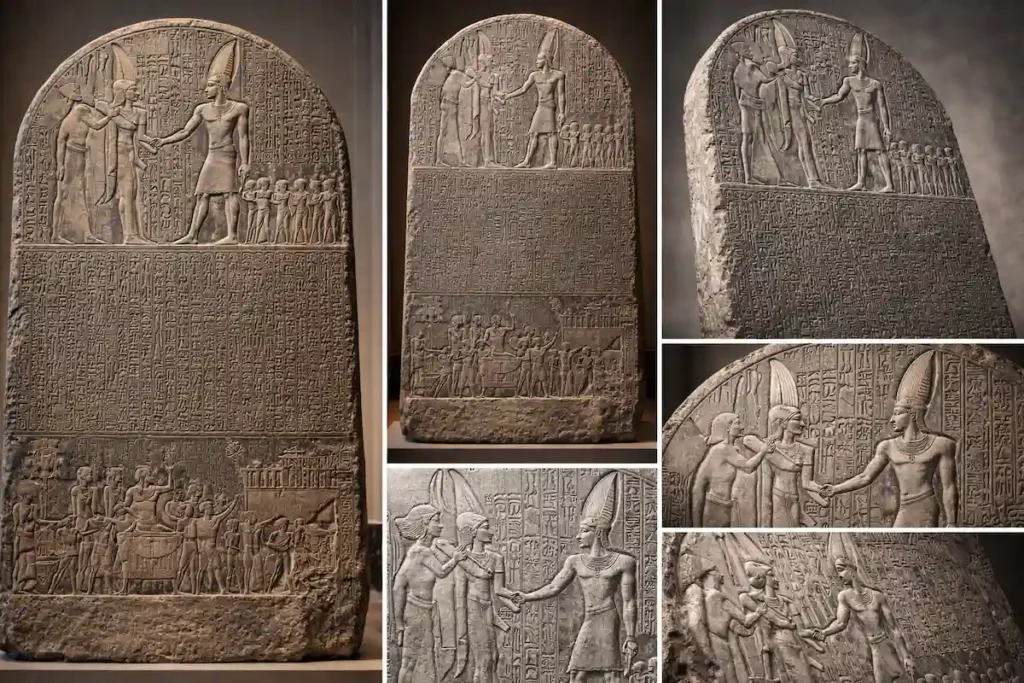
34. Victory Stelae
Victory stelae were monumental stone slabs erected to commemorate military achievements and political successes. Pharaohs used these monuments to celebrate victories over foreign enemies and demonstrate their strength as rulers. The inscriptions often described battles, captured territories, and divine support from the gods. One of the most famous examples is the Merneptah Stele, which contains valuable historical information about Egypt’s military campaigns. These remarkable artifacts served both as historical records and political propaganda. Today, victory stelae provide archaeologists and historians with important insights into warfare, diplomacy, and royal authority in Ancient Egypt.
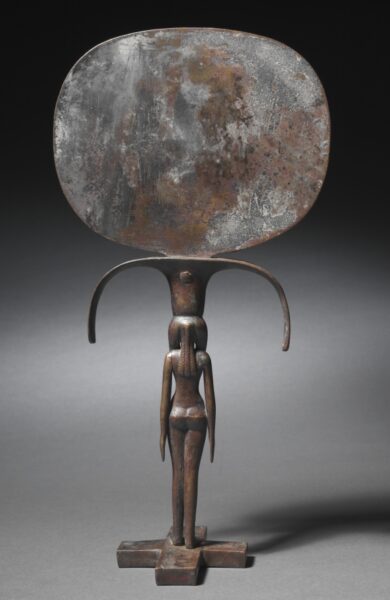
35. Ancient Egyptian Mirrors
Ancient Egyptian mirrors were both practical objects and symbols of beauty, status, and spirituality. Typically made from highly polished copper or bronze, mirrors often featured decorative handles carved from wood, ivory, or precious materials. Wealthy individuals used mirrors as part of their daily grooming routines, while some were placed in tombs to accompany the deceased into the afterlife. Mirrors were frequently associated with the goddess Hathor, who represented beauty, love, and joy. These elegant artifacts provide fascinating evidence about personal care, fashion, and artistic craftsmanship in Ancient Egypt while highlighting the sophistication of Egyptian society.
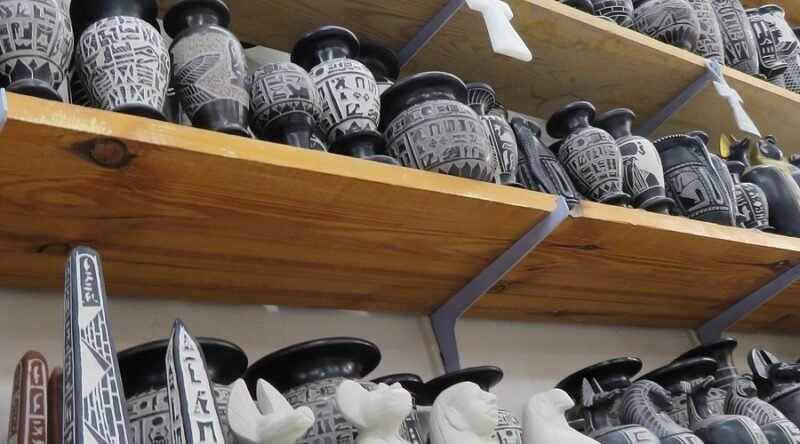
36. Alabaster Vessels
Alabaster vessels are among the most beautiful and refined artifacts discovered in Ancient Egypt. Crafted from translucent calcite stone commonly known as Egyptian alabaster, these containers were used to store perfumes, oils, cosmetics, wine, and sacred offerings. Their smooth surfaces and elegant shapes demonstrate the remarkable skills of Egyptian artisans. Many alabaster vessels have been found in royal tombs, including those of pharaohs and high-ranking nobles. Because alabaster was considered a luxury material, these artifacts often symbolized wealth and prestige. Today, they are highly valued by archaeologists for their artistic quality and historical significance.
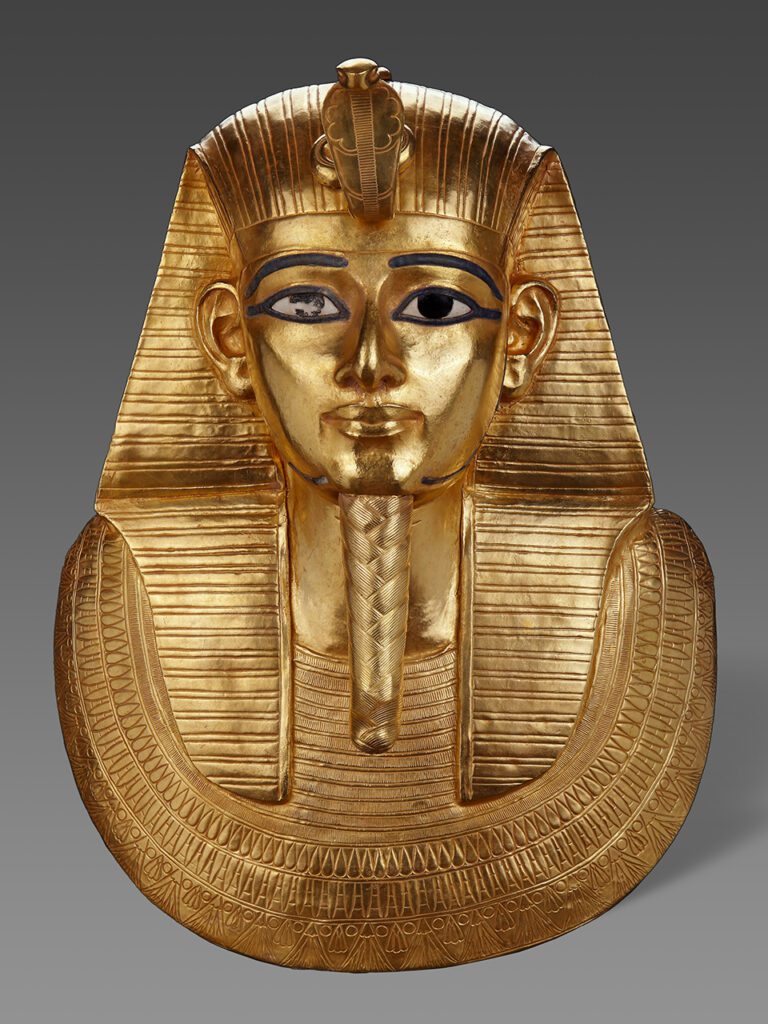
37. Funerary Masks
Funerary masks were created to cover and protect the faces of the deceased during burial. These masks helped preserve the individual's identity and ensured recognition in the afterlife. Made from materials such as cartonnage, wood, gold leaf, and precious stones, funerary masks often featured idealized facial features and religious symbolism. Wealthy Egyptians commissioned highly decorated masks to reflect their status and spiritual beliefs. The most famous example remains the golden funerary mask of Tutankhamun. These remarkable artifacts provide insight into Egyptian burial customs, artistic traditions, and beliefs concerning resurrection, immortality, and divine protection.
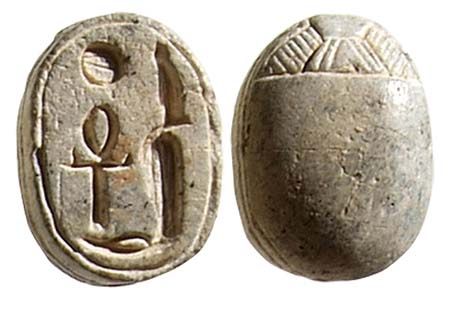
38. Royal Seals
Royal seals were essential tools of government and administration in Ancient Egypt. Used by pharaohs and high-ranking officials, these seals authenticated documents, secured containers, and marked property belonging to the royal court. Seal impressions often featured the names of rulers, royal titles, and sacred symbols associated with kingship. Archaeologists frequently discover sealings made from clay, which preserve valuable information about ancient administration and trade. These artifacts help historians understand how the Egyptian state functioned and maintained control over its vast territories. Royal seals remain important sources of evidence for studying political and economic history.
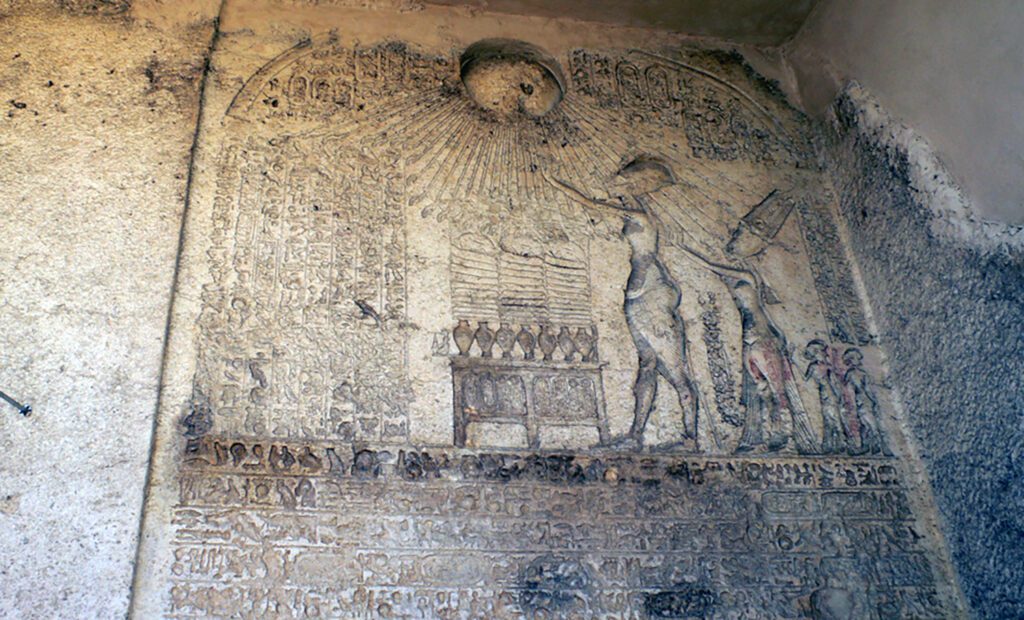
39. Boundary Stones
Boundary stones were used to mark territorial limits, sacred lands, agricultural fields, and royal properties throughout Ancient Egypt. These inscribed monuments helped define ownership and prevent disputes between individuals, communities, and institutions. Some boundary stones recorded legal agreements, while others marked the borders of important religious sites or royal estates. The inscriptions often included warnings against trespassers and appeals to the gods for protection. These valuable artifacts provide evidence about land management, law, administration, and property rights in Ancient Egypt. They also demonstrate the sophisticated organizational systems that supported Egyptian civilization for thousands of years.
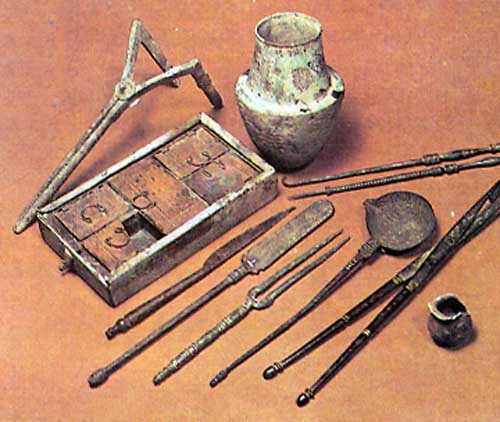
40. Ancient Egyptian Writing Tools
Ancient Egyptian writing tools played a crucial role in preserving one of history's greatest civilizations. Scribes used reed pens, ink palettes, pigments, and papyrus sheets to record religious texts, official documents, literature, and historical events. Writing was highly respected in Egyptian society, and skilled scribes held important positions within the government and temples. Many writing tools have been discovered in tombs and settlements, offering insight into education and administration. These artifacts highlight the importance of literacy and record-keeping in Ancient Egypt. Without them, much of Egyptian history, culture, and knowledge would have been lost forever.
Frequently Asked Questions About Ancient Egyptian Artifacts
Ancient Egyptian artifacts are objects created, used, or preserved by the civilization of Ancient Egypt. These include statues, jewelry, mummies, papyri, sarcophagi, amulets, tools, weapons, and many other archaeological treasures that provide valuable insights into Egyptian history, culture, and religion.
Ancient Egyptian artifacts help historians and archaeologists understand how people lived, worshipped, governed, and interacted thousands of years ago. They serve as direct evidence of one of the world’s most advanced ancient civilizations.
The Golden Mask of Tutankhamun is widely considered the most famous Ancient Egyptian artifact. Discovered in 1922 inside King Tutankhamun’s tomb, it remains one of the greatest archaeological treasures ever found.
Most artifacts have been discovered in archaeological sites such as the Valley of the Kings, Giza, Saqqara, Luxor, Abydos, Aswan, and various ancient temples and tombs throughout Egypt.
Many Ancient Egyptian artifacts date back more than 5,000 years. Some of the oldest objects come from the Early Dynastic Period, while others were created during the Old Kingdom, Middle Kingdom, and New Kingdom periods.
Ancient Egyptians used a wide range of materials including gold, silver, bronze, stone, wood, ivory, alabaster, faience, clay, linen, and precious gemstones to create their artifacts.
Artifacts such as amulets, temple statues, funerary masks, and religious manuscripts reveal the Egyptians’ strong belief in gods, the afterlife, resurrection, and divine protection.
Yes. Archaeologists continue to make new discoveries across Egypt every year. Excavations frequently uncover tombs, statues, inscriptions, burial goods, and previously unknown archaeological sites.
Visitors can view Ancient Egyptian artifacts in museums across the world, including the Grand Egyptian Museum in Giza, the Egyptian Museum in Cairo, and many international museums with Egyptian collections.
Some of the most valuable artifacts include the treasures of Tutankhamun, royal mummies, gold coffins, ancient papyri, monumental statues, and rare religious objects that provide unique historical information about Ancient Egypt.
The Enduring Legacy of Ancient Egyptian Artifacts
Ancient Egyptian artifacts continue to be among the most valuable and fascinating treasures ever discovered by archaeologists. From the magnificent Golden Mask of Tutankhamun and royal jewelry to mummies, papyrus manuscripts, temple reliefs, and sacred amulets, these remarkable objects provide an extraordinary glimpse into one of the greatest civilizations in human history. Every artifact tells a unique story about the people, beliefs, achievements, and traditions that shaped Ancient Egypt for thousands of years. The study of Egyptian antiquities has transformed our understanding of ancient religion, royal power, daily life, architecture, art, and science. Archaeological discoveries from famous sites such as the Valley of the Kings, Giza, Saqqara, Luxor, Abydos, and Aswan continue to reveal new insights into Egypt’s rich cultural heritage. As modern excavations uncover additional treasures, Ancient Egyptian artifacts remain essential sources of historical knowledge and inspiration. Today, millions of travelers visit Egypt each year to explore its world-famous archaeological sites and admire the incredible artifacts displayed in museums and collections. These priceless relics not only preserve the legacy of the pharaohs but also connect modern generations with one of humanity’s most extraordinary civilizations. Whether you are interested in Egyptian archaeology, ancient history, or cultural tourism, Ancient Egyptian artifacts offer an unforgettable journey into the mysteries and achievements of Ancient Egypt, ensuring that its legacy will continue to inspire the world for generations to come.