

- Excursions in Egypt
- Egypt Tour Packages
- Cairo Tours and Excursions
- Hurghada Tours and Excursions
- Soma Bay Tours and Excursions
- Makadi Bay Tours and Excursions
- Sahl Hasheesh Tours and Excursions
- El Gouna Tours and Excursions
- Marsa Alam Tours and Excursions
- Port Ghalib Tours and Excursions
- El Quseir Tours and Excursions
- Dendera and Abydos Day Tours
- Aswan Tours and Excursions
- Luxor Tours and Excursions
- Sharm El Sheikh Tours and Excursions
- Top Rated Egypt Tours in 2026
- Optional Excursions in Egypt
- Private Transfer
- Blogs About egypt
- Ancient Egypt
- Historical Sites in Egypt
- Cairo
- Alexandria
- Luxor
- Aswan
- The Red Sea
- Dendera Temple
- El Fayoum Oasis
- Bahariya Oasis
- Siwa Oasis
- Al Alamein
- Marsa Matruh
- Why Egypt Is One of the Safest Countries to Visit in the Middle East
- What You Need To know Before Your First Trip To Egypt
- Egypt Travel Costs in 2026 Full Budget Guide
- Top 10 Tourist Activities in Egypt
- Top 50 Activities You Can’t Miss in Egypt in 2026
- The Guide to Guided Tours in Egypt
- Egypt’s Ancient and Modern History
- The Nile River
- The Deserts of Egypt
- Ancient Egyptian gods
- famous Egyptian dishes
- UNESCO World Heritage sites
- About Us
- Egypt Hotels and Resorts
- Excursions in Egypt
- Egypt Tour Packages
- Cairo Tours and Excursions
- Hurghada Tours and Excursions
- Soma Bay Tours and Excursions
- Makadi Bay Tours and Excursions
- Sahl Hasheesh Tours and Excursions
- El Gouna Tours and Excursions
- Marsa Alam Tours and Excursions
- Port Ghalib Tours and Excursions
- El Quseir Tours and Excursions
- Dendera and Abydos Day Tours
- Aswan Tours and Excursions
- Luxor Tours and Excursions
- Sharm El Sheikh Tours and Excursions
- Top Rated Egypt Tours in 2026
- Optional Excursions in Egypt
- Private Transfer
- Blogs About egypt
- Ancient Egypt
- Historical Sites in Egypt
- Cairo
- Alexandria
- Luxor
- Aswan
- The Red Sea
- Dendera Temple
- El Fayoum Oasis
- Bahariya Oasis
- Siwa Oasis
- Al Alamein
- Marsa Matruh
- Why Egypt Is One of the Safest Countries to Visit in the Middle East
- What You Need To know Before Your First Trip To Egypt
- Egypt Travel Costs in 2026 Full Budget Guide
- Top 10 Tourist Activities in Egypt
- Top 50 Activities You Can’t Miss in Egypt in 2026
- The Guide to Guided Tours in Egypt
- Egypt’s Ancient and Modern History
- The Nile River
- The Deserts of Egypt
- Ancient Egyptian gods
- famous Egyptian dishes
- UNESCO World Heritage sites
- About Us
- Egypt Hotels and Resorts
Welcome to
Nubian Museum: The Living Memory of a Vanished Civilization
If the temples of Upper Egypt speak through stone, then the Nubian Museum speaks through memory, identity, and the enduring spirit of a people whose history flows as deeply as the Nile River itself. Located in the heart of Aswan, this extraordinary museum is far more than a collection of artifacts—it is a cultural sanctuary that preserves the legacy of Nubia, a region whose ancient lands were forever transformed by the creation of Lake Nasser.
Opened in 1997 as part of an international effort to safeguard Nubian heritage, the museum stands as one of the most important cultural institutions in Egypt. It tells the story of a civilization that thrived for thousands of years along the southern Nile, blending African and Egyptian influences into a rich and unique cultural identity. Through its carefully curated galleries, visitors are taken on a journey through time—from prehistoric settlements and pharaonic interactions to the dramatic displacement of Nubian communities in the modern era.
Yet the true power of the Nubian Museum lies not only in what it displays, but in what it represents. It is a place where history is not lost, but preserved; where voices that might have faded are given space to be heard. As visitors walk through its halls, they are not merely observing the past—they are connecting with a living heritage, one that continues to shape the identity of Nubia and its people today.

1. A Gateway to Nubian History: The Story Begins
The Nubian Museum stands as a gateway to one of the richest and most unique cultural histories along the Nile River. Located in Aswan, the museum introduces visitors to the story of Nubia, a region that once extended across southern Egypt and northern Sudan. This land was home to a vibrant civilization that developed its own identity while maintaining strong connections with ancient Egypt. From the moment visitors enter the museum, they are guided through a chronological narrative that begins with prehistoric times and continues through the pharaonic, Greco-Roman, and Islamic periods. Each section reveals how Nubian society evolved, adapted, and interacted with neighboring cultures over thousands of years. The carefully designed layout ensures that history unfolds in a clear and engaging way. This introduction sets the tone for the entire experience. It transforms the museum into more than a place of display, turning it into a journey through time where every artifact contributes to a larger story of resilience, adaptation, and cultural richness.

2. Nubia and Ancient Egypt: A Shared Yet Distinct Identity
The relationship between Nubia and ancient Egypt is one of both connection and distinction, and the Nubian Museum presents this dynamic with remarkable clarity. While the two regions shared religious beliefs, artistic styles, and trade networks, Nubia maintained its own cultural identity that was shaped by its geography and local traditions. Exhibits within the museum highlight this interaction through artifacts such as statues, tools, and inscriptions that reflect both Egyptian influence and Nubian originality. Visitors can observe how Nubian rulers adopted certain elements of Egyptian culture while preserving their own customs and traditions. This blending of influences created a unique cultural landscape that cannot be fully understood by looking at Egypt alone. By exploring this relationship, the museum provides a deeper understanding of how civilizations influence one another without losing their individuality. It reveals a world where cultural exchange was a source of strength, contributing to the richness and diversity of the ancient Nile Valley.

3. Architecture and Design: A Museum That Reflects Its Heritage
The design of the Nubian Museum is itself a reflection of the culture it preserves. Built using materials and forms inspired by traditional Nubian architecture, the museum blends seamlessly with its natural surroundings in Aswan. The structure incorporates open spaces, natural light, and earthy tones that echo the landscape of Nubia. Inside, the museum is organized in a way that enhances the visitor experience. Wide galleries, clear pathways, and thoughtful lighting allow each artifact to stand out while still contributing to the overall narrative. The design ensures that visitors can move comfortably through the space while engaging with the exhibits on both an intellectual and emotional level. This architectural approach makes the museum more than just a building. It becomes part of the story it tells, creating an environment where history, culture, and design come together to offer a complete and immersive experience.
4. Treasures of Nubia: Artifacts That Tell a Story
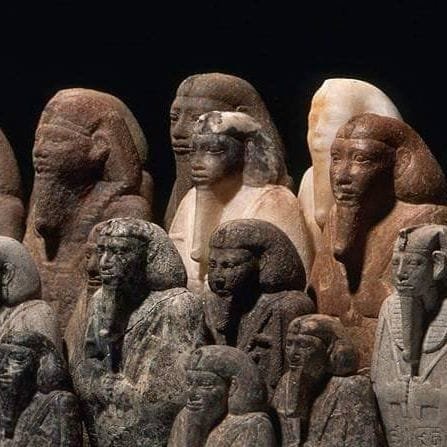
The galleries of the Nubian Museum are filled with an extraordinary collection of artifacts that bring the history of Nubia to life. From ancient tools and pottery to statues and jewelry, each object reflects a moment in time and a piece of a much larger cultural narrative. These items are not simply displayed—they are carefully arranged to tell a continuous story of human development along the Nile River. Among the most striking exhibits are the sculptures and reliefs that demonstrate the artistic skill of Nubian craftsmen. Their work reveals a strong sense of identity, combining local traditions with influences from neighboring civilizations. Everyday objects, such as household tools and decorative items, provide additional insight into the daily lives of the people who once lived in this region. Together, these artifacts transform the museum into a living archive. They allow visitors to move beyond abstract history and connect directly with the individuals who shaped Nubian culture, offering a deeper appreciation of their creativity and resilience.
5. The Human Story: Life, Tradition, and Identity
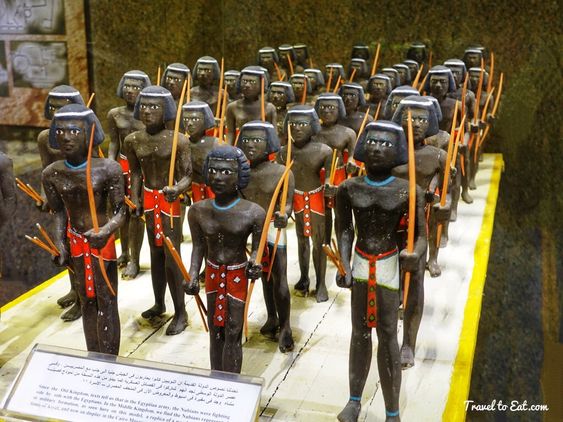
Beyond its historical artifacts, the Nubian Museum places a strong emphasis on the human dimension of Nubian culture. Exhibits explore daily life, social structures, and long-standing traditions that have been passed down through generations. This focus brings a personal and emotional depth to the museum experience. Displays include reconstructions of traditional Nubian homes, clothing, and tools, offering visitors a glimpse into how communities lived, worked, and celebrated. Music, language, and customs are also highlighted, demonstrating the richness of Nubian identity and its continued relevance today. These elements show that culture is not static, but something that evolves while maintaining its core values. By presenting this human perspective, the museum bridges the gap between past and present. It reminds visitors that behind every artifact is a story of real people, whose lives and traditions continue to shape the cultural landscape of the region.

6. The Impact of Change: Nubia and the Rising Waters
One of the most powerful sections of the Nubian Museum focuses on the dramatic changes that affected Nubia in the modern era. The construction of the Aswan High Dam led to the creation of Lake Nasser, which submerged large areas of ancient Nubian land. Entire villages were displaced, and countless historical sites were at risk of being lost forever. The museum documents this transformation through photographs, maps, and personal accounts that highlight the scale of the impact. Visitors gain insight into the challenges faced by Nubian communities as they were relocated and forced to adapt to new environments. This section emphasizes both the loss and the resilience of the people affected by these changes. At the same time, it also tells the story of international efforts to rescue and preserve important monuments. This combination of loss and preservation creates a powerful narrative, showing how history can be both vulnerable and protected. It leaves visitors with a deeper understanding of the importance of safeguarding cultural heritage in a rapidly changing world.

7. Cultural Continuity: Traditions That Still Live On
The Nubian Museum does not present Nubia as a lost civilization, but as a living culture that continues to thrive today. Through its exhibits, visitors discover how traditions, customs, and values have been preserved and passed down across generations despite major historical changes. This continuity gives the museum a unique vitality that connects past and present. Displays highlight aspects of Nubian life such as music, dance, language, and craftsmanship, showing how these elements remain an essential part of community identity. Traditional patterns, colors, and artistic expressions appear not only in ancient artifacts but also in modern creations, reflecting a deep cultural resilience. This focus on continuity transforms the museum into more than a historical archive. It becomes a celebration of a culture that has adapted without losing its essence, offering visitors a meaningful understanding of how identity can endure through time.

8. The Nile and Nubia: A Lifelong Connection
The story of Nubia is inseparable from the Nile River, and the Nubian Museum beautifully illustrates this enduring relationship. For thousands of years, the Nile provided water, food, transportation, and a foundation for spiritual beliefs, shaping every aspect of Nubian life. Exhibits within the museum show how communities depended on the river for agriculture and trade, while also developing rituals and traditions that honored its importance. The Nile was seen not only as a physical resource but as a symbol of life and continuity, deeply woven into the cultural and spiritual fabric of Nubia. Even today, this connection remains strong. The river continues to influence daily life and cultural practices, reinforcing the idea that the relationship between people and nature is central to understanding the history and identity of the region.
9. Art and Expression: The Creative Spirit of Nubia
Art plays a central role in the identity presented within the Nubian Museum, revealing the creativity and imagination of Nubian culture. From ancient carvings and painted pottery to modern crafts and decorative designs, the museum showcases a wide range of artistic expression that spans thousands of years. The use of color, pattern, and symbolism reflects both aesthetic beauty and deeper cultural meaning. Many designs are inspired by the natural environment, including the Nile River and the surrounding desert, creating a strong connection between art and landscape. These elements demonstrate how creativity was influenced by daily life and spiritual beliefs. For visitors, this artistic journey offers a different way of understanding history. It shows that beyond monuments and artifacts, culture is also expressed through creativity, emotion, and imagination. The art of Nubia continues to inspire, providing a vibrant and enduring reflection of its people.
10. The Outdoor Museum: Landscapes That Tell a Story
Beyond its interior galleries, the Nubian Museum extends into a beautifully designed outdoor space that recreates elements of the Nubian landscape. This open-air section allows visitors to experience history in a more physical and immersive way, where architecture, nature, and archaeology come together. Scattered throughout the grounds are reconstructed houses, ancient structures, and large stone artifacts that reflect different periods of Nubian history. The layout follows the natural slope of the land, creating a sense of movement that mirrors the flow of the Nile River. This thoughtful design enhances the connection between the exhibits and the environment. Walking through the outdoor museum offers a deeper understanding of how people once lived in harmony with their surroundings. It transforms history into a lived experience, where visitors can explore not just objects, but the spaces and landscapes that shaped an entire civilization.
11. Education and Research: Preserving Knowledge for the Future
The Nubian Museum plays an essential role not only as a cultural destination but also as a center for education and research. It provides valuable resources for scholars, students, and anyone interested in understanding the history and culture of Nubia in greater depth. Through exhibitions, educational programs, and guided tours, the museum encourages learning and exploration. It offers visitors the opportunity to engage with history in a meaningful way, going beyond observation to gain a deeper appreciation of the region’s significance. The museum also supports ongoing research, helping to document and preserve knowledge that might otherwise be lost. This commitment to education ensures that the story of Nubia continues to be shared and understood. It transforms the museum into a place of active learning, where the past is not only preserved but also continuously explored and reinterpreted.
12. The Legacy of Nubia: A Story That Endures
The Nubian Museum stands as a powerful reminder of the enduring legacy of Nubia. Through its collections and exhibitions, it tells a story of resilience, creativity, and cultural richness that has survived through centuries of change. Set in Aswan along the banks of the Nile River, the museum connects visitors with a heritage that continues to shape the identity of the region. It highlights the importance of preserving not only monuments and artifacts, but also traditions, languages, and ways of life. In the end, the legacy of Nubia is not confined to the past. It lives on in the people, the culture, and the stories that continue to be told. The museum ensures that this legacy remains visible, meaningful, and inspiring for generations to come.
13. The Visitor Experience: A Journey Through Memory and Identity
Visiting the Nubian Museum offers a deeply immersive experience that goes beyond traditional museum exploration. From the moment visitors enter, they are guided through a carefully structured narrative that blends history, culture, and emotion. Each gallery builds upon the previous one, creating a seamless journey through time. The layout encourages slow exploration, allowing visitors to engage with artifacts, displays, and reconstructions at their own pace. The connection between indoor exhibits and the surrounding environment enhances the experience, linking the stories inside the museum with the broader landscape shaped by the Nile River. This experience is both educational and personal. It invites visitors to reflect on the meaning of heritage and identity, creating a lasting impression that extends far beyond the walls of the museum.
14. Nubian Museum by Night: A Quiet Cultural Sanctuary
As evening falls, the Nubian Museum takes on a calm and reflective atmosphere that contrasts with the activity of the day. Soft lighting highlights the architectural features of the building, while the surrounding gardens become a peaceful space for quiet contemplation. The stillness of the night allows visitors to appreciate the museum from a different perspective. Without the distractions of daytime crowds, attention shifts to the details of the structure and the meaning behind its design. The connection to Aswan and the nearby Nile River adds to the sense of place, reinforcing the museum’s role as a cultural landmark. This nighttime experience transforms the museum into more than a place of learning. It becomes a sanctuary where history and culture can be appreciated in a quiet and meaningful way.
15. A Living Legacy: Why the Nubian Museum Matters Today
The Nubian Museum remains one of the most important cultural institutions in Egypt because it preserves not only objects, but also identity and memory. It tells a story that might otherwise have been lost, ensuring that the heritage of Nubia continues to be recognized and valued. By connecting past and present, the museum highlights the importance of cultural continuity. It shows how traditions, beliefs, and ways of life can survive even in the face of major change, offering a powerful message about resilience and adaptation. For modern visitors, the museum provides more than knowledge. It offers perspective, reminding us that history is not only about what has happened, but about what continues to shape the world today.
16. Cultural Dialogue: Connecting Nubia to the World
The Nubian Museum serves as a powerful platform for cultural dialogue, connecting the heritage of Nubia with a global audience. Through its carefully curated exhibitions, the museum presents Nubian history not as an isolated narrative, but as part of a wider human story that involves interaction, exchange, and mutual influence. Visitors from around the world encounter a culture that is both unique and relatable, shaped by its environment along the Nile River and enriched by centuries of contact with neighboring civilizations. This perspective encourages a deeper appreciation of how cultures evolve through connection rather than separation. By fostering this dialogue, the museum plays an important role in promoting understanding and respect across cultures. It reminds visitors that heritage is a shared human experience, capable of building bridges between people from different backgrounds.
17. A Timeless Atmosphere: Where History Feels Alive
Walking through the Nubian Museum creates a sense of timelessness, where the boundaries between past and present begin to fade. The combination of thoughtful design, natural light, and carefully displayed artifacts allows history to feel alive rather than distant. The museum’s location in Aswan enhances this atmosphere, as the surrounding environment reflects the same landscape that shaped Nubian civilization for thousands of years. The connection to the Nile River adds depth to the experience, reinforcing the continuity of life and culture in the region. This timeless quality transforms a simple visit into a meaningful journey. It allows visitors to engage with history on a deeper level, creating a lasting emotional connection that extends beyond the museum itself.
18. The Enduring Legacy: Preserving Identity for Future Generations
The legacy of the Nubian Museum lies in its ability to preserve and present a culture that continues to evolve while remaining rooted in its origins. It stands as a testament to the resilience of Nubian identity and the importance of protecting cultural heritage in a rapidly changing world. By safeguarding artifacts, traditions, and stories, the museum ensures that the history of Nubia remains visible and accessible. Its role extends beyond preservation, inspiring future generations to value and protect their own cultural identities. In the end, the Nubian Museum is more than a place of exhibition. It is a symbol of continuity, a guardian of memory, and a reminder that culture is a living force that connects the past, present, and future in a meaningful and enduring way.
