

- Excursions in Egypt
- Egypt Tour Packages
- Cairo Tours and Excursions
- Hurghada Tours and Excursions
- Soma Bay Tours and Excursions
- Makadi Bay Tours and Excursions
- Sahl Hasheesh Tours and Excursions
- El Gouna Tours and Excursions
- Marsa Alam Tours and Excursions
- Port Ghalib Tours and Excursions
- El Quseir Tours and Excursions
- Dendera and Abydos Day Tours
- Aswan Tours and Excursions
- Luxor Tours and Excursions
- Sharm El Sheikh Tours and Excursions
- Top Rated Egypt Tours in 2026
- Optional Excursions in Egypt
- Private Transfer
- Blogs About egypt
- Ancient Egypt
- Historical Sites in Egypt
- Cairo
- Alexandria
- Luxor
- Aswan
- The Red Sea
- Dendera Temple
- El Fayoum Oasis
- Bahariya Oasis
- Siwa Oasis
- Al Alamein
- Marsa Matruh
- Why Egypt Is One of the Safest Countries to Visit in the Middle East
- What You Need To know Before Your First Trip To Egypt
- Egypt Travel Costs in 2026 Full Budget Guide
- Top 10 Tourist Activities in Egypt
- Top 50 Activities You Can’t Miss in Egypt in 2026
- The Guide to Guided Tours in Egypt
- Egypt’s Ancient and Modern History
- The Nile River
- The Deserts of Egypt
- Ancient Egyptian gods
- famous Egyptian dishes
- UNESCO World Heritage sites
- About Us
- Egypt Hotels and Resorts
- Excursions in Egypt
- Egypt Tour Packages
- Cairo Tours and Excursions
- Hurghada Tours and Excursions
- Soma Bay Tours and Excursions
- Makadi Bay Tours and Excursions
- Sahl Hasheesh Tours and Excursions
- El Gouna Tours and Excursions
- Marsa Alam Tours and Excursions
- Port Ghalib Tours and Excursions
- El Quseir Tours and Excursions
- Dendera and Abydos Day Tours
- Aswan Tours and Excursions
- Luxor Tours and Excursions
- Sharm El Sheikh Tours and Excursions
- Top Rated Egypt Tours in 2026
- Optional Excursions in Egypt
- Private Transfer
- Blogs About egypt
- Ancient Egypt
- Historical Sites in Egypt
- Cairo
- Alexandria
- Luxor
- Aswan
- The Red Sea
- Dendera Temple
- El Fayoum Oasis
- Bahariya Oasis
- Siwa Oasis
- Al Alamein
- Marsa Matruh
- Why Egypt Is One of the Safest Countries to Visit in the Middle East
- What You Need To know Before Your First Trip To Egypt
- Egypt Travel Costs in 2026 Full Budget Guide
- Top 10 Tourist Activities in Egypt
- Top 50 Activities You Can’t Miss in Egypt in 2026
- The Guide to Guided Tours in Egypt
- Egypt’s Ancient and Modern History
- The Nile River
- The Deserts of Egypt
- Ancient Egyptian gods
- famous Egyptian dishes
- UNESCO World Heritage sites
- About Us
- Egypt Hotels and Resorts
Welcome to
Tomb of KV16 – Ramesses I: Complete Guide to the Royal Tomb of the Founder of Egypt's Nineteenth Dynasty
The Tomb of KV16 is the royal burial place of Pharaoh Ramesses I, the founder of the Nineteenth Dynasty and one of the most influential rulers in the history of the New Kingdom. Located in the world-famous Valley of the Kings on the west bank of Luxor, Egypt, KV16 may be one of the smallest royal tombs in the necropolis, but it is also one of the most beautifully preserved. Its vibrant wall paintings, brilliantly colored reliefs, and carefully carved hieroglyphic inscriptions provide an extraordinary glimpse into the early development of Ramesside royal tomb architecture and religious beliefs. Although Ramesses I ruled for only a short period, his reign marked the beginning of a dynasty that would produce legendary pharaohs such as Seti I and Ramesses II, making KV16 one of the most historically significant monuments in ancient Egypt.
Unlike many larger tombs built by later Ramesside kings, KV16 was completed rapidly because of the king’s brief reign. Despite its relatively modest size, the tomb was decorated with exceptional craftsmanship by the skilled artisans of Deir el-Medina, who transformed its corridors and burial chamber into magnificent sacred spaces filled with religious symbolism. The walls depict Ramesses I standing before powerful Egyptian gods, including Osiris, Ra-Horakhty, Anubis, Isis, Nephthys, and Horus, while sacred funerary texts were carefully inscribed to guide the king safely through the underworld and guarantee his eternal resurrection. The brilliant colors that survive today are among the best preserved in the Valley of the Kings, making KV16 an outstanding example of early Ramesside artistic achievement.
Today, KV16 remains one of the most fascinating royal tombs in the Valley of the Kings because it combines historical importance with remarkable artistic preservation. Although ancient tomb robbers removed most of its funerary treasures, the surviving architecture and decoration continue to provide invaluable evidence concerning royal burial traditions, ancient Egyptian religion, and the origins of one of Egypt’s greatest royal dynasties. This complete guide explores every aspect of KV16, including the life of Pharaoh Ramesses I, the tomb’s architecture, religious decoration, archaeological discoveries, conservation efforts, visitor experience, and lasting legacy within the history of ancient Egypt.
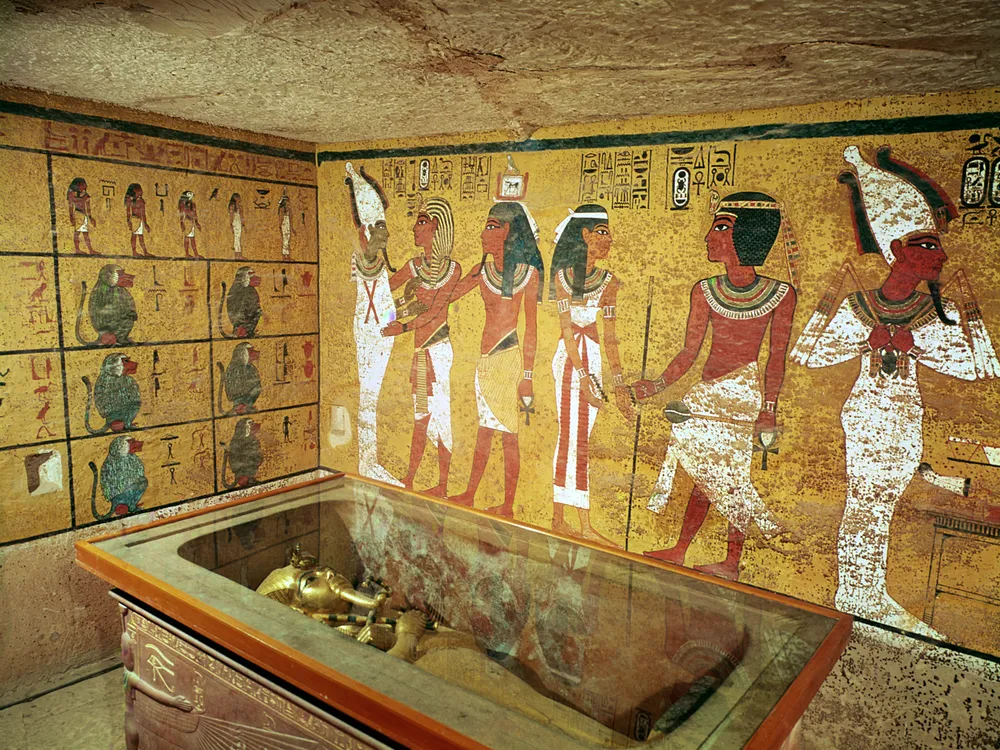
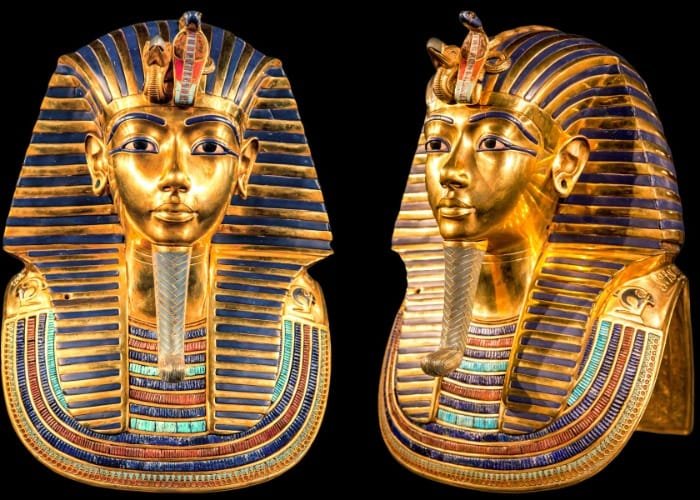
1. Pharaoh Ramesses I – Founder of the Nineteenth Dynasty
Pharaoh Ramesses I occupies a unique place in the history of ancient Egypt as the founder of the powerful Nineteenth Dynasty, one of the most successful royal families of the New Kingdom. Before ascending the throne, Ramesses I was known as Paramessu, a distinguished military commander and trusted official who served under Pharaoh Horemheb, the last ruler of the Eighteenth Dynasty. Horemheb had no surviving heir and selected Paramessu as his successor because of his military experience, administrative ability, and loyalty to the Egyptian state. This decision ensured a smooth transfer of power and established a dynasty that would dominate Egypt for more than a century. Although Ramesses I ruled for only a short time—generally believed to have lasted around one to two years—his accession laid the foundation for the achievements of his son Seti I and his grandson Ramesses II, two of the greatest pharaohs in Egyptian history. During his brief reign, Ramesses I focused on strengthening royal authority and ensuring political stability after the reforms introduced by Horemheb. He maintained Egypt's military organization, supported temple construction, and reinforced the traditional relationship between the monarchy and the powerful priesthood of Amun. Although few monuments survive from his reign due to its short duration, those that remain demonstrate his commitment to restoring prosperity and continuing the architectural and religious traditions of the New Kingdom. His royal titulary emphasized his divine legitimacy, linking him with the gods who protected Egypt and affirming his role as the rightful ruler chosen to preserve Ma'at, the ancient Egyptian concept of cosmic order, justice, and harmony. Because Ramesses I died soon after becoming king, preparations for his burial had to be completed quickly. His son, the future Seti I, likely supervised the completion of KV16, ensuring that his father received a proper royal burial worthy of Egypt's new dynasty. Although modest in size, the tomb reflects the highest standards of craftsmanship and religious symbolism. Today, Ramesses I is remembered not for the length of his reign but for the enduring legacy of the dynasty he founded. Without his accession, the remarkable achievements of Seti I and Ramesses II might never have shaped the golden age of the Ramesside Period, making KV16 one of the most historically important royal tombs in the Valley of the Kings.
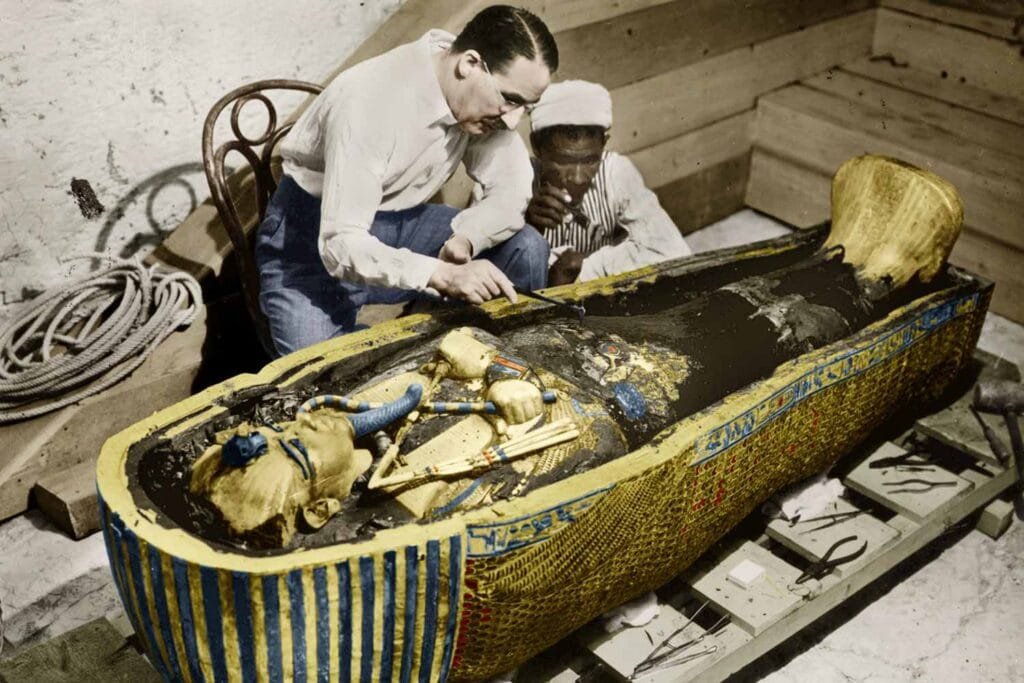
2. Architecture and Layout of KV16
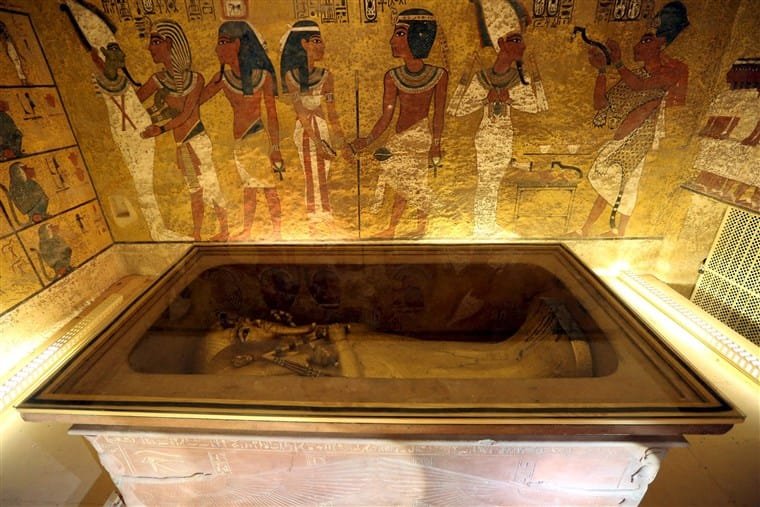
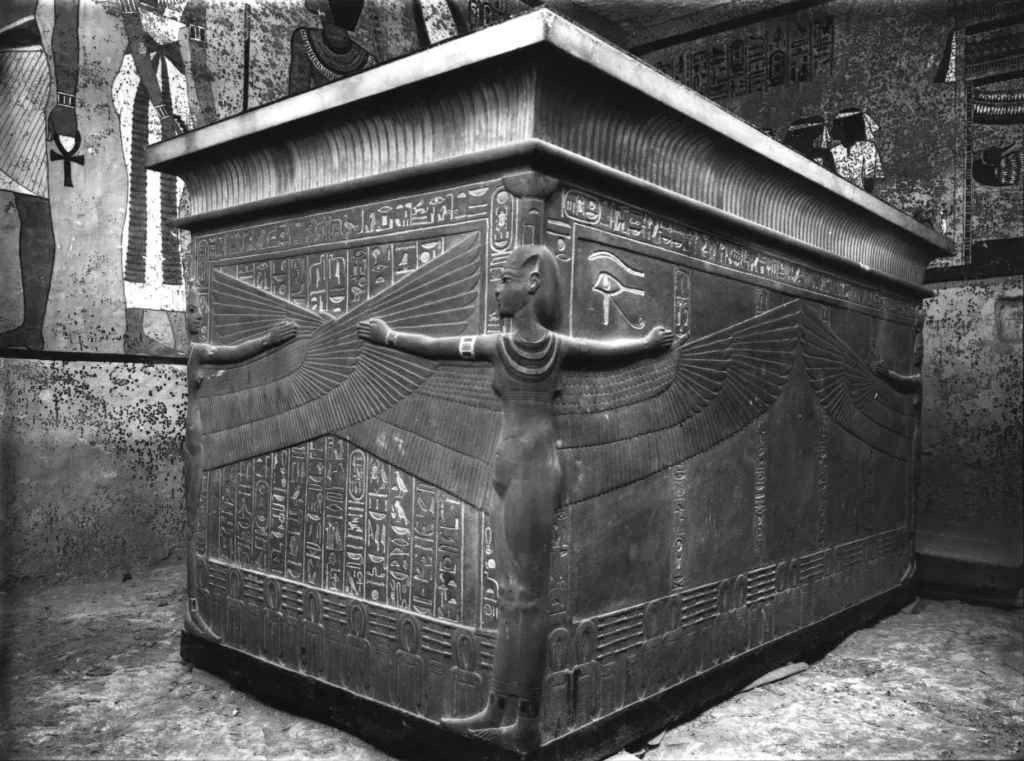
The Tomb of KV16 is one of the smallest royal tombs in the Valley of the Kings, yet its elegant design and exceptional preservation make it one of the finest examples of early Ramesside funerary architecture. Carved into the limestone cliffs of the Theban Mountains, the tomb follows a straightforward linear plan that reflects the limited time available for construction following the unexpected death of Pharaoh Ramesses I. Unlike the vast and elaborate tombs later built for Seti I (KV17) or Ramesses II (KV7), KV16 consists of a descending staircase, a sloping corridor, a second passage, a burial chamber supported by four square pillars, and a small side chamber. Although compact, every part of the tomb was carefully planned according to the religious principles governing royal burials during the New Kingdom. Visitors entering KV16 immediately notice the remarkable quality of its decoration. The descending corridors are lined with finely carved reliefs and brilliantly preserved painted scenes that retain much of their original color even after more than three thousand years. The burial chamber originally contained the king's massive red quartzite sarcophagus, fragments of which still remain inside the tomb today. The chamber's four pillars not only supported the ceiling but also symbolized the stability of the universe and the protection offered by the gods. Every architectural element served both structural and religious purposes, guiding the deceased king toward eternal life while creating an environment suitable for the performance of sacred funerary rituals. Although KV16 is relatively small, it played an important role in establishing architectural traditions that would influence later Ramesside royal tombs. Its straight-axis layout, carefully proportioned spaces, and integration of religious decoration became standard features in many subsequent tombs within the Valley of the Kings. Modern archaeological surveys using laser scanning, digital mapping, and geological analysis have revealed the precision with which ancient craftsmen excavated the monument despite the challenging conditions of the limestone cliffs. Today, KV16 stands as a masterpiece of efficient royal architecture, demonstrating that artistic excellence and religious significance were never dependent on monumental size alone.
3. Religious Decoration and Sacred Funerary Texts
One of the greatest treasures of KV16 is its magnificent religious decoration, widely regarded as some of the best-preserved artwork in the Valley of the Kings. Although the tomb is relatively small, its walls are covered with brilliantly colored reliefs and sacred hieroglyphic inscriptions that continue to astonish archaeologists and visitors alike. The artists of Deir el-Medina executed every figure with remarkable precision, using vivid reds, blues, yellows, greens, black, and white pigments that remain strikingly fresh after more than three millennia. The exceptional state of preservation allows historians to study ancient Egyptian painting techniques in extraordinary detail while providing visitors with one of the closest visual experiences to how a New Kingdom royal tomb originally appeared. The decorative program centers on Pharaoh Ramesses I's transformation into an eternal divine king. Throughout the corridors and burial chamber, the pharaoh is shown presenting offerings to major Egyptian gods, including Osiris, ruler of the underworld; Ra-Horakhty, the solar creator deity; Anubis, guardian of embalming and mummification; Isis and Nephthys, protectors of the deceased; Horus, symbol of divine kingship; and other important members of the Egyptian pantheon. These scenes were far more than artistic decoration—they functioned as magical rituals intended to protect the king, provide divine assistance during his journey through the underworld, and ensure his resurrection as an eternal ruler among the gods. The walls of KV16 also contain important sections of sacred funerary literature, particularly passages from the Book of Gates, one of the principal religious compositions used in royal burials during the New Kingdom. This text describes the sun god's nightly voyage through the twelve regions of the underworld, where each gate presents challenges that must be overcome before rebirth at dawn. By associating Ramesses I with this eternal solar cycle, the decoration symbolically guaranteed his resurrection every day. Combined with beautifully carved hieroglyphs and harmonious artistic compositions, these sacred texts transform KV16 into one of the finest surviving examples of early Ramesside religious art and one of the most significant monuments for understanding ancient Egyptian beliefs about death, resurrection, and eternal life.
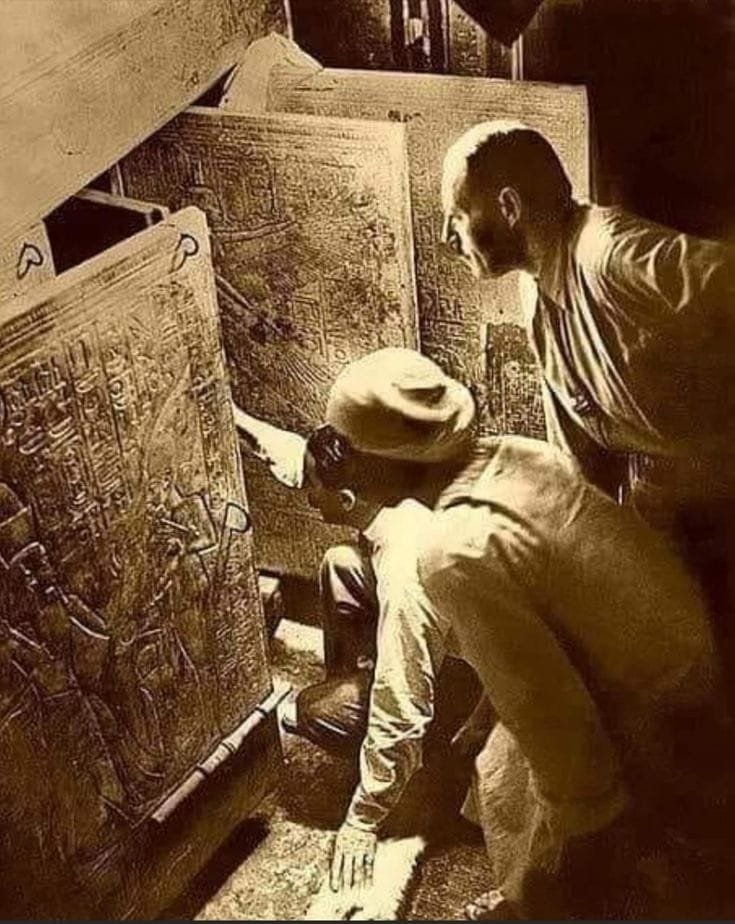
4. Archaeological Discoveries Inside KV16
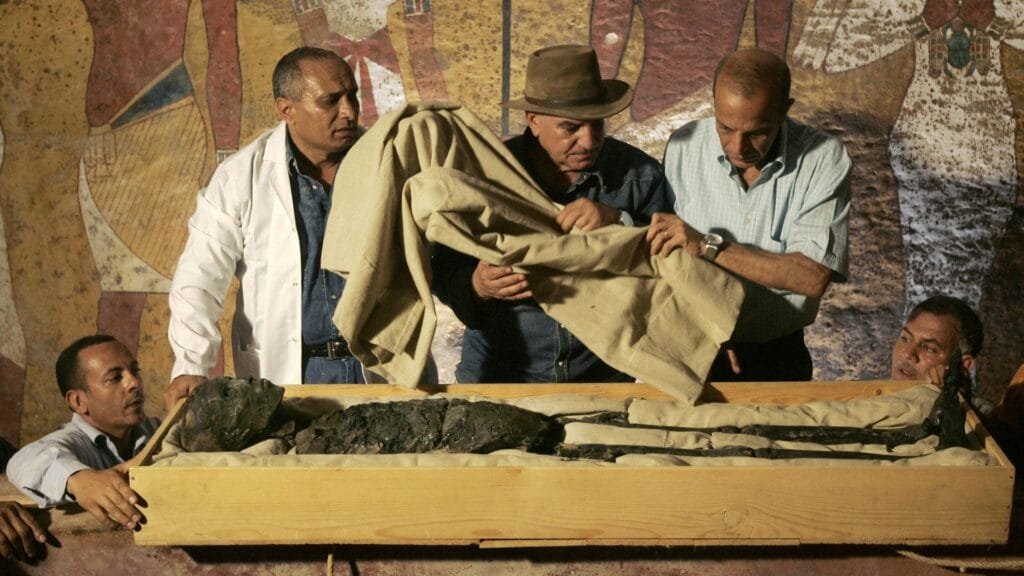
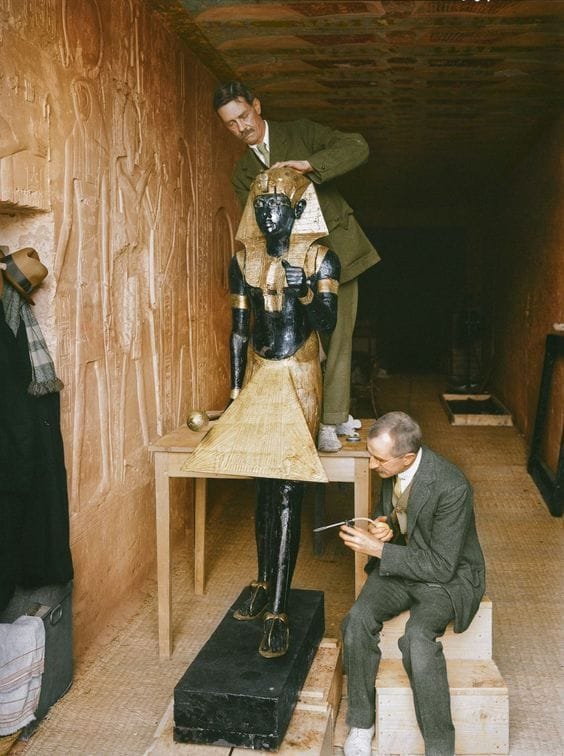
The Tomb of KV16 has yielded a wealth of archaeological information despite the fact that most of its original funerary treasures were stolen during ancient times. As the burial place of Pharaoh Ramesses I, the founder of the Nineteenth Dynasty, the tomb has played a crucial role in helping Egyptologists understand the origins of the Ramesside royal family and the evolution of royal burial traditions in the Valley of the Kings. Although ancient tomb robbers entered KV16 centuries after the king's burial, they left behind valuable archaeological evidence, including fragments of the royal sarcophagus, pieces of funerary equipment, decorated plaster, pottery vessels, linen wrappings, and inscriptions that continue to provide insight into the burial customs of the early New Kingdom. Every excavation inside the tomb has contributed to reconstructing the original appearance of one of Egypt's earliest Ramesside royal monuments. One of the most important discoveries associated with KV16 concerns the burial of Ramesses I himself. Like many New Kingdom pharaohs, his mummy was removed from the tomb during the Twenty-first Dynasty when priests sought to protect royal remains from increasingly frequent tomb robberies. The king's body disappeared from historical records for centuries before eventually being identified in modern times after an extraordinary journey that included its acquisition by collectors outside Egypt. In 2003, following extensive scientific examination, the mummy believed to be Ramesses I was officially returned to Egypt and is now preserved in the National Museum of Egyptian Civilization in Cairo. This remarkable story has made Ramesses I one of the few pharaohs whose remains experienced a documented modern repatriation, adding another fascinating chapter to the history of KV16. Excavations have also revealed evidence of the tomb's original decoration and burial equipment. Archaeologists discovered fragments of the king's beautiful red quartzite sarcophagus, pieces of painted relief, faience objects, ushabti figures, and traces of ritual furniture that once surrounded the burial chamber. Careful examination of these artifacts has enabled researchers to reconstruct the original funerary arrangement and understand the religious ceremonies performed during the king's burial. Modern technologies such as laser scanning, digital epigraphy, and multispectral photography continue uncovering previously unnoticed details hidden within the reliefs and inscriptions. Today, KV16 remains one of the Valley of the Kings' most valuable archaeological sites. Although modest in size, the monument continues providing scholars with essential evidence concerning royal mummification, Ramesside funerary customs, artistic techniques, and the early history of one of ancient Egypt's greatest dynasties.
5. Historical Importance of KV16
The historical importance of KV16 extends far beyond its compact size. As the burial place of Pharaoh Ramesses I, the founder of the Nineteenth Dynasty, the tomb marks the beginning of one of the most powerful and influential royal families in ancient Egyptian history. The dynasty established by Ramesses I would later produce legendary rulers including Seti I, Ramesses II, Merneptah, and several later Ramesside kings who dominated Egypt for more than a century. Although Ramesses I himself ruled for only a brief period, his accession secured political stability following the death of Horemheb and initiated a new era of military strength, monumental architecture, and religious prosperity that characterized much of the New Kingdom. KV16 also illustrates how ancient Egyptian royal burial traditions adapted to unexpected historical circumstances. Because Ramesses I died shortly after becoming king, his tomb had to be excavated and decorated within a relatively short time. Despite these limitations, the monument displays extraordinary artistic quality and demonstrates the efficiency of the craftsmen from Deir el-Medina, who successfully completed a fully decorated royal tomb worthy of Egypt's newest dynasty. The monument therefore provides valuable evidence concerning royal workshop organization, construction methods, and artistic planning during periods of limited time and changing political conditions. The tomb's decoration further emphasizes the continuity of ancient Egyptian religious beliefs. Sacred texts, images of powerful deities, and elaborate funerary symbolism closely resemble those found in later Ramesside tombs, indicating that the theological principles governing royal burial remained remarkably consistent despite dynastic change. In this sense, KV16 served as an architectural and religious model for many of the magnificent tombs that followed in the Valley of the Kings. Historians therefore regard it as a key monument linking the traditions of the Eighteenth Dynasty with the artistic achievements of the Nineteenth Dynasty. Today, KV16 continues occupying a central position in Egyptological research because it preserves the origins of the Ramesside royal house. Its historical significance lies not only in the identity of its owner but also in its role as the starting point of a dynasty whose influence shaped the political, military, and cultural history of ancient Egypt for generations.

6. Conservation and Preservation of KV16
The exceptional preservation of KV16 makes it one of the most important conservation successes in the Valley of the Kings. Despite surviving for more than three thousand years, the tomb retains much of its original painted decoration, allowing visitors to experience colors and artistic details rarely preserved elsewhere in ancient Egypt. Conservation specialists from the Egyptian Ministry of Tourism and Antiquities, working alongside international experts, have undertaken continuous efforts to protect the monument from environmental deterioration, geological instability, and the impact of increasing tourism. Their work has ensured that KV16 remains one of the finest examples of early Ramesside royal art available for study today. One of the greatest challenges facing conservators is protecting the brilliantly colored wall paintings. Variations in humidity, temperature changes, airborne dust, salt crystallization, and human activity can gradually weaken the limestone and damage ancient pigments. To address these risks, specialists regularly monitor environmental conditions, stabilize fragile plaster, repair minor cracks, clean painted surfaces using carefully controlled conservation techniques, and reinforce vulnerable sections of the tomb. Particular attention is given to preserving the vivid scenes depicting Osiris, Ra-Horakhty, Anubis, Isis, Nephthys, and Horus, whose remarkable colors represent some of the best-preserved New Kingdom paintings in Egypt. Modern scientific technology has transformed the preservation of KV16. Three-dimensional laser scanning, high-resolution digital photography, multispectral imaging, photogrammetry, and detailed geological mapping have produced highly accurate digital records of every wall, corridor, inscription, and architectural feature. These records allow scholars to conduct detailed research without unnecessary physical contact while creating permanent archives for future generations. Engineers also monitor the surrounding rock formations to identify geological movement that could threaten the tomb's structural stability. Visitor management forms another essential aspect of long-term preservation. Carefully designed pathways, controlled visitor numbers, improved ventilation systems, protective lighting, and educational interpretation help reduce the impact of tourism while allowing travelers to appreciate one of the Valley of the Kings' most beautifully preserved royal tombs. Through these combined conservation efforts, KV16 continues preserving the artistic legacy of Pharaoh Ramesses I and the remarkable beginning of Egypt's Nineteenth Dynasty.

7. Visiting KV16 Today – What to Expect
The Tomb of KV16 is one of the most rewarding royal tombs to visit in the Valley of the Kings, especially for travelers who appreciate exceptionally well-preserved ancient Egyptian artwork. Although KV16 is much smaller than famous monuments such as KV17 (Seti I) or KV11 (Ramesses III), it is widely admired for its brilliant wall paintings, vivid colors, and intimate atmosphere. Because the tomb was constructed for Pharaoh Ramesses I, the founder of the Nineteenth Dynasty, it offers visitors the opportunity to explore the beginning of one of Egypt's greatest royal lineages. Its relatively compact layout also makes it easier to appreciate every decorative detail without feeling overwhelmed by the vast scale of some larger tombs. As visitors descend into KV16, they immediately encounter beautifully preserved reliefs and brightly painted figures that appear remarkably fresh despite being more than three thousand years old. The corridors are decorated with scenes showing Ramesses I making offerings to powerful deities including Osiris, Ra-Horakhty, Anubis, Isis, Nephthys, and Horus. Sacred hieroglyphic inscriptions and passages from the Book of Gates guide the king through the dangers of the underworld toward eternal rebirth. The burial chamber remains the highlight of the visit, where the surviving fragments of the king's red quartzite sarcophagus and richly decorated pillars create one of the most impressive interiors in the Valley of the Kings. Many Egyptologist guides recommend KV16 because it provides an excellent introduction to Ramesside royal tombs. Its compact design allows visitors to understand the basic architectural principles that later evolved into the larger and more elaborate tombs of Seti I, Ramesses II, and other New Kingdom pharaohs. The exceptional preservation of the paintings also makes KV16 one of the best locations for studying ancient Egyptian artistic techniques, color symbolism, and religious iconography. For travelers interested in archaeology, history, and ancient Egyptian religion, KV16 offers an unforgettable experience. Its combination of historical importance, artistic excellence, and remarkably preserved decoration ensures that it remains one of the hidden treasures of the Valley of the Kings and an essential stop during any visit to Luxor's royal necropolis.
8. Fascinating Facts About KV16
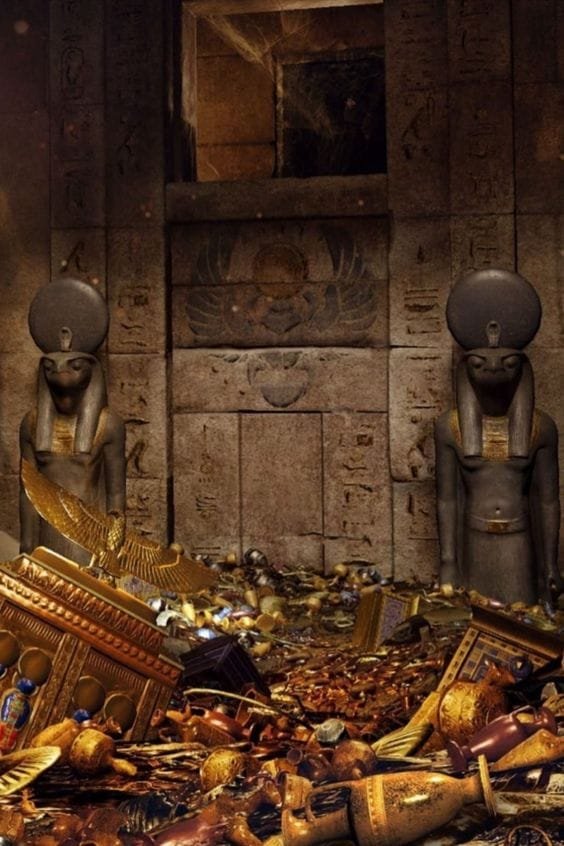
The Tomb of KV16 contains numerous fascinating features that distinguish it from other royal monuments in the Valley of the Kings. Perhaps its most remarkable characteristic is that it belongs to Pharaoh Ramesses I, whose reign lasted only about one to two years. Despite this extremely short rule, his tomb was completed with extraordinary speed while maintaining exceptionally high artistic standards. The successful completion of KV16 demonstrates the remarkable organization and skill of the craftsmen from Deir el-Medina, who were capable of producing magnificent royal monuments even under severe time constraints. One of KV16's greatest attractions is the preservation of its original colors. Unlike many ancient Egyptian tombs where pigments have faded significantly over thousands of years, the walls of KV16 still display brilliant shades of red, blue, yellow, green, white, and black. These vibrant paintings provide historians with invaluable evidence concerning New Kingdom painting techniques and allow visitors to experience the tomb in a form that closely resembles its original appearance. Many Egyptologists consider the decoration of KV16 among the finest preserved examples of early Ramesside art in existence. Another fascinating aspect of KV16 is the extraordinary modern history of Ramesses I's mummy. Unlike many royal mummies that remained in Egypt after their discovery, the mummy believed to belong to Ramesses I spent many years outside the country before scientific research supported its identification. In 2003, the mummy was officially returned to Egypt, where it became an important symbol of cultural heritage and archaeological repatriation. This remarkable journey has attracted worldwide attention and further increased public interest in the king and his tomb. Although KV16 is relatively small, it played a pivotal role in establishing the architectural and religious traditions that influenced later Ramesside tombs. Its historical importance, artistic beauty, and exceptional preservation make it one of the Valley of the Kings' most significant yet often overlooked monuments.
9. KV16 Compared with Other Tombs in the Valley of the Kings
Among the royal monuments of the Valley of the Kings, KV16 occupies a distinctive position because it represents the beginning of the Nineteenth Dynasty and the rise of the Ramesside royal family. While larger tombs such as KV17 (Seti I), KV7 (Ramesses II), and KV11 (Ramesses III) impress visitors through their enormous size and extensive decoration, KV16 demonstrates that historical importance is not determined by scale alone. Instead, its significance lies in its association with Pharaoh Ramesses I, whose accession established one of the greatest dynasties in Egyptian history. The monument serves as the foundation upon which the later achievements of Seti I and Ramesses II were built. Architecturally, KV16 is considerably smaller than most later Ramesside tombs because of the king's unexpectedly short reign. Nevertheless, its straight-axis design, carefully planned corridors, beautifully decorated burial chamber, and harmonious artistic program established many of the principles that became standard features in subsequent royal tombs. Archaeologists often compare KV16 with neighboring monuments to study the evolution of tomb architecture from the late Eighteenth Dynasty into the mature Ramesside period. Despite its modest dimensions, the monument displays craftsmanship equal to that found in much larger royal burials. The artistic preservation of KV16 also sets it apart from many other tombs. Few monuments in the Valley retain such vivid colors and finely detailed reliefs, making it one of the best locations for studying New Kingdom painting techniques and religious iconography. Visitors frequently remark that the brilliant decoration gives the impression that the artists completed their work only recently, illustrating the extraordinary effectiveness of modern conservation efforts. For historians, archaeologists, and travelers alike, KV16 offers a unique perspective on the origins of the Ramesside dynasty. Rather than competing with larger tombs, it complements them by preserving the earliest chapter in one of ancient Egypt's greatest royal traditions, making it an essential monument within the Valley of the Kings.

10. Conclusion – Why KV16 Is One of the Valley's Most Significant Royal Tombs
The Tomb of KV16 may be one of the smallest royal tombs in the Valley of the Kings, but its historical significance is immense. As the burial place of Pharaoh Ramesses I, the founder of the Nineteenth Dynasty, KV16 marks the beginning of one of the most successful and influential royal families in ancient Egyptian history. Although Ramesses I ruled for only a brief period, his accession established the Ramesside dynasty that would later produce legendary rulers such as Seti I and Ramesses II. The tomb therefore represents far more than a royal burial—it symbolizes the birth of a dynasty that shaped Egypt's political, military, religious, and architectural achievements during the New Kingdom. Beyond its historical importance, KV16 is celebrated for its extraordinary artistic preservation. Its brilliantly colored wall paintings, finely carved reliefs, and beautifully executed hieroglyphic inscriptions rank among the best-preserved examples of early Ramesside art anywhere in Egypt. The magnificent depictions of Osiris, Ra-Horakhty, Anubis, Isis, Nephthys, and Horus, together with passages from the Book of Gates, transform the tomb into a sacred religious monument designed to guarantee the king's eternal resurrection. Despite its modest dimensions, KV16 demonstrates that artistic excellence was never dependent on the size of a monument but rather on the skill and dedication of the craftsmen who created it. Modern archaeological research and conservation continue enhancing our understanding of KV16. Advanced technologies including laser scanning, digital epigraphy, multispectral imaging, and geological monitoring have documented every architectural and artistic feature while helping preserve the monument for future generations. These ongoing scientific efforts ensure that historians and visitors alike can continue exploring one of the Valley of the Kings' most remarkable royal tombs. Today, KV16 remains an essential destination for anyone interested in ancient Egypt, Ramesside history, royal tomb architecture, and New Kingdom archaeology. Its unique combination of historical importance, exceptional preservation, religious symbolism, and artistic beauty secures its place among the finest monuments in the Valley of the Kings and preserves the enduring legacy of Pharaoh Ramesses I.
11. Frequently Asked Questions About KV16
The Tomb of KV16 is one of the most frequently admired monuments in the Valley of the Kings because of its remarkable preservation and historical importance. One of the most common questions concerns the identity of its owner. KV16 was built for Pharaoh Ramesses I, the founder of the Nineteenth Dynasty and father of Seti I. Although his reign lasted only about one to two years, he established the Ramesside dynasty, which would later include some of Egypt's greatest rulers, including Ramesses II. His brief reign explains why KV16 is smaller than many later royal tombs, yet it remains one of the finest examples of early Ramesside funerary architecture. Visitors also frequently ask why the colors inside KV16 appear so bright. The answer lies in the exceptional preservation of the tomb's painted decoration. Unlike many monuments that suffered extensive moisture damage or heavy visitor impact over the centuries, much of KV16's artwork survived in remarkably good condition. Conservation specialists have carefully protected these paintings, allowing modern visitors to admire vivid reds, blues, greens, yellows, and whites that closely resemble the tomb's original appearance more than three thousand years ago. This remarkable preservation makes KV16 one of the best places in Egypt to appreciate authentic New Kingdom wall paintings. Another common question concerns the location of Ramesses I's mummy. Although the king was originally buried inside KV16, his mummy was removed during antiquity to protect it from tomb robbers. After centuries outside Egypt, the mummy believed to belong to Ramesses I was identified through scientific research and officially returned to Egypt in 2003. Today it is preserved in the National Museum of Egyptian Civilization, where visitors can view one of the founders of Egypt's greatest royal dynasty. Today, KV16 remains one of the Valley of the Kings' most rewarding monuments. Its combination of remarkable artistic preservation, fascinating history, beautiful religious decoration, and royal significance makes it an essential destination for anyone wishing to understand the origins of the Ramesside era.
12. Legacy of KV16 in Ancient Egyptian History
More than three thousand years after its construction, KV16 continues to stand as a symbol of one of the most important turning points in the history of ancient Egypt. Although relatively modest in size, the tomb represents the beginning of the Nineteenth Dynasty, a royal family that would lead Egypt through one of the greatest periods of prosperity, military success, and monumental building in the New Kingdom. As the burial place of Pharaoh Ramesses I, KV16 preserves the memory of a ruler whose greatest achievement was establishing a dynasty whose influence endured for generations. Without Ramesses I, the remarkable accomplishments of Seti I and Ramesses II might never have become part of Egyptian history. The tomb has also played a vital role in the development of modern Egyptology. Archaeological excavations, epigraphic studies, conservation projects, and scientific analysis of the monument and the king's mummy have greatly expanded scholarly understanding of early Ramesside art, architecture, religious beliefs, and royal burial practices. The exceptional preservation of KV16's painted decoration provides researchers with one of the finest surviving examples of New Kingdom artistic techniques, while its architectural design illustrates the early evolution of Ramesside royal tomb construction in the Valley of the Kings. For modern visitors, KV16 offers an unforgettable opportunity to experience ancient Egypt almost exactly as it appeared more than thirty centuries ago. The vivid colors, elegant reliefs, sacred hieroglyphs, and intimate scale create a unique atmosphere that distinguishes the monument from many larger royal tombs. Every corridor and chamber reflects the remarkable achievements of the craftsmen from Deir el-Medina, whose artistic skill continues inspiring admiration around the world. Today, KV16 remains one of the Valley of the Kings' finest hidden treasures. Its outstanding preservation, extraordinary historical importance, beautiful religious artwork, and enduring archaeological value ensure that the legacy of Pharaoh Ramesses I and the birth of the Ramesside dynasty will continue educating and inspiring future generations of historians, archaeologists, and travelers from across the globe.