


- Egypt Tour Magic
- Egypt Tour Packages
- Excursions in Egypt
- Cairo Tours and Excursions
- Hurghada Tours and Excursions
- Soma Bay Tours and Excursions
- Makadi Bay Tours and Excursions
- Sahl Hasheesh Tours and Excursions
- El Gouna Tours and Excursions
- Marsa Alam Tours and Excursions
- Port Ghalib Tours and Excursions
- El Quseir Tours and Excursions
- Dendera and Abydos Day Tours
- Aswan Tours and Excursions
- Luxor Tours and Excursions
- Alexandria Egypt Tours and Excursions
- Sharm El Sheikh Tours and Excursions
- Top Rated Egypt Tours in 2026
- Optional Excursions in Egypt
- Private Transfer
- Blogs About egypt
- Ancient Egypt
- Why Egypt Is One of the Safest Countries to Visit in the Middle East
- What You Need To know Before Your First Trip To Egypt
- Egypt Travel Costs in 2026 Full Budget Guide
- Top 10 Tourist Activities in Egypt
- Top 50 Activities You Can’t Miss in Egypt in 2026
- The Guide to Guided Tours in Egypt
- Egypt’s Ancient and Modern History
- The Nile River
- The Deserts of Egypt
- Historical Sites in Egypt
- Cairo
- Alexandria
- Luxor
- Aswan
- The Red Sea
- Dendera Temple
- El Fayoum Oasis
- Bahariya Oasis
- Siwa Oasis
- Al Alamein
- Marsa Matruh
- Ancient Egyptian gods
- famous Egyptian dishes
- UNESCO World Heritage sites
- About Us
- Why Egypt Tour Magic
- Hotels in Egypt
- Egypt Tour Magic
- Egypt Tour Packages
- Excursions in Egypt
- Cairo Tours and Excursions
- Hurghada Tours and Excursions
- Soma Bay Tours and Excursions
- Makadi Bay Tours and Excursions
- Sahl Hasheesh Tours and Excursions
- El Gouna Tours and Excursions
- Marsa Alam Tours and Excursions
- Port Ghalib Tours and Excursions
- El Quseir Tours and Excursions
- Dendera and Abydos Day Tours
- Aswan Tours and Excursions
- Luxor Tours and Excursions
- Alexandria Egypt Tours and Excursions
- Sharm El Sheikh Tours and Excursions
- Top Rated Egypt Tours in 2026
- Optional Excursions in Egypt
- Private Transfer
- Blogs About egypt
- Ancient Egypt
- Why Egypt Is One of the Safest Countries to Visit in the Middle East
- What You Need To know Before Your First Trip To Egypt
- Egypt Travel Costs in 2026 Full Budget Guide
- Top 10 Tourist Activities in Egypt
- Top 50 Activities You Can’t Miss in Egypt in 2026
- The Guide to Guided Tours in Egypt
- Egypt’s Ancient and Modern History
- The Nile River
- The Deserts of Egypt
- Historical Sites in Egypt
- Cairo
- Alexandria
- Luxor
- Aswan
- The Red Sea
- Dendera Temple
- El Fayoum Oasis
- Bahariya Oasis
- Siwa Oasis
- Al Alamein
- Marsa Matruh
- Ancient Egyptian gods
- famous Egyptian dishes
- UNESCO World Heritage sites
- About Us
- Why Egypt Tour Magic
- Hotels in Egypt
Welcome to
Tomb of KV15 – Seti II: Complete Guide to the Royal Tomb of Pharaoh Seti II in the Valley of the Kings
The Tomb of KV15 is one of the most important royal monuments in the Valley of the Kings, located on the west bank of Luxor, Egypt. Built for Pharaoh Seti II, one of the last rulers of the Nineteenth Dynasty, KV15 offers a fascinating glimpse into a period of political uncertainty, artistic excellence, and evolving royal burial traditions during the New Kingdom. Although smaller than monumental tombs such as those of Seti I (KV17) and Ramesses II (KV7), KV15 is celebrated for its beautifully preserved reliefs, vibrant religious scenes, and sacred funerary texts that illustrate the king’s journey through the afterlife. The tomb also reflects the turbulent political climate of the late Nineteenth Dynasty, a time marked by rival claimants to the throne, internal conflicts, and significant changes within the Egyptian royal court.
Construction of KV15 began during Seti II’s reign and followed the architectural traditions established for New Kingdom pharaohs. The tomb features a straight-axis plan with descending stairways, corridors, pillared chambers, and a burial chamber decorated with magnificent scenes depicting the king before major Egyptian deities, including Osiris, Ra, Anubis, Isis, and Horus. The walls are covered with important religious compositions such as the Book of Gates, the Litany of Ra, and other funerary texts intended to guide the pharaoh safely through the underworld and ensure his resurrection. Although ancient tomb robbers removed most of the royal treasures long ago, the surviving architecture and decoration continue to provide invaluable evidence about royal funerary beliefs, artistic traditions, and the craftsmanship of the workers from Deir el-Medina.
Today, KV15 remains one of the most significant archaeological sites in the Valley of the Kings, attracting historians, archaeologists, and visitors from around the world. Its rich historical background, elegant decoration, religious symbolism, and association with one of Egypt’s final Nineteenth Dynasty rulers make it an essential destination for anyone interested in ancient Egyptian history, royal tombs, New Kingdom archaeology, and the remarkable legacy of the pharaohs. This complete guide explores every aspect of KV15, including the life of Seti II, the tomb’s architecture, religious decoration, archaeological discoveries, conservation efforts, visitor experience, and historical significance.
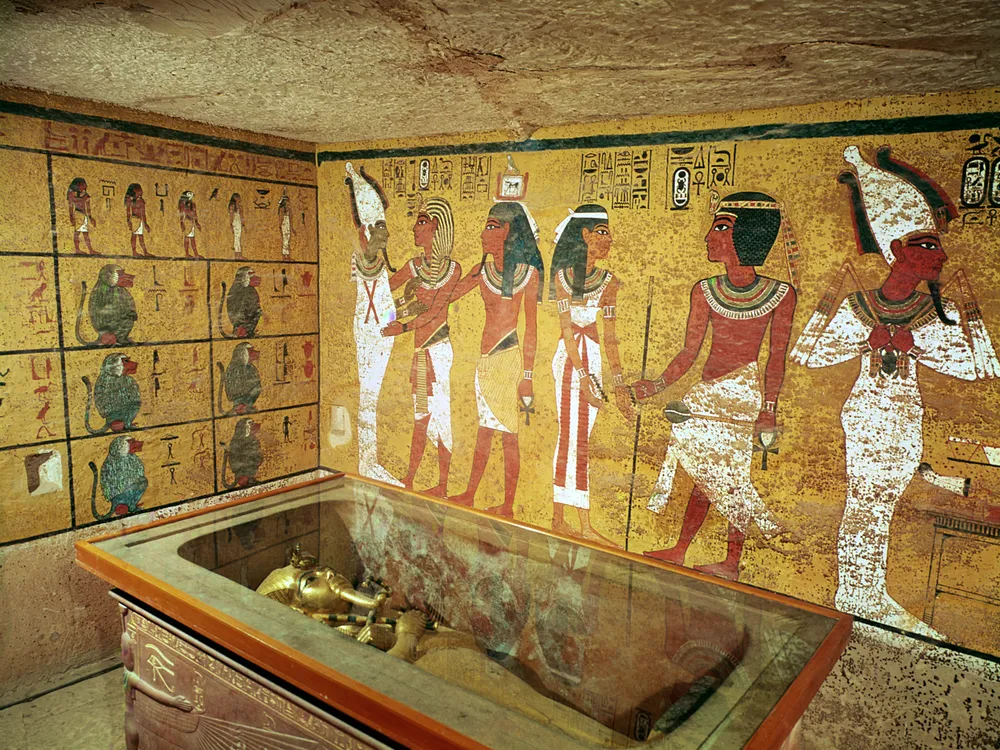
1. Pharaoh Seti II – The King Behind KV15
Pharaoh Seti II was one of the last rulers of Egypt's Nineteenth Dynasty, reigning during a period of political instability and dynastic rivalry that marked the closing decades of one of the New Kingdom's greatest royal families. He was the son of Pharaoh Merneptah, the successor of the legendary Ramesses II, and inherited a kingdom facing internal disputes over the royal succession. Shortly after Merneptah's death, Egypt became divided by competing claims to the throne, particularly involving the rival ruler Amenmesse, who controlled parts of Upper Egypt for several years. Historians continue debating the exact relationship between Seti II and Amenmesse, but archaeological evidence suggests that Seti II ultimately regained control of the kingdom and restored his authority before completing his reign. These political struggles profoundly influenced the construction of monuments, including his royal tomb in the Valley of the Kings. Despite the political turmoil surrounding his reign, Seti II continued the long-standing traditions of Egyptian kingship by sponsoring temples, restoring monuments, and commissioning his royal burial place, KV15. The tomb was designed to ensure the king's successful passage into the afterlife according to ancient Egyptian religious beliefs. Like his predecessors, Seti II entrusted the skilled craftsmen of Deir el-Medina with excavating and decorating his tomb using sacred funerary texts and magnificent religious imagery. The walls depict the king presenting offerings to powerful deities including Osiris, Ra, Anubis, Horus, Isis, Nephthys, and Hathor, emphasizing his divine authority both in life and after death. These carefully planned scenes were intended not merely as decoration but as magical instruments that guaranteed eternal protection and resurrection. Seti II's reign is also remembered because of its connection to several important historical figures, including Queen Twosret, who later ruled Egypt as pharaoh, and Pharaoh Siptah, who succeeded him. The political changes that followed Seti II's death eventually contributed to the collapse of the Nineteenth Dynasty and the rise of the Twentieth Dynasty under Setnakhte. As a result, KV15 occupies an important place within the historical sequence of the Valley of the Kings, representing one of the final royal monuments built before Egypt entered a new dynastic era. Today, historians regard Seti II as a ruler whose reign reflected both continuity and crisis. Although overshadowed by greater pharaohs such as Seti I and Ramesses II, his tomb remains an essential source of information about the final decades of the Nineteenth Dynasty and the evolution of royal burial traditions during the New Kingdom.
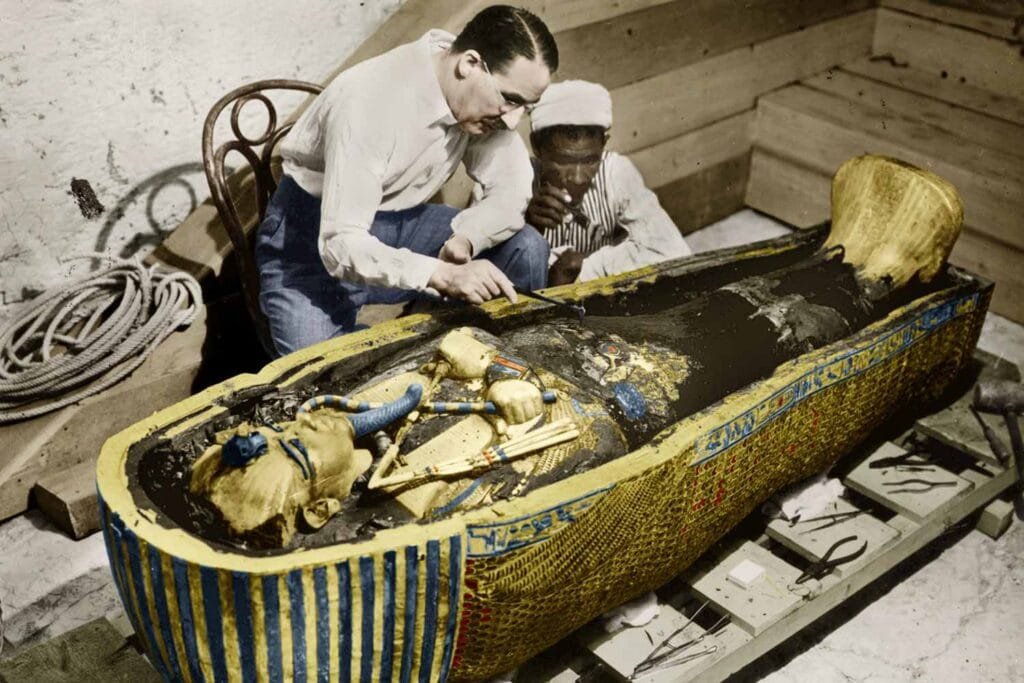
2. Architecture and Layout of KV15
The architecture of KV15 follows the classic design principles of New Kingdom royal tombs while reflecting the changing circumstances of the late Nineteenth Dynasty. Excavated into the limestone cliffs of the Valley of the Kings, the tomb features a straight-axis plan consisting of descending stairways, long corridors, pillared halls, side chambers, and a burial chamber carefully arranged to support the king's journey through the underworld. Although smaller than monumental tombs such as KV17 or KV7, KV15 demonstrates the remarkable engineering skills of the craftsmen from Deir el-Medina, whose expertise allowed them to carve complex architectural spaces deep beneath the Theban Mountains with extraordinary precision. Visitors entering KV15 descend through a sequence of corridors decorated with finely carved reliefs and sacred hieroglyphic inscriptions. These passages gradually lead toward increasingly sacred areas of the tomb, symbolizing the pharaoh's progression through the different stages of the afterlife. The burial chamber originally housed the king's sarcophagus and funerary equipment, while adjoining rooms were intended for storing ritual objects, food offerings, furniture, canopic equipment, and magical items necessary for eternal life. Every architectural feature served both practical and religious purposes, illustrating the close relationship between tomb design and ancient Egyptian beliefs concerning resurrection. Although ancient flooding and repeated episodes of tomb robbery caused damage to certain sections of KV15, much of its original architectural layout remains remarkably well preserved. Archaeologists have identified unfinished areas and later repairs that provide valuable evidence concerning the construction process and the challenges faced by ancient builders during a politically unstable period. Modern laser scanning, digital mapping, and geological studies continue improving scholarly understanding of the monument while supporting long-term conservation efforts. Today, KV15 is admired not only for its elegant proportions but also for the insight it provides into royal architecture during the closing years of the Nineteenth Dynasty. Its carefully planned layout illustrates how Egyptian engineers successfully combined religious symbolism, architectural innovation, and practical function within one of the Valley of the Kings' most historically important royal tombs.
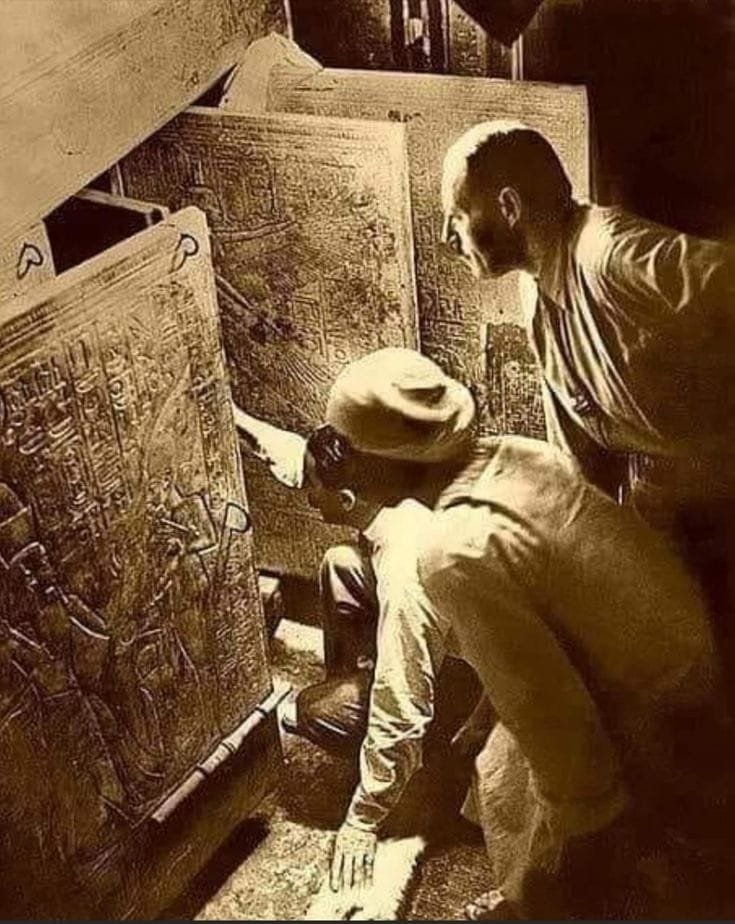
3. Religious Decoration and Sacred Funerary Texts
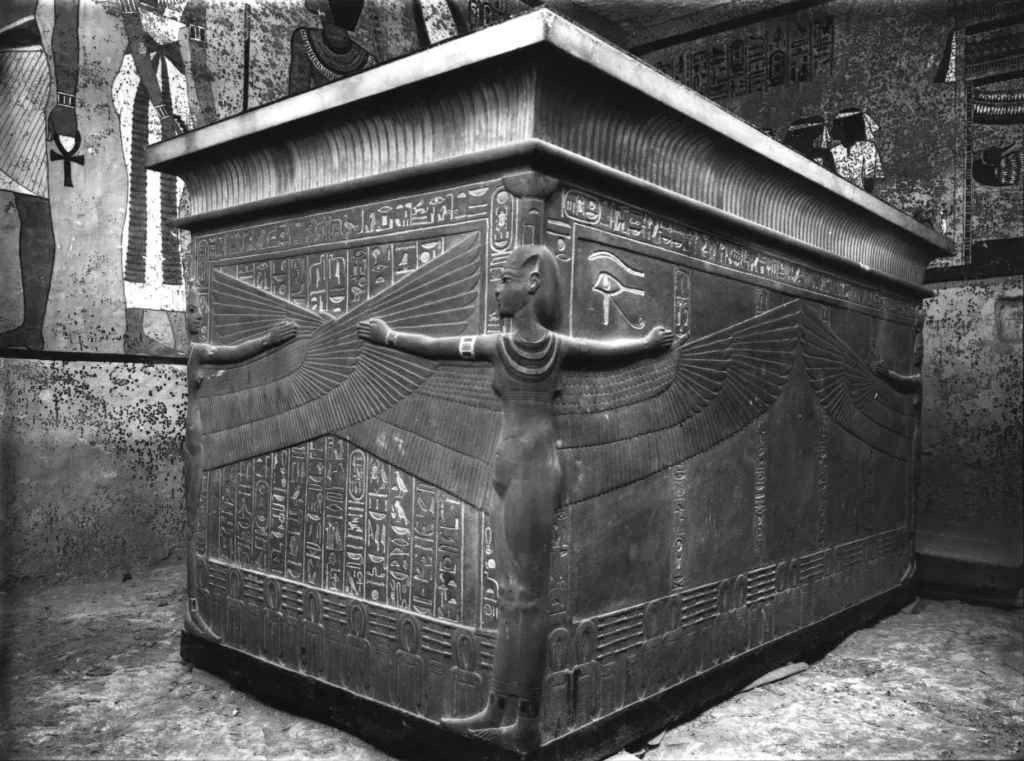
The decoration inside KV15 represents one of the finest surviving examples of late Nineteenth Dynasty funerary art in the Valley of the Kings. Every corridor and chamber was designed to protect Pharaoh Seti II during his journey through the underworld by surrounding him with sacred texts, divine beings, and magical imagery. Ancient Egyptians believed that successful resurrection depended upon possessing the correct religious knowledge, and the walls of KV15 functioned as both spiritual guidebooks and powerful magical protections. Despite centuries of natural weathering and human activity, many reliefs remain remarkably well preserved, allowing visitors to appreciate the extraordinary artistic achievements of the craftsmen from Deir el-Medina. Among the most important decorative elements are scenes showing Seti II worshipping major Egyptian gods, including Osiris, Ra, Anubis, Horus, Isis, Nephthys, Hathor, and Ptah. These deities each played essential roles in ensuring the king's successful transformation into an eternal divine being. The walls also contain significant portions of the Book of Gates, describing the sun god's nightly journey through the twelve regions of the underworld, together with sections of the Litany of Ra, which celebrate the many forms of the solar creator god. These sacred compositions were believed to provide the king with the knowledge required to overcome supernatural dangers and unite with the eternal cycle of the sun. The artistic quality of KV15 demonstrates that Egyptian craftsmen maintained exceptionally high standards despite the political uncertainty of Seti II's reign. Elegant relief carving, balanced compositions, carefully painted hieroglyphs, and harmonious color schemes characterize the surviving decoration throughout the tomb. Although some scenes were damaged by ancient flooding or tomb robbers, conservation specialists have successfully preserved much of the original artwork through scientific restoration and environmental monitoring. Today, the religious decoration of KV15 remains one of its greatest attractions. The combination of sacred texts, magnificent reliefs, and sophisticated artistic techniques offers visitors a profound understanding of ancient Egyptian beliefs concerning kingship, resurrection, and eternal life, making KV15 an essential monument for studying the religious traditions of the late New Kingdom.
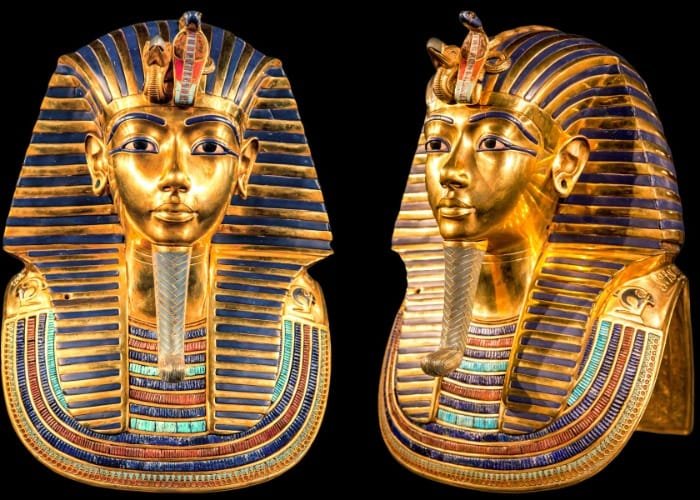
4. Archaeological Discoveries Inside KV15
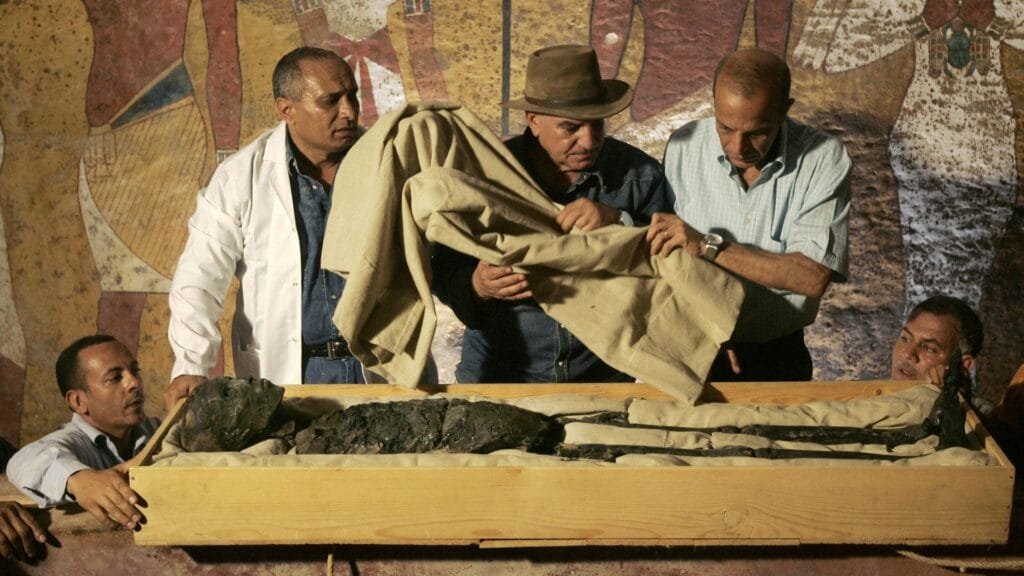
The Tomb of KV15 has provided archaeologists with invaluable evidence about the royal burial customs of the late Nineteenth Dynasty and the political history surrounding the reign of Pharaoh Seti II. Although the tomb was robbed in antiquity and many of its original treasures disappeared long before modern excavations began, numerous important discoveries have allowed Egyptologists to reconstruct the monument's original appearance and historical significance. Excavations have revealed architectural features, decorated reliefs, funerary equipment, pottery vessels, fragments of burial furniture, and inscriptions that collectively illustrate the sophistication of New Kingdom royal burial practices. Every discovery within KV15 contributes to a broader understanding of the final decades of the Nineteenth Dynasty and the development of the Valley of the Kings as Egypt's royal necropolis. One of the most significant discoveries associated with KV15 concerns the king's burial itself. Evidence suggests that Seti II's mummy was removed from its original tomb during the Twenty-first Dynasty, when priests sought to protect royal mummies from increasing tomb robberies. His mummy was eventually reburied in the royal cache at Deir el-Bahari (DB320) alongside many other New Kingdom pharaohs. This relocation preserved the king's remains from further looting and has provided modern researchers with valuable information regarding royal mummification techniques, health, age, and burial customs. Meanwhile, archaeological investigations inside KV15 uncovered fragments of the royal sarcophagus, broken stone vessels, ushabti figures, faience ornaments, linen wrappings, and remnants of funerary equipment that once accompanied the king into eternity. The decorated walls themselves represent one of the tomb's greatest archaeological treasures. Many beautifully carved reliefs and hieroglyphic inscriptions survive despite centuries of natural deterioration. Scholars have carefully documented these scenes using digital epigraphy, high-resolution photography, and laser scanning, allowing damaged inscriptions to be reconstructed and translated with remarkable accuracy. The surviving religious texts continue providing essential evidence concerning the beliefs, rituals, and artistic traditions of the late New Kingdom. Modern archaeological research at KV15 remains active through conservation projects and advanced scientific documentation. Three-dimensional mapping, multispectral imaging, geological surveys, and digital recording continue revealing previously overlooked details hidden within the monument. These ongoing investigations ensure that KV15 remains one of the Valley of the Kings' most valuable archaeological resources for understanding ancient Egyptian kingship and funerary traditions.
5. Historical Importance of KV15
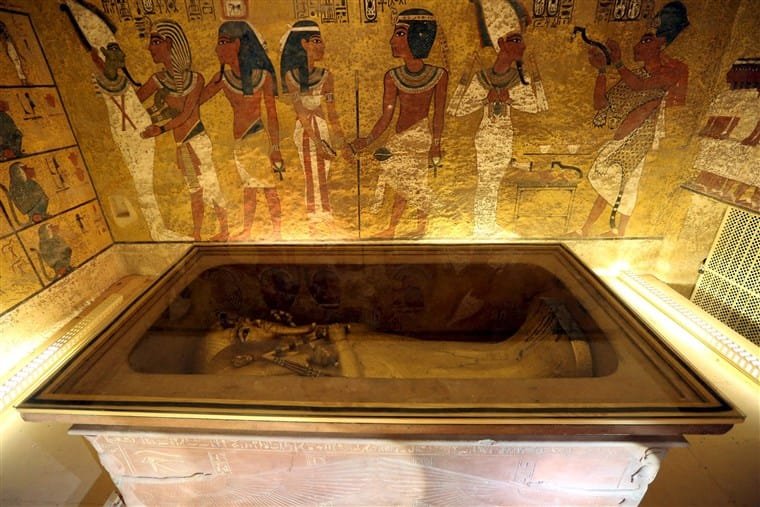
The historical significance of KV15 extends far beyond its impressive architecture and artistic decoration. As the royal tomb of Pharaoh Seti II, the monument represents one of the final major burial projects completed during the Nineteenth Dynasty, a period marked by political instability, dynastic rivalry, and significant changes in royal authority. The events surrounding Seti II's reign—including his struggle against the rival king Amenmesse, the rise of Queen Twosret, and the eventual transition to the Twentieth Dynasty—make KV15 one of the most historically important monuments in the Valley of the Kings. The tomb preserves direct archaeological evidence of a dynasty approaching its conclusion while maintaining the religious and artistic traditions that had defined the New Kingdom for centuries. One of KV15's greatest contributions to Egyptian history is the insight it provides into the political landscape of the late Ramesside Period. The monument reflects a time when royal succession became increasingly contested, forcing kings to reaffirm their legitimacy through monumental architecture and religious symbolism. The carefully carved scenes depicting Seti II receiving blessings from the gods emphasize his divine authority and rightful position as ruler of Egypt. These images served not only religious purposes but also political ones, reinforcing the king's legitimacy during a period of internal uncertainty. KV15 also demonstrates the remarkable resilience of ancient Egyptian religious traditions. Despite political upheaval, the tomb follows the same sacred principles that guided the construction of earlier royal monuments. The use of funerary texts such as the Book of Gates and the Litany of Ra, together with scenes honoring Osiris, Ra, Anubis, and other deities, illustrates the continuity of beliefs concerning resurrection and eternal kingship. This combination of historical change and religious continuity makes KV15 an especially valuable monument for understanding the evolution of Egyptian civilization during the late New Kingdom. Today, historians regard KV15 as an essential archaeological source for reconstructing one of ancient Egypt's most complex historical periods. Its architecture, decoration, inscriptions, and historical associations continue providing important evidence concerning royal authority, political transformation, and religious belief during the closing years of the Nineteenth Dynasty.

6. Conservation and Preservation of KV15
Preserving KV15 has become an important priority for archaeologists and conservation specialists working in the Valley of the Kings. Over more than three thousand years, the tomb has experienced repeated flooding, earthquakes, natural erosion, ancient robberies, and continuous environmental changes that have affected both its limestone structure and its painted decoration. Although much of the monument remains remarkably well preserved, careful scientific conservation is essential for protecting its reliefs, hieroglyphic inscriptions, architectural stability, and historical integrity. Modern preservation efforts ensure that future generations will continue studying one of the most important royal tombs of the late Nineteenth Dynasty. One of the primary conservation challenges involves protecting the painted reliefs from humidity, salt crystallization, dust accumulation, and fluctuations in temperature. These environmental factors gradually weaken the limestone and cause pigments to fade over time. Conservation teams regularly stabilize fragile plaster, reinforce cracked rock surfaces, clean wall paintings using specialized techniques, and monitor environmental conditions throughout the tomb. Particular attention is given to preserving the beautifully carved religious scenes and sacred texts that illustrate Seti II's journey through the underworld, as these represent some of the finest surviving examples of New Kingdom funerary art. Modern technology has significantly enhanced the preservation of KV15. High-resolution digital photography, three-dimensional laser scanning, photogrammetry, multispectral imaging, and geological mapping have created detailed digital records of every corridor, chamber, and inscription. These archives allow researchers to analyze the monument without unnecessary physical contact while providing permanent documentation should any future deterioration occur. Structural monitoring also helps engineers identify geological movement or developing cracks that could threaten the monument's long-term stability. Visitor management forms another important aspect of conservation. Controlled access, designated visitor pathways, protective lighting systems, improved ventilation, and educational interpretation help reduce damage caused by tourism while allowing travelers to appreciate the remarkable history of KV15. Through these ongoing scientific efforts, the tomb continues preserving one of the Valley of the Kings' most significant examples of late New Kingdom royal architecture and religious art.

7. Visiting KV15 Today – What to Expect
Today, KV15 is one of the most rewarding royal tombs to visit in the Valley of the Kings, especially for travelers interested in the history of the Nineteenth Dynasty and the final years of Egypt's powerful Ramesside kings. Although it is often overshadowed by world-famous tombs such as Tutankhamun (KV62), Seti I (KV17), and Ramesses VI (KV9), KV15 offers visitors an exceptional opportunity to admire beautifully preserved reliefs, elegant hieroglyphic inscriptions, and authentic New Kingdom architecture without the heavy crowds found at some of the Valley's most popular monuments. Its relatively peaceful atmosphere allows visitors to appreciate the remarkable craftsmanship and religious symbolism that define ancient Egyptian royal tombs. Upon entering KV15, visitors descend through a sequence of sloping corridors that gradually lead toward the burial chamber. Along the way, they encounter finely carved scenes showing Pharaoh Seti II presenting offerings to gods including Osiris, Ra, Anubis, Horus, Isis, and Nephthys. The walls also preserve important sections of the Book of Gates and the Litany of Ra, allowing visitors to follow the symbolic journey of the king through the underworld toward eternal life. The quality of the relief carving, the elegance of the hieroglyphs, and the careful proportions of the architecture demonstrate the extraordinary skill of the craftsmen from Deir el-Medina, who continued producing magnificent royal monuments despite the political uncertainty of the late Nineteenth Dynasty. Knowledgeable Egyptologist guides often use KV15 to explain the turbulent historical period during which Seti II ruled Egypt. Visitors learn about his rivalry with Amenmesse, the later rise of Queen Twosret, and the eventual establishment of the Twentieth Dynasty under Setnakhte. These historical narratives bring the monument to life, helping travelers understand that the tomb is far more than an architectural masterpiece—it is also a valuable historical document reflecting one of the most dramatic periods in ancient Egyptian history. For anyone exploring the Valley of the Kings beyond its most famous attractions, KV15 offers an outstanding combination of history, architecture, religion, and archaeology. It provides a rewarding experience for visitors seeking a deeper appreciation of the New Kingdom and the remarkable civilization that created Egypt's royal necropolis.
8. Fascinating Facts About KV15
The Tomb of KV15 contains numerous fascinating features that distinguish it from many other royal monuments in the Valley of the Kings. One of its most interesting characteristics is its association with Pharaoh Seti II, whose reign took place during one of the most politically unstable periods of the Nineteenth Dynasty. The tomb therefore preserves not only religious and artistic traditions but also important historical evidence connected with dynastic conflict and royal succession. Archaeologists frequently study KV15 to better understand how political events influenced royal architecture during the closing years of the New Kingdom. Another remarkable feature of KV15 is the quality of its surviving decoration. Although ancient tomb robbers removed most valuable burial treasures, many of the beautifully carved reliefs remain remarkably well preserved. The walls depict Seti II worshipping major Egyptian deities while sacred funerary texts guide his journey through the underworld. The artistic style reflects the continued excellence of the craftsmen from Deir el-Medina, whose precision in carving hieroglyphs and religious scenes rivals that found in some of the Valley's most celebrated tombs. These surviving decorations provide historians with valuable insight into the artistic achievements of the late Ramesside Period. KV15 is also significant because Seti II's mummy was not found inside the tomb. Like many New Kingdom rulers, his remains were removed by priests during the Twenty-first Dynasty to protect them from tomb robbers and were reburied in the famous royal cache at Deir el-Bahari (DB320). This reburial preserved the king's mummy for modern scientific study while illustrating the extensive efforts undertaken by ancient Egyptian priests to safeguard the royal dead during periods of increasing instability. The discovery of his mummy elsewhere has greatly expanded scholarly understanding of royal mummification and funerary practices. Today, KV15 remains one of the Valley of the Kings' hidden treasures. Its combination of political history, religious symbolism, elegant architecture, and archaeological importance makes it an essential destination for visitors interested in exploring the lesser-known but equally fascinating monuments of ancient Egypt.
9. KV15 Compared with Other Tombs in the Valley of the Kings
The Tomb of KV15 occupies an important position among the royal monuments of the Valley of the Kings, representing the artistic and religious traditions of the late Nineteenth Dynasty. While monumental tombs such as KV17 (Seti I), KV7 (Ramesses II), and KV9 (Ramesses V and Ramesses VI) are larger and more elaborately decorated, KV15 offers unique historical value because it reflects the turbulent political environment during the reign of Pharaoh Seti II. Rather than emphasizing imperial expansion or military victories, the tomb documents a period of dynastic rivalry, succession disputes, and the gradual transition toward the Twentieth Dynasty. This historical context makes KV15 especially valuable for archaeologists and historians studying the closing years of the New Kingdom. Architecturally, KV15 follows the classic straight-axis design typical of Ramesside royal tombs but on a more modest scale than some neighboring monuments. Despite its smaller size, the tomb demonstrates exceptional craftsmanship through its carefully carved corridors, elegant reliefs, and harmonious decorative program. The surviving scenes illustrating the Book of Gates, the Litany of Ra, and the king's encounters with major Egyptian gods compare favorably with the religious decoration found in many larger royal tombs. These artistic qualities confirm that the craftsmen of Deir el-Medina maintained remarkably high standards throughout the late Nineteenth Dynasty despite the kingdom's political challenges. For visitors, KV15 complements the Valley's more famous tombs by providing insight into a lesser-known but historically significant ruler. Instead of dazzling visitors with enormous chambers or extraordinary treasures, the monument rewards careful observation through its refined artwork, historical associations, and well-preserved religious texts. Together with nearby tombs such as KV14 (Twosret & Setnakhte) and KV16 (Ramesses I), KV15 helps illustrate the complex political and cultural transformation that reshaped Egypt at the end of the Nineteenth Dynasty.

10. Conclusion – Why KV15 Is an Important Royal Tomb
The Tomb of KV15 remains one of the most historically significant monuments in the Valley of the Kings, offering a unique window into the reign of Pharaoh Seti II and the final decades of the Nineteenth Dynasty. Although it is often overshadowed by larger and more famous royal tombs, KV15 preserves an extraordinary combination of elegant architecture, beautifully carved religious scenes, and invaluable historical evidence from one of ancient Egypt's most turbulent political periods. Every corridor, chamber, and hieroglyph reflects the enduring beliefs of the ancient Egyptians concerning kingship, resurrection, and eternal life, making the tomb an essential monument for understanding the religious traditions of the New Kingdom. The importance of KV15 extends beyond its artistic achievements. The tomb documents the reign of a king who ruled during a time of dynastic rivalry, political uncertainty, and shifting royal authority. Through its inscriptions and archaeological remains, historians can reconstruct the events that linked Seti II, Amenmesse, Queen Twosret, Siptah, and eventually Setnakhte, whose accession marked the beginning of the Twentieth Dynasty. As a result, KV15 serves as both a royal burial monument and a valuable historical archive preserving evidence of one of Egypt's most significant periods of political transition. Modern archaeological research continues revealing new information about KV15 through digital recording, laser scanning, multispectral photography, and scientific conservation. These advanced technologies allow scholars to document every relief, inscription, and architectural feature while ensuring the monument remains protected for future generations. Ongoing preservation efforts also guarantee that visitors can continue experiencing one of the Valley of the Kings' finest examples of late Ramesside royal craftsmanship. Today, KV15 stands as a lasting tribute to the skill of ancient Egyptian architects, artists, and craftsmen, as well as to the enduring legacy of Pharaoh Seti II. Its remarkable blend of history, religion, architecture, archaeology, and artistic excellence ensures that it remains one of the most rewarding and educational monuments in the Valley of the Kings for historians, archaeologists, and travelers alike.
11. Frequently Asked Questions About KV15
The Tomb of KV15 frequently raises questions among visitors because it belongs to one of the lesser-known pharaohs of the New Kingdom. One of the most common questions concerns the identity of its owner. KV15 was built for Pharaoh Seti II, who ruled Egypt during the late Nineteenth Dynasty after the reign of Merneptah. His rule coincided with a period of political instability that included a rivalry with the claimant Amenmesse, making his reign one of the most debated chapters in Egyptian history. Despite these challenges, Seti II successfully completed a royal tomb that preserved the traditional religious beliefs and artistic standards of the New Kingdom. Another frequently asked question concerns the tomb's decoration. Although ancient robbers removed most valuable funerary treasures, the walls of KV15 remain beautifully decorated with scenes depicting Seti II before gods such as Osiris, Ra, Anubis, Isis, Horus, and Nephthys. Visitors can also observe sections of the Book of Gates, the Litany of Ra, and other sacred funerary compositions intended to guide the king safely through the underworld. These religious texts provide valuable insight into ancient Egyptian beliefs concerning resurrection, divine protection, and eternal kingship. Many travelers also ask what happened to Seti II's mummy. Archaeological evidence indicates that his body was removed from KV15 during the Twenty-first Dynasty by priests attempting to protect royal mummies from tomb robbers. His mummy was eventually reburied in the famous royal cache at Deir el-Bahari (DB320), where it was later discovered by archaeologists. This relocation helped preserve the king's remains and has enabled modern scientists to study his health, age, and mummification techniques. Today, KV15 remains one of the Valley of the Kings' most historically valuable monuments. Its combination of elegant architecture, magnificent religious decoration, fascinating political history, and important archaeological discoveries makes it an essential destination for anyone seeking to understand the final years of the Nineteenth Dynasty and the enduring legacy of ancient Egyptian civilization.
12. Legacy of KV15 in Ancient Egyptian History
More than three thousand years after its construction, KV15 continues to occupy an important place in the history of ancient Egypt and the Valley of the Kings. The tomb is far more than the burial place of Pharaoh Seti II; it is a lasting record of the political, religious, and artistic traditions that characterized the closing years of the Nineteenth Dynasty. Its carefully planned architecture, sacred inscriptions, and magnificent reliefs demonstrate that even during periods of political uncertainty, the ancient Egyptians remained committed to preserving their timeless beliefs concerning kingship, divine order, and the afterlife. For historians, KV15 provides an irreplaceable source of information about one of the New Kingdom's most complex historical eras. The monument has also played an important role in advancing modern Egyptology. Detailed archaeological excavations, epigraphic surveys, geological studies, and conservation projects have greatly improved scholarly understanding of royal burial customs, tomb construction techniques, and Ramesside religious beliefs. The discovery of Seti II's mummy in the royal cache at Deir el-Bahari has complemented the archaeological evidence preserved inside KV15, allowing researchers to reconstruct the king's burial history with remarkable accuracy. Combined with modern technologies such as laser scanning and digital documentation, these investigations continue revealing new details about one of Egypt's most significant royal monuments. For visitors, KV15 offers an experience that extends beyond viewing ancient artwork. It provides an opportunity to explore the final chapter of the Nineteenth Dynasty, understand the challenges faced by one of Egypt's lesser-known pharaohs, and appreciate the extraordinary skill of the craftsmen from Deir el-Medina. Every carved relief, painted inscription, and architectural feature reflects the remarkable achievements of a civilization whose influence continues inspiring people around the world. As one of the most historically meaningful tombs in the Valley of the Kings, KV15 remains an essential destination for archaeologists, historians, students, and travelers alike. Its enduring legacy ensures that the story of Pharaoh Seti II, his royal tomb, and the remarkable civilization that created it will continue to educate and inspire future generations.
