

- Excursions in Egypt
- Egypt Tour Packages
- Cairo Tours and Excursions
- Hurghada Tours and Excursions
- Soma Bay Tours and Excursions
- Makadi Bay Tours and Excursions
- Sahl Hasheesh Tours and Excursions
- El Gouna Tours and Excursions
- Marsa Alam Tours and Excursions
- Port Ghalib Tours and Excursions
- El Quseir Tours and Excursions
- Dendera and Abydos Day Tours
- Aswan Tours and Excursions
- Luxor Tours and Excursions
- Sharm El Sheikh Tours and Excursions
- Top Rated Egypt Tours in 2026
- Optional Excursions in Egypt
- Private Transfer
- Blogs About egypt
- Ancient Egypt
- Historical Sites in Egypt
- Cairo
- Alexandria
- Luxor
- Aswan
- The Red Sea
- Dendera Temple
- El Fayoum Oasis
- Bahariya Oasis
- Siwa Oasis
- Al Alamein
- Marsa Matruh
- Why Egypt Is One of the Safest Countries to Visit in the Middle East
- What You Need To know Before Your First Trip To Egypt
- Egypt Travel Costs in 2026 Full Budget Guide
- Top 10 Tourist Activities in Egypt
- Top 50 Activities You Can’t Miss in Egypt in 2026
- The Guide to Guided Tours in Egypt
- Egypt’s Ancient and Modern History
- The Nile River
- The Deserts of Egypt
- Ancient Egyptian gods
- famous Egyptian dishes
- UNESCO World Heritage sites
- About Us
- Egypt Hotels and Resorts
- Excursions in Egypt
- Egypt Tour Packages
- Cairo Tours and Excursions
- Hurghada Tours and Excursions
- Soma Bay Tours and Excursions
- Makadi Bay Tours and Excursions
- Sahl Hasheesh Tours and Excursions
- El Gouna Tours and Excursions
- Marsa Alam Tours and Excursions
- Port Ghalib Tours and Excursions
- El Quseir Tours and Excursions
- Dendera and Abydos Day Tours
- Aswan Tours and Excursions
- Luxor Tours and Excursions
- Sharm El Sheikh Tours and Excursions
- Top Rated Egypt Tours in 2026
- Optional Excursions in Egypt
- Private Transfer
- Blogs About egypt
- Ancient Egypt
- Historical Sites in Egypt
- Cairo
- Alexandria
- Luxor
- Aswan
- The Red Sea
- Dendera Temple
- El Fayoum Oasis
- Bahariya Oasis
- Siwa Oasis
- Al Alamein
- Marsa Matruh
- Why Egypt Is One of the Safest Countries to Visit in the Middle East
- What You Need To know Before Your First Trip To Egypt
- Egypt Travel Costs in 2026 Full Budget Guide
- Top 10 Tourist Activities in Egypt
- Top 50 Activities You Can’t Miss in Egypt in 2026
- The Guide to Guided Tours in Egypt
- Egypt’s Ancient and Modern History
- The Nile River
- The Deserts of Egypt
- Ancient Egyptian gods
- famous Egyptian dishes
- UNESCO World Heritage sites
- About Us
- Egypt Hotels and Resorts
Welcome to
Tomb of KV13 – Bay (Later Reused by Amenherkhepshef and Mentuherkhepshef): Complete Guide to One of the Valley of the Kings' Most Unusual Tombs
The Tomb of KV13 is one of the most fascinating and historically unique monuments in the Valley of the Kings, located on the west bank of Luxor, Egypt. Unlike the majority of tombs in the royal necropolis, which were constructed for pharaohs, KV13 was originally built for Bay, the powerful Chancellor of Egypt during the reign of Pharaoh Siptah in the Nineteenth Dynasty. Bay was one of the most influential non-royal officials in ancient Egyptian history, rising to extraordinary political power during a turbulent period marked by royal succession disputes and shifting alliances. His exceptional status earned him the rare privilege of being granted a tomb within the Valley of the Kings—an honor usually reserved exclusively for members of the royal family. Although Bay ultimately fell from power before his burial could take place, KV13 remains a remarkable testament to his influence and ambition.
Following Bay’s execution during the reign of Siptah, the tomb underwent a dramatic transformation. Instead of serving as Bay’s final resting place, KV13 was later reused during the Twentieth Dynasty as the burial place of two royal princes—Amenherkhepshef and Mentuherkhepshef, both members of the Ramesside royal family. These later burials introduced new sarcophagi, funerary equipment, and architectural modifications while preserving portions of the original monument. As a result, KV13 represents several distinct phases of Egyptian history, reflecting both the extraordinary rise and fall of one of Egypt’s most powerful officials and the later adaptation of royal burial monuments during periods of political and economic change.
Today, KV13 is recognized as one of the most important archaeological monuments for understanding the complex relationship between royal authority and powerful government officials during the late New Kingdom. Its architecture, unfinished decoration, reused burial chambers, magnificent granite sarcophagi, and rich archaeological discoveries continue providing valuable information about ancient Egyptian politics, funerary customs, and the evolution of the Valley of the Kings. This complete guide explores every aspect of KV13, including the life of Chancellor Bay, the architecture of the tomb, later royal burials, archaeological discoveries, religious significance, conservation efforts, visitor experience, and the lasting historical importance of one of the Valley’s most unusual monuments.
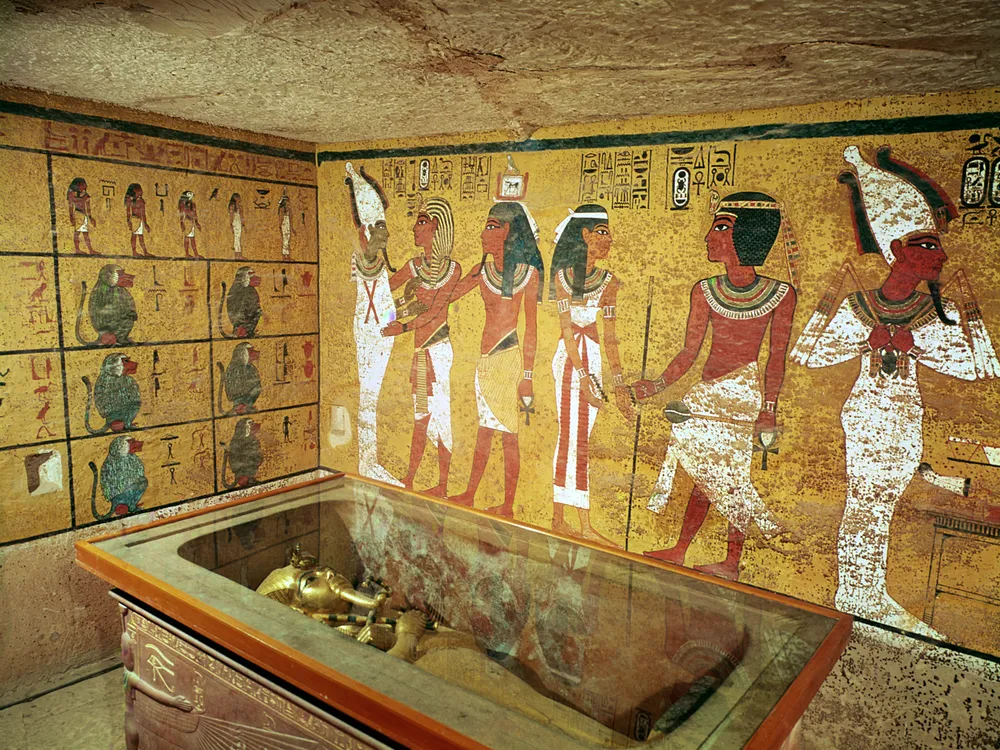
1. Chancellor Bay – The Powerful Official Behind KV13
The story of KV13 begins with one of the most remarkable non-royal figures in ancient Egyptian history—Chancellor Bay. Unlike the pharaohs whose magnificent tombs dominate the Valley of the Kings, Bay was not born into the royal family. Instead, he rose through the ranks of the Egyptian administration during the late Nineteenth Dynasty, eventually becoming one of the most influential officials in the kingdom. Serving under Pharaoh Siptah, Bay held the prestigious title of Great Chancellor of the Entire Land, giving him enormous authority over government affairs, taxation, administration, and royal projects. His influence became so extensive that his name appeared alongside those of the king and queen on official monuments, an extraordinary honor rarely granted to a non-royal individual. This exceptional political status explains why Bay received permission to construct a tomb in the Valley of the Kings, a privilege usually reserved for Egypt's rulers. The political environment during Bay's career was one of the most unstable periods of the New Kingdom. Following the death of Merneptah, Egypt experienced a series of succession disputes involving rulers such as Amenmesse, Seti II, Siptah, and Queen Twosret. During this turbulent era, Bay emerged as a key political figure who likely played an important role in supporting the young Pharaoh Siptah's accession to the throne. Some scholars believe he also worked closely with Queen Twosret, who served as regent during Siptah's reign. Contemporary inscriptions portray Bay as an exceptionally trusted official responsible for maintaining political stability during a time of uncertainty. His unprecedented prominence demonstrates how powerful senior administrators could become when royal authority weakened during the later years of the Nineteenth Dynasty. Despite his remarkable rise, Bay's career ended suddenly and dramatically. An inscription discovered at Deir el-Medina records that he was executed during the fifth year of Siptah's reign on direct royal orders. The precise reason remains unknown, although historians have suggested accusations of treason, political rivalry, or abuse of power. His abrupt downfall meant that KV13 was probably never used for his burial. Instead, construction ceased, and his memory largely disappeared from official records. This dramatic reversal transformed Bay from one of Egypt's most powerful officials into one of its greatest historical mysteries. Nevertheless, his unfinished tomb remains an extraordinary reminder of the heights that a non-royal individual could achieve within ancient Egyptian society. Today, Chancellor Bay continues fascinating historians because his career illustrates both the opportunities and dangers of political power in ancient Egypt. His rise from government official to one of the kingdom's most influential men—and his equally dramatic downfall—make KV13 one of the most historically significant monuments in the Valley of the Kings.
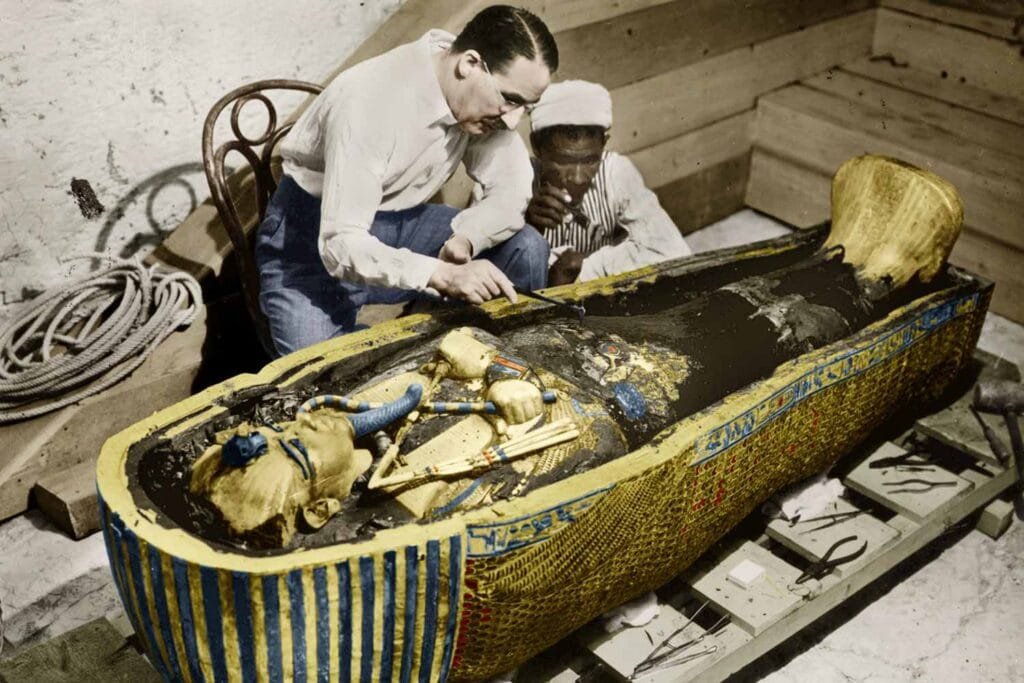
2. Construction and Architecture of KV13
The Tomb of KV13 was carefully planned as an elite funerary monument reflecting Chancellor Bay's extraordinary political importance. Located in the central area of the Valley of the Kings, the tomb follows many architectural principles used in contemporary royal monuments of the late Nineteenth Dynasty. Skilled craftsmen from Deir el-Medina excavated the monument directly into the limestone cliffs, creating a straight-axis layout consisting of a descending entrance, corridors, pillared chambers, and a burial chamber designed to house an elaborate stone sarcophagus. Although smaller than the monumental tombs of pharaohs such as Seti I or Ramesses II, KV13 demonstrates the exceptional quality of engineering and architectural planning employed by the royal workmen. The tomb's design strongly resembles other elite monuments built during the Ramesside Period. Visitors descend a staircase leading into a sequence of corridors decorated with carefully carved architectural details before reaching larger interior chambers. Evidence suggests that the original decorative program intended to include scenes illustrating Bay's journey through the underworld together with religious texts commonly found in royal burials. However, following Bay's execution, much of this work either stopped or remained incomplete. As a result, certain sections preserve unfinished surfaces that reveal valuable information concerning the methods used by ancient Egyptian artisans when constructing elite funerary monuments. One of the most remarkable architectural features of KV13 is the series of modifications introduced after Bay's death. When the tomb was reused during the Twentieth Dynasty, later occupants enlarged portions of the burial chamber, altered internal spaces, and installed massive granite sarcophagi belonging to royal princes. These changes transformed KV13 from the private tomb of a powerful official into a royal burial monument associated with members of the Ramesside dynasty. Archaeologists can clearly distinguish these different construction phases by examining variations in masonry, architectural modifications, and the placement of burial equipment throughout the monument. Modern surveys employing three-dimensional laser scanning, digital mapping, and geological analysis continue documenting every aspect of KV13's architecture. These investigations have significantly improved understanding of its original design while revealing how the monument evolved through successive periods of reuse. Today, KV13 stands as one of the finest examples of how ancient Egyptian tombs could be adapted to meet changing historical circumstances while preserving valuable evidence of New Kingdom engineering.
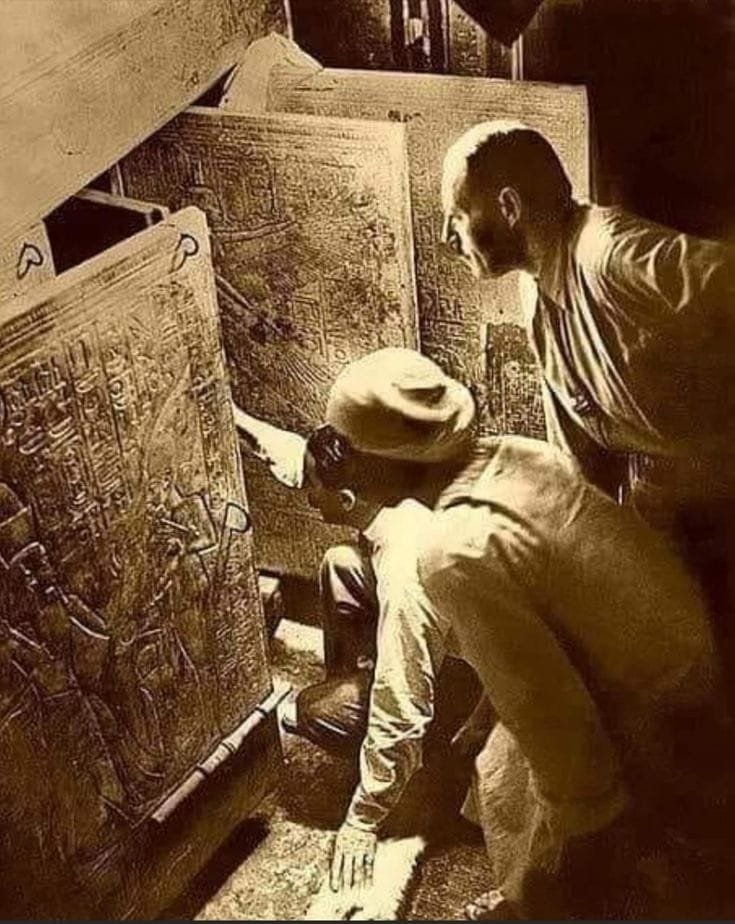
3. The Reuse of KV13 by Amenherkhepshef and Mentuherkhepshef
Although KV13 was originally intended for Chancellor Bay, the monument became far more famous because of its later reuse by members of the Ramesside royal family. During the Twentieth Dynasty, the abandoned tomb was converted into the burial place of two royal princes—Amenherkhepshef and Mentuherkhepshef. This transformation reflects a broader pattern within the Valley of the Kings, where existing monuments were frequently adapted for new burials during periods of political uncertainty and economic decline. Instead of excavating entirely new tombs, royal officials often modified abandoned monuments, creating complex archaeological sites that preserve evidence from several different historical periods. The most important later occupant was Prince Amenherkhepshef, a son of Ramesses III who died before ascending the throne. Archaeological excavations uncovered his magnificent red granite sarcophagus inside the burial chamber, together with fragments of funerary equipment and inscriptions identifying him as a royal prince. The quality of the sarcophagus demonstrates that, despite reusing an existing monument, the prince received an elaborate burial consistent with his high status within the royal family. Later, another prince, Mentuherkhepshef, was also buried within KV13, further expanding the monument's historical significance. The presence of multiple royal burials transformed KV13 into one of the Valley's most complex funerary monuments. The archaeological evidence preserved inside KV13 illustrates how ancient Egyptians successfully adapted existing architecture for new religious purposes. Builders modified burial chambers, installed additional funerary equipment, and altered certain architectural features while preserving much of the original structure created for Chancellor Bay. This combination of private and royal history makes KV13 unique within the Valley of the Kings. Rather than representing a single burial event, the tomb records the changing fortunes of powerful individuals across several generations of Egyptian history. Today, KV13 is regarded as one of the Valley's most informative archaeological monuments because it combines political history, royal burials, architectural adaptation, and exceptional funerary artifacts within a single tomb. The stories of Bay, Amenherkhepshef, and Mentuherkhepshef together illustrate the complex and ever-changing history of ancient Egypt during the closing centuries of the New Kingdom.
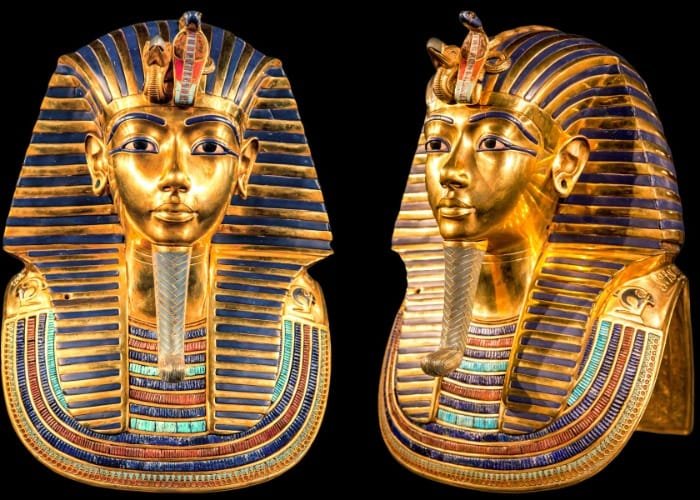
4. Archaeological Discoveries Inside KV13
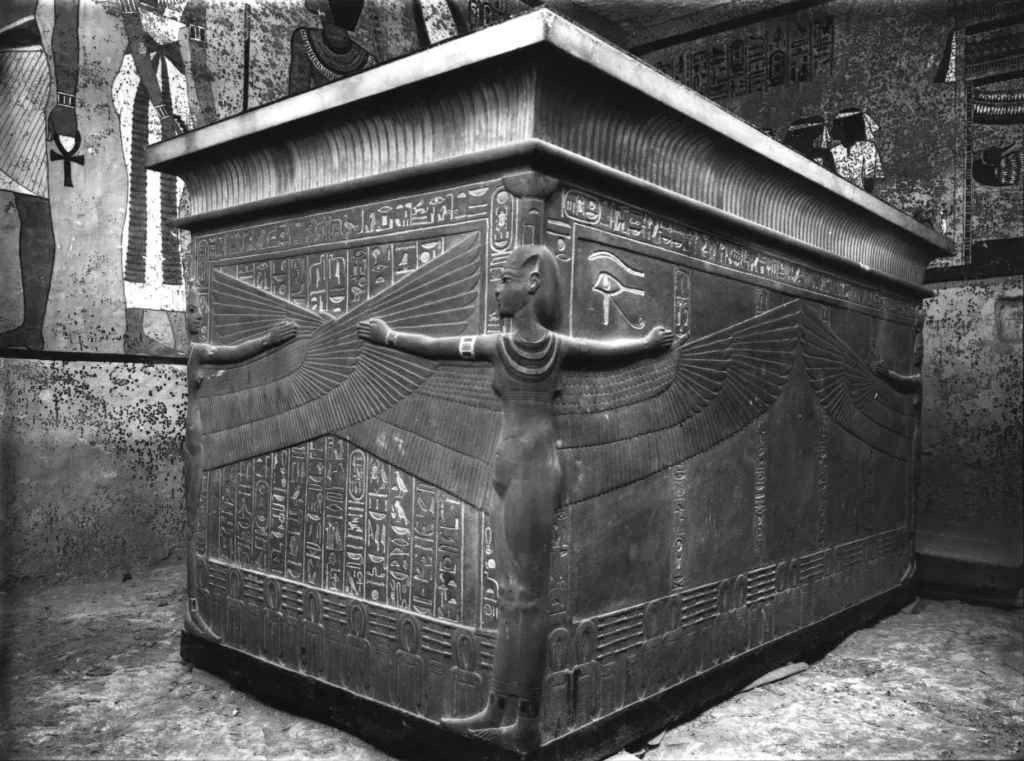
The Tomb of KV13 has produced some of the most significant archaeological discoveries in the Valley of the Kings, despite never serving as the final resting place of its original owner, Chancellor Bay. Because the tomb was reused during the Twentieth Dynasty, excavations have uncovered a remarkable collection of funerary objects, architectural features, and inscriptions belonging to multiple individuals. These discoveries have allowed Egyptologists to reconstruct the monument's complex history while providing valuable insights into elite and royal burial customs during the late New Kingdom. Unlike many royal tombs that represent a single burial event, KV13 preserves evidence spanning several generations, making it one of the Valley's most historically layered monuments. Among the most spectacular discoveries inside KV13 are the massive red granite sarcophagi belonging to Prince Amenherkhepshef and Prince Mentuherkhepshef. These beautifully carved stone coffins are masterpieces of Ramesside craftsmanship, decorated with finely engraved hieroglyphic inscriptions invoking divine protection from gods such as Osiris, Anubis, Isis, and Nephthys. Although ancient tomb robbers removed most valuable grave goods, the surviving sarcophagi remain among the finest examples of royal funerary art from the Twentieth Dynasty. Archaeologists also recovered fragments of wooden coffins, ushabti figures, pottery vessels, faience ornaments, linen wrappings, funerary amulets, plaster fragments, and pieces of burial equipment that help reconstruct the later occupation of the tomb. Equally important are the architectural clues preserved throughout KV13. Careful examination of wall surfaces, masonry, and unfinished decorative elements has enabled researchers to distinguish between the original construction phase intended for Chancellor Bay and the later modifications introduced for the royal princes. Inscriptions bearing Bay's titles survive alongside later royal cartouches, providing rare evidence of how abandoned monuments were adapted for new owners without completely erasing their original history. These overlapping phases make KV13 an exceptional archaeological case study for understanding tomb reuse in ancient Egypt. Modern archaeological research continues to reveal new information through advanced technologies including laser scanning, photogrammetry, digital epigraphy, and microscopic pigment analysis. Every artifact and architectural feature contributes to a more complete understanding of the political, religious, and artistic history of KV13. Today, the tomb stands as one of the Valley of the Kings' richest archaeological resources for studying elite officials, royal princes, and the evolution of New Kingdom funerary traditions.
5. Religious Decoration and Funerary Beliefs in KV13
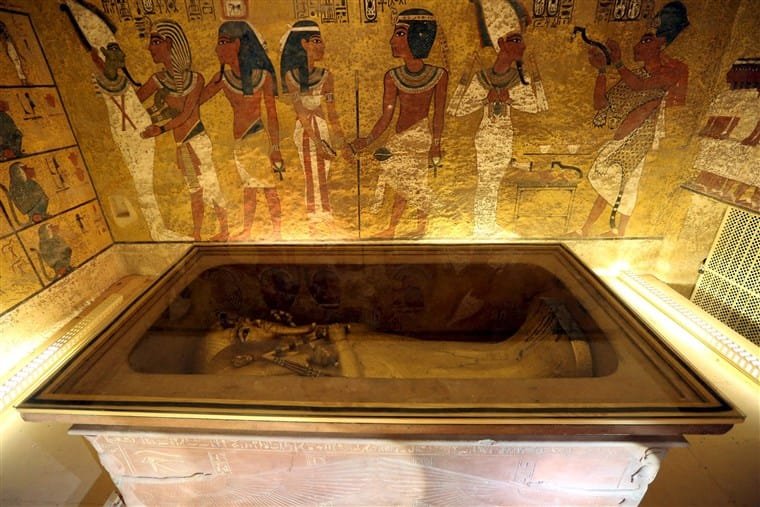
Although KV13 was originally designed for Chancellor Bay, its religious decoration follows many of the same sacred traditions found in royal tombs throughout the Valley of the Kings. Ancient Egyptians believed that death marked the beginning of a dangerous journey through the underworld, during which the deceased required divine protection, magical knowledge, and sacred rituals to achieve eternal life. Consequently, elite tombs were decorated with religious scenes, hieroglyphic texts, and representations of powerful deities whose role was to guide and protect the deceased. Even though parts of KV13 were modified during later reuse, much of its religious symbolism reflects these enduring beliefs about resurrection and immortality. The surviving decorative program includes images and inscriptions associated with major Egyptian gods such as Osiris, ruler of the underworld; Anubis, protector of mummification; Ra, the solar creator god; Horus, symbol of divine kingship; Isis, goddess of protection and motherhood; and Nephthys, guardian of the dead. These deities appear throughout New Kingdom funerary literature, ensuring the safe passage of the deceased through the many dangers of the afterlife. Had the tomb been completed for Bay as originally planned, it likely would have included extensive sections of sacred compositions such as the Book of Gates, the Book of the Dead, and solar hymns celebrating the nightly journey of the sun god. Later modifications introduced during the burials of Amenherkhepshef and Mentuherkhepshef preserved these traditional religious themes while adapting them for royal family members. One of the most fascinating aspects of KV13 is the coexistence of private and royal funerary traditions within the same monument. Bay, despite not being a king, received a tomb whose religious design closely resembled contemporary royal monuments, reflecting his extraordinary political status. When the tomb was later reused by royal princes, additional inscriptions and funerary equipment further emphasized the divine protection granted to members of the Ramesside dynasty. This blending of elite and royal religious traditions provides valuable evidence of how status influenced funerary architecture during the late New Kingdom. Today, the surviving religious decoration of KV13 continues helping historians understand the spiritual beliefs that shaped ancient Egyptian burial customs. Although less extensive than the magnificent painted programs of KV17 or KV9, the monument preserves an important chapter in the religious history of the Valley of the Kings, illustrating the enduring importance of divine protection, resurrection, and eternal life.

6. Historical Importance of KV13
The historical significance of KV13 extends far beyond its architecture and archaeological discoveries. Few monuments in the Valley of the Kings illustrate the dramatic political changes of the late Nineteenth Dynasty and Twentieth Dynasty as clearly as this remarkable tomb. Originally built for one of Egypt's most powerful government officials and later transformed into the burial place of royal princes, KV13 reflects the constantly changing balance of political power during the closing centuries of the New Kingdom. Its unique history allows historians to study not only royal burial traditions but also the extraordinary influence that elite officials could achieve within ancient Egyptian society. The story of Chancellor Bay is central to the monument's importance. His rise from a senior administrator to one of the kingdom's most influential political figures demonstrates how capable officials could accumulate immense authority during periods of royal instability. At the same time, his sudden execution illustrates the dangers of political life at the highest levels of the Egyptian court. The abandonment of his tomb following his downfall provides direct archaeological evidence of how changing political fortunes affected monumental construction. Very few monuments preserve such a clear connection between political events and unfinished funerary architecture. KV13 also contributes significantly to our understanding of tomb reuse within the Valley of the Kings. The later burials of Amenherkhepshef and Mentuherkhepshef demonstrate how abandoned monuments could be successfully adapted for members of the royal family during periods of economic and political transition. The coexistence of elite and royal burials within a single monument makes KV13 an exceptional archaeological resource for studying the evolution of burial customs across multiple generations. Every architectural modification, inscription, and funerary object adds another chapter to the monument's long history. Today, KV13 remains one of the Valley of the Kings' most important historical monuments. Its association with Chancellor Bay, the Ramesside princes, and the broader political transformations of the late New Kingdom ensures its continuing importance for archaeologists, historians, and visitors seeking to understand the remarkable complexity of ancient Egyptian civilization.

7. Conservation and Preservation of KV13
The Tomb of KV13 has survived for more than three thousand years despite facing numerous natural and human-made threats. Like many monuments in the Valley of the Kings, it has been affected by earthquakes, flash floods, temperature fluctuations, salt crystallization, ancient tomb robberies, and repeated episodes of reuse. Although the tomb does not preserve the extensive painted decoration found in monuments such as KV17 or KV9, its architectural features, inscriptions, granite sarcophagi, and surviving reliefs remain invaluable archaeological resources that require continuous protection. Modern conservation programs have therefore become essential to ensuring that KV13 continues contributing to the study of ancient Egyptian history for future generations. One of the greatest conservation priorities inside KV13 is the preservation of its monumental granite sarcophagi and fragile limestone architecture. The massive stone coffins of Prince Amenherkhepshef and Prince Mentuherkhepshef remain among the tomb's most important archaeological features, requiring regular monitoring to detect structural movement, surface deterioration, or environmental damage. Conservators also focus on stabilizing cracks in the limestone walls, reinforcing weakened ceilings, and preventing damage caused by moisture and soluble salts that gradually weaken the rock over time. Careful environmental monitoring allows specialists to identify potential risks before irreversible deterioration occurs. Modern archaeological documentation has transformed the preservation of KV13. Three-dimensional laser scanning, digital photogrammetry, multispectral photography, geological mapping, and high-resolution epigraphic recording now document every chamber, inscription, and architectural feature with remarkable precision. These digital records provide permanent archives for researchers while reducing the need for repeated physical contact with fragile surfaces. Conservation specialists also collaborate with structural engineers to evaluate the long-term stability of the surrounding cliffs, ensuring that geological changes do not threaten the monument's integrity. Visitor management forms another important aspect of preservation. Although KV13 receives fewer tourists than the Valley's most famous royal tombs, controlled access, designated pathways, improved lighting, and educational interpretation help minimize accidental damage while enhancing the visitor experience. Through these combined conservation efforts, KV13 continues serving as one of the Valley of the Kings' most valuable archaeological monuments, preserving the remarkable stories of Chancellor Bay and the Ramesside princes for generations to come.
8. Visiting KV13 Today – What Travelers Can Expect
For visitors exploring the Valley of the Kings, KV13 offers a unique opportunity to experience one of the necropolis' most historically complex monuments. While many tourists focus on the spectacular decoration of tombs belonging to Tutankhamun, Seti I, or Ramesses VI, KV13 appeals especially to travelers interested in political history, archaeology, and the evolution of royal burial practices. Its combination of elite and royal associations, impressive granite sarcophagi, and multiple construction phases provides an experience that differs significantly from the Valley's more famous attractions. As visitors descend into KV13, they pass through carefully excavated corridors leading toward the burial chambers where the massive granite sarcophagi of Amenherkhepshef and Mentuherkhepshef remain among the monument's most impressive features. The tomb's architecture illustrates the high level of engineering achieved by the craftsmen of Deir el-Medina, while surviving inscriptions and architectural modifications reveal the complex history of reuse following Chancellor Bay's execution. Egyptologist guides frequently explain how political events transformed the tomb from the intended burial place of one of Egypt's most powerful officials into the resting place of royal princes, allowing visitors to appreciate the monument within its broader historical context. Although KV13 lacks the extensive painted ceilings and brilliantly colored wall reliefs that characterize some neighboring tombs, it rewards careful observation with its remarkable archaeological evidence. Visitors can examine architectural alterations introduced during different phases of occupation, appreciate the craftsmanship of the granite sarcophagi, and gain insight into the practical adaptation of abandoned monuments during the later New Kingdom. The tomb also provides an excellent opportunity to understand the relationship between royal authority and elite officials during one of the most politically turbulent periods of ancient Egyptian history. For travelers seeking a deeper understanding of the Valley of the Kings beyond its most famous monuments, KV13 is an excellent addition to any itinerary. Combined with visits to nearby tombs such as KV14, KV15, and KV17, it offers a richer appreciation of the political, religious, and architectural diversity that defines Egypt's greatest royal cemetery.
9. Fascinating Facts About KV13
The Tomb of KV13 contains numerous features that distinguish it from every other monument in the Valley of the Kings. Perhaps the most remarkable is that it was originally constructed for Chancellor Bay, one of the very few non-royal individuals ever granted permission to build a tomb within the royal necropolis. This extraordinary privilege reflects Bay's immense political influence during the reign of Pharaoh Siptah and demonstrates how exceptional officials could occasionally attain honors normally reserved for members of the royal family. His dramatic rise—and equally dramatic execution—make KV13 one of the Valley's most compelling historical monuments. Another fascinating aspect of KV13 is its transformation into a royal burial place following Bay's downfall. Instead of remaining abandoned, the tomb was later reused for Prince Amenherkhepshef and Prince Mentuherkhepshef, both members of the Ramesside dynasty. Their beautifully carved red granite sarcophagi remain among the finest surviving examples of royal funerary craftsmanship from the Twentieth Dynasty. The coexistence of elite and royal burials within the same monument provides archaeologists with an unusually rich historical sequence spanning multiple generations of Egyptian history. KV13 also offers valuable insight into the practical realities of tomb reuse in ancient Egypt. Archaeological evidence reveals how builders modified existing chambers, adapted architectural features, and installed new funerary equipment while preserving much of the original structure. These modifications demonstrate the flexibility of ancient Egyptian funerary practices during periods of political and economic change. Rather than constructing entirely new monuments, later generations often adapted unfinished or abandoned tombs to meet contemporary needs. Today, KV13 continues attracting archaeologists from around the world because of its unique combination of political history, elite administration, royal burials, and exceptional archaeological preservation. Although it lacks the fame of Tutankhamun's Tomb or the magnificent decoration of Seti I, it remains one of the Valley of the Kings' most historically important monuments and an essential site for understanding the complexities of the late New Kingdom.

10. KV13 Compared with Other Tombs in the Valley of the Kings
The Tomb of KV13 stands apart from nearly every other monument in the Valley of the Kings because it combines the history of an elite government official with that of two royal princes. Most tombs in the Valley were built exclusively for pharaohs or members of the royal family, but KV13 began as the intended burial place of Chancellor Bay, one of the most powerful non-royal figures of the Nineteenth Dynasty. Following Bay's execution, the tomb was later reused for Prince Amenherkhepshef and Prince Mentuherkhepshef, creating a monument that reflects multiple generations of political and funerary history. This unusual sequence distinguishes KV13 from neighboring tombs such as KV15 (Seti II), KV16 (Ramesses I), and KV14 (Twosret and Setnakhte), each of which was originally designed for royal occupants. Architecturally, KV13 is smaller than the monumental royal tombs of Seti I (KV17), Ramesses II (KV7), and Ramesses VI (KV9), yet it demonstrates the same high standards of engineering employed by the craftsmen of Deir el-Medina. Its straight-axis layout, descending corridors, burial chambers, and carefully carved passages follow architectural traditions typical of the Ramesside Period. Although the tomb lacks the extensive painted religious texts and astronomical ceilings found in larger royal monuments, it compensates through its remarkable granite sarcophagi and evidence of multiple phases of construction and reuse. These characteristics make KV13 especially valuable for archaeologists studying the evolution of funerary architecture during the late New Kingdom. One of KV13's greatest distinctions is its direct connection to the political history of ancient Egypt. While many royal tombs primarily celebrate the achievements and religious beliefs of their owners, KV13 tells a more complex story of political ambition, dramatic downfall, royal succession, and architectural adaptation. Chancellor Bay's extraordinary rise to power, his sudden execution, and the later reuse of his tomb by royal princes provide historians with a vivid illustration of how political events shaped the development of the Valley of the Kings. Few monuments preserve such a clear connection between historical events and changes in tomb ownership. For modern visitors, KV13 offers an experience that complements Egypt's most famous royal tombs. Rather than focusing solely on magnificent decoration or priceless treasures, it highlights the broader social and political history of the New Kingdom. Together with neighboring monuments, KV13 helps create a more complete picture of the people, power struggles, and burial traditions that defined one of the greatest civilizations in human history.
11. Conclusion – Why KV13 Is One of the Valley's Most Important Tombs
The Tomb of KV13 is one of the most historically significant monuments in the Valley of the Kings because it preserves an extraordinary combination of political history, elite ambition, royal burial traditions, and archaeological evidence. Originally intended for Chancellor Bay, one of the most influential government officials of the Nineteenth Dynasty, the tomb later became the burial place of two Ramesside princes, Amenherkhepshef and Mentuherkhepshef. This remarkable transformation illustrates the constantly changing political landscape of ancient Egypt while demonstrating how royal monuments could be adapted to serve new purposes over successive generations. Few tombs in the Valley record such a rich and varied history. Beyond its historical associations, KV13 provides valuable insight into the architecture and engineering of the late New Kingdom. Its carefully planned corridors, burial chambers, and architectural modifications reveal the exceptional skill of the craftsmen from Deir el-Medina, while the magnificent granite sarcophagi rank among the finest surviving examples of Ramesside funerary craftsmanship. Modern archaeological investigations employing laser scanning, digital epigraphy, photogrammetry, and geological analysis continue expanding scholarly understanding of the monument, ensuring that new discoveries will further illuminate its complex past. The tomb also serves as an important reminder that the history of ancient Egypt was shaped not only by pharaohs but also by powerful officials whose influence could rival that of kings. Chancellor Bay's dramatic career, from trusted adviser to executed statesman, demonstrates both the opportunities and dangers of political life during one of Egypt's most turbulent eras. His unfinished tomb stands as lasting evidence of how quickly fortune could change within the royal court, while the later burials of Ramesside princes illustrate the adaptability of Egyptian funerary traditions. Today, KV13 remains an essential destination for archaeologists, historians, and travelers seeking to explore the lesser-known stories of the Valley of the Kings. Although overshadowed by more famous monuments such as Tutankhamun's Tomb and Seti I's Tomb, KV13 offers something equally compelling: a remarkable journey through political intrigue, royal history, architectural achievement, and the enduring legacy of one of ancient Egypt's most fascinating monuments.
12. Frequently Asked Questions About KV13
The Tomb of KV13 is one of the most distinctive monuments in the Valley of the Kings, and visitors often ask why a non-royal official was allowed to build a tomb within the royal cemetery. The answer lies in the extraordinary career of Chancellor Bay, who served as one of the most powerful officials during the reign of Pharaoh Siptah. His influence over the Egyptian government was so great that he received privileges normally reserved for members of the royal family, including permission to construct a tomb in the Valley of the Kings. However, following his execution, the monument was never used for his burial and was later reassigned to members of the Ramesside royal family. Another common question concerns the identity of the later occupants. Archaeological discoveries have confirmed that KV13 became the burial place of Prince Amenherkhepshef and Prince Mentuherkhepshef, whose massive red granite sarcophagi remain among the tomb's most impressive features. These royal burials transformed KV13 into one of the Valley's few monuments preserving evidence from both elite administration and royal funerary traditions. Excavations have also uncovered pottery, ushabti figures, coffin fragments, linen wrappings, funerary amulets, and inscriptions that document the monument's long history of reuse. Visitors frequently ask whether KV13 contains painted wall decorations similar to those found in KV17 or KV9. While the tomb preserves some decorative elements and inscriptions, it is not as richly painted as the Valley's most famous royal monuments. Instead, its greatest significance lies in its architecture, granite sarcophagi, political history, and archaeological discoveries. Historians value KV13 because it provides exceptional evidence for understanding the relationship between powerful officials and the royal family during the closing years of the Nineteenth Dynasty. Today, KV13 continues attracting researchers and travelers interested in ancient Egyptian history beyond the reigns of the great pharaohs. Its remarkable story of ambition, political downfall, royal reuse, and archaeological preservation makes it one of the Valley of the Kings' most fascinating and historically important monuments. For anyone seeking a deeper understanding of the people who shaped ancient Egypt, KV13 offers an unforgettable chapter in the history of the New Kingdom.