


- Egypt Tour Magic
- Egypt Tour Packages
- Excursions in Egypt
- Cairo Tours and Excursions
- Hurghada Tours and Excursions
- Soma Bay Tours and Excursions
- Makadi Bay Tours and Excursions
- Sahl Hasheesh Tours and Excursions
- El Gouna Tours and Excursions
- Marsa Alam Tours and Excursions
- Port Ghalib Tours and Excursions
- El Quseir Tours and Excursions
- Dendera and Abydos Day Tours
- Aswan Tours and Excursions
- Luxor Tours and Excursions
- Alexandria Egypt Tours and Excursions
- Sharm El Sheikh Tours and Excursions
- Top Rated Egypt Tours in 2026
- Optional Excursions in Egypt
- Private Transfer
- Blogs About egypt
- Ancient Egypt
- Why Egypt Is One of the Safest Countries to Visit in the Middle East
- What You Need To know Before Your First Trip To Egypt
- Egypt Travel Costs in 2026 Full Budget Guide
- Top 10 Tourist Activities in Egypt
- Top 50 Activities You Can’t Miss in Egypt in 2026
- The Guide to Guided Tours in Egypt
- Egypt’s Ancient and Modern History
- The Nile River
- The Deserts of Egypt
- Historical Sites in Egypt
- Cairo
- Alexandria
- Luxor
- Aswan
- The Red Sea
- Dendera Temple
- El Fayoum Oasis
- Bahariya Oasis
- Siwa Oasis
- Al Alamein
- Marsa Matruh
- Ancient Egyptian gods
- famous Egyptian dishes
- UNESCO World Heritage sites
- About Us
- Why Egypt Tour Magic
- Egypt Tour Magic
- Egypt Tour Packages
- Excursions in Egypt
- Cairo Tours and Excursions
- Hurghada Tours and Excursions
- Soma Bay Tours and Excursions
- Makadi Bay Tours and Excursions
- Sahl Hasheesh Tours and Excursions
- El Gouna Tours and Excursions
- Marsa Alam Tours and Excursions
- Port Ghalib Tours and Excursions
- El Quseir Tours and Excursions
- Dendera and Abydos Day Tours
- Aswan Tours and Excursions
- Luxor Tours and Excursions
- Alexandria Egypt Tours and Excursions
- Sharm El Sheikh Tours and Excursions
- Top Rated Egypt Tours in 2026
- Optional Excursions in Egypt
- Private Transfer
- Blogs About egypt
- Ancient Egypt
- Why Egypt Is One of the Safest Countries to Visit in the Middle East
- What You Need To know Before Your First Trip To Egypt
- Egypt Travel Costs in 2026 Full Budget Guide
- Top 10 Tourist Activities in Egypt
- Top 50 Activities You Can’t Miss in Egypt in 2026
- The Guide to Guided Tours in Egypt
- Egypt’s Ancient and Modern History
- The Nile River
- The Deserts of Egypt
- Historical Sites in Egypt
- Cairo
- Alexandria
- Luxor
- Aswan
- The Red Sea
- Dendera Temple
- El Fayoum Oasis
- Bahariya Oasis
- Siwa Oasis
- Al Alamein
- Marsa Matruh
- Ancient Egyptian gods
- famous Egyptian dishes
- UNESCO World Heritage sites
- About Us
- Why Egypt Tour Magic
Welcome to
Tomb of KV8 – Merenptah: Complete Guide to the Burial Place of the Son of Ramesses the Great
The Tomb of KV8, built for Pharaoh Merenptah, is one of the most historically significant royal tombs in the Valley of the Kings on the west bank of Luxor, Egypt. As the burial place of the thirteenth son and eventual successor of Ramesses II (Ramesses the Great), KV8 represents an important chapter in the history of the Nineteenth Dynasty and the final years of Egypt’s imperial Golden Age. Although the tomb suffered repeated flooding and ancient robberies over thousands of years, it remains one of the Valley’s most fascinating archaeological monuments due to its impressive architecture, beautifully carved religious scenes, massive granite sarcophagus, and exceptional historical importance. Today, KV8 continues to attract archaeologists, historians, and travelers eager to explore the legacy of one of Egypt’s last great warrior pharaohs.
Merenptah inherited the throne after the exceptionally long reign of Ramesses II and ruled during a period of growing political challenges, foreign invasions, and internal change. Despite these difficulties, he successfully defended Egypt against the Libyans and the mysterious Sea Peoples, preserving the stability of the kingdom during the late thirteenth century BC. His military victories are immortalized on the famous Merenptah Stele, one of the most important inscriptions from ancient Egypt. The grandeur of KV8 reflects the prestige of a king determined to continue the royal traditions established by his legendary father while preparing for eternal life according to the sacred beliefs of the New Kingdom.
Architecturally, KV8 follows the classic design of the great royal tombs built during the Ramesside Period. Long descending corridors, spacious halls, richly decorated walls, and an impressive burial chamber combine to create a monument dedicated to the king’s successful journey through the underworld. The tomb originally contained one of the largest nested stone sarcophagus systems ever constructed for an Egyptian pharaoh, demonstrating the enormous resources invested in Merenptah’s burial. This complete guide explores every aspect of KV8, including the life of Pharaoh Merenptah, the tomb’s architecture, religious symbolism, archaeological discoveries, conservation efforts, visitor experience, and the reasons why KV8 remains one of the most important royal tombs in the Valley of the Kings.
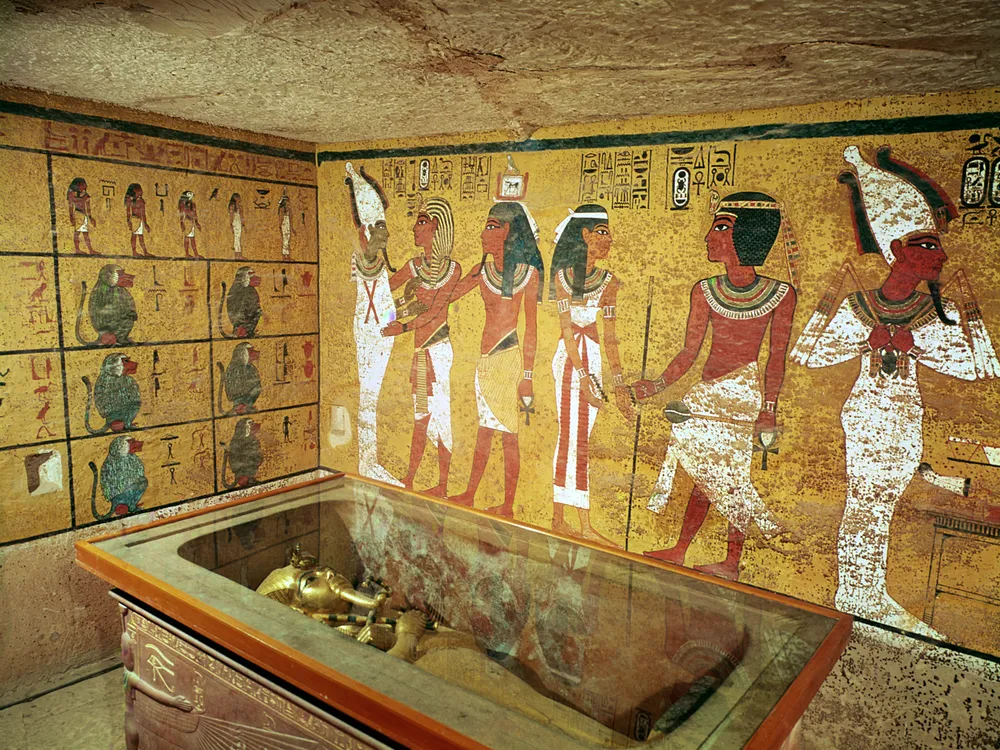
1. Who Was Pharaoh Merenptah?
Pharaoh Merenptah was the fourth ruler of Egypt's Nineteenth Dynasty and the successor to the legendary Ramesses II (Ramesses the Great). Although he is often overshadowed by his famous father, Merenptah proved himself to be a capable ruler who successfully defended Egypt during one of the most challenging periods of the New Kingdom. Born as one of Ramesses II's many sons—traditionally identified as the thirteenth son who eventually outlived his older brothers—Merenptah spent decades preparing for leadership while serving in important military, administrative, and religious roles. Because Ramesses II ruled for approximately sixty-six years, Merenptah was already an elderly man when he finally ascended the throne around 1213 BC. Despite his advanced age, he governed Egypt with determination, preserving the stability of the kingdom and continuing many of the traditions established during his father's long and prosperous reign. One of the defining achievements of Merenptah's reign was his successful defense of Egypt against foreign invasions. The kingdom faced serious threats from invading Libyan tribes and the mysterious Sea Peoples, groups that challenged Egyptian authority throughout the eastern Mediterranean. Merenptah organized military campaigns that decisively defeated these enemies, protecting Egypt's western frontier and preserving national security during a period of regional instability. His victories were celebrated on monumental inscriptions, including the famous Merenptah Stele, sometimes called the Israel Stele, which records his military successes in both Libya and Canaan. This monument is particularly significant because it contains the earliest known historical reference to "Israel," making it one of the most important inscriptions in both Egyptian and Near Eastern history. Beyond his military accomplishments, Merenptah continued supporting Egypt's great religious institutions and monumental building projects. He completed construction works initiated by Ramesses II, maintained temples dedicated to Amun, Ra, Ptah, and other major deities, and upheld the traditional concept of Ma'at, the divine order that the pharaoh was expected to preserve. Like his predecessors, he viewed his role as both political leader and sacred intermediary between humanity and the gods. This close relationship between kingship and religion is reflected throughout KV8, where elaborate funerary texts and divine imagery were carefully designed to guide the king safely through the underworld and ensure his eternal resurrection. Although Merenptah ruled for only about a decade, his reign represents one of the last periods during which Egypt maintained much of its imperial strength. His successful military leadership, religious devotion, and continued patronage of monumental architecture secured his place among the important rulers of the New Kingdom. Today, his legacy survives not only through the famous Merenptah Stele but also through the magnificent Tomb of KV8, which remains one of the Valley of the Kings' most historically significant royal monuments.
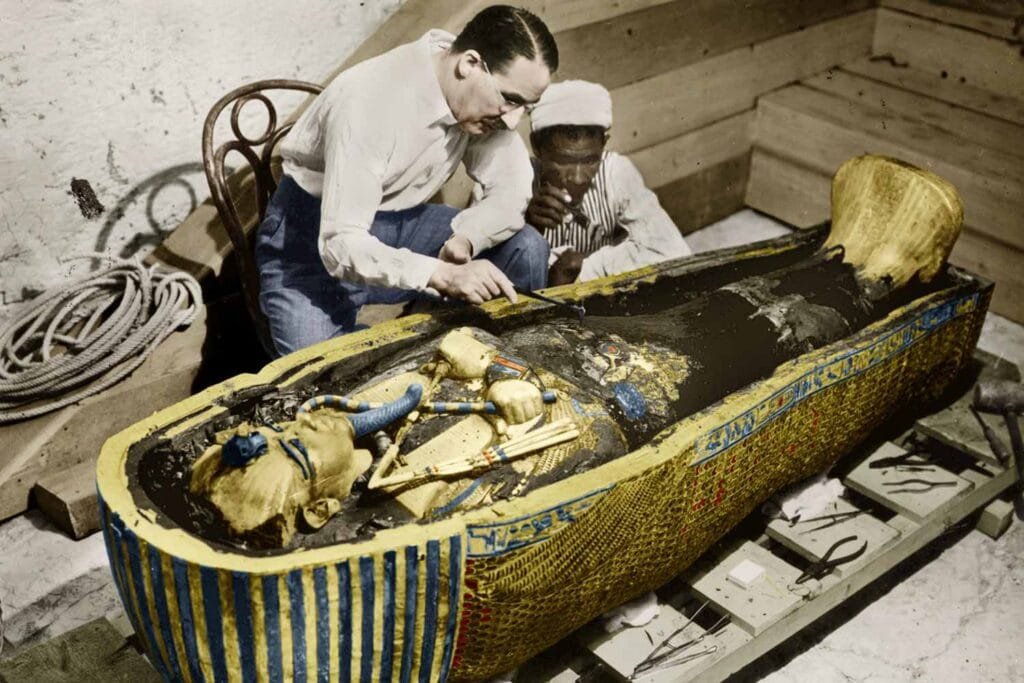
2. The Construction and History of KV8
The construction of KV8 began shortly after Merenptah became pharaoh, following the long-established traditions of royal tomb building in the Valley of the Kings. By the late Nineteenth Dynasty, the master craftsmen of Deir el-Medina had perfected the engineering techniques required to excavate elaborate royal tombs deep within the limestone cliffs west of Luxor. Drawing upon centuries of architectural experience, they created KV8 according to the classic Ramesside straight-axis design, with broad corridors leading progressively deeper into the mountain toward an impressive burial chamber. The monument was carefully planned to accommodate the king's mummy, massive stone sarcophagi, religious decorations, and an extensive collection of funerary equipment intended to support Merenptah throughout eternity. Unlike several later tombs that remained unfinished due to political instability, KV8 was successfully completed before the king's death. Every major chamber received elaborate carved reliefs and painted scenes illustrating sacred funerary texts central to New Kingdom religious belief. The burial chamber itself was constructed on a grand scale to accommodate one of the largest nested sarcophagus systems ever created for an Egyptian pharaoh. Archaeological evidence indicates that Merenptah's burial involved multiple stone coffins placed one inside another, demonstrating the enormous resources devoted to protecting the king's body. This remarkable engineering achievement reflected both the prestige of the pharaoh and the growing sophistication of royal funerary architecture during the reign of Ramesses II's successors. Unfortunately, KV8 experienced significant damage over the centuries. Repeated flash floods flowing through the Valley of the Kings carried large quantities of mud, gravel, and limestone debris into the tomb, filling many corridors and causing structural deterioration. Ancient tomb robbers also entered the monument, removing precious metals, jewelry, and valuable funerary objects despite the elaborate security measures originally designed to protect the burial. During the Twenty-first Dynasty, priests responsible for safeguarding Egypt's royal mummies likely removed Merenptah's remains from KV8 before transferring them to a secure royal cache to prevent further looting. His mummy was eventually discovered in the famous Royal Cache (TT320) at Deir el-Bahari, together with many of Egypt's greatest pharaohs. Modern archaeological exploration has transformed scholarly understanding of KV8. Excavations have revealed important architectural details, fragments of magnificent reliefs, pieces of the enormous granite sarcophagus, inscriptions, pottery, and other artifacts that illuminate the burial customs of the late Nineteenth Dynasty. Conservation work continues today, ensuring that one of Egypt's most historically significant royal tombs remains protected for future generations while allowing researchers to deepen their understanding of Merenptah's remarkable reign.
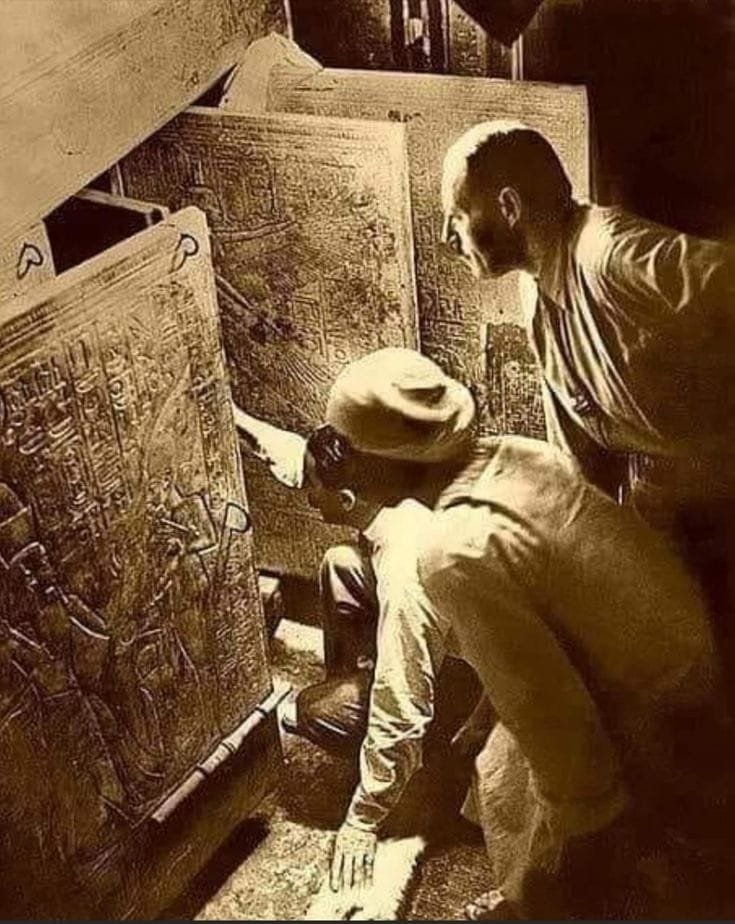
3. Architecture and Layout of the Tomb of Merenptah
The architecture of KV8 reflects the mature stage of royal tomb design during the Ramesside Period, combining monumental scale with carefully organized religious symbolism. Following the traditional straight-axis plan used throughout much of the Nineteenth Dynasty, the tomb extends through a sequence of descending corridors, gateways, halls, side chambers, and a magnificent burial chamber carved deep into the limestone mountain. Every architectural element was designed according to sacred principles intended to guide Pharaoh Merenptah safely through the underworld before his rebirth alongside Osiris and the sun god Ra. The balance between engineering precision and religious meaning makes KV8 one of the finest examples of New Kingdom funerary architecture. Visitors entering KV8 first descend a broad staircase leading into long corridors decorated with colorful religious scenes and hieroglyphic inscriptions. Several spacious halls interrupt the main axis, providing ceremonial spaces where priests could perform funerary rituals during the king's burial. Side chambers branch from the principal corridors and originally stored canopic jars, ritual equipment, furniture, food offerings, clothing, statues, and countless other objects required for eternal life. Massive doorways connected each section of the monument, symbolically representing the successive gates through which the king traveled during his journey across the underworld. Despite centuries of flood damage, much of the original architectural layout remains clearly visible today. The burial chamber forms the largest and most impressive space within KV8. Its dimensions were carefully calculated to accommodate Merenptah's enormous nested granite sarcophagus system, one of the largest ever constructed for an Egyptian ruler. Several concentric stone sarcophagi originally surrounded the king's mummy, providing multiple layers of magical and physical protection. The chamber's walls were richly decorated with sacred texts, while astronomical scenes adorned the ceiling, illustrating the heavens through which the king would journey each night before joining the eternal cycle of the rising sun. The combination of religious imagery and monumental architecture transformed the burial chamber into a sacred representation of the universe itself. One of KV8's greatest architectural achievements is the successful integration of engineering and theology. Every corridor, doorway, chamber, and decorative program contributed to the king's symbolic passage from the world of the living into eternal divine existence. Even after thousands of years of flooding, ancient robberies, and natural deterioration, the monument continues to demonstrate the extraordinary skills of the craftsmen from Deir el-Medina, whose work ranks among the greatest architectural accomplishments of ancient Egypt.
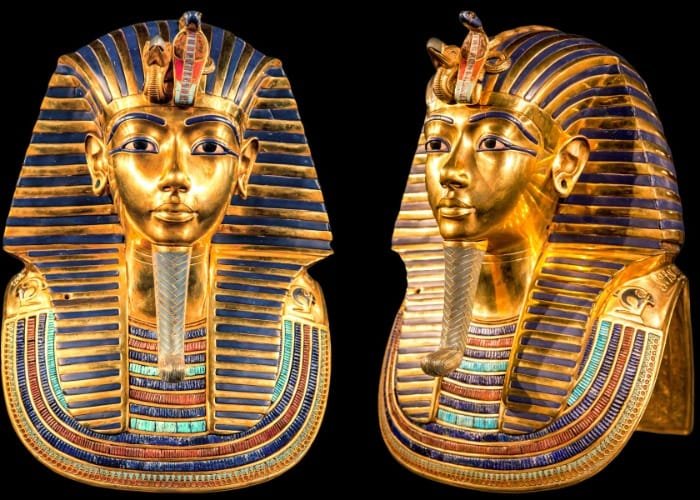
4. The Religious Decoration and Funerary Texts of KV8
The Tomb of KV8 is renowned for its magnificent religious decoration, which reflects the sophisticated funerary beliefs of the Nineteenth Dynasty during the reign of Pharaoh Merenptah. Every corridor, hall, and chamber was designed not merely as a burial place but as a sacred pathway leading the king through the dangers of the underworld toward eternal life. The walls were covered with beautifully carved reliefs and painted hieroglyphic inscriptions illustrating some of the most important funerary compositions in ancient Egyptian religion. These texts functioned as magical guides, providing divine knowledge, protective spells, and ritual instructions that would enable Merenptah to overcome the forces of chaos and be reborn each day alongside the sun god Ra. Even though centuries of flooding damaged portions of the decoration, many remarkable scenes remain visible, allowing modern visitors to appreciate the artistic and spiritual brilliance of the monument. Among the most significant religious compositions represented within KV8 are the Book of Gates, the Book of Caverns, the Litany of Ra, and portions of the Book of the Dead. Each of these sacred texts served a distinct purpose during the king's symbolic journey through the afterlife. The Book of Gates describes the twelve divisions of the underworld, each protected by powerful deities who granted passage only to those possessing sacred knowledge. The Book of Caverns portrays the mysterious regions beneath the earth where divine beings punish the enemies of cosmic order while protecting the righteous dead. The Litany of Ra celebrates the numerous manifestations of the sun god as he travels across the heavens and through the underworld, emphasizing the eternal cycle of death and rebirth. Together, these religious texts transformed KV8 into a complete spiritual guidebook for the king's resurrection. Throughout the tomb, Merenptah is shown standing before major Egyptian deities, including Osiris, Ra, Anubis, Isis, Nephthys, Horus, Thoth, Hathor, and Ptah. These gods and goddesses appear welcoming the king, presenting him with symbols of eternal life, or guiding him safely through different stages of the afterlife. The vivid mineral pigments used by the artists—including brilliant blues, deep reds, rich yellows, greens, and black outlines—remain surprisingly well preserved in many areas despite more than three thousand years of exposure to natural conditions. The quality of these paintings demonstrates that the craftsmen of Deir el-Medina continued producing masterpieces during the reign of Merenptah, maintaining artistic standards established during the era of Ramesses II. The decoration of KV8 also provides modern scholars with invaluable evidence concerning ancient Egyptian artistic techniques. Preliminary sketches, carefully carved relief outlines, plaster preparation layers, and surviving pigments reveal the systematic methods used by royal artisans when decorating monumental tombs. Modern imaging technologies continue uncovering previously invisible details beneath damaged surfaces, allowing Egyptologists to reconstruct missing scenes and better understand the theological concepts that shaped New Kingdom royal burials. As both an artistic masterpiece and a religious monument, KV8 remains one of the most important sources for studying ancient Egyptian funerary beliefs.
5. The Burial of Merenptah and the Giant Granite Sarcophagus
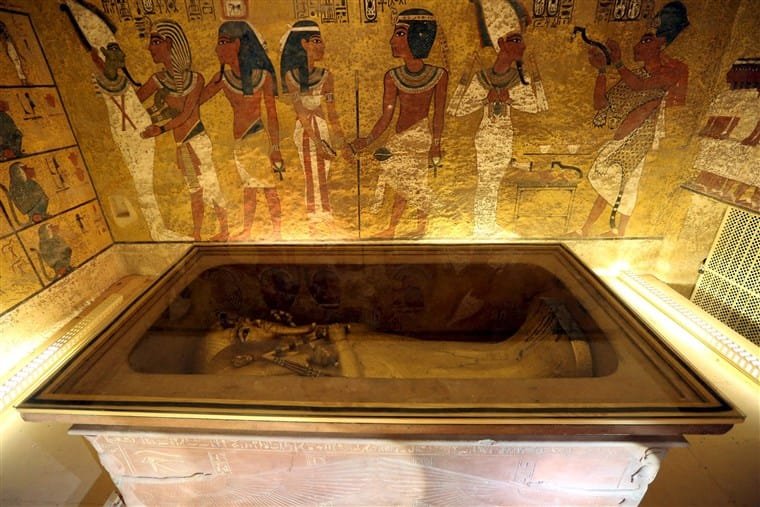
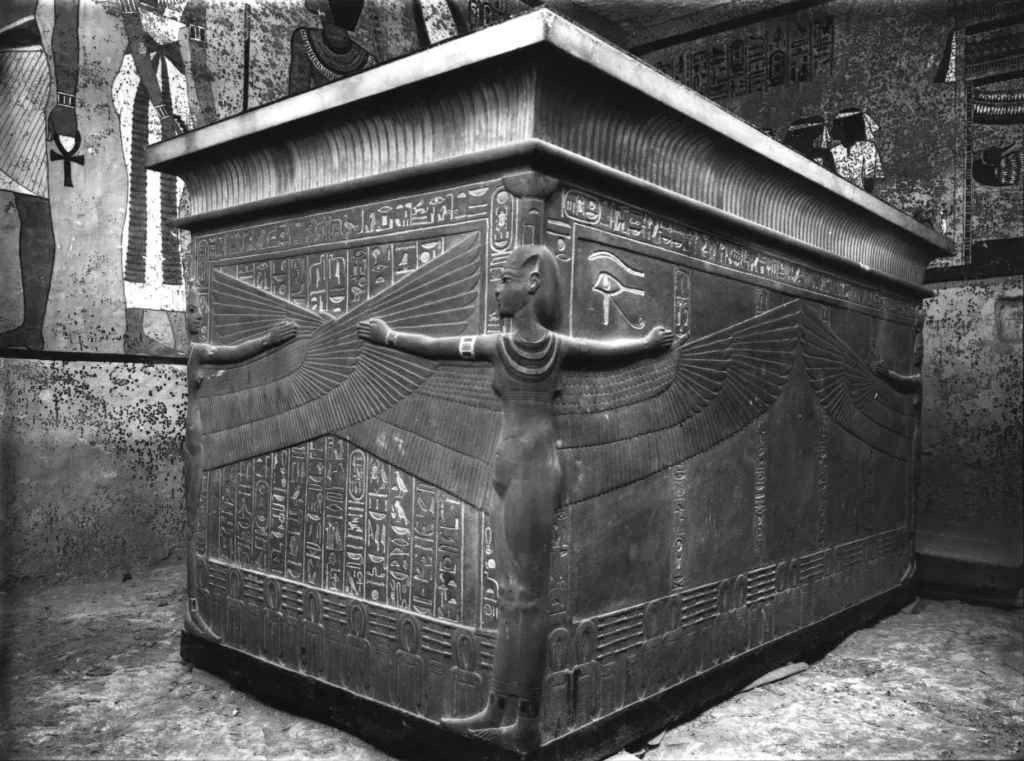
One of the most remarkable features of KV8 is the extraordinary burial equipment prepared for Pharaoh Merenptah, particularly his massive nested granite sarcophagus system. At the time of his death, the king received a royal funeral that followed centuries of carefully established New Kingdom traditions. After undergoing the elaborate seventy-day process of mummification, Merenptah's body was wrapped in fine linen, adorned with protective amulets and jewelry, and placed inside a series of richly decorated coffins. These coffins were then enclosed within several enormous stone sarcophagi positioned at the center of the burial chamber. The sheer scale of this construction reflects the immense wealth, engineering expertise, and religious devotion invested in protecting the king throughout eternity. The outermost granite sarcophagus discovered inside KV8 is among the largest ever created for an Egyptian pharaoh. Carved from enormous blocks of red granite, its surfaces were decorated with finely carved hieroglyphic inscriptions and protective religious imagery intended to shield the king from supernatural dangers. Archaeologists believe the burial originally consisted of multiple nested sarcophagi placed one inside another, each serving as an additional layer of magical and physical protection. Although many components were damaged during ancient robberies and later flooding, surviving fragments demonstrate the exceptional quality of craftsmanship achieved by the royal workshops during the late Nineteenth Dynasty. The engineering required to transport, carve, and install these massive stone monuments remains one of the greatest achievements of ancient Egyptian architecture. Unfortunately, like most royal burials in the Valley of the Kings, Merenptah's tomb did not remain untouched. Ancient tomb robbers eventually entered KV8, removing precious metals, jewelry, ceremonial weapons, furniture, and many other valuable funerary objects intended to accompany the king into the afterlife. Recognizing the growing threat posed by widespread robbery, the priests of the Twenty-first Dynasty undertook a systematic effort to rescue Egypt's royal mummies. Merenptah's remains were carefully removed from KV8 and transferred to the hidden Royal Cache (TT320) at Deir el-Bahari, where they rested alongside numerous other New Kingdom pharaohs. This remarkable preservation effort ensured the survival of the king's mummy despite the destruction of much of his original burial equipment. Today, fragments of Merenptah's giant granite sarcophagus remain among the most impressive features visible inside KV8. These colossal stone elements provide visitors with a vivid impression of the grandeur that once characterized the king's burial. Together with surviving architectural features and religious decoration, they illustrate the extraordinary care ancient Egyptians devoted to preparing their rulers for eternal life. The burial of Merenptah therefore remains one of the finest examples of royal funerary tradition preserved from the age of the Ramesside pharaohs.

6. Archaeological Discoveries and Scientific Research
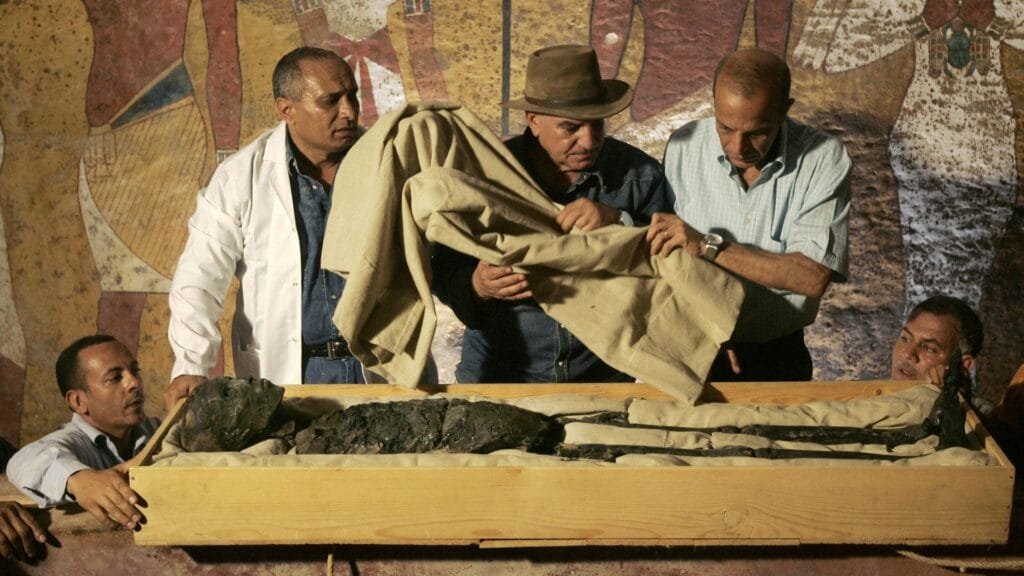
The Tomb of KV8 has played a major role in expanding modern understanding of the Nineteenth Dynasty, royal burial customs, and the evolution of funerary architecture in ancient Egypt. Although ancient tomb robbers removed many valuable treasures long before the arrival of modern archaeologists, the monument continues to yield an extraordinary range of archaeological evidence. Excavations have uncovered fragments of painted plaster, decorated limestone blocks, pieces of the king's massive granite sarcophagus, pottery vessels, ushabti figures, faience ornaments, stone tools, coffin fragments, and numerous hieroglyphic inscriptions. These discoveries provide valuable information about how royal burials were organized and how the craftsmen of Deir el-Medina executed one of the most ambitious funerary projects of the late New Kingdom. One of the most important archaeological discoveries associated with Merenptah is the recovery and scientific study of his royal mummy. After being relocated to the Royal Cache (TT320) during the Twenty-first Dynasty, the mummy remained hidden for centuries until its rediscovery in the nineteenth century. Modern examinations using X-rays, CT scanning, and forensic analysis have revealed details concerning the king's physical appearance, age, health, dental condition, and mummification techniques. These studies indicate that Merenptah died at an advanced age, consistent with historical records showing that he inherited the throne only after the exceptionally long reign of his father, Ramesses II. Such scientific investigations continue providing valuable insights into the lives of Egypt's royal rulers. Modern archaeological research at KV8 relies heavily on advanced technologies designed to document and preserve the monument without causing damage. Three-dimensional laser scanning, photogrammetry, multispectral photography, digital epigraphy, geological surveys, and pigment analysis enable researchers to record every architectural detail with extraordinary precision. These methods also help conservators monitor structural stability, identify areas requiring restoration, and reconstruct damaged decorative scenes. As technology continues advancing, scholars are able to recover increasingly detailed information about the construction techniques, religious symbolism, and artistic traditions preserved within KV8. Today, KV8 remains one of the Valley of the Kings' most valuable archaeological laboratories. Ongoing conservation, excavation, and scientific research continue revealing new aspects of Merenptah's reign while contributing to a broader understanding of ancient Egyptian civilization. Every inscription, architectural feature, and surviving artifact helps illuminate the remarkable achievements of one of the final great kings of the Nineteenth Dynasty, ensuring that KV8 remains central to the study of New Kingdom Egypt.

7. Conservation, Restoration, and the Preservation of KV8
The Tomb of KV8 has faced enormous preservation challenges throughout its long history, making conservation one of the most important aspects of modern archaeological work in the Valley of the Kings. Unlike some royal tombs that remained relatively protected, KV8 suffered repeated flash floods over thousands of years because of its location within the valley. Seasonal storms carried large quantities of water, mud, gravel, and limestone debris into the monument, filling corridors, damaging painted plaster, weakening structural elements, and burying important archaeological remains. These floods also contributed to the deterioration of the king's magnificent burial equipment, including parts of the enormous granite sarcophagus. Despite these challenges, extensive conservation programs have successfully stabilized much of the monument, allowing visitors and researchers to continue exploring one of Egypt's most historically significant royal tombs. One of the greatest conservation priorities involves protecting the surviving wall paintings and carved reliefs. As moisture passes through the limestone bedrock, dissolved mineral salts migrate toward the decorated surfaces. When the water evaporates, expanding salt crystals can cause plaster to detach from the walls, resulting in cracks, flaking paint, and the gradual loss of ancient pigments. Conservation specialists regularly inspect every decorated chamber using high-resolution photography, digital microscopy, and multispectral imaging to identify early signs of deterioration. Carefully controlled restoration techniques strengthen fragile plaster, secure loose paint layers, and remove harmful deposits while preserving the original work of the New Kingdom artists. Every treatment follows internationally recognized conservation standards that emphasize minimal intervention and long-term preservation. Modern technology has revolutionized the documentation and protection of KV8. Three-dimensional laser scanning, photogrammetry, digital mapping, environmental monitoring, and geological surveys provide researchers with highly accurate records of every corridor, chamber, and decorative surface. These digital archives allow specialists to monitor structural changes over time while reducing unnecessary physical contact with the monument. Engineers also evaluate the stability of ceilings, walls, and supporting rock formations to prevent future collapses. By combining scientific research with preventive conservation, archaeologists can preserve KV8's unique architectural and artistic heritage while continuing to investigate its historical significance. Tourism management also plays a vital role in the preservation of KV8. Thousands of visitors enter the Valley of the Kings each year, and human presence increases humidity, carbon dioxide, dust, and temperature fluctuations inside ancient monuments. Visitor pathways, improved lighting systems, protective barriers, and regular maintenance help minimize these impacts while ensuring a safe and enjoyable experience. Thanks to these ongoing conservation efforts, KV8 remains one of the best-preserved royal tombs from the late Nineteenth Dynasty and continues inspiring visitors from around the world.
8. Visiting KV8 Today – What Visitors Should Expect
The Tomb of KV8 is one of the most rewarding sites to explore in the Valley of the Kings, offering visitors a fascinating combination of royal history, monumental architecture, and ancient religious symbolism. Although it may not receive as much public attention as KV62 (Tutankhamun) or KV17 (Seti I), KV8 provides one of the most authentic experiences of a Ramesside royal tomb. Visitors entering the monument can admire its broad corridors, spacious halls, beautifully carved reliefs, and the remains of one of the largest granite sarcophagi ever built for an Egyptian pharaoh. For travelers seeking a deeper understanding of New Kingdom history beyond Egypt's most famous kings, KV8 is an essential destination. The journey through KV8 begins with a wide entrance staircase descending into a sequence of carefully aligned corridors decorated with hieroglyphic inscriptions and religious scenes. Along the route, visitors encounter magnificent representations of Merenptah standing before gods such as Osiris, Ra, Anubis, Horus, Isis, and Nephthys. Although portions of the decoration were damaged by ancient flooding, many reliefs remain remarkably detailed, allowing visitors to appreciate the skill of the craftsmen from Deir el-Medina. Egyptologist guides often explain the meaning of the funerary texts, helping travelers understand how every chamber symbolized another stage in the king's journey toward eternal life. One of the highlights of visiting KV8 is the impressive burial chamber, where enormous fragments of the king's nested granite sarcophagus remain in their original location. These colossal stone elements provide a vivid impression of the grandeur that once characterized Merenptah's royal burial. Visitors also gain insight into the engineering abilities required to transport and assemble such massive monuments deep within the mountain. Combined with the surrounding religious decoration and astronomical ceiling scenes, the burial chamber creates one of the Valley of the Kings' most memorable archaeological experiences. For anyone interested in ancient Egyptian history, archaeology, architecture, or religion, KV8 offers exceptional educational value. Its historical association with the son of Ramesses II, its connection to the famous Merenptah Stele, and its outstanding funerary architecture make it one of the most important royal tombs in Luxor. When combined with visits to neighboring monuments such as KV7, KV11, KV17, and KV62, KV8 helps visitors develop a comprehensive understanding of royal burial traditions during the height of Egypt's imperial civilization.
9. Fascinating Facts About KV8 – The Tomb of Merenptah
The Tomb of KV8 contains numerous remarkable features that distinguish it from every other royal monument in the Valley of the Kings. One of its most impressive characteristics is the enormous nested granite sarcophagus system prepared for Pharaoh Merenptah. Few royal burials in ancient Egypt employed stone sarcophagi of such extraordinary size and complexity. Archaeologists discovered massive granite fragments still occupying the burial chamber, providing valuable evidence for one of the largest funerary installations ever created during the New Kingdom. The engineering required to transport these colossal stone blocks into the tomb remains one of the greatest achievements of ancient Egyptian architecture. Another fascinating aspect of KV8 is its connection with one of history's most important inscriptions—the Merenptah Stele. Although the monument itself is housed elsewhere, it commemorates the military victories achieved by the king buried inside KV8. The inscription includes the earliest widely accepted historical reference to "Israel," making it one of the most significant documents from the ancient Near East. This association gives KV8 importance not only for Egyptology but also for biblical history, archaeology, and the study of Bronze Age civilizations throughout the eastern Mediterranean. KV8 also illustrates how ancient Egyptian priests worked to preserve the nation's royal heritage during periods of political instability. After widespread tomb robberies threatened the royal burials, priests of the Twenty-first Dynasty removed Merenptah's mummy from KV8 and transferred it to the hidden Royal Cache (TT320) at Deir el-Bahari. This remarkable rescue operation protected the king's remains for more than three thousand years and ultimately allowed modern scientists to study his mummy using advanced medical imaging and forensic techniques. The survival of Merenptah's mummy represents one of the greatest successes of ancient Egyptian conservation efforts. Perhaps the most fascinating fact about KV8 is that it symbolizes the transition between two great generations of Egyptian history. Built for the son of Ramesses the Great, the tomb reflects the final flowering of Nineteenth Dynasty royal power while foreshadowing the political and military challenges that would shape the later New Kingdom. Its monumental architecture, religious decoration, archaeological importance, and continuing scientific research ensure that KV8 remains one of the Valley of the Kings' most rewarding monuments for historians, archaeologists, and visitors alike.

10. KV8 Compared with Other Tombs in the Valley of the Kings
The Tomb of KV8 occupies a distinguished position among the royal monuments of the Valley of the Kings because it successfully combines monumental architecture, extensive religious decoration, and exceptional historical importance. Built for Pharaoh Merenptah, the son and successor of Ramesses II, KV8 reflects the maturity of Nineteenth Dynasty tomb design at a time when Egyptian engineering and funerary traditions had reached an extraordinary level of sophistication. Although it does not possess the intact treasures of KV62 (Tutankhamun) or the breathtaking decorative richness of KV17 (Seti I), KV8 remains one of the valley's finest examples of Ramesside royal architecture. Its broad corridors, massive burial chamber, giant granite sarcophagus, and beautifully carved religious texts provide visitors with a remarkable insight into the beliefs and artistic achievements of the late New Kingdom. When compared with KV7, the tomb of Ramesses II, the similarities between father and son become immediately apparent. Both monuments follow the classic Ramesside straight-axis plan, featuring long descending corridors, spacious halls, richly decorated walls, and monumental burial chambers carved deep into the limestone cliffs. However, KV8 introduced several architectural refinements, including a burial chamber specifically designed to accommodate one of the largest nested granite sarcophagus systems ever constructed for an Egyptian pharaoh. Although KV7 suffered greater structural damage due to repeated flooding, KV8 preserves a clearer understanding of how late Nineteenth Dynasty royal tombs originally appeared. Together, the two monuments illustrate the continuity of royal burial traditions passed from one generation of pharaohs to the next. A comparison between KV8 and KV62 (Tutankhamun) highlights two very different archaeological stories. Tutankhamun's tomb became internationally famous because it remained largely intact, preserving thousands of priceless treasures including the king's golden mask, jewelry, chariots, and ceremonial furniture. KV8, by contrast, was robbed during antiquity and later damaged by floods, leaving relatively few original burial objects. Nevertheless, KV8 far surpasses KV62 in architectural scale and religious decoration. Its extensive funerary texts, enormous burial chamber, and sophisticated symbolic program provide Egyptologists with one of the most complete examples of New Kingdom royal funerary theology. While KV62 reveals the wealth of an individual king, KV8 demonstrates the full architectural and religious complexity of a mature Ramesside royal tomb. For travelers exploring the Valley of the Kings, KV8 offers an experience that perfectly complements visits to neighboring monuments such as KV7 (Ramesses II), KV17 (Seti I), KV11 (Ramesses III), and KV62 (Tutankhamun). Each tomb tells a different chapter of Egypt's royal history, but KV8 stands apart because of its close connection to Ramesses the Great, its remarkable granite sarcophagus, and its beautifully preserved architectural design. It remains one of the most informative monuments for understanding how royal burial traditions evolved during the final decades of Egypt's imperial Golden Age.
11. Conclusion – Why KV8 Is One of the Valley of the Kings' Greatest Royal Tombs
The Tomb of KV8 stands among the most historically significant monuments in the Valley of the Kings, preserving the legacy of Pharaoh Merenptah, one of the final great rulers of Egypt's Nineteenth Dynasty. As the burial place of the son and successor of Ramesses II, the monument bridges two of the most important generations in New Kingdom history. Its monumental architecture, richly decorated corridors, impressive burial chamber, and extraordinary granite sarcophagus demonstrate the remarkable engineering skill and religious devotion that characterized ancient Egyptian royal tomb construction. Even after thousands of years of flooding, natural erosion, and ancient robbery, KV8 continues to reveal the grandeur of one of the world's greatest civilizations. For archaeologists, KV8 remains an invaluable source of historical and scientific information. Its surviving funerary texts, architectural innovations, inscriptions, reliefs, and burial equipment provide detailed evidence concerning royal funerary customs, New Kingdom theology, and the artistic traditions maintained by the craftsmen of Deir el-Medina. Modern conservation projects, digital documentation, laser scanning, and scientific analysis continue expanding scholarly knowledge of the monument while preserving its fragile decoration for future generations. Every new study contributes to a deeper understanding of Merenptah's reign and the broader history of ancient Egypt during a period of significant political and military change. For visitors, KV8 offers one of the most rewarding experiences in Luxor. Walking through its broad corridors, examining the remains of the giant granite sarcophagus, and admiring scenes depicting the king's journey through the underworld creates a powerful connection with the ancient world. Unlike monuments famous primarily for their treasures, KV8 allows travelers to appreciate the architectural planning, religious symbolism, and engineering achievements that defined the greatest royal tombs of the New Kingdom. Its atmosphere, historical importance, and remarkable preservation make it a favorite destination for anyone interested in archaeology or ancient Egyptian civilization. Whether you are planning a visit to the Valley of the Kings, researching the history of Pharaoh Merenptah, or exploring the evolution of royal funerary architecture, KV8 deserves recognition as one of Egypt's greatest archaeological treasures. Its unique combination of historical significance, monumental design, artistic excellence, and ongoing archaeological research ensures that it will remain one of the most fascinating royal tombs in the world for generations to come.
12. Frequently Asked Questions About KV8 – The Tomb of Merenptah
The Tomb of KV8 is one of the most fascinating royal monuments in the Valley of the Kings, and visitors frequently ask why it is considered so important. The answer lies in both its historical significance and its remarkable architecture. KV8 was built for Pharaoh Merenptah, the son and successor of Ramesses II, making it one of the most important tombs of the Nineteenth Dynasty. The monument preserves beautifully carved religious scenes, a massive burial chamber, and the remains of one of the largest nested granite sarcophagus systems ever created for an Egyptian ruler. Together, these features provide exceptional insight into royal burial traditions during the height of the New Kingdom. Another common question concerns whether Merenptah's mummy was discovered inside the tomb. Although the king was originally buried in KV8, ancient tomb robbers entered the monument centuries later and removed many valuable funerary objects. To protect the royal remains from further desecration, priests of the Twenty-first Dynasty transferred Merenptah's mummy to the hidden Royal Cache (TT320) at Deir el-Bahari, where it rested alongside numerous New Kingdom pharaohs. Modern examinations using CT scanning and forensic analysis have revealed valuable information about the king's age, health, and mummification, helping historians better understand the life of one of Egypt's final great warrior kings. Visitors also ask what religious texts appear within KV8. The tomb contains scenes from several of ancient Egypt's most sacred funerary compositions, including the Book of Gates, the Book of Caverns, the Litany of Ra, and portions of the Book of the Dead. These texts guided the king through the twelve hours of the underworld, protected him from supernatural dangers, and ensured his rebirth alongside Osiris and the sun god Ra. The surviving reliefs and hieroglyphic inscriptions remain among the finest examples of Ramesside religious art preserved anywhere in Egypt. Today, KV8 continues attracting historians, archaeologists, photographers, and travelers from around the world. Its connection to Ramesses II, the famous Merenptah Stele, its monumental granite sarcophagus, and its impressive architectural design make it one of the essential monuments to visit in Luxor. More than three thousand years after its construction, KV8 remains a lasting symbol of ancient Egypt's extraordinary achievements in engineering, religion, art, and royal burial traditions.
