


- Egypt Tour Magic
- Egypt Tour Packages
- Excursions in Egypt
- Cairo Tours and Excursions
- Hurghada Tours and Excursions
- Soma Bay Tours and Excursions
- Makadi Bay Tours and Excursions
- Sahl Hasheesh Tours and Excursions
- El Gouna Tours and Excursions
- Marsa Alam Tours and Excursions
- Port Ghalib Tours and Excursions
- El Quseir Tours and Excursions
- Dendera and Abydos Day Tours
- Aswan Tours and Excursions
- Luxor Tours and Excursions
- Alexandria Egypt Tours and Excursions
- Sharm El Sheikh Tours and Excursions
- Top Rated Egypt Tours in 2026
- Optional Excursions in Egypt
- Private Transfer
- Blogs About egypt
- Ancient Egypt
- Why Egypt Is One of the Safest Countries to Visit in the Middle East
- What You Need To know Before Your First Trip To Egypt
- Egypt Travel Costs in 2026 Full Budget Guide
- Top 10 Tourist Activities in Egypt
- Top 50 Activities You Can’t Miss in Egypt in 2026
- The Guide to Guided Tours in Egypt
- Egypt’s Ancient and Modern History
- The Nile River
- The Deserts of Egypt
- Historical Sites in Egypt
- Cairo
- Alexandria
- Luxor
- Aswan
- The Red Sea
- Dendera Temple
- El Fayoum Oasis
- Bahariya Oasis
- Siwa Oasis
- Al Alamein
- Marsa Matruh
- Ancient Egyptian gods
- famous Egyptian dishes
- UNESCO World Heritage sites
- About Us
- Why Egypt Tour Magic
- Egypt Tour Magic
- Egypt Tour Packages
- Excursions in Egypt
- Cairo Tours and Excursions
- Hurghada Tours and Excursions
- Soma Bay Tours and Excursions
- Makadi Bay Tours and Excursions
- Sahl Hasheesh Tours and Excursions
- El Gouna Tours and Excursions
- Marsa Alam Tours and Excursions
- Port Ghalib Tours and Excursions
- El Quseir Tours and Excursions
- Dendera and Abydos Day Tours
- Aswan Tours and Excursions
- Luxor Tours and Excursions
- Alexandria Egypt Tours and Excursions
- Sharm El Sheikh Tours and Excursions
- Top Rated Egypt Tours in 2026
- Optional Excursions in Egypt
- Private Transfer
- Blogs About egypt
- Ancient Egypt
- Why Egypt Is One of the Safest Countries to Visit in the Middle East
- What You Need To know Before Your First Trip To Egypt
- Egypt Travel Costs in 2026 Full Budget Guide
- Top 10 Tourist Activities in Egypt
- Top 50 Activities You Can’t Miss in Egypt in 2026
- The Guide to Guided Tours in Egypt
- Egypt’s Ancient and Modern History
- The Nile River
- The Deserts of Egypt
- Historical Sites in Egypt
- Cairo
- Alexandria
- Luxor
- Aswan
- The Red Sea
- Dendera Temple
- El Fayoum Oasis
- Bahariya Oasis
- Siwa Oasis
- Al Alamein
- Marsa Matruh
- Ancient Egyptian gods
- famous Egyptian dishes
- UNESCO World Heritage sites
- About Us
- Why Egypt Tour Magic
Welcome to
Tomb of KV2 – Ramesses IV: Complete Guide to the Magnificent Royal Tomb in the Valley of the Kings
The Tomb of KV2, built for Pharaoh Ramesses IV, is one of the largest, most accessible, and best-preserved royal tombs in the Valley of the Kings on the west bank of Luxor, Egypt. Renowned for its magnificent corridors, vibrant wall paintings, beautifully carved hieroglyphics, and impressive astronomical ceiling, KV2 offers visitors an extraordinary opportunity to explore one of the finest examples of New Kingdom royal funerary architecture. Unlike many tombs that remained hidden for centuries, KV2 has been known since antiquity and has fascinated travelers, historians, archaeologists, and Egyptologists for thousands of years. Today, it remains one of the highlights of any visit to the Valley of the Kings, attracting travelers eager to discover the legacy of one of Egypt’s greatest Ramesside rulers.
Constructed during the reign of Ramesses IV (circa 1155–1149 BC), the third king of Egypt’s 20th Dynasty, KV2 reflects a period when the country was still capable of producing monumental works of architecture despite growing political and economic challenges. Ramesses IV sought to restore the prestige of the Egyptian monarchy after the turbulent final years of his father, Ramesses III, and he invested heavily in temples, mining expeditions, construction projects, and his own elaborate royal tomb. The result is a magnificent underground monument decorated with sacred funerary texts, including the Book of Gates, the Book of Caverns, the Litany of Ra, the Book of the Dead, and celestial scenes that illustrate the king’s journey through the underworld toward eternal life.
Unlike some royal tombs that require long walks through narrow passageways, KV2 offers a spacious and well-planned layout that allows visitors to admire its remarkable artwork from beginning to end. Every corridor and chamber reveals vivid depictions of Egyptian gods, sacred rituals, protective spells, and religious symbolism that illuminate the beliefs surrounding death and resurrection in ancient Egypt. This comprehensive guide explores everything you need to know about the Tomb of Ramesses IV, including the life of the pharaoh, the construction of KV2, its architecture, decorations, religious texts, archaeological discoveries, preservation efforts, visitor experience, fascinating facts, and its significance within the Valley of the Kings.
1. Who Was Pharaoh Ramesses IV?
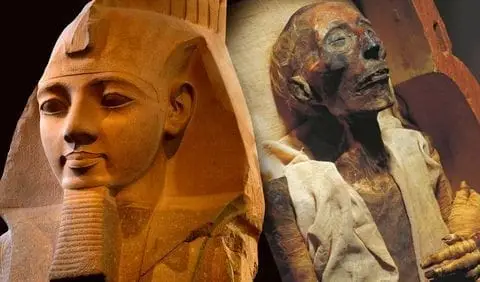
Ramesses IV was the third ruler of Egypt's Twentieth Dynasty and succeeded his father, the famous Ramesses III, around 1155 BC. He ruled for approximately six years during a period when Egypt remained one of the most influential civilizations in the ancient world, although signs of political instability and economic pressure had begun to emerge. Unlike many later Ramesside kings who struggled to maintain royal authority, Ramesses IV embarked upon an ambitious program of construction, religious patronage, and resource development aimed at restoring Egypt's prosperity and reaffirming the power of the monarchy. His reign is particularly noted for large-scale quarrying and mining expeditions to the Sinai Peninsula and the Eastern Desert, where valuable stone and minerals were extracted for monumental building projects. One of Ramesses IV's primary objectives was to continue the architectural legacy established by his predecessors. Historical records indicate that he expanded temples dedicated to Amun, Ra, Ptah, and other major deities while commissioning statues, obelisks, and public monuments throughout Egypt. He also greatly increased the workforce at Deir el-Medina, the famous village of royal tomb builders, ensuring that his own burial monument would be completed to the highest possible standard. Ancient administrative papyri reveal that thousands of workers participated in expeditions and construction projects during his reign, reflecting the considerable organizational capabilities of the Egyptian state even during this transitional period. Religion remained central to Ramesses IV's kingship. Like every pharaoh before him, he was regarded as the earthly representative of the gods, responsible for maintaining Ma'at, the divine order that governed both the natural and spiritual worlds. His tomb was therefore designed not merely as a burial place but as an elaborate spiritual machine that would guarantee his successful transformation into an eternal divine being. The extensive religious texts decorating KV2 emphasize this sacred journey, illustrating how the king would accompany the sun god Ra through the underworld before being reborn each morning. Although Ramesses IV's reign was relatively short, his achievements left a lasting impact on Egyptian history. His ambitious building projects, careful administration, and magnificent tomb demonstrate that the Twentieth Dynasty still possessed remarkable artistic and engineering capabilities. Today, KV2 stands as one of the finest surviving monuments associated with his reign, offering invaluable insights into the political ambitions, religious beliefs, and artistic excellence of late New Kingdom Egypt.
2. The Construction and Historical Background of KV2
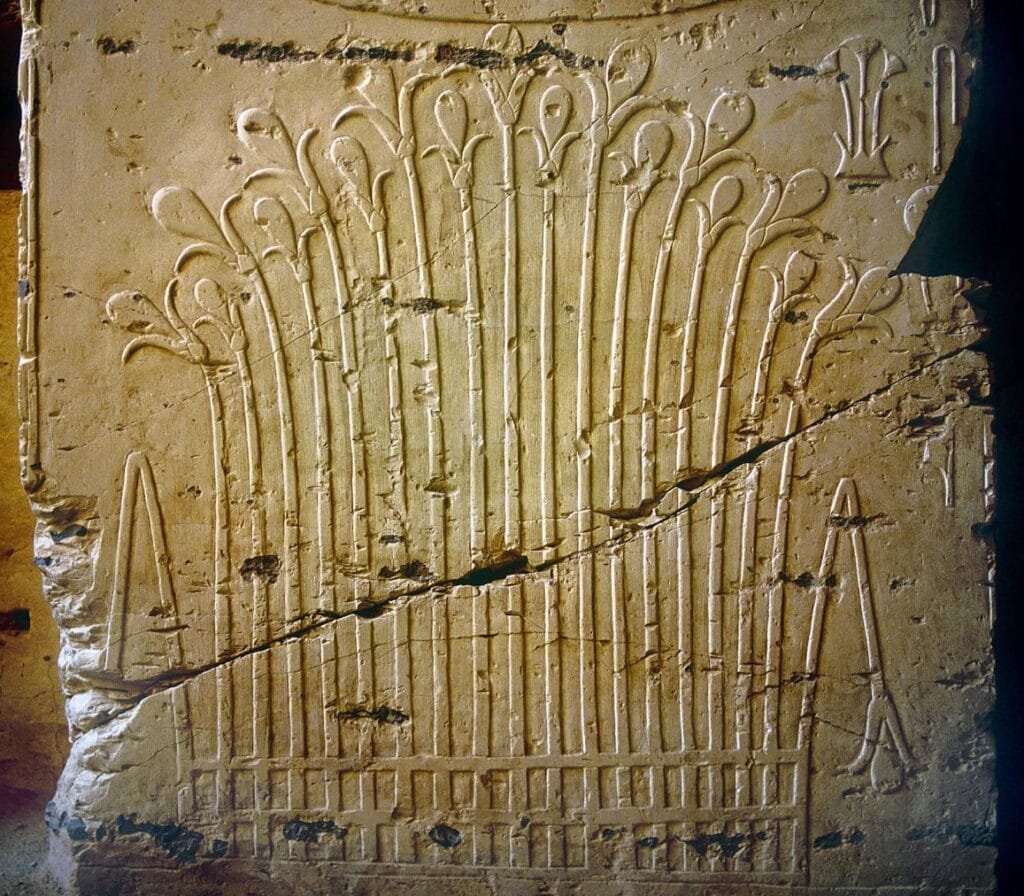
The Tomb of Ramesses IV was constructed within the sacred cliffs of the Valley of the Kings, the royal necropolis that had served as the burial ground of New Kingdom pharaohs for nearly five centuries. By the time Ramesses IV ascended the throne, the Valley already contained some of Egypt's greatest royal tombs, including those of Seti I, Ramesses II, and Ramesses III. Rather than creating an entirely new architectural concept, the builders of KV2 refined the established Ramesside design while producing one of the most harmonious and well-proportioned tombs in the valley. The result was a monument that balanced impressive scale with practical construction, allowing decoration to be completed within the king's relatively brief reign. The highly skilled artisans of Deir el-Medina were responsible for excavating and decorating KV2. These craftsmen represented one of the most specialized workforces in the ancient world, possessing expertise in stone cutting, relief carving, painting, architecture, mathematics, and religious iconography. Under royal supervision, they carefully carved the tomb into the limestone cliffs before smoothing the walls with plaster to create ideal surfaces for colorful paintings and hieroglyphic inscriptions. Their remarkable attention to detail remains evident today in the precision of every carved line and painted figure. Unlike some earlier royal tombs that underwent major alterations during construction, KV2 appears to have followed a carefully planned design from the beginning. The tomb consists of a straight descending axis leading through broad corridors into pillared chambers before reaching the magnificent burial chamber. This arrangement reflected both practical engineering considerations and profound religious symbolism. The gradual descent represented the king's passage into the underworld, while each successive chamber symbolized a new stage of his spiritual transformation. Architectural simplicity was combined with decorative richness, ensuring that every available surface contributed to the religious purpose of the monument. The construction of KV2 also illustrates the continuing strength of Egypt's administrative system during the early Twentieth Dynasty. Large quantities of limestone were removed with remarkable efficiency, while pigments derived from natural minerals created vivid colors that remain visible after more than three thousand years. Every stage of the project—from excavation to decoration—demonstrates the extraordinary organizational skills of ancient Egyptian engineers and craftsmen. Today, KV2 remains one of the clearest examples of mature Ramesside tomb architecture and an enduring testament to the engineering brilliance of New Kingdom Egypt.
3. Architecture and Layout of the Tomb of Ramesses IV
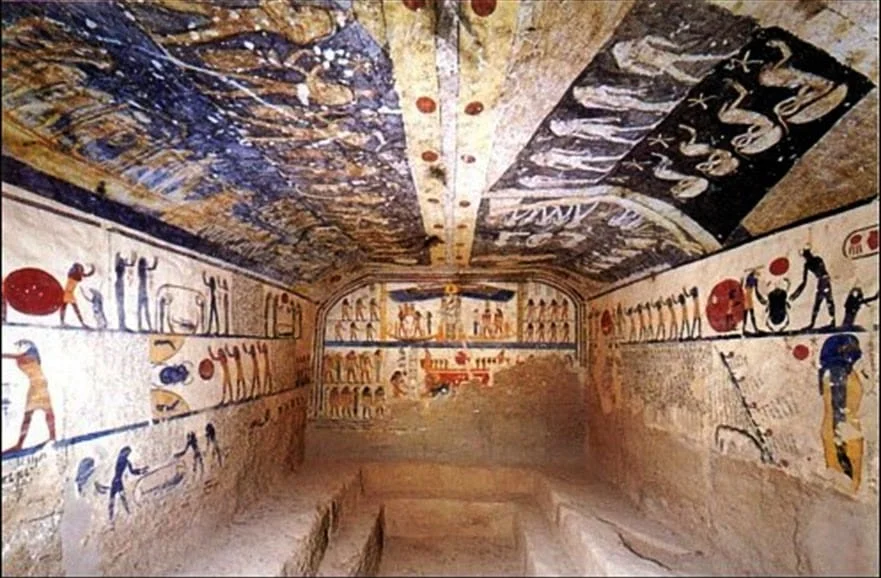
The architectural design of KV2 represents one of the finest examples of late New Kingdom royal tomb planning. Although not as long as the enormous Tomb of Seti I (KV17), KV2 impresses visitors through its spacious corridors, harmonious proportions, and remarkably well-preserved decorative scheme. The tomb follows the classic straight-axis layout favored during the Ramesside Period, guiding visitors through a sequence of descending corridors, halls, and chambers toward the sacred burial room. This carefully planned progression symbolized the pharaoh's spiritual descent into the underworld before his ultimate rebirth as an eternal companion of the sun god Ra. Visitors first enter through a broad staircase leading into long corridors decorated with colorful religious scenes and hieroglyphic inscriptions. Unlike the narrow passages found in some earlier tombs, the corridors of KV2 are relatively spacious, allowing natural movement while emphasizing the grandeur of the royal burial. Along the route, side chambers were constructed to store funerary equipment, ritual objects, food offerings, and symbolic items intended to accompany the king into eternity. Every architectural element served both practical and spiritual functions, reinforcing the belief that the tomb was a complete eternal residence rather than merely a place of burial. The highlight of KV2 is undoubtedly its magnificent burial chamber, supported by massive pillars and crowned by an extraordinary astronomical ceiling. This chamber originally housed the king's massive stone sarcophagus and formed the spiritual center of the monument. The ceiling depicts celestial imagery representing the heavens through which Ramesses IV would travel after his resurrection. Surrounding walls are covered with elaborate scenes from the Book of Gates, Book of Caverns, Litany of Ra, and other sacred compositions that describe the king's successful journey through the afterlife. These decorations transformed the burial chamber into a symbolic representation of the cosmos itself. From an architectural perspective, KV2 demonstrates the maturity of Ramesside engineering. The corridors are aligned with remarkable precision, the ceilings are proportioned to create a sense of grandeur, and the decorative program integrates seamlessly with the monument's overall design. Despite being over three thousand years old, the tomb remains structurally impressive, allowing modern visitors to appreciate the extraordinary achievements of ancient Egyptian architects and craftsmen. Its combination of elegant planning, artistic excellence, and profound religious symbolism makes KV2 one of the most impressive royal tombs in the Valley of the Kings
4. The Sacred Religious Texts and Hieroglyphic Inscriptions of KV2
One of the greatest treasures of the Tomb of Ramesses IV (KV2) is its extraordinary collection of religious texts and beautifully carved hieroglyphic inscriptions. These sacred writings were not created simply to decorate the walls of the tomb. According to ancient Egyptian belief, every inscription possessed magical power capable of protecting the king, guiding him through the dangerous underworld, and ensuring his successful resurrection. The corridors, halls, and burial chamber of KV2 are covered with elaborate funerary literature that reflects the sophisticated religious beliefs of the New Kingdom. Together, these texts transformed the tomb into a sacred guidebook for eternity, illustrating each stage of the pharaoh's journey from earthly death to divine immortality. Among the most important compositions represented within KV2 is the Book of Gates, one of the principal royal funerary texts of the Ramesside Period. This remarkable work describes the sun god Ra's nightly voyage through the twelve regions of the underworld. Each hour of the night is represented by a gate guarded by powerful deities, serpents, and supernatural beings. To continue his journey, the deceased king had to identify these guardians correctly and receive their approval. By accompanying Ra throughout this nightly voyage, Ramesses IV symbolically overcame death itself and emerged victorious with the sunrise, representing eternal rebirth. The scenes are accompanied by lengthy hieroglyphic inscriptions that identify each deity and explain the rituals necessary for safe passage through the afterlife. The tomb also contains scenes from the Litany of Ra, a deeply theological composition praising the sun god in his many divine manifestations. This text emphasizes the close relationship between the king and Ra, presenting Ramesses IV as the earthly ruler destined to become one with the eternal solar cycle. Additional inscriptions draw from the Book of Caverns, the Book of the Dead, and other funerary traditions that describe the hidden regions of the underworld, the judgment of souls, and the triumph of divine order over chaos. These compositions illustrate the remarkable complexity of Egyptian religious thought and demonstrate the central role that sacred knowledge played in guaranteeing eternal life. The hieroglyphic inscriptions themselves represent masterpieces of ancient calligraphy. Carefully carved and painted in orderly vertical columns, they combine artistic elegance with religious precision. Ancient Egyptians believed that written language possessed creative power, meaning the inscriptions actively participated in the king's resurrection rather than merely describing it. Today, these texts provide Egyptologists with invaluable information about New Kingdom theology, royal ideology, and funerary customs. Their exceptional preservation makes KV2 one of the finest places in the Valley of the Kings to study the spiritual literature of ancient Egypt in its original architectural setting.
5. The Spectacular Wall Paintings and Artistic Masterpieces
The decorative program of KV2 ranks among the most impressive artistic achievements of Egypt's Twentieth Dynasty. From the moment visitors descend into the first corridor, they are surrounded by brilliantly executed paintings depicting gods, pharaohs, celestial beings, sacred rituals, and elaborate religious ceremonies. Every surface of the tomb was transformed into a magnificent work of art designed to guide and protect Ramesses IV throughout eternity. The craftsmen of Deir el-Medina demonstrated extraordinary technical ability, combining precise drawing, harmonious composition, vivid coloration, and detailed hieroglyphic inscriptions into one of the Valley of the Kings' most visually stunning monuments. Perhaps the most striking feature of KV2 is the exceptional preservation of its colors. Rich shades of deep blue, bright yellow, vivid red, green, white, and black continue to illuminate the walls despite more than three thousand years of history. These pigments were created from carefully selected natural minerals, including azurite, red ochre, yellow ochre, malachite, carbon black, and gypsum. Ancient Egyptian artists understood not only how to produce durable colors but also how to apply them in ways that maximized both visual beauty and symbolic meaning. Blue represented the heavens and the primeval waters of creation, gold and yellow symbolized divine eternity, green signified rebirth and regeneration, while red expressed both royal power and protective energy. Throughout the corridors and burial chamber, Ramesses IV is shown interacting with numerous Egyptian deities, including Ra, Osiris, Anubis, Horus, Isis, Nephthys, Thoth, Ma'at, and many others. These scenes portray the king receiving blessings, purification, protection, and eternal life from the gods. The artistic compositions are carefully balanced and organized into horizontal registers that create a continuous visual narrative. Every figure follows strict artistic conventions developed over centuries, yet the quality of execution gives each deity remarkable individuality and presence. The accompanying hieroglyphs identify the divine figures while reciting sacred prayers that strengthened the magical effectiveness of the artwork. The astronomical ceiling of the burial chamber represents one of the artistic highlights of KV2. Celestial figures, stars, sacred boats, and cosmic symbols illustrate the heavens through which the king would travel after death. These paintings reflect the ancient Egyptian belief that the universe operated according to divine order, with the pharaoh destined to join this eternal cosmic cycle. Together, the wall paintings and ceiling decorations transform KV2 into an extraordinary visual expression of Egyptian religion, making it one of the finest examples of royal tomb art in the entire Valley of the Kings.
6. The Burial Chamber, Sarcophagus, and Royal Burial Equipment
The burial chamber of KV2 forms the spiritual heart of the monument and represents the culmination of the king's symbolic journey through the underworld. After passing through the decorated corridors and halls, visitors enter this magnificent chamber where the mummy of Ramesses IV was originally placed within a massive stone sarcophagus. Ancient Egyptians believed that the burial chamber functioned as a sacred meeting point between the human world and the eternal realm of the gods. Every architectural detail, painted surface, and religious inscription was carefully designed to ensure the king's successful resurrection and everlasting existence among the divine beings who governed the cosmos. One of the chamber's most remarkable features is its beautifully decorated astronomical ceiling. Unlike ordinary architectural ceilings, this magnificent vault symbolizes the heavens themselves, emphasizing the king's transformation into an eternal celestial being. Stars, divine figures, solar symbols, and cosmic imagery cover the ceiling, illustrating the sacred journey of the sun god Ra across the sky and through the underworld. By identifying himself with Ra, Ramesses IV hoped to participate in the eternal cycle of sunrise, sunset, death, and rebirth. This celestial decoration remains one of the finest surviving examples of astronomical art from the Ramesside Period and continues to fascinate historians studying ancient Egyptian cosmology. At the center of the chamber originally stood the king's enormous red granite sarcophagus, carved from a single block of stone and decorated with protective religious texts. Although the tomb was looted in antiquity and much of its original burial equipment disappeared, fragments of the sarcophagus remain within the tomb today. The sarcophagus once contained a series of nested coffins that enclosed the royal mummy, together with countless protective amulets, jewelry, ritual objects, and magical inscriptions. These objects were intended to preserve the king's physical body while empowering his spiritual transformation in the afterlife. Ancient embalmers regarded the body as an essential vessel through which the soul could continue existing for eternity. The burial chamber also served as the focal point for the tomb's elaborate religious decoration. Every surrounding wall depicts scenes from sacred funerary books illustrating the king's encounters with divine guardians, judgment before the gods, and ultimate union with Ra and Osiris. These paintings transformed the chamber into a symbolic universe where architecture, theology, and royal ideology became inseparable. Standing within the burial chamber today, visitors experience one of the most sacred spaces ever created by ancient Egyptian civilization, offering a profound glimpse into the spiritual beliefs that shaped one of history's greatest cultures.
7. Discovery, Exploration, and Archaeological History of KV2
The Tomb of Ramesses IV (KV2) has one of the longest documented histories of exploration in the Valley of the Kings. Unlike many royal tombs that disappeared beneath centuries of flood debris, KV2 remained visible for much of antiquity because its entrance was never completely buried. This accessibility meant that the tomb was visited repeatedly during the Greco-Roman Period, when travelers, officials, and pilgrims entered the monument and left hundreds of inscriptions on its walls. Today, these ancient graffiti are valuable historical records that demonstrate the enduring fascination with Egypt's royal tombs long after the age of the pharaohs had ended. Written in Greek, Latin, Coptic, and later Arabic, these inscriptions provide evidence that KV2 remained one of the best-known monuments in the Theban necropolis for nearly two thousand years. European exploration of KV2 intensified during the eighteenth and nineteenth centuries, when scholars, artists, and adventurers traveled to Egypt seeking to document its ancient monuments. Among the earliest researchers were Richard Pococke, James Burton, John Gardner Wilkinson, Jean-François Champollion, Karl Richard Lepsius, and other pioneering Egyptologists who carefully copied the hieroglyphic inscriptions, mapped the tomb's architecture, and produced detailed drawings of its remarkable wall paintings. Their work represented the beginning of scientific Egyptology and significantly advanced the world's understanding of New Kingdom royal burial customs. Because KV2 was relatively easy to access, it became one of the first royal tombs to be thoroughly studied using systematic archaeological methods rather than treasure hunting. Throughout the twentieth century, archaeological research continued to expand. Scholars conducted comprehensive surveys of the tomb's architecture, religious texts, pigments, construction techniques, and decorative program. High-resolution photography, epigraphic recording, and architectural analysis revealed subtle artistic details that earlier explorers had overlooked. Modern technologies—including laser scanning, three-dimensional modeling, infrared photography, and digital imaging—have enabled researchers to identify faded inscriptions, reconstruct damaged scenes, and better understand the sequence in which the craftsmen decorated the monument. These studies have confirmed that KV2 represents one of the finest preserved examples of Ramesside royal tomb architecture and painting. Today, KV2 remains an active focus of archaeological and conservation research. Specialists continue monitoring environmental conditions, documenting every painted surface, and studying the tomb's geological stability to ensure its long-term preservation. Every new investigation contributes to a deeper understanding of Ramesses IV's reign, the organization of the Deir el-Medina workforce, and the religious beliefs that shaped royal funerary traditions. Far from being simply an ancient tourist attraction, KV2 continues to serve as a living laboratory where historians and archaeologists uncover new insights into one of the greatest civilizations in human history.
8. Tomb Robberies, Ancient Damage, and Modern Conservation
Like nearly every royal tomb in the Valley of the Kings, KV2 did not escape the widespread tomb robberies that plagued Egypt during the centuries following the collapse of the New Kingdom. Political instability, economic decline, and weakening royal authority created ideal conditions for organized groups of thieves to plunder the royal necropolis in search of gold, silver, precious stones, and other valuable funerary treasures. Although Ramesses IV had been buried with magnificent coffins, jewelry, ceremonial equipment, statues, furniture, food offerings, and protective amulets intended to accompany him throughout eternity, most of these priceless objects disappeared during ancient robberies. The royal mummy itself was also disturbed before later priests eventually removed it from the damaged tomb to protect it from further destruction. The robbers concentrated primarily on portable wealth rather than architectural decoration. Gold coverings, jewelry, ritual objects, and precious metals were stripped from the burial chamber, while the painted walls and carved hieroglyphic inscriptions remained largely untouched. Ironically, this selective looting helped preserve one of the tomb's greatest treasures—its magnificent artistic decoration. Although the burial equipment was almost entirely lost, visitors today can still admire the brilliantly painted religious scenes that continue to cover nearly every corridor and chamber. This remarkable survival has made KV2 one of the most valuable sources for studying Ramesside religious art and funerary beliefs. Natural forces also posed significant threats to the monument over the centuries. Flash floods periodically swept through the Valley of the Kings, carrying mud, stones, and debris into the lower sections of the tomb. Changes in humidity caused salt crystals to form within the limestone walls, gradually weakening the plaster layers supporting the paintings. Smoke from torches used by ancient visitors darkened portions of the ceilings, while modern tourism introduced additional challenges through increased humidity, dust, and accidental physical contact with fragile surfaces. Without careful intervention, these combined factors could have caused irreversible damage to the tomb's extraordinary artwork. Extensive conservation programs undertaken by the Egyptian Ministry of Tourism and Antiquities, together with international conservation specialists, have significantly improved the tomb's condition. Conservators have stabilized damaged plaster, removed harmful salt deposits, improved drainage systems, installed environmentally sensitive lighting, and carefully cleaned centuries of accumulated dirt from the painted surfaces. Visitor management strategies, including designated pathways and environmental monitoring systems, help reduce the impact of tourism while allowing the public to continue experiencing this remarkable monument. These ongoing preservation efforts ensure that KV2 will remain one of the Valley of the Kings' most spectacular royal tombs for generations to come.
9. Visiting KV2 Today: What Tourists Can Expect
Today, the Tomb of Ramesses IV ranks among the most impressive and rewarding monuments open to visitors in the Valley of the Kings. Its combination of spacious architecture, vibrant paintings, extensive religious texts, and excellent state of preservation makes it one of the highlights of any visit to Luxor's West Bank. Unlike some larger royal tombs with steep staircases and complex layouts, KV2 offers a relatively comfortable visitor experience while still conveying the grandeur and spiritual atmosphere of a New Kingdom royal burial. Whether you are a first-time traveler or an experienced Egyptologist, the tomb provides an unforgettable opportunity to explore one of ancient Egypt's finest architectural masterpieces. Upon entering KV2, visitors immediately notice the remarkable scale of its corridors and the vivid colors covering the walls. The paintings remain exceptionally bright, allowing even casual tourists to appreciate the extraordinary craftsmanship of the Deir el-Medina artists. Every chamber reveals beautifully preserved depictions of Egyptian gods, sacred rituals, protective deities, celestial symbols, and hieroglyphic inscriptions that illustrate the king's journey toward eternal life. Because the decorative program extends throughout the tomb, there is virtually no section that lacks artistic or historical significance, making every step of the visit visually rewarding. Guided tours greatly enhance the experience by explaining the religious symbolism hidden within the artwork. Professional Egyptologists interpret scenes from the Book of Gates, Book of Caverns, Litany of Ra, and other sacred compositions while identifying the numerous gods represented throughout the monument. Visitors also learn about the tomb's construction, ancient burial customs, archaeological discoveries, and conservation efforts. Independent travelers can benefit from informational signs and guidebooks, although expert commentary often reveals fascinating details that might otherwise remain unnoticed. Photography policies may vary depending on current regulations, so checking the latest visitor guidelines before entering is always recommended. For photographers, historians, students, and lovers of ancient civilizations, KV2 offers one of the richest visual experiences in the Valley of the Kings. The combination of magnificent architecture, brilliant colors, exceptional preservation, and profound religious symbolism creates an atmosphere unlike any museum exhibition. Walking through the corridors of KV2 allows visitors to experience the original sacred environment designed more than three thousand years ago for one of Egypt's great pharaohs. It is an inspiring journey into the artistic brilliance, spiritual beliefs, and engineering achievements that continue to make ancient Egypt one of the world's most fascinating civilizations.
10. Fascinating Facts About KV2 – The Tomb of Ramesses IV
The Tomb of Ramesses IV (KV2) is filled with remarkable features that distinguish it from other royal tombs in the Valley of the Kings. One of its most interesting characteristics is that it has remained accessible for much of recorded history. Unlike many royal burials that disappeared beneath flood debris until their rediscovery by archaeologists, KV2 was known throughout the Greco-Roman, Coptic, Islamic, and modern periods. As a result, the tomb contains hundreds of ancient graffiti left by travelers over nearly two thousand years. These inscriptions, written in Greek, Latin, Coptic, and Arabic, offer valuable evidence of the monument's continuous importance and provide historians with a rare record of how successive civilizations viewed ancient Egyptian monuments. Few tombs in the Valley of the Kings possess such an extensive history of documented visitation. Another fascinating aspect of KV2 is the remarkable speed with which it was completed. Ramesses IV ruled for only about six years, yet his tomb was excavated, decorated, and prepared for burial within that relatively short period. This achievement demonstrates the extraordinary organization of the workforce at Deir el-Medina and the remarkable efficiency of the royal administration. Thousands of skilled workers—including architects, quarrymen, sculptors, painters, plasterers, scribes, and priests—collaborated under strict supervision to produce one of the Valley's finest royal monuments. Their ability to maintain exceptional artistic quality while working within a limited timeframe remains one of the greatest accomplishments of New Kingdom engineering. KV2 also preserves some of the best examples of late Ramesside religious artwork. The vibrant mineral pigments have retained much of their original brilliance, allowing modern visitors to appreciate colors remarkably similar to those seen by ancient priests during royal funerary ceremonies. The astronomical ceiling, extensive hieroglyphic inscriptions, and beautifully proportioned figures of Egyptian gods represent the mature artistic style of the Twentieth Dynasty. Egyptologists frequently study these paintings to understand the evolution of royal iconography and funerary literature during the later New Kingdom. The tomb serves as a valuable bridge between the artistic traditions established by earlier pharaohs and those that continued into Egypt's Third Intermediate Period. Perhaps the most impressive fact about KV2 is its combination of accessibility, historical significance, and outstanding preservation. While larger tombs such as KV17 may surpass it in architectural complexity, few monuments offer such a complete introduction to royal burial practices. Visitors can easily follow the symbolic journey from the entrance to the burial chamber while observing every stage of the king's transformation into an immortal divine being. This balance of educational value, artistic beauty, and historical authenticity makes KV2 one of the finest royal tombs in Luxor and an essential destination for anyone interested in ancient Egyptian civilization.
11. KV2 Compared with Other Royal Tombs in the Valley of the Kings
The Valley of the Kings contains more than sixty royal tombs constructed over nearly five centuries, each reflecting the political circumstances, artistic preferences, and religious beliefs of the pharaoh who commissioned it. Among these monuments, KV2 occupies a unique position because it successfully combines monumental architecture, exceptional artistic preservation, and historical accessibility. Although it is often overshadowed by the famous Tomb of Tutankhamun (KV62) or the enormous Tomb of Seti I (KV17), many Egyptologists consider KV2 one of the most complete examples of mature Ramesside funerary architecture. Its carefully planned layout, extensive religious decoration, and magnificent burial chamber provide visitors with an outstanding overview of New Kingdom royal burial traditions. When compared with KV62, the Tomb of Tutankhamun, the differences become immediately apparent. Tutankhamun's tomb is relatively small but achieved worldwide fame because Howard Carter discovered it almost completely intact in 1922, filled with more than five thousand priceless artifacts, including the famous golden burial mask. KV2, by contrast, was robbed in antiquity, and its treasures largely disappeared centuries before modern archaeology began. However, while Tutankhamun's tomb preserves extraordinary material wealth, KV2 offers a far richer architectural and religious experience. Its long decorated corridors, monumental chambers, and complete funerary texts provide much deeper insight into the theological concepts underlying royal burial practices than can be gained from treasure alone. Compared with KV17, the magnificent tomb of Seti I, KV2 is somewhat shorter and less architecturally elaborate. Seti I's monument remains the masterpiece of the Valley of the Kings because of its immense scale, numerous halls, and exceptionally detailed relief carvings. Nevertheless, KV2 demonstrates the artistic maturity achieved during the Twentieth Dynasty. The paintings remain among the brightest and best preserved anywhere in the valley, while the architectural design reflects a refined balance between grandeur and practicality. Visitors often find KV2 easier to explore because its layout is more straightforward, allowing greater appreciation of individual scenes without becoming overwhelmed by the monument's sheer size. From both historical and educational perspectives, KV2 ranks among the most important royal tombs in Egypt. It illustrates the continued strength of royal ideology during a period of gradual political decline while preserving one of the finest collections of Ramesside religious art. For travelers wishing to understand the evolution of ancient Egyptian funerary beliefs, KV2 serves as an ideal companion to visits to KV17, KV62, KV11, and KV9. Together, these monuments reveal the extraordinary diversity and sophistication of royal burial architecture within the Valley of the Kings.
12. why the Tomb of Ramesses IV Is One of the Valley of the Kings' Greatest Treasures
The Tomb of Ramesses IV (KV2) stands as one of the finest surviving monuments of Egypt's New Kingdom and remains a masterpiece of royal funerary architecture. From its spacious corridors and magnificent burial chamber to its brilliantly preserved paintings and extensive religious inscriptions, every element of the tomb reflects the remarkable artistic skill, engineering knowledge, and spiritual beliefs of ancient Egyptian civilization. Although the treasures originally buried with Ramesses IV disappeared long ago, the monument itself continues to preserve an extraordinary record of royal ideology and the timeless Egyptian quest for eternal life. Few places in the Valley of the Kings communicate the grandeur of the pharaohs so clearly and authentically. For modern visitors, KV2 offers an unforgettable journey through the sacred world of ancient Egypt. Walking beneath ceilings decorated with celestial scenes, passing walls covered in colorful hieroglyphics, and standing inside the king's burial chamber creates a unique sense of connection with a civilization that flourished more than three thousand years ago. Unlike museum collections, where artifacts are separated from their original context, KV2 allows visitors to experience the complete architectural and religious environment exactly as it was intended by its builders. Every painted deity, sacred text, and carefully planned corridor contributes to a profound understanding of how the ancient Egyptians viewed death, resurrection, and eternity. From an archaeological perspective, KV2 continues to play a vital role in Egyptological research. Ongoing conservation projects, digital documentation, pigment analysis, and epigraphic studies continue to reveal new information about the construction methods, artistic techniques, and religious traditions of the Twentieth Dynasty. As one of the best-preserved royal tombs in the Valley of the Kings, it remains an invaluable resource for historians studying the political, cultural, and religious history of late New Kingdom Egypt. Every new discovery contributes to our understanding of one of humanity's most influential civilizations. Whether you are planning a visit to Luxor, researching ancient Egyptian history, or simply fascinated by the world of the pharaohs, the Tomb of Ramesses IV deserves a prominent place on your itinerary. Its outstanding preservation, magnificent artwork, historical importance, and spiritual symbolism make it one of the greatest royal monuments ever constructed in the Valley of the Kings. More than three millennia after the reign of Ramesses IV, KV2 continues to inspire travelers, scholars, and history enthusiasts from around the world, standing as a lasting testament to the brilliance and enduring legacy of ancient Egypt.
