The discovery of the Deir el-Bahari Royal Cache stands among the most fascinating archaeological breakthroughs in ancient Egyptian history. Located on the west bank of the Nile near Luxor, in modern Egypt, this hidden tomb revealed an extraordinary collection of royal mummies, funerary artifacts, coffins, and burial equipment dating mainly to the New Kingdom period. Often referred to as the DB320 cache, the site dramatically reshaped scholarly understanding of ancient Egyptian burial practices, royal reburial traditions, and the efforts made by priests to protect sacred remains from tomb robbers. Today, the Deir el-Bahari cache remains a cornerstone subject in Egyptology, archaeology tourism, Luxor historical tours, and ancient Egyptian heritage studies. The cache not only provided well-preserved royal mummies but also offered insight into political instability, religious devotion, and the sophisticated funerary culture that defined pharaonic civilization. This introduction explores the historical importance of the Deir el-Bahari cache discovery, emphasizing its role in shaping modern archaeological methods, heritage preservation, and global fascination with ancient Egypt tourism and Nile Valley civilization.


- Excursions in Egypt
- Egypt Tour Packages
- Cairo Tours and Excursions
- Hurghada Tours and Excursions
- Soma Bay Tours and Excursions
- Makadi Bay Tours and Excursions
- Sahl Hasheesh Tours and Excursions
- El Gouna Tours and Excursions
- Marsa Alam Tours and Excursions
- Port Ghalib Tours and Excursions
- El Quseir Tours and Excursions
- Dendera and Abydos Day Tours
- Aswan Tours and Excursions
- Luxor Tours and Excursions
- Sharm El Sheikh Tours and Excursions
- Top Rated Egypt Tours in 2026
- Optional Excursions in Egypt
- Private Transfer
- Blogs About egypt
- Ancient Egypt
- Historical Sites in Egypt
- Cairo
- Alexandria
- Luxor
- Aswan
- The Red Sea
- Dendera Temple
- El Fayoum Oasis
- Bahariya Oasis
- Siwa Oasis
- Al Alamein
- Marsa Matruh
- Why Egypt Is One of the Safest Countries to Visit in the Middle East
- What You Need To know Before Your First Trip To Egypt
- Egypt Travel Costs in 2026 Full Budget Guide
- Top 10 Tourist Activities in Egypt
- Top 50 Activities You Can’t Miss in Egypt in 2026
- The Guide to Guided Tours in Egypt
- Egypt’s Ancient and Modern History
- The Nile River
- The Deserts of Egypt
- Ancient Egyptian gods
- famous Egyptian dishes
- UNESCO World Heritage sites
- About Us
- Egypt Hotels and Resorts
- Excursions in Egypt
- Egypt Tour Packages
- Cairo Tours and Excursions
- Hurghada Tours and Excursions
- Soma Bay Tours and Excursions
- Makadi Bay Tours and Excursions
- Sahl Hasheesh Tours and Excursions
- El Gouna Tours and Excursions
- Marsa Alam Tours and Excursions
- Port Ghalib Tours and Excursions
- El Quseir Tours and Excursions
- Dendera and Abydos Day Tours
- Aswan Tours and Excursions
- Luxor Tours and Excursions
- Sharm El Sheikh Tours and Excursions
- Top Rated Egypt Tours in 2026
- Optional Excursions in Egypt
- Private Transfer
- Blogs About egypt
- Ancient Egypt
- Historical Sites in Egypt
- Cairo
- Alexandria
- Luxor
- Aswan
- The Red Sea
- Dendera Temple
- El Fayoum Oasis
- Bahariya Oasis
- Siwa Oasis
- Al Alamein
- Marsa Matruh
- Why Egypt Is One of the Safest Countries to Visit in the Middle East
- What You Need To know Before Your First Trip To Egypt
- Egypt Travel Costs in 2026 Full Budget Guide
- Top 10 Tourist Activities in Egypt
- Top 50 Activities You Can’t Miss in Egypt in 2026
- The Guide to Guided Tours in Egypt
- Egypt’s Ancient and Modern History
- The Nile River
- The Deserts of Egypt
- Ancient Egyptian gods
- famous Egyptian dishes
- UNESCO World Heritage sites
- About Us
- Egypt Hotels and Resorts
The Discovery of the Deir el-Bahari Royal Cache
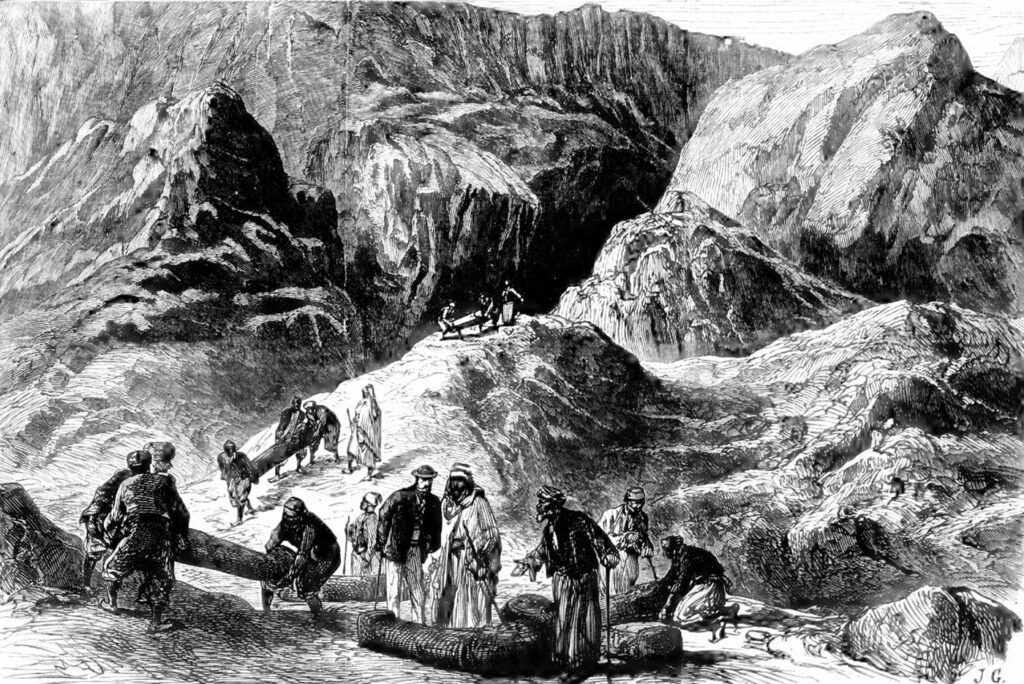
Historical Context of Deir el-Bahari and Royal Burials
The Deir el-Bahari area is historically associated with monumental temples, elite burials, and sacred landscapes connected to royal power and religious authority. Most famously, it includes the mortuary temple of Queen Hatshepsut, one of ancient Egypt’s most influential female rulers. Nearby lies the legendary Valley of the Kings, where pharaohs of the New Kingdom constructed elaborate tombs designed to secure eternal life. However, repeated tomb robberies during periods of political unrest forced ancient priests and officials to secretly relocate royal mummies to safer locations. This protective practice explains why many royal bodies were eventually hidden together in the Deir el-Bahari cache. The historical context reflects broader themes of ancient Egyptian religion, funerary rituals, temple architecture, and royal afterlife beliefs. Archaeologists studying Luxor west bank tombs frequently emphasize how the landscape combined religious symbolism, geography, and royal propaganda. The Deir el-Bahari region thus represents not just a burial ground but a complex sacred zone illustrating political legitimacy, divine kingship, and mortuary ideology. Understanding this historical setting helps explain why the royal cache existed and why its discovery remains essential to studies of Egyptian history, archaeology tourism, and cultural heritage preservation.
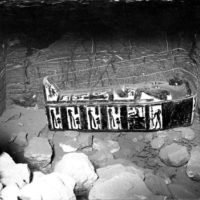
Discovery of the Royal Cache and Archaeological Investigation
The actual discovery of the cache in the late nineteenth century is closely linked with the activities of the Abd el-Rassul family, local antiquities traders who secretly accessed the tomb before scholars officially documented it. Eventually, French Egyptologist Gaston Maspero initiated a formal investigation that led to the systematic excavation of what became known as the DB320 Royal Cache. The cache contained dozens of royal mummies, including some of Egypt’s greatest pharaohs, preserved in nested coffins and protective wrappings. The discovery created international excitement, fueling interest in Egyptology, museum exhibitions, and heritage tourism. Newspapers worldwide reported the find, which strengthened Egypt’s reputation as one of the richest archaeological landscapes on earth. Scholars gained unprecedented access to royal remains, allowing advances in mummy studies, forensic archaeology, and historical chronology. The discovery also raised ethical questions about excavation, artifact ownership, and heritage protection, issues still discussed today. Ultimately, the Deir el-Bahari cache discovery represents a turning point in archaeological methodology, heritage conservation awareness, and the scientific study of ancient Egyptian civilization.
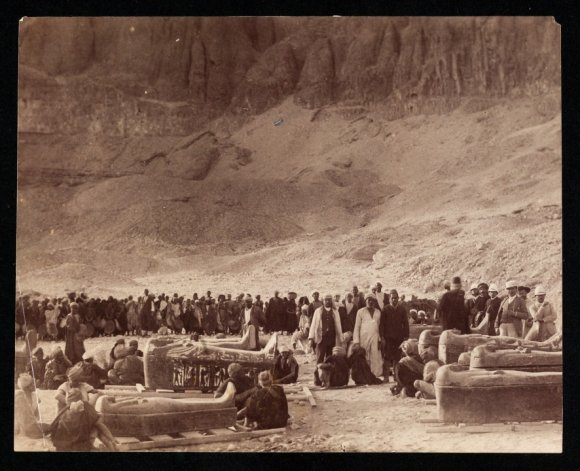
Significance for Egyptology, Tourism, and Cultural Heritage
The Deir el-Bahari cache continues to influence modern Egyptology, historical tourism, and cultural heritage interpretation. The study of royal mummies from the cache has provided data on ancient diseases, genetics, embalming techniques, and royal lineage, contributing significantly to scientific archaeology. Luxor tourism today frequently highlights connections between the cache, temple complexes, and royal burial sites, making it a major draw for travelers interested in ancient Egypt tours, Nile cruise excursions, and archaeological exploration . Beyond tourism, the cache symbolizes ancient Egyptian resilience in protecting sacred traditions during times of instability. Priests who reburied the mummies demonstrated deep religious commitment and administrative organization. Modern conservation efforts continue to protect artifacts linked to the cache, ensuring future generations can study and appreciate this heritage. The Deir el-Bahari Royal Cache therefore stands not only as an archaeological discovery but also as a bridge between ancient civilization, modern scholarship, and global fascination with Egypt’s timeless historical legacy.
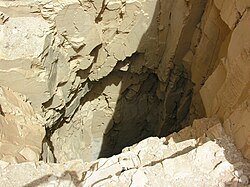
Royal Mummies Found in the Cache and Their Historical Importance
One of the most extraordinary aspects of the Deir el-Bahari cache was the presence of numerous royal mummies belonging to some of the most powerful rulers of ancient Egypt. Among them were kings such as Ahmose I, founder of the New Kingdom, Thutmose III, often described as Egypt’s greatest military strategist, and Ramesses II, widely celebrated for monumental architecture and long reign. Their presence together in a single hidden burial chamber reflects a deliberate attempt by ancient priests to safeguard royal remains from systematic tomb robberies that plagued the Theban necropolis during political decline. This discovery provided historians with direct physical evidence about royal lineage, embalming techniques, health conditions, and funerary traditions. Scientific examination of these mummies revealed details about diet, disease patterns, injuries, and hereditary traits, contributing significantly to mummy studies, bioarchaeology, and forensic Egyptology.The cache therefore became a primary source for reconstructing Egyptian political chronology and understanding royal burial ideology. It also strengthened global fascination with pharaonic history, encouraging museum exhibitions, documentaries, Luxor cultural tourism, and scholarly research. The concentration of powerful rulers in one cache illustrates both ancient reverence for kingship and practical measures taken by priests to ensure eternal preservation, a core belief in ancient Egyptian religion and afterlife theology.
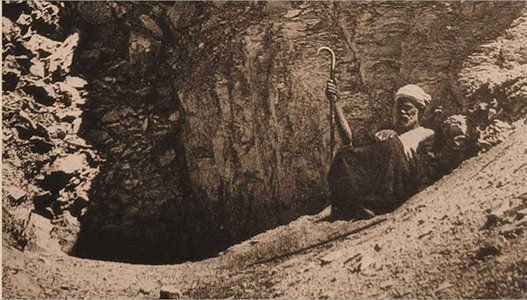
Religious Motives Behind the Reburial Process
The reburial of royal mummies in the Deir el-Bahari cache was not merely a practical response to tomb robbery but also a deeply religious act rooted in ancient Egyptian spiritual beliefs. Priests responsible for transferring the royal bodies viewed themselves as protectors of divine kingship and sacred tradition. The original burials had been designed to guarantee eternal life through carefully prepared tombs, elaborate funerary rituals, sacred texts, and protective amulets. When those tombs became vulnerable, priests organized systematic relocations to preserve the sanctity of the deceased rulers. Many scholars connect these actions to the religious authority centered in ancient Thebes, where temple priesthoods maintained political influence during periods of instability. The act of rewrapping mummies, reinscribing coffins, and placing them collectively in a hidden tomb reflects a complex blend of theology, politics, and heritage preservation. Archaeological evidence shows that priests treated the process with care, often repairing damaged coffins and performing additional rites to ensure spiritual protection. This highlights how ancient Egyptians perceived kings not simply as rulers but as divine intermediaries whose preservation was essential for cosmic order. Modern Egyptologists frequently cite the Deir el-Bahari cache as proof of the enduring strength of Egyptian religious tradition even during political fragmentation, making it a critical case study in both archaeology and ancient religious history.
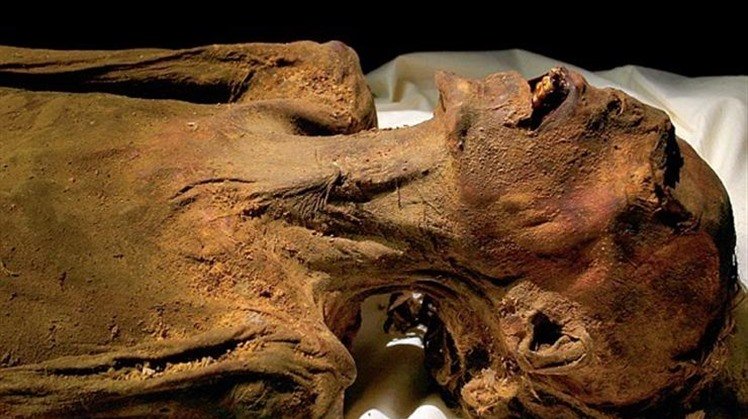
Display of the Mummies and Modern Public Interest
After their discovery and documentation, many royal mummies from the Deir el-Bahari cache were transferred for preservation and public display, most notably at the Egyptian Museum in Cairo. Their exhibition generated enormous international interest, turning ancient Egyptian history into a global cultural fascination. Visitors from around the world travel to Egypt specifically to see these royal remains, making mummy exhibitions a cornerstone of Egypt cultural tourism, Luxor historical tours, and archaeological travel experiences. Scientific advances such as CT scanning, DNA testing, and conservation technology have allowed researchers to study the mummies without damaging them, providing new insights into royal health, genealogy, and embalming craftsmanship. Public fascination has also influenced documentaries, academic conferences, and tourism marketing campaigns focused on ancient Egypt. At the same time, ethical discussions continue regarding display practices, repatriation, and respectful treatment of human remains. Nevertheless, the Deir el-Bahari cache remains one of the most influential archaeological discoveries shaping how people worldwide understand ancient Egypt, royal burial traditions, and the enduring legacy of pharaonic civilization.
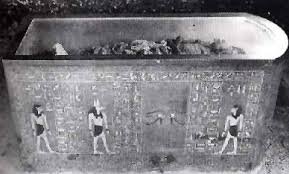
Scientific Studies on the Royal Mummies
Scientific examination of the royal mummies from the Deir el-Bahari cache has revolutionized modern Egyptology, bioarchaeology, and ancient medical research. Advanced techniques such as CT scanning, radiography, DNA analysis, and forensic facial reconstruction have allowed scholars to investigate royal ancestry, health conditions, diet, and causes of death without damaging the fragile remains. Studies conducted on rulers such as Amenhotep I and Seti I revealed valuable data about hereditary diseases, dental health, battlefield injuries, and life expectancy among Egypt’s elite classes. These findings have helped historians reconstruct family trees, confirm historical timelines, and better understand ancient Egyptian royal succession. Scientific studies also shed light on embalming craftsmanship, resin composition, linen wrapping techniques, and ritual practices used by ancient embalmers. This interdisciplinary collaboration between archaeology, medicine, chemistry, and anthropology continues to generate new discoveries. Moreover, public fascination with scientific mummy research has boosted educational tourism, documentary filmmaking, and museum engagement worldwide. Scholars emphasize that ongoing technological improvements will likely reveal further details about ancient Egyptian society, nutrition, climate adaptation, and disease patterns. The Deir el-Bahari cache therefore remains not only a historical treasure but also a living laboratory for modern science, bridging thousands of years between ancient funerary traditions and contemporary archaeological innovation.
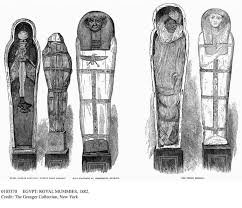
Transfer, Conservation, and Modern Museum Preservation
Preserving the royal mummies discovered in the cache has required extensive conservation efforts, climate control technologies, and museum expertise. Many of the mummies were eventually relocated to the National Museum of Egyptian Civilization, where they are displayed under carefully controlled environmental conditions designed to prevent deterioration. This transfer represented a major milestone in heritage preservation, highlighting Egypt’s commitment to safeguarding its archaeological legacy. Conservation specialists focus on humidity regulation, temperature stability, light protection, and advanced storage materials to ensure long-term survival of these priceless remains. The global media attention surrounding the transfer of royal mummies demonstrated the enduring fascination with ancient Egyptian civilization. It also emphasized the importance of responsible heritage management, museum ethics, and sustainable tourism practices. Conservation programs now involve collaboration between Egyptian authorities, international institutions, and scientific laboratories. Educational outreach, exhibitions, and digital archives further enhance public access while minimizing physical handling of artifacts. The preservation of the Deir el-Bahari cache mummies therefore represents a balance between scientific study, cultural respect, and tourism development. This modern phase of conservation ensures that future generations will continue to learn from these remarkable witnesses of ancient history while maintaining their dignity and historical authenticity.
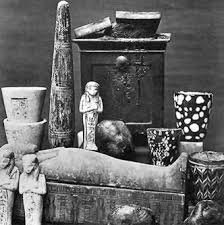
The Cache in Cultural Tourism and Global Historical Interest
The Deir el-Bahari royal cache has become a major focal point for cultural tourism, academic research, and global fascination with ancient Egypt. Travelers visiting Upper Egypt frequently combine exploration of the Theban necropolis with museum visits and educational tours centered on the royal mummies. The nearby Nile River enhances the historical experience, as it served as the lifeline of ancient Egyptian civilization and a transportation route for funerary processions and temple construction. Today, Nile cruises, Luxor west bank excursions, and Egypt heritage tours often highlight the story of the royal cache as part of broader narratives about pharaohs, tomb security, and ancient religious traditions. The cache has also inspired documentaries, academic publications, exhibitions, and digital reconstructions that continue to captivate international audiences. Beyond tourism, it symbolizes Egypt’s enduring historical identity and its global cultural influence. The narrative of priests protecting royal mummies during turbulent times resonates strongly with modern concepts of heritage preservation and cultural resilience. As a result, the Deir el-Bahari cache remains not only an archaeological discovery but also a powerful symbol of ancient Egyptian continuity, attracting scholars, travelers, historians, and enthusiasts eager to connect with one of humanity’s most remarkable civilizations.
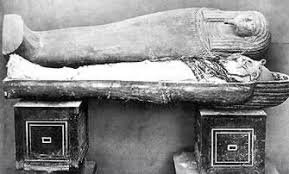
Political Instability and the Priestly Role in Protecting Royal Burials
The creation of the Deir el-Bahari royal cache was closely connected to a period of political instability that marked the end of Egypt’s New Kingdom. Central authority weakened, economic difficulties increased, and tomb robbery became widespread across the Theban necropolis. During this uncertain era, powerful priestly figures stepped forward to safeguard royal remains and maintain religious continuity. Leaders such as Herihor and Pinedjem I held both religious and administrative influence, allowing them to organize the systematic relocation of royal mummies from vulnerable tombs to hidden caches. Their actions reflected not only practical concerns but also deep spiritual responsibility, since the preservation of a king’s body was believed essential for maintaining cosmic balance and divine favor. Archaeological inscriptions show that priests carefully rewrapped mummies, restored damaged coffins, and documented reburials, demonstrating a surprisingly methodical preservation effort. These events highlight how religion, politics, and cultural heritage protection intersected in ancient Egypt. Modern historians often interpret the cache as evidence that even during political fragmentation, Egyptian society remained strongly committed to its religious traditions and royal legacy. The actions of these priestly authorities ultimately preserved invaluable historical evidence that continues to inform archaeological research, museum interpretation, and global understanding of ancient Egyptian civilization.
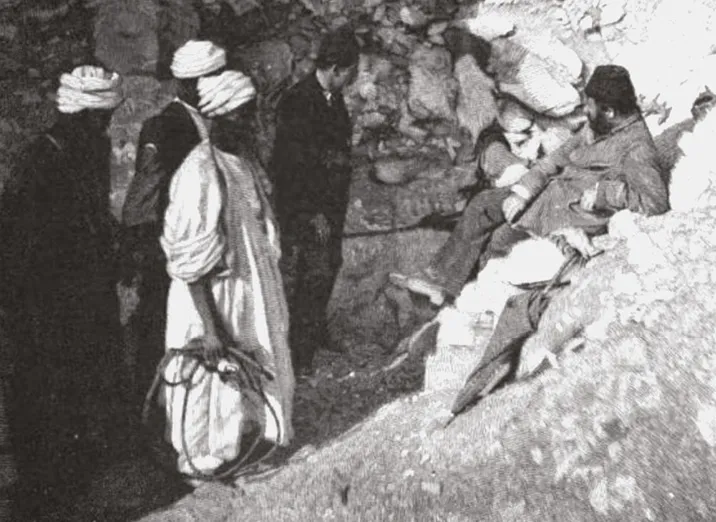
Tomb Robbery, Security Measures, and the Changing Burial Landscape
By the late New Kingdom, systematic tomb robbery had become one of the greatest threats to royal burials in western Thebes. Economic decline, weak central control, and knowledge of tomb locations contributed to widespread looting. Even highly protected burial sites, including areas near the Valley of the Queens, were affected. Historical records from the reign of Ramesses XI describe official investigations into tomb theft, showing that the problem was recognized at the highest levels of government. These circumstances forced priests to adopt new security strategies, including relocating mummies, sealing entrances, and concealing burial chambers in less obvious locations like the Deir el-Bahari cache. Archaeological evidence indicates that these reburials were conducted with considerable care, suggesting that preserving religious dignity remained a priority despite the crisis. The shift from elaborate individual royal tombs to collective hidden caches marks a significant transformation in Egyptian funerary practice. It demonstrates how practical realities influenced sacred traditions while still respecting theological principles of the afterlife. Today, this period offers valuable insight into social stress, administrative adaptation, and cultural resilience in ancient Egypt. The Deir el-Bahari cache therefore serves as both a protective response to tomb robbery and a historical record of how Egyptian society coped with political and economic challenges.
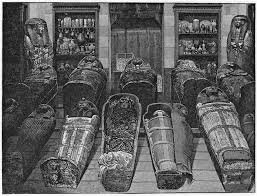
Lasting Legacy of the Deir el-Bahari Cache in Modern Egyptology
The long-term legacy of the Deir el-Bahari royal cache continues to shape modern Egyptology, heritage management, and international interest in ancient Egyptian civilization. The preserved royal mummies provide essential data for ongoing research into genealogy, ancient diseases, embalming technology, and historical chronology. Many artifacts connected to these discoveries are now studied and displayed in major institutions such as the Grand Egyptian Museum, which aims to present Egypt’s pharaonic heritage using advanced conservation and exhibition techniques. The cache also influences tourism narratives, academic publications, and educational programs that explore royal burial traditions, priestly authority, and the challenges of preserving cultural heritage. Scholars increasingly emphasize ethical considerations when displaying human remains, balancing scientific research with cultural respect. Technological innovations, including digital scanning and virtual reconstruction, continue to expand knowledge derived from the cache while minimizing physical intervention. Beyond academia, the story of hidden royal mummies rescued from tomb robbers captures public imagination and reinforces Egypt’s global cultural identity. The Deir el-Bahari cache ultimately represents a powerful intersection of history, archaeology, religion, and modern preservation efforts, ensuring that the legacy of ancient Egyptian kings remains accessible to researchers, travelers, and future generations fascinated by one of the world’s most enduring civilizations.