...

Tombs of the Nobles in Aswan: Journey Through Ancient Egyptian History

We offer you an unforgettable journey into the Tombs of the Nobles in Aswan, one of the most remarkable archaeological sites in southern Egypt. These tombs, dating back over 4,000 years, stand as a testament to the grandeur of ancient Egyptian civilization. Carved into the cliffs on the west bank of the Nile, directly opposite the city of Aswan, the tombs represent the final resting places of governors, priests, and military commanders who once ruled this region.

Visiting the Tombs of the Nobles Aswan is like stepping into a living museum. The walls are adorned with inscriptions, hieroglyphs, and colorful scenes depicting religious rituals, hunting expeditions, agricultural practices, and the transition into the afterlife. It is a site where history, art, and spirituality come together, offering a unique perspective on the life and beliefs of the Egyptian elite.

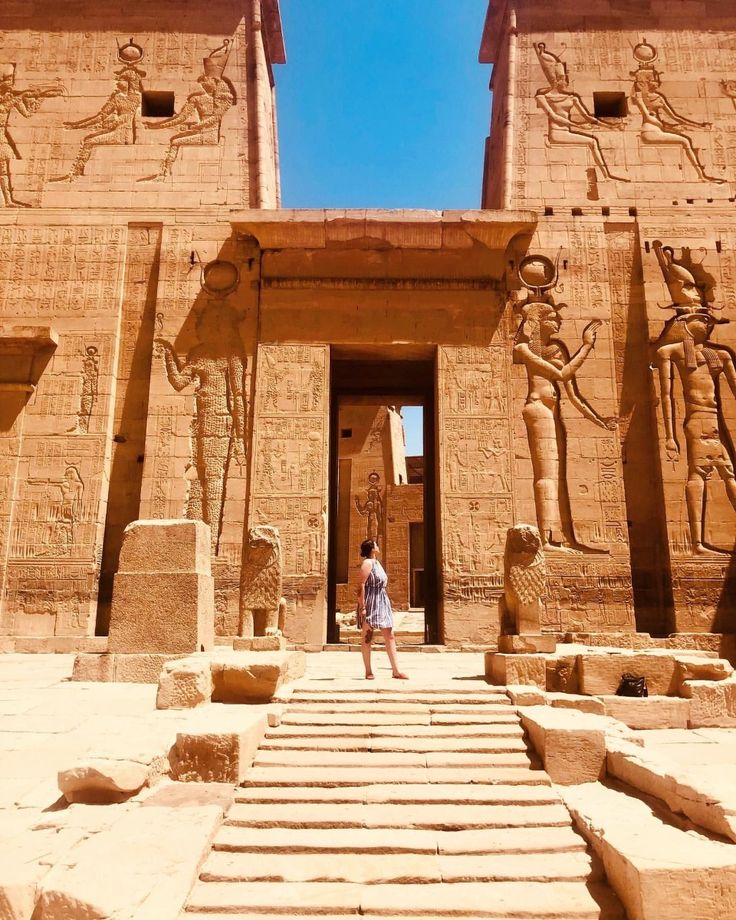
philae temple - Egypt tour Magic

Location and Historical Importance

We offer an introduction to the Tombs of the Nobles in Aswan, one of the most remarkable archaeological sites in Upper Egypt. These tombs are not just burial sites; they are historical records carved into stone. Dating back to the Old and Middle Kingdoms (roughly 6th Dynasty to 12th Dynasty), the tombs belonged to local rulers who governed Aswan, which was then known as Swenet. Aswan was the gateway to Nubia and an important center for trade, military campaigns, and cultural exchange. The nobles buried here were more than provincial leaders—they were influential figures whose decisions shaped Egypt’s relationship with Nubia and secured control of Egypt’s southern frontier. Travelers visiting the Tombs of the Nobles in Aswan today are greeted with a sweeping view of the Nile, an awe-inspiring desert backdrop, and the sense of stepping directly into the past. The tombs, hewn into rocky cliffs, stand as silent witnesses to Egypt’s glory. As you ascend the steep stairways, you not only climb toward ancient history but also toward breathtaking views of Aswan’s landscapes. These tombs are a must-see for anyone interested in Egypt’s archaeological treasures.

14 Days tour Packages To Cairo Siwa Oasis Aswan and The Red sea aswan

History of the Tombs of the Nobles

We offer an in-depth historical perspective of the Tombs of the Nobles in Aswan. These burial sites date back mainly to the Old Kingdom, with significant activity in the 6th Dynasty, and continued through the Middle Kingdom. The nobles of Aswan were essentially provincial governors, known as “nomarchs,” who were entrusted with ruling Egypt’s southernmost region. Their responsibilities included collecting taxes, maintaining security along the border, and controlling trade routes between Egypt and Nubia. The tombs are decorated with hieroglyphic inscriptions, reliefs, and paintings that illustrate the lives of these noble families. Scenes of daily life—such as agriculture, hunting, fishing, and feasts—adorn the walls, reflecting not only the wealth of the officials but also the cultural values of their time. Some tombs even depict military expeditions and trade missions to Nubia, showcasing Aswan’s strategic importance. Famous nobles such as Harkhuf and Sarenput left inscriptions that provide valuable insights into Egypt’s foreign policy and military conquests. These inscriptions are vital historical sources, making the Tombs of the Nobles in Aswan an open-air library of ancient Egyptian history.

11 Days Tour Packages Cairo Aswan luxor Dendera Hurghada Egypt tour magic Aswan

Architectural Style and Decoration

We offer a closer look at the architectural marvels of the Tombs of the Nobles in Aswan. The tombs are cut into the sandstone cliffs overlooking the Nile. Their design follows the classic style of elite Egyptian tombs, often beginning with a forecourt and entrance hall, leading to inner chambers and a burial shaft. Many tombs feature columns, false doors, and elaborate hieroglyphic texts. The construction of these tombs showcases both practical and spiritual considerations. The elevated placement along the cliffs symbolized closeness to the gods while protecting the tombs from flooding. Inside, the walls were plastered and painted with vibrant colors, many of which are still visible today despite the passage of thousands of years. Relief carvings provide an extraordinary level of detail, allowing us to study clothing, tools, and rituals from ancient times. The precision with which these tombs were carved reveals the advanced engineering skills of ancient Egyptian builders. For modern-day visitors, exploring the tombs means walking through dimly lit chambers where every wall tells a story. The architecture reflects not just the wealth and power of the deceased but also the timeless Egyptian quest for eternity.

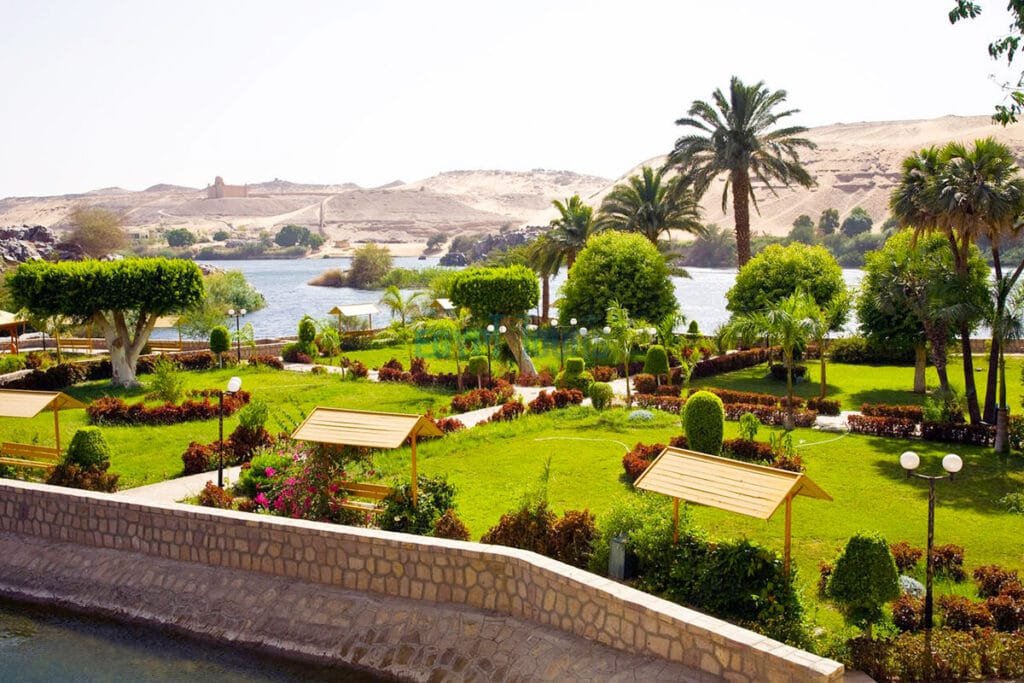
Aswan Botanical Garden - Egypt tour magic

Famous Tombs at Aswan

We offer a detailed exploration of the most famous Tombs of the Nobles in Aswan. Among the standout tombs are those of Mekhu and Sabni, a father and son who were governors of Elephantine during the 6th Dynasty. Their tombs contain inscriptions describing journeys into Nubia and military expeditions. The tomb of Harkhuf is particularly significant because it records one of the earliest mentions of the pygmies from central Africa, brought to Egypt as part of trade expeditions. Another important tomb is that of Sarenput I, dating to the Middle Kingdom. His tomb is large and richly decorated with scenes showing offerings, family life, and religious rituals. The tomb of Sarenput II is equally impressive, with inscriptions that highlight his loyalty to Pharaoh Sesostris I. These tombs are not only artistic masterpieces but also firsthand records of political alliances, expeditions, and the daily realities of ruling Egypt’s frontier province. Visiting these tombs provides travelers with an intimate connection to individuals who played critical roles in ancient Egyptian history. Their voices, preserved in stone, still speak across millennia.

Nubian Villages - Egypt tour magic

Cultural and Religious Significance

We offer insights into the cultural and religious importance of the Tombs of the Nobles in Aswan. For ancient Egyptians, death was not the end but a transition to the afterlife. Tombs were carefully designed to ensure that the deceased could live eternally in the next world. Hieroglyphic texts included spells from the Pyramid Texts and Coffin Texts, while wall paintings depicted offerings and rituals meant to sustain the soul. The tombs also reflect the relationship between local rulers and the pharaoh. Nobles sought to emphasize their loyalty to the central government while also asserting their own status and independence. Religious symbolism is everywhere—from depictions of gods like Osiris and Anubis to the recurring motifs of rebirth, such as lotus flowers and solar boats. These elements highlight how religion permeated every aspect of ancient Egyptian life and death. Today, the Tombs of the Nobles serve as cultural bridges, helping visitors understand the ancient worldview. They illustrate how Egyptians sought balance between earthly duties and divine expectations, a theme that still fascinates scholars and travelers alike.

Nubian-houses-in-Aswan

Archaeological Discoveries and Studies

We offer an overview of the archaeological discoveries at the Tombs of the Nobles in Aswan. Excavations began in earnest during the 19th century, when European explorers first documented the tombs. Since then, archaeologists from Egypt and around the world have studied the site extensively. Excavations revealed inscriptions that became critical for understanding Egypt’s relationship with Nubia, as well as the role of provincial rulers. Archaeologists have also uncovered artifacts such as pottery, statues, and tools within and around the tombs. These findings shed light on burial practices and the material culture of ancient Egypt. Some tombs were reused in later periods, adding layers of history to the site. Epigraphic studies—careful documentation of hieroglyphic inscriptions—continue to reveal new information. Modern technology, including 3D scanning and digital imaging, is now helping researchers preserve and analyze the tombs more effectively. The ongoing work ensures that the Tombs of the Nobles in Aswan remain an active area of research, continuously expanding our understanding of ancient Egypt.

Aswan International Airport (ASW)

Visiting the Tombs of the Nobles Today

We offer practical advice for visiting the Tombs of the Nobles in Aswan today. The site is located on the West Bank of the Nile, opposite Aswan city. To reach the tombs, visitors typically cross the Nile by felucca or motorboat, followed by a short climb up the cliffs. The hike is moderately challenging but rewards travelers with panoramic views of Aswan, the Nile, and surrounding islands. The site is open year-round, though the best time to visit is between October and April, when the weather is cooler. Visitors should wear comfortable shoes, bring water, and be prepared for walking uphill. Guides are available to explain the history and significance of the tombs, but even without a guide, the atmosphere of the site is unforgettable. Tickets are affordable, making this a must-see attraction in Aswan. Tour companies often combine visits to the Tombs of the Nobles with other nearby attractions such as Elephantine Island, the Aswan Botanical Garden, and the Aga Khan Mausoleum. This makes for a full day of exploration in one of Egypt’s most enchanting cities.

Sunset at Lake Nasser (Aswan)

Travel Tips and Recommendations

We offer essential travel tips for those planning to explore the Tombs of the Nobles in Aswan. First, consider visiting early in the morning to avoid crowds and enjoy cooler temperatures. Carry sunscreen, hats, and plenty of water, especially if visiting in summer. Photography is usually allowed, but always check for specific regulations before taking pictures inside the tombs. Visitors should also respect the site by avoiding touching the reliefs or leaning against ancient walls. Hiring a local guide enriches the experience by providing detailed explanations and stories that bring the tombs to life. Many guides are multilingual and skilled in adapting their presentations to different audiences. For those deeply interested in Egyptology, combining a visit to the Tombs of the Nobles with excursions to Philae Temple, Abu Simbel, and Kom Ombo offers a well-rounded experience of southern Egypt’s cultural treasures. Aswan itself is a charming city with Nubian heritage, colorful markets, and warm hospitality, making it a perfect base for exploring Upper Egypt.

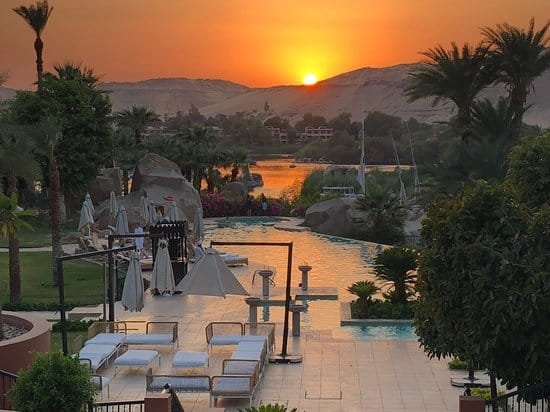
Sunset at Aswan - Egypt tour magic

Conclusion

The Tombs of the Nobles in Aswan are among Egypt’s most fascinating and historically rich attractions. Carved into the northern cliffs of the West Bank of the Nile, these tombs offer travelers a chance to explore the lives, art, and traditions of the powerful governors, princes, and high officials who once ruled southern Egypt during the Old and Middle Kingdoms. In this comprehensive article, we will take you on a detailed journey through the history, architecture, cultural significance, and modern-day tourism appeal of these incredible burial sites. This guide is designed for travelers, researchers, and history enthusiasts who wish to experience Aswan’s Tombs of the Nobles in depth. Below, you will find a full-length exploration of over 3000 words, divided into nine detailed sections for easy reading.

Seraphinite AcceleratorOptimized by Seraphinite Accelerator
Turns on site high speed to be attractive for people and search engines.