- Excursions in Egypt
- Egypt Tour Packages
- Cairo Tours and Excursions
- Hurghada Tours and Excursions
- Soma Bay Tours and Excursions
- Makadi Bay Tours and Excursions
- Sahl Hasheesh Tours and Excursions
- El Gouna Tours and Excursions
- Marsa Alam Tours and Excursions
- Port Ghalib Tours and Excursions
- El Quseir Tours and Excursions
- Dendera and Abydos Day Tours
- Aswan Tours and Excursions
- Luxor Tours and Excursions
- Sharm El Sheikh Tours and Excursions
- Top Rated Egypt Tours in 2026
- Optional Excursions in Egypt
- Private Transfer
- Blogs About egypt
- Ancient Egypt
- Historical Sites in Egypt
- Cairo
- Alexandria
- Luxor
- Aswan
- The Red Sea
- Dendera Temple
- El Fayoum Oasis
- Bahariya Oasis
- Siwa Oasis
- Al Alamein
- Marsa Matruh
- Why Egypt Is One of the Safest Countries to Visit in the Middle East
- What You Need To know Before Your First Trip To Egypt
- Egypt Travel Costs in 2026 Full Budget Guide
- Top 10 Tourist Activities in Egypt
- Top 50 Activities You Can’t Miss in Egypt in 2026
- The Guide to Guided Tours in Egypt
- Egypt’s Ancient and Modern History
- The Nile River
- The Deserts of Egypt
- Ancient Egyptian gods
- famous Egyptian dishes
- UNESCO World Heritage sites
- About Us
- Egypt Hotels and Resorts
- Excursions in Egypt
- Egypt Tour Packages
- Cairo Tours and Excursions
- Hurghada Tours and Excursions
- Soma Bay Tours and Excursions
- Makadi Bay Tours and Excursions
- Sahl Hasheesh Tours and Excursions
- El Gouna Tours and Excursions
- Marsa Alam Tours and Excursions
- Port Ghalib Tours and Excursions
- El Quseir Tours and Excursions
- Dendera and Abydos Day Tours
- Aswan Tours and Excursions
- Luxor Tours and Excursions
- Sharm El Sheikh Tours and Excursions
- Top Rated Egypt Tours in 2026
- Optional Excursions in Egypt
- Private Transfer
- Blogs About egypt
- Ancient Egypt
- Historical Sites in Egypt
- Cairo
- Alexandria
- Luxor
- Aswan
- The Red Sea
- Dendera Temple
- El Fayoum Oasis
- Bahariya Oasis
- Siwa Oasis
- Al Alamein
- Marsa Matruh
- Why Egypt Is One of the Safest Countries to Visit in the Middle East
- What You Need To know Before Your First Trip To Egypt
- Egypt Travel Costs in 2026 Full Budget Guide
- Top 10 Tourist Activities in Egypt
- Top 50 Activities You Can’t Miss in Egypt in 2026
- The Guide to Guided Tours in Egypt
- Egypt’s Ancient and Modern History
- The Nile River
- The Deserts of Egypt
- Ancient Egyptian gods
- famous Egyptian dishes
- UNESCO World Heritage sites
- About Us
- Egypt Hotels and Resorts
Welcome to
The Black Pyramid: The Dark Jewel of the Middle Kingdom
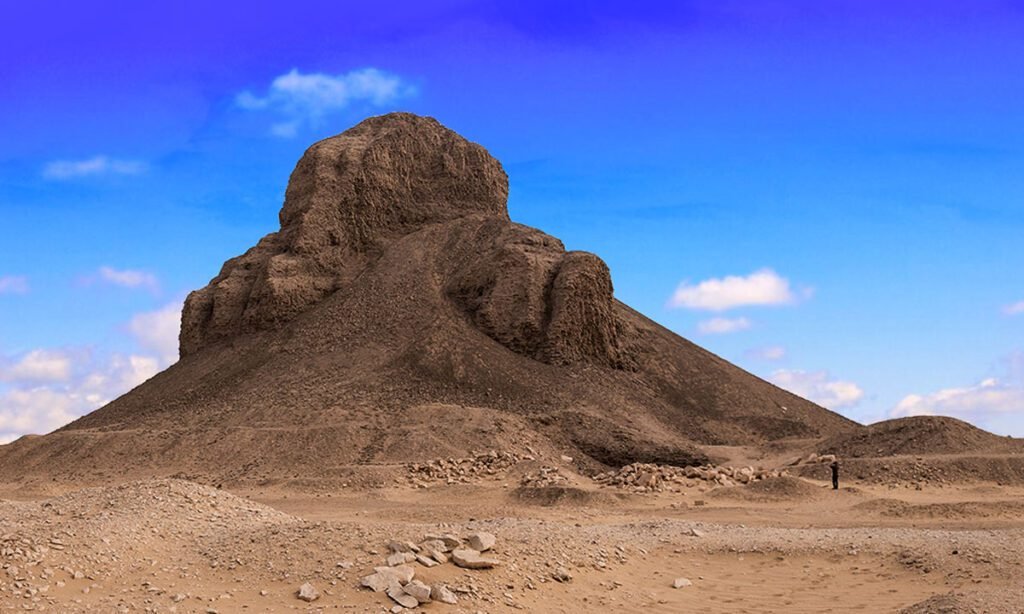
While the gleaming white limestone of the Old Kingdom pyramids often defines our vision of ancient Egypt, there exists a darker, more enigmatic monument that challenges our understanding of royal splendor: The Black Pyramid of Amenemhat III. Rising like a jagged, obsidian-hued mountain from the sands of Dahshur, this structure is a hauntingly beautiful relic of the Twelfth Dynasty. Its name is derived from the dark, somber appearance of its exposed mudbrick core, which stands in stark contrast to the golden desert that surrounds it. Built during a period of cultural and economic revival known as the Middle Kingdom, the Black Pyramid was a daring experiment in engineering and spiritual symbolism. Unlike the solid stone mountains of Sneferu, this monument was designed as a complex labyrinth, intended to house not just the Pharaoh, but also the royal princesses, creating a family sanctuary for eternity. However, the Black Pyramid is also a story of struggle against the elemental forces of nature. Its proximity to the Nile Valley and its revolutionary subterranean design led to structural challenges that would eventually force the king to abandon it as his primary tomb. For the modern traveler, the Black Pyramid offers a strikingly different aesthetic—one of raw, melancholic grandeur and mysterious decay. It is a place where the air feels heavy with secrets, and the crumbling peak seems to whisper tales of a dynasty that sought to reclaim the glory of the past through innovative, yet perilous, means. To stand before its dark silhouette is to witness the fragile balance between human ambition and the relentless passage of time. It is a monument that invites us to look beyond the surface of perfection and appreciate the profound beauty found in the shadows of Egypt’s long and complex architectural history.
1. Amenemhat III: The Visionary of the Twelfth Dynasty
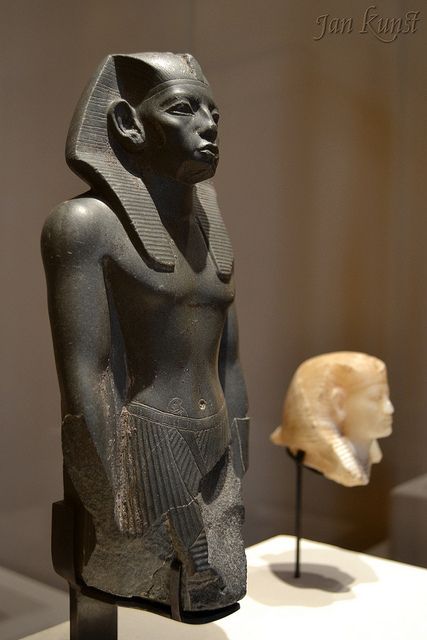
To understand the Black Pyramid, one must look to its creator, King Amenemhat III, who ruled during the zenith of the Middle Kingdom’s Twelfth Dynasty. Known for his administrative genius and massive agricultural projects in the Faiyum, Amenemhat III was a ruler who sought to restore the absolute power and monumental legacy of the Old Kingdom Pharaohs. His reign was a golden age of stability and artistic refinement, yet his architectural choices were marked by a daring departure from tradition. By choosing Dahshur for his first pyramid, he deliberately placed himself in the shadow of the great Sneferu, attempting to bridge the gap between his era and the glorious past. Amenemhat III was not content with a simple tomb; he envisioned a subterranean complex so vast and intricate that it would protect the royal remains forever. His reign represents a fascinating paradox: a period of intense intellectual growth and engineering mastery, coupled with a growing anxiety regarding tomb security. This duality is etched into every mudbrick of the Black Pyramid. For the traveler, Amenemhat III is a figure of immense intrigue—a king who was revered as a god long after his death, yet whose most ambitious monument faced a slow, geological decline. Exploring his legacy at Dahshur allows us to appreciate the weight of his crown. He was a Pharaoh who looked at the great stone peaks of the past and decided to innovate, using the materials of the earth to create a dark, complex sanctuary. His story is one of reaching for the eternal while grappling with the practical realities of a changing landscape, making him one of the most relatable and fascinating figures of the Middle Kingdom.
2. The Dark Architecture: A Mudbrick Revolution
The most striking feature of the Black Pyramid is its distinctive dark appearance, a result of its unique construction method that deviated from the solid limestone traditions of earlier eras. Amenemhat III’s architects utilized a core of millions of sun-dried mudbricks, which were then intended to be encased in a shell of fine white Tura limestone. This "mudbrick revolution" allowed for a faster construction pace and the creation of much larger, more complex internal spaces than solid stone would permit. The use of dark, local clay gives the pyramid its somber, obsidian-like hue today, now that the outer casing has been largely stripped away by time and looters. From a distance, the pyramid looks like a jagged, natural mountain—a "Black Peak" that dominates the southern horizon of Dahshur. This design was not merely about speed; it was a deliberate choice to use the "living earth" of the Nile to build a house for the afterlife. However, this innovative approach came with a significant cost. The sheer weight of the mudbrick core, combined with its proximity to the moist soils of the Nile Valley, caused the structure to settle unevenly. For the modern visitor, the pyramid’s eroded state offers a rare "x-ray" view of ancient engineering. You can see the layers of bricks and the cedar wood tie-beams used to reinforce the structure, providing a fascinating lesson in the risks of architectural experimentation. The Black Pyramid stands as a monument to the Middle Kingdom’s creative spirit—a dark, brooding twin to the limestone pyramids nearby, proving that even in the pursuit of immortality, the Pharaohs were bound by the physical laws of the land they ruled.
3. The Labyrinthine Interior: A Subterranean Maze
While the exterior of the Black Pyramid is haunting, its true genius lies beneath the ground in a subterranean complex that was the most sophisticated of its time. Amenemhat III’s engineers created a literal labyrinth, featuring a sprawling network of passages, shafts, and chambers designed to house the Pharaoh and several members of his royal family, including his queens and princesses. This was a radical departure from the "one pyramid, one king" rule of the Old Kingdom. The interior was divided into two distinct sections: one for the king and another for the royal ladies, connected by a series of confusing corridors meant to deter grave robbers. The burial chambers were lined with massive blocks of white limestone and granite, featuring exquisite corbelled roofs that distributed the weight of the mudbrick mountain above. One of the most remarkable discoveries within this maze was the king’s red granite sarcophagus, which was intricately carved with "palace facade" motifs. Despite the structural failures that eventually led to the pyramid being abandoned as the king’s primary tomb, the interior remains a masterpiece of Middle Kingdom craftsmanship. For the historian, these passages offer a glimpse into the evolving beliefs regarding the afterlife, where family unity became a central theme in royal funerary rites. Navigating the concept of this maze reveals a Pharaoh who was deeply concerned with the sanctity of his final rest, creating a stone-lined puzzle that would take millennia to solve. The Black Pyramid’s interior is a testament to a society that valued complexity and protection, turning the dark earth of Dahshur into a fortress of faith and family that continues to baffle and inspire explorers today.
4. Structural Failure: The Sinking Monument
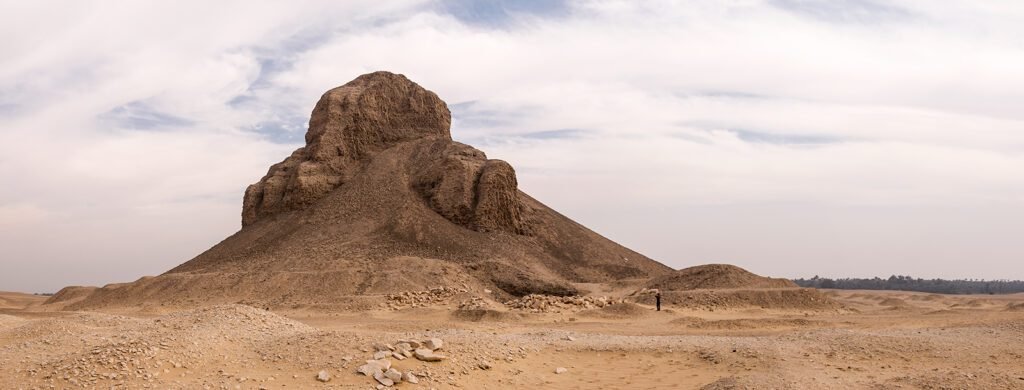
The story of the Black Pyramid is as much a tragedy of engineering as it is a triumph of design. Shortly after the massive mudbrick core was completed and the limestone casing was applied, the structure began to exhibit signs of catastrophic failure. The primary cause was a combination of weight and location. Amenemhat III chose a site that was dangerously low—only about 10 meters above sea level—where the ground consisted of unstable, moist clay rather than the solid bedrock found beneath the pyramids of Sneferu. As the millions of tons of mudbrick pressed down, the moisture from the nearby Nile Valley caused the soil to compress unevenly. Huge cracks began to spiderweb through the interior passages, and the heavy granite lintels over the burial chambers started to buckle. In a desperate attempt to save the monument, architects installed massive cedar beams to shore up the ceilings, many of which can still be seen today. However, it soon became clear that the pyramid was sinking into the very earth from which it was made. This geological disaster forced the Pharaoh to make a difficult decision: he abandoned the Black Pyramid as his primary burial site and commissioned a second pyramid at Hawara. For the traveler, seeing the "ruined" state of the Black Pyramid is a powerful lesson in the humility of history. It serves as a reminder that even the most powerful rulers were subject to the laws of nature. The cracks in its foundation are not just flaws; they are the scars of a bold experiment that pushed ancient technology to its absolute limit, leaving behind a haunting monument to the risks of reaching for the eternal.
5. The Pyramidion: A Masterpiece in Basalt
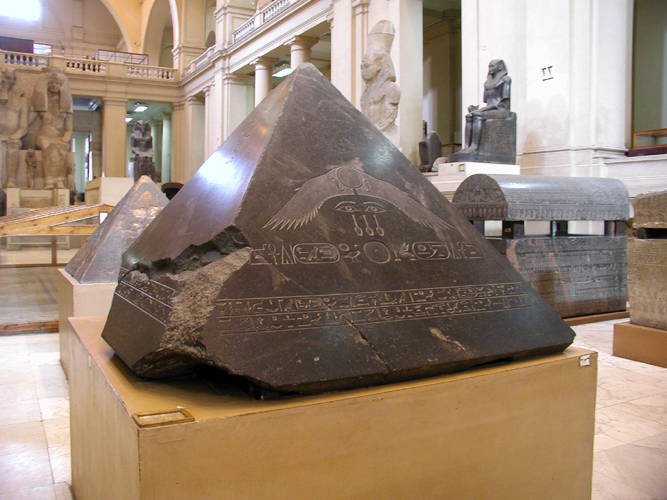
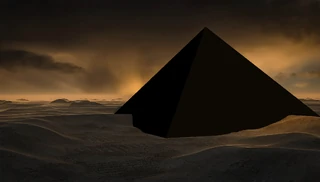
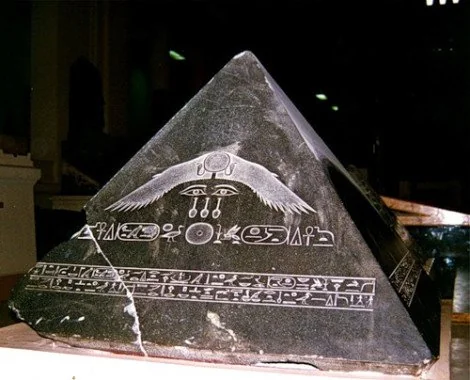
One of the most significant and beautiful artifacts ever recovered from the Dahshur necropolis is the pyramidion, or capstone, of the Black Pyramid. Found in 1900 by archaeologist Heinrich Schäfer, this solid block of dark grey basalt is a rare example of the crowning glory of an ancient Egyptian pyramid. Unlike the pyramid itself, which has succumbed to the elements, the pyramidion is remarkably well-preserved and serves as a testament to the incredible skill of Middle Kingdom stonemasons. Every side of the capstone is intricately carved with delicate hieroglyphs and religious symbols, including the winged sun disk and the eyes of Horus, which were intended to provide protection for the Pharaoh as he transcended into the celestial realm. The inscriptions include prayers to the sun god Ra, ensuring that the king would be greeted by the light of the morning. Today, this masterpiece is a centerpiece of the Egyptian Museum in Cairo, but its spiritual home remains at the summit of Amenemhat III’s dark peak. For the visitor, the pyramidion bridges the gap between the crumbling ruins of the site and the original, gleaming vision of the monument. It allows you to imagine the pyramid as it was intended: a perfect, dark mountain topped with a polished, black jewel that reflected the sun’s rays across the Nile Valley. The precision of the carvings on such hard stone is a marvel of ancient art, reminding us that even as the structure below was failing, the devotion to the divine remained unwavering. It is the "crown" of the Black Pyramid, representing the intellectual and spiritual height of the Twelfth Dynasty.
6. The Buried Queens: A Family Sanctuary
The Black Pyramid was revolutionary not only for its design but for its function as a multi-generational royal sanctuary. Beneath its dark slopes, archaeologists discovered the burial chambers of at least two of Amenemhat III's queens, Aat and an unnamed consort, along with several princesses. This inclusion of the royal family within the main pyramid structure marked a significant shift from the Old Kingdom, where queens were usually buried in smaller, separate "satellite" pyramids. The subterranean layout was a masterpiece of familial devotion, with passages connecting the king’s chamber to those of his loved ones, ensuring they would remain together in the afterlife. One of the most breathtaking finds within these chambers was the "Dahshur Treasure"—a collection of exquisite jewelry including gold pectorals, amethyst necklaces, and silver mirrors that belonged to the royal women. These items were hidden so effectively within the labyrinth that they managed to escape the notice of grave robbers for nearly four thousand years. For the traveler, the presence of these queens adds a humanizing layer to the brooding monument. It transforms the Black Pyramid from a cold royal tomb into a place of intimate connection and protection. Although the king was ultimately buried elsewhere, his queens remained here, guarded by the dark mudbrick walls and the complex maze of tunnels. Exploring the history of these burials allows us to appreciate the social and emotional complexities of the Middle Kingdom, where the Pharaoh sought to extend his protection over his entire household, creating a family fortress that would withstand the test of eternity.
7. The Cedar Beams: A Testimony of Crisis
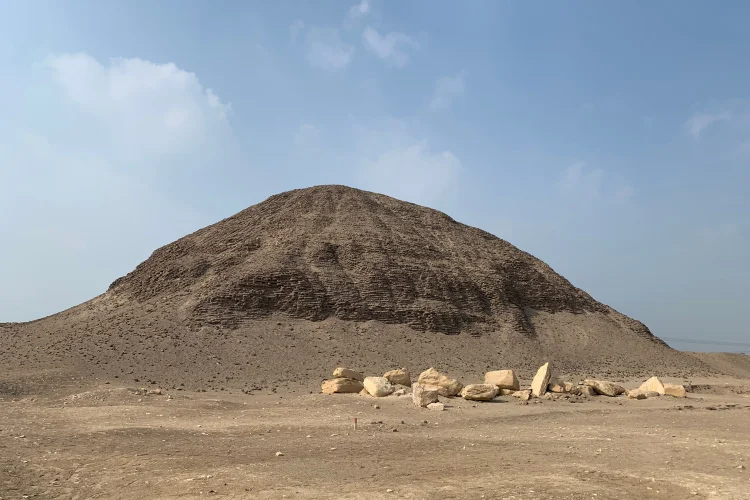
Within the dark, crumbling corridors of the Black Pyramid lies a fascinating and rare archaeological detail: the original ancient cedar wood beams used to shore up the structure during its construction. As the pyramid began to settle and crack under its own immense weight, Amenemhat III’s engineers scrambled to prevent a total collapse. They imported massive trunks of high-quality cedar from the mountains of Lebanon, carving them into supports for the sagging limestone ceilings. These beams are not just structural elements; they are "time capsules" that provide a visceral look at a moment of ancient crisis. To see wood that was handled by workers nearly 4,000 years ago, still bearing the marks of their saws and chisels, is a haunting experience. These supports tell a story of desperation and ingenuity, showing that the Egyptians were not infallible but were master problem-solvers who fought to save their royal monuments. For the modern researcher, these beams have provided invaluable carbon-dating evidence and insights into the ancient timber trade between Egypt and the Levant. For the traveler, they add a layer of human drama to the site. They are a reminder that the Black Pyramid was a "living" project that required constant maintenance and faced real-world dangers. Walking through the conceptual history of these tunnels, one can almost hear the creaking of the wood and the hushed voices of the architects as they realized their mountain of mudbrick was moving. The cedar of Dahshur stands as a silent witness to the frailty of human ambition and the incredible lengths to which the Pharaohs went to protect their passage into the afterlife, even when the very earth beneath them refused to stay still.
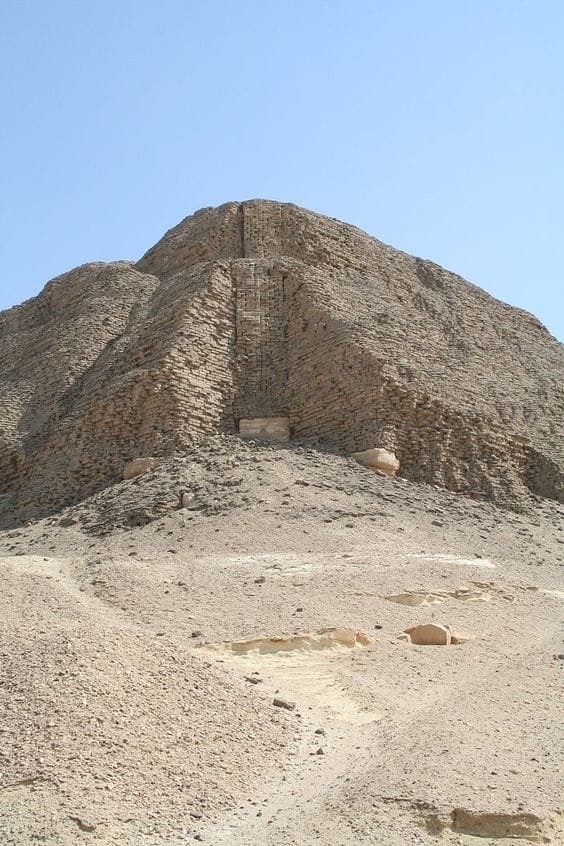
8. The Legacy of the Twelfth Dynasty’s Art
The Black Pyramid is more than an engineering project; it is a canvas that reflects the peak of Middle Kingdom artistic refinement. During the reign of Amenemhat III, Egyptian art moved away from the idealized, youthful portrayals of the Old Kingdom toward a more realistic and somber style. This "verism" is reflected in the famous statues of the king, which show him with heavy eyelids, large ears, and a weary expression—features that suggest the burden of kingship and the passage of time. This same aesthetic can be felt in the architecture of the Black Pyramid itself. The use of dark basalt for the pyramidion and the intricate "palace facade" carvings on the granite sarcophagi within the tomb show a society that valued depth, texture, and complex symbolism. The artisans of the Twelfth Dynasty were masters of hard stone, and their work at Dahshur showcases a level of precision that few civilizations have ever matched. For the visitor, this artistic legacy provides a window into the soul of the Middle Kingdom. It was an era that embraced the "darker" and more complex aspects of life and death, moving away from the sunny simplicity of the past. The Black Pyramid, with its brooding silhouette and hidden treasures, is the architectural manifestation of this intellectual shift. It represents a culture that was mature, introspective, and deeply skilled, using art not just to decorate, but to define the sacred boundaries between the mortal and the divine. Exploring the site allows you to appreciate the subtle beauty of a dynasty that found grace in the shadows and eternity in the most difficult materials the earth had to offer.
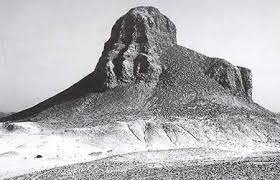
9. Dahshur’s Sentinel: The Enduring Mystery
As you stand before the jagged peak of the Black Pyramid today, its most powerful attribute remains its sense of enduring mystery. Unlike the well-documented Great Pyramid or the restored Red Pyramid, the Black Pyramid keeps its secrets close. Much of its subterranean labyrinth remains submerged in groundwater or too unstable for the general public to explore, leaving a vast portion of its history hidden beneath the sands. This air of the "unknown" is what makes Dahshur so compelling for the soulful traveler. The Black Pyramid acts as a sentinel of the southern necropolis, a dark guardian that reminds us that Egypt has not yet revealed all its treasures. It challenges our perceptions of what a pyramid "should" look like, offering a raw and weathered beauty that is far more atmospheric than its more famous neighbors. As the wind whistles through its exposed mudbricks and the sun sets behind its dark core, you are reminded that history is a living, breathing thing that continues to erode and evolve. The Black Pyramid is a monument to the attempt, the struggle, and the resilience of a people who refused to let the desert claim their names. It stands as a powerful conclusion to the story of Dahshur, a place where the light of Sneferu meets the shadows of Amenemhat III. Leaving the site, the image of the dark, broken mountain stays with you—a symbol of the fragile, beautiful bridge between human effort and the infinite. It is the perfect, hauntingly beautiful end to a journey through the evolution of the pyramid, leaving you with a profound respect for the Pharaohs who dared to build in the dark so they could live forever in the light.
10. Visiting the Shadow: Tips for the Intrepid Explorer
Visiting the Black Pyramid is an experience unlike any other in Egypt, requiring a spirit of adventure and a bit of logistical planning. Because the structure is located in the southern part of the Dahshur necropolis, it is less frequented than the Red or Bent Pyramids, offering a rare opportunity for solitude. To reach it, you will need to walk or drive a short distance across the desert sands from the main parking area. It is important to note that, due to the structural instability caused by ancient groundwater and the fragile mudbrick core, the interior of the Black Pyramid is generally closed to the public. However, the true magic of this site is found in its exterior presence. To get the best view, it is recommended to visit during the "golden hour"—just before sunset—when the low sun accentuates the jagged textures of the mudbrick and the dark silhouette becomes a dramatic contrast against the orange sky. Travelers should wear sturdy desert footwear, as the ground around the pyramid is littered with limestone fragments and ancient debris. Bringing a pair of binoculars is also a great idea, as it allows you to see the details of the cedar beams and the layers of construction high up on the crumbling peak. Because there are no facilities near this specific monument, carrying extra water is essential. By approaching the Black Pyramid with patience and respect, you are rewarded with a hauntingly beautiful encounter with the Middle Kingdom. It is a place for the "slow traveler" who values atmosphere over crowds, providing a unique chance to stand in the shadow of a Pharaoh’s failed dream and find the profound beauty within its ruins.
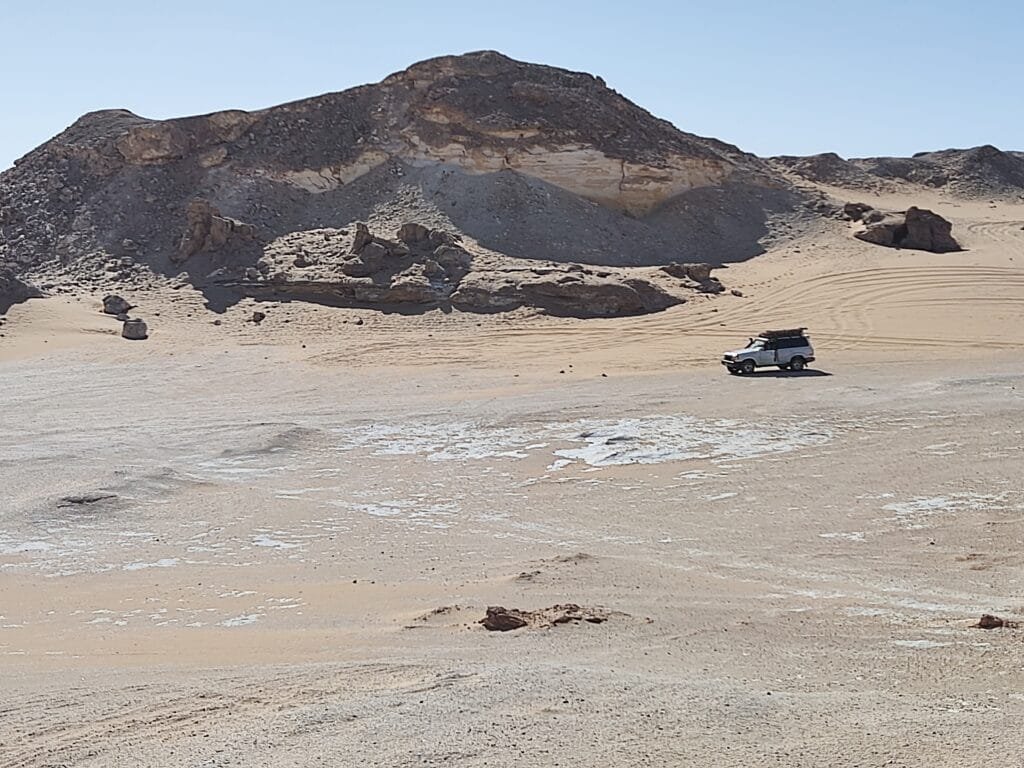
11. The Middle Kingdom Renaissance: Context of a Masterpiece
The Black Pyramid must be understood as a centerpiece of the Middle Kingdom Renaissance, a period when Egypt reclaimed its status as a global superpower after a time of civil unrest. Under Amenemhat III, the nation saw a massive expansion in irrigation, mining, and trade, which provided the wealth necessary to build such an ambitious funerary complex. This era was characterized by a "return to the roots," as Twelfth Dynasty kings looked back to the Old Kingdom for inspiration while introducing their own innovative flair. The Black Pyramid is the physical manifestation of this cultural rebirth—it is larger and more complex than many of its predecessors, reflecting a confident and sophisticated society. However, it also reveals the shifting religious landscape of the time. The focus on family burials within the pyramid suggests a more personal and intimate view of the afterlife, where the king was no longer a distant god but a protector of his royal household. This period also saw the rise of the god Osiris as the primary deity of the dead, influencing the subterranean designs to mirror the watery underworld. For the traveler, understanding this context transforms the Black Pyramid from a "ruined pile of bricks" into a symbol of a resilient and creative civilization. It stands as a bridge between the classic age of the Pharaohs and the later glories of the New Kingdom. By exploring Dahshur, you are witnessing the intellectual heartbeat of an empire that was constantly reinventing itself, using the lessons of the past to forge a new and complex path toward eternity. It is a testament to the enduring strength of the Egyptian spirit during one of its most prosperous and artistically fertile eras.
12. The Immortal Dark: A Final Reflection on Dahshur
As you leave the Dahshur plateau and the dark, jagged silhouette of the Black Pyramid fades into the desert haze, you are left with a profound sense of the "immortal dark." This monument, despite its structural failures and its eroded exterior, has achieved exactly what Amenemhat III intended: it has survived. It stands as a powerful reminder that history is not always written in gleaming white limestone or perfect angles. Sometimes, the most compelling stories are found in the experiments, the struggles, and the ruins that refuse to disappear. The Black Pyramid provides a necessary balance to the perfection of the Red and Bent Pyramids, showing us the full spectrum of the Pharaonic ambition. It teaches us that the path to greatness is often paved with trial and error, and that there is a unique kind of majesty in a monument that wears its scars so openly. For the modern soul, a visit to this dark jewel is a journey into the depth of human perseverance. It invites us to contemplate our own legacies and the "mudbricks" of our own lives—the things we build with passion, even when the ground beneath us is unstable. Dahshur is a sacred landscape where the light of innovation meets the shadow of reality, creating a harmony that is both humbling and inspiring. As the desert wind continues to shape the crumbling peak of Amenemhat III’s mountain, the Black Pyramid remains a sentinel of time, guarding the secrets of the Middle Kingdom and inviting future generations to find beauty in the broken. It is the hauntingly perfect conclusion to the story of the pyramids, a dark echo of an eternal past that continues to resonate with every traveler who dares to look into its shadows.
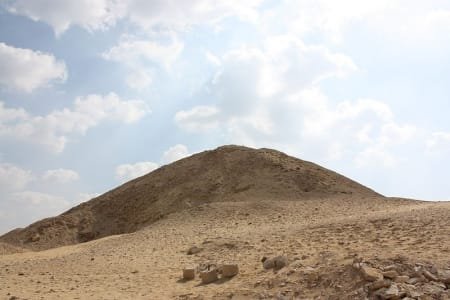
13. The Discovery of the Pyramidion: A Crowning Achievement
One of the most thrilling moments in the history of Dahshur’s exploration occurred in 1900, when archaeologists unearthed the original pyramidion, or capstone, of the Black Pyramid. This discovery was revolutionary, as very few intact pyramidions have survived the ravages of time and tomb robbers. Carved from a single block of dense, dark basalt, the capstone was once the highest point of Amenemhat III’s monument, designed to catch the first rays of the sun and reflect them across the necropolis. What makes this artifact so special is the breathtaking precision of its inscriptions. On each side, the winged sun disk—a symbol of the god Horus—spreads its wings over the royal titles of the King, while the hieroglyphs remain as sharp and clear as if they were carved yesterday. The text is a powerful prayer, asking for the King’s soul to "behold the sun" for eternity. For the visitor, seeing the pyramidion today (now in the Egyptian Museum) provides a vital link to the original grandeur of the site. It acts as a "blueprint in stone," showing the level of artistic perfection that the builders intended for the entire structure. While the mudbrick core of the pyramid may look weathered today, the basalt capstone proves that no expense was spared in its decoration. It reminds us that even in the face of structural challenges, the spiritual mission of the pyramid remained paramount. The pyramidion is the literal "point" of the King's ambition, a dark, polished jewel that was meant to connect the earth to the heavens. Understanding its symbolism allows you to look at the crumbling peak of the Black Pyramid and visualize it as it once was—a gleaming, white-cased mountain topped with a sacred, dark crown that defied the desert’s vastness.
14. The Groundwater Crisis: A Subterranean Barrier
A significant factor in the mystery and preservation of the Black Pyramid is the rising groundwater that has flooded its lower levels for centuries. Unlike the Red or Bent Pyramids, which stand on higher, drier bedrock, the Black Pyramid was built on a lower part of the Dahshur plateau. Over the millennia, changes in the Nile’s course and modern irrigation have caused the water table to rise, submerging the deepest chambers and the complex labyrinth of corridors. This water was both a curse and a blessing. On one hand, it made the interior structurally unstable and inaccessible to modern visitors, keeping many of its secrets submerged in darkness. On the other hand, the water acted as a natural deterrent to tomb robbers for centuries, potentially protecting undiscovered artifacts within its silt-filled passages. Archaeologists who explored the tomb in the early 20th century described a harrowing environment where they had to navigate knee-deep water and mud to reach the royal sarcophagi. For the traveler, the presence of this hidden water adds a layer of "lost world" mystery to the site. It makes the Black Pyramid feel like a sunken cathedral of stone, hidden beneath the desert sands. Modern efforts to pump the water out are delicate and costly, as removing the moisture too quickly could cause the ancient mudbricks to crumble. This ongoing struggle against the elements highlights the fragile nature of Egypt’s heritage. The Black Pyramid is a monument in a state of flux, a "living" ruin that continues to battle the same geological forces that plagued King Amenemhat III during its construction. It stands as a powerful reminder that history is often a race against time and nature, a silent sentinel waiting for the day its submerged secrets can finally be brought into the light.
15. The Legacy of Dahshur’s Dark Mountain
As your journey through the history of the Black Pyramid comes to a close, its legacy is best understood as a triumph of the human spirit over architectural failure. While it may not possess the geometric perfection of the Giza pyramids, its "broken" beauty tells a much more human story. It is a monument to a transition in Egyptian thought—a move toward complexity, family devotion, and a more realistic view of the afterlife. The Black Pyramid proves that the Pharaohs were not just builders of stone; they were dreamers who were willing to take risks and experiment with new materials and designs. Its jagged silhouette has become an iconic part of the Dahshur skyline, serving as a dark counterpoint to the limestone peaks of the Old Kingdom. For the global community, the Black Pyramid is a vital piece of the archaeological puzzle, representing the creative peak of the Middle Kingdom Renaissance. It teaches us that even when our grandest projects "sink" or fail to meet our original expectations, they can still achieve a form of immortality that we never imagined. The fascination people feel today when looking at its dark, crumbling walls is a testament to its enduring power. It has become a symbol of resilience, standing tall through four thousand years of wind, sand, and change. Leaving Dahshur, the image of the Black Pyramid remains in the heart as a reminder that there is majesty in struggle and beauty in the ruins. It is a place where the shadows are just as important as the light, and where the story of a Pharaoh’s "failed" pyramid has become one of the most compelling and hauntingly beautiful tales in the history of the world. It is, and will always be, the dark jewel of the desert.
16. The Aesthetics of Decay: A Photographer’s Muse
For the modern traveler and the visual storyteller, the Black Pyramid offers an aesthetic that is entirely unique among Egypt’s monuments: the beauty of raw, ancient decay. While the Great Pyramid of Giza is often photographed for its geometric perfection, the Black Pyramid is a masterpiece of texture and shadow. Its eroded mudbrick core creates a jagged, organic silhouette that looks more like a natural rock formation or a dark mountain than a man-made structure. This "ruined" look provides a dramatic contrast against the smooth, golden dunes of Dahshur, especially during the "blue hour" just after sunset when the dark stone absorbs the fading light. Photographers are drawn to the intricate patterns of the exposed bricks and the way the ancient cedar beams cast long, haunting shadows across the crevices of the structure. There is a sense of "romantic ruin" here that recalls the sketches of 19th-century explorers like David Roberts. Unlike the polished tourist sites, the Black Pyramid feels wild and untamed. It challenges the viewer to find beauty in imperfection and to appreciate the slow, relentless power of time. Capturing its dark peak against a clear Saharan sky offers a powerful visual metaphor for the transience of human empires. For anyone looking to go beyond the typical "postcard" shots of Egypt, the Black Pyramid is an essential subject. It is a monument that does not demand to be seen as it was, but invites you to marvel at what it has become—a hauntingly beautiful sentinel that has traded its limestone skin for a soul of dark, weathered earth.
17. The Middle Kingdom’s Lasting Impact on Modern Architecture
The innovative, though troubled, design of the Black Pyramid left an indelible mark on the history of architecture that resonates even today. By experimenting with a mudbrick core and a complex internal labyrinth, the architects of Amenemhat III proved that large-scale structures could be built with more flexible, local materials, paving the way for the grand temples of the New Kingdom. The "labyrinth" concept itself, which reached its peak in Amenemhat III’s second pyramid complex at Hawara, became a legendary motif in Greek and Roman literature, inspiring the myths of Minos and Daedalus. This shift toward internal complexity—creating a "city within a stone"—was a precursor to modern ideas of multifunctional spaces and high-security design. Architects and historians today look at the Black Pyramid as a crucial case study in structural load-bearing and soil mechanics. The "failure" of the pyramid due to the moist clay foundation is taught in engineering circles as an early lesson in site selection and geological surveying. In a way, the Black Pyramid is the world’s oldest "technical manual" written in stone and mud. For the traveler, understanding this intellectual legacy adds a layer of respect to the visit. You are not just looking at a pile of bricks; you are looking at the ancestor of the complex architectural systems we use today. It is a monument to the scientific method—the idea that through trial, error, and the courage to innovate, humanity moves forward. The Black Pyramid is a dark, towering reminder that every great success in human history is built upon the lessons learned from the "beautiful failures" of the past.
18. Farewell to Dahshur: Carrying the Silence Home
As you conclude your journey through the Dahshur necropolis and turn your back on the brooding silhouette of the Black Pyramid, you carry with you something far more valuable than photographs: a sense of the eternal silence. This district, with its "Bent," "Red," and "Black" peaks, is a rare corner of the world where the ancient past still feels present and undisturbed. The Black Pyramid, in particular, stays in the mind as a symbol of the "other" Egypt—the one that is mysterious, experimental, and deeply human. It is a site that rewards those who seek depth over spectacle and silence over noise. Leaving the desert, the contrast between the dark mudbrick ruins and the bustling, modern streets of Cairo can be jarring, but it serves to highlight the incredible resilience of the Pharaohs' vision. You have walked where kings and queens sought to defy death, and you have seen the scars of their struggle. The lesson of the Black Pyramid is one of grace in the face of gravity; it teaches us that even when our grandest plans "sink," they can still leave a mark on the world that lasts for thousands of years. As you plan your next adventure, the memory of the dark mountain in the desert will remain a quiet anchor, reminding you of the power of persistence and the beauty found in the shadows of history. Dahshur is not just a destination; it is a state of mind—a place where the wind, the sand, and the stone speak a language of immortality. Carrying that silence home with you is the true gift of the Black Pyramid, a dark jewel that will continue to shine in your memory forever.