

- Excursions in Egypt
- Egypt Tour Packages
- Cairo Tours and Excursions
- Hurghada Tours and Excursions
- Soma Bay Tours and Excursions
- Makadi Bay Tours and Excursions
- Sahl Hasheesh Tours and Excursions
- El Gouna Tours and Excursions
- Marsa Alam Tours and Excursions
- Port Ghalib Tours and Excursions
- El Quseir Tours and Excursions
- Dendera and Abydos Day Tours
- Aswan Tours and Excursions
- Luxor Tours and Excursions
- Sharm El Sheikh Tours and Excursions
- Top Rated Egypt Tours in 2026
- Optional Excursions in Egypt
- Private Transfer
- Blogs About egypt
- Ancient Egypt
- Historical Sites in Egypt
- Cairo
- Alexandria
- Luxor
- Aswan
- The Red Sea
- Dendera Temple
- El Fayoum Oasis
- Bahariya Oasis
- Siwa Oasis
- Al Alamein
- Marsa Matruh
- Why Egypt Is One of the Safest Countries to Visit in the Middle East
- What You Need To know Before Your First Trip To Egypt
- Egypt Travel Costs in 2026 Full Budget Guide
- Top 10 Tourist Activities in Egypt
- Top 50 Activities You Can’t Miss in Egypt in 2026
- The Guide to Guided Tours in Egypt
- Egypt’s Ancient and Modern History
- The Nile River
- The Deserts of Egypt
- Ancient Egyptian gods
- famous Egyptian dishes
- UNESCO World Heritage sites
- About Us
- Egypt Hotels and Resorts
- Excursions in Egypt
- Egypt Tour Packages
- Cairo Tours and Excursions
- Hurghada Tours and Excursions
- Soma Bay Tours and Excursions
- Makadi Bay Tours and Excursions
- Sahl Hasheesh Tours and Excursions
- El Gouna Tours and Excursions
- Marsa Alam Tours and Excursions
- Port Ghalib Tours and Excursions
- El Quseir Tours and Excursions
- Dendera and Abydos Day Tours
- Aswan Tours and Excursions
- Luxor Tours and Excursions
- Sharm El Sheikh Tours and Excursions
- Top Rated Egypt Tours in 2026
- Optional Excursions in Egypt
- Private Transfer
- Blogs About egypt
- Ancient Egypt
- Historical Sites in Egypt
- Cairo
- Alexandria
- Luxor
- Aswan
- The Red Sea
- Dendera Temple
- El Fayoum Oasis
- Bahariya Oasis
- Siwa Oasis
- Al Alamein
- Marsa Matruh
- Why Egypt Is One of the Safest Countries to Visit in the Middle East
- What You Need To know Before Your First Trip To Egypt
- Egypt Travel Costs in 2026 Full Budget Guide
- Top 10 Tourist Activities in Egypt
- Top 50 Activities You Can’t Miss in Egypt in 2026
- The Guide to Guided Tours in Egypt
- Egypt’s Ancient and Modern History
- The Nile River
- The Deserts of Egypt
- Ancient Egyptian gods
- famous Egyptian dishes
- UNESCO World Heritage sites
- About Us
- Egypt Hotels and Resorts
Welcome to
Nubian Villages: Where Color, Culture, and the Soul of the Nile Come Alive
If the temples of ancient Egypt tell the story of gods and kings, then the Nubian Villages reveal the living soul of a people whose history flows as deeply as the Nile River itself. Nestled along the banks and islands near Aswan, these vibrant communities are far more than picturesque destinations—they are a cultural treasure where tradition, identity, and daily life blend into a timeless experience. Here, the rhythm of life is slower, warmer, and deeply connected to the land and water that have sustained Nubian civilization for thousands of years.
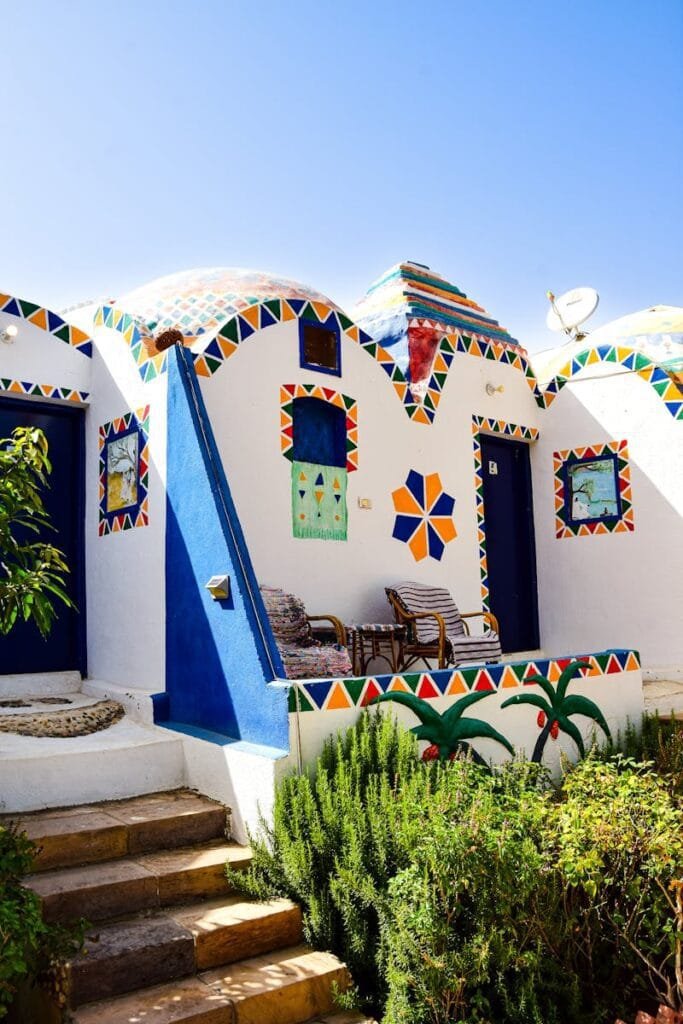
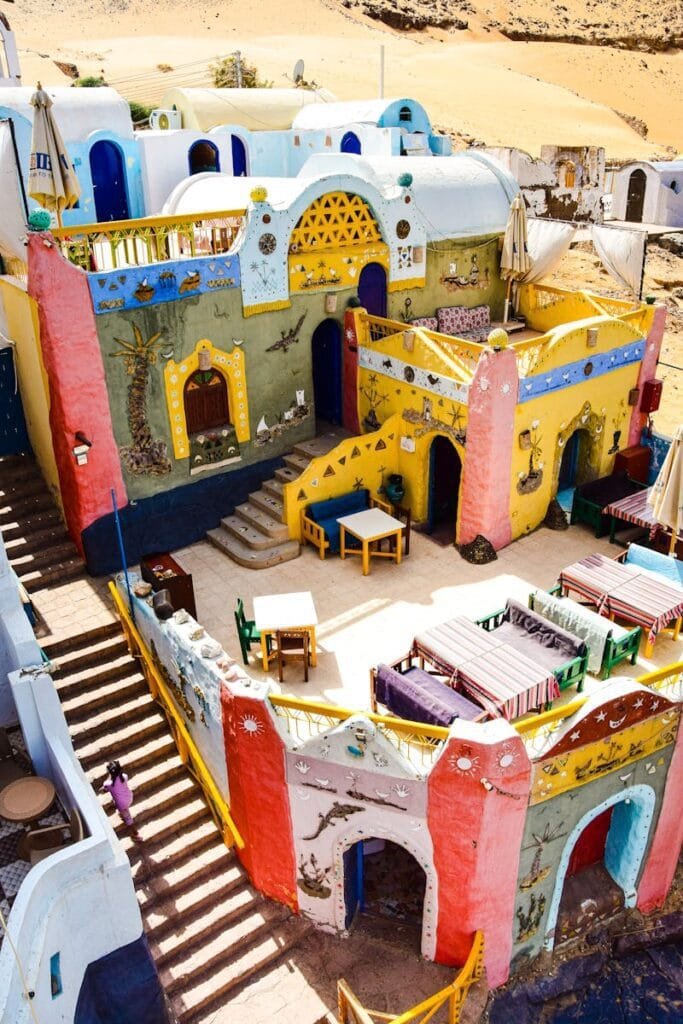
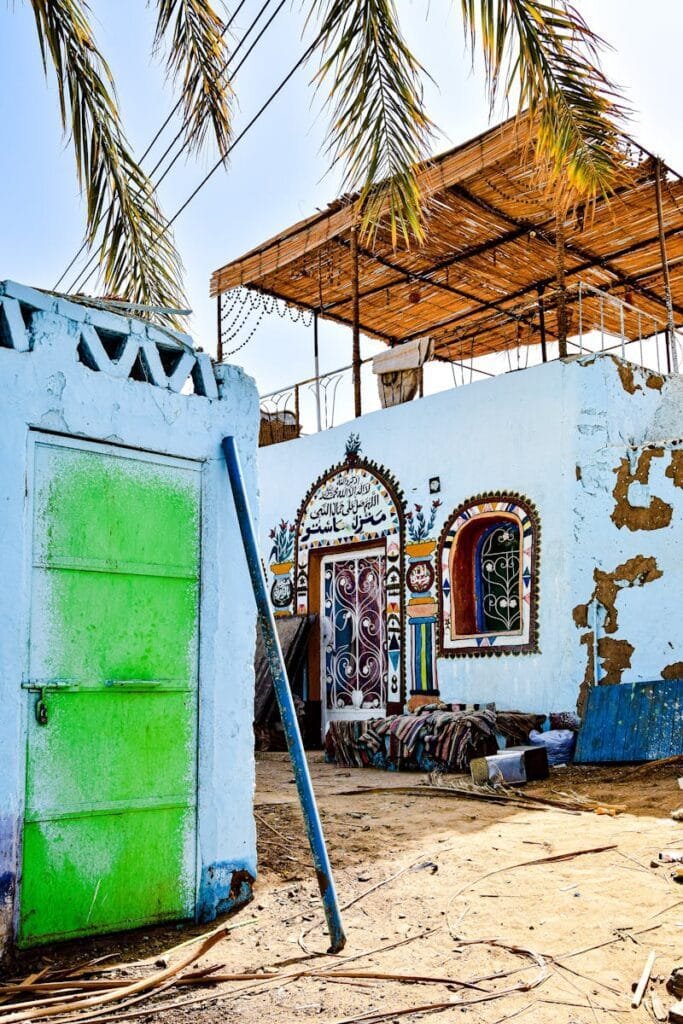
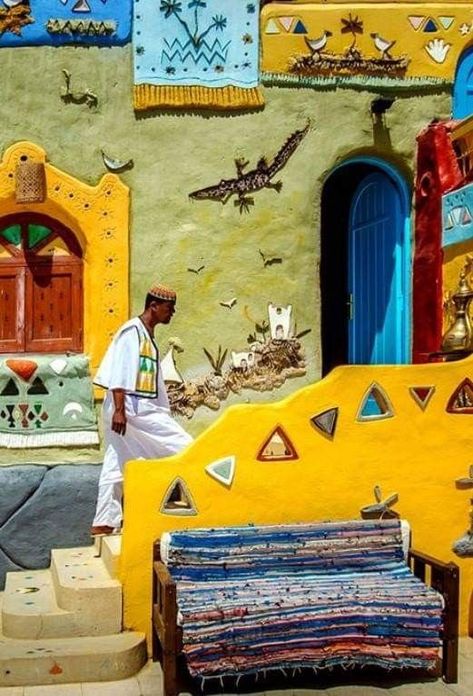
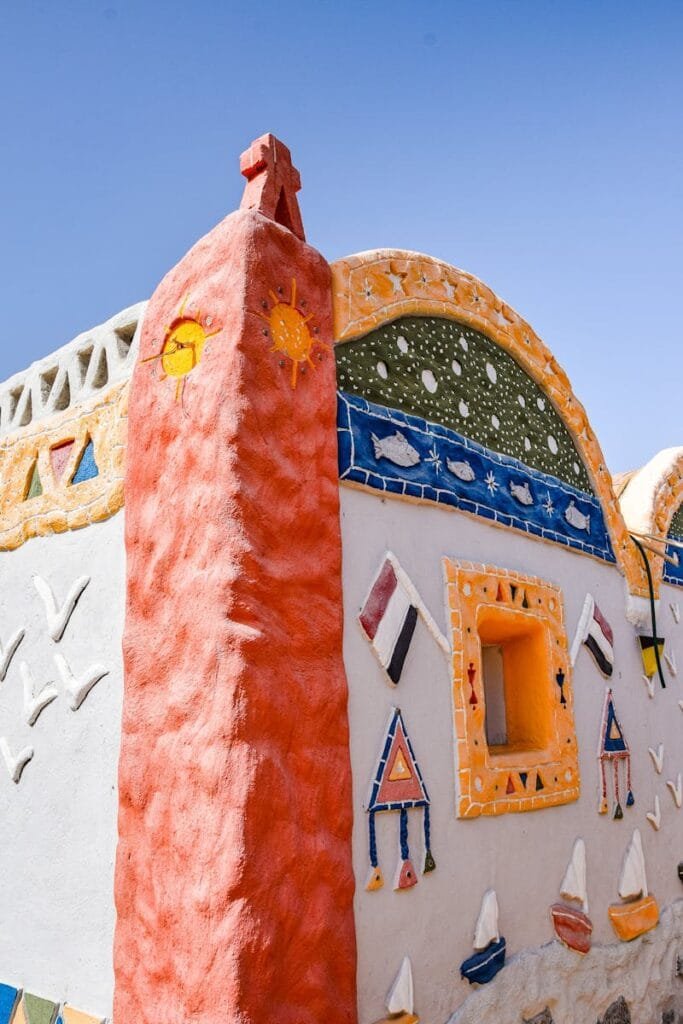
Unlike the monumental stone structures that define much of Egypt’s ancient legacy, Nubian villages are alive with color, sound, and human connection. Houses painted in brilliant shades of blue, yellow, and orange line narrow pathways, each wall decorated with symbols, patterns, and stories passed down through generations. The architecture reflects a harmony with nature—domed roofs, open courtyards, and carefully designed spaces that provide comfort in the desert climate while preserving a distinct cultural identity.
Yet, beneath their beauty lies a powerful story of resilience. The modern history of the Nubian people is closely tied to the construction of the Aswan High Dam, which led to the displacement of entire communities and the transformation of their ancestral lands into Lake Nasser. Despite this profound change, Nubian culture has not only survived—it has flourished, maintaining its language, music, customs, and deep-rooted hospitality. In these villages, visitors do not simply observe history—they step into a living culture that continues to thrive along the eternal Nile.

1. Aswan: The Gateway to Nubia and the Rhythm of the Nile
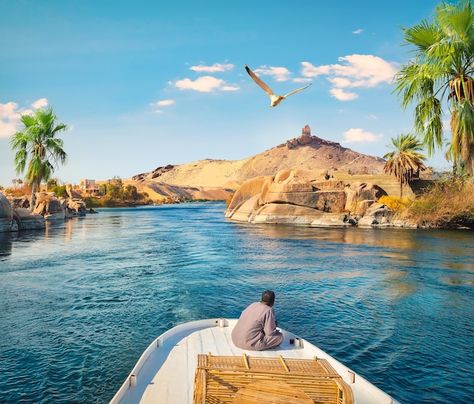
The journey into the Nubian Villages begins in Aswan, a city where the character of Egypt subtly shifts and the spirit of Nubia becomes unmistakable. Situated along the timeless flow of the Nile River, Aswan has long served as the cultural and geographical gateway to Nubian lands. Unlike the monumental grandeur of northern cities, Aswan offers a softer, more intimate atmosphere, where palm trees sway gently along the riverbanks and the pace of life follows the calm rhythm of the water. From here, visitors embark on a journey not just across distance, but across identity. The Nile itself becomes the pathway into Nubian culture, carrying travelers by traditional boats toward villages that seem untouched by time. As the city fades into the background, the landscape transforms—granite rocks rise from the water, small islands appear like scattered jewels, and the colors of Nubian homes begin to emerge in the distance. This transition is not merely visual; it is deeply emotional, marking the entrance into a world where heritage and daily life are inseparable. Aswan is more than a starting point—it is a bridge between ancient Egypt and living culture. It connects the grand narratives of temples and monuments with the human stories found in Nubian communities. In this way, the journey to the villages begins long before arrival, unfolding with every ripple of the Nile and every shift in the landscape.
2. A Living Culture: The Identity of the Nubian People
At the heart of the Nubian Villages lies a culture that is not preserved behind museum glass, but lived and breathed every day. The Nubian people possess a rich and distinct identity that sets them apart within Egypt, rooted in a history that predates even the pharaohs. Their traditions, language, and customs have been passed down through generations, creating a vibrant cultural continuity that remains remarkably intact despite the passage of time. Music and storytelling are central to Nubian life, serving as both entertainment and a means of preserving history. Rhythmic drums, melodic songs, and communal celebrations reflect a deep connection to heritage, where every performance carries echoes of the past. Family and community bonds are equally important, shaping a way of life centered on hospitality, generosity, and mutual support. Visitors often find themselves welcomed not as outsiders, but as honored guests, invited to share in meals, conversations, and traditions. This living culture is what makes Nubian villages so unique. Unlike ancient ruins that speak only through stone, these communities offer a direct, human connection to history. They provide an opportunity to experience a culture that continues to evolve while remaining deeply rooted in its origins, creating a powerful sense of authenticity that cannot be replicated elsewhere.

3. Architecture of Color: The Artistic Soul of Nubian Homes
One of the most striking features of the Nubian Villages is their extraordinary architecture—an explosion of color and creativity that transforms everyday life into a living work of art. Unlike the monumental stone structures found elsewhere in Egypt, Nubian homes are built from mud brick and designed with both practicality and beauty in mind. Their domed roofs and thick walls provide natural cooling, perfectly adapted to the desert climate along the Nile River. What truly sets these homes apart, however, is their decoration. Every wall becomes a canvas, painted in vivid shades of blue, turquoise, yellow, and pink, often adorned with intricate patterns, geometric designs, and symbolic motifs. Crocodile figures, palm trees, and traditional Nubian symbols frequently appear, each carrying cultural or spiritual meaning. These artistic expressions are not merely decorative—they are a reflection of identity, storytelling, and personal pride. Walking through the narrow lanes of a Nubian village feels like stepping into an open-air gallery, where every house tells its own story. The harmony between architecture and environment, combined with the creativity of its people, creates a visual experience unlike anywhere else in Egypt. It is a place where art is not confined to museums, but woven into the fabric of daily life, turning entire villages into vibrant expressions of culture and heritage.
4. The Nile Experience: Journey by Felucca to Nubian Life
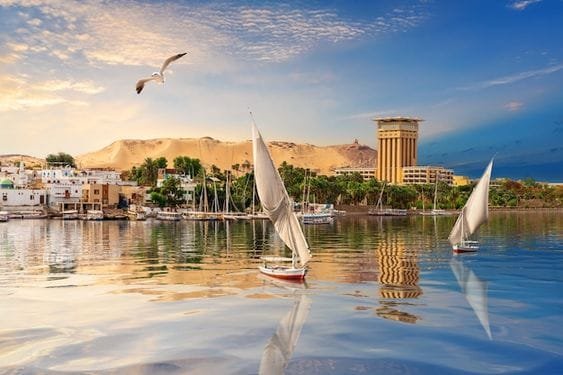
Reaching the Nubian Villages is not just about the destination—it is about the journey itself along the timeless waters of the Nile River. One of the most authentic and enchanting ways to arrive is by traditional felucca, a wooden sailing boat that has navigated these currents for centuries. As the sail catches the wind and the boat glides silently across the water, the modern world seems to fade away, replaced by a sense of calm that echoes ancient rhythms. The journey offers breathtaking views of granite islands, palm-fringed shores, and the golden hues of the desert landscape. Along the way, life unfolds naturally—fishermen casting their nets, children playing along the riverbanks, and birds soaring above the tranquil scene. It is a moment of connection, where the traveler becomes part of the landscape rather than just an observer. By the time the colorful houses of the Nubian villages come into view, the experience already feels transformative. The gentle pace of the felucca journey prepares visitors for what lies ahead—a world where time slows down and the simple beauty of life takes center stage.
5. Nubian Hospitality: A Warm Welcome Beyond Expectations
One of the most unforgettable aspects of visiting the Nubian Villages is the genuine warmth and hospitality of the people. In these communities, welcoming guests is not merely a custom—it is a deeply rooted tradition that reflects the values of generosity and human connection. Visitors are often greeted with smiles, invited into homes, and offered traditional drinks or meals as a sign of respect and friendship. This hospitality creates an atmosphere that feels both intimate and authentic. Conversations flow easily, even across language barriers, as gestures, laughter, and shared moments build connections that transcend words. Guests may find themselves sitting in colorful courtyards, surrounded by hand-painted walls, listening to stories about daily life, traditions, and family history. What makes this experience truly special is its sincerity. Unlike commercialized tourist encounters, Nubian hospitality feels personal and heartfelt. It transforms a simple visit into a meaningful exchange, leaving travelers with memories that go far beyond photographs—a reminder that the true essence of travel lies in human connection.

6. Tradition and Change: The Impact of Modern History
While the Nubian Villages are rich in tradition, their modern history is marked by profound change. The construction of the Aswan High Dam in the 20th century led to the creation of Lake Nasser, submerging large areas of ancestral Nubian land. Entire communities were relocated, and a way of life that had existed for generations was fundamentally altered. Despite this displacement, Nubian culture has demonstrated remarkable resilience. Communities rebuilt their homes, adapted to new environments, and continued to preserve their traditions, language, and identity. This ability to maintain cultural continuity in the face of change is a defining characteristic of Nubian life. Today, the villages stand as both a celebration of heritage and a testament to endurance. They tell a story not only of beauty and tradition, but of strength and adaptation. Visitors who explore these communities gain a deeper understanding of how history shapes culture—and how culture, in turn, survives and evolves through time.

7. Music and Celebration: The Rhythmic Heart of Nubian Culture
In the Nubian Villages, music is not simply entertainment—it is the heartbeat of daily life and a powerful expression of identity. From the moment visitors arrive, they are often welcomed by rhythmic drumming, melodic singing, and the unmistakable sound of traditional instruments that carry centuries of cultural memory. These performances are deeply rooted in Nubian heritage, where music serves as a bridge between generations, preserving stories, emotions, and shared experiences. Celebrations in Nubian communities are vibrant and communal, often involving dancing, clapping, and collective participation. Whether it is a wedding, a family gathering, or a simple evening by the Nile River, music brings people together in a way that feels both natural and deeply meaningful. The rhythms are infectious, inviting visitors not just to watch, but to join in and become part of the moment. What makes Nubian music so powerful is its authenticity. It is not performed for an audience—it is lived. Every beat of the drum and every note of the song reflects a culture that values joy, connection, and expression, creating an atmosphere that stays with visitors long after they leave.
8. Local Crafts and Markets: Artistry Rooted in Tradition
The artistic spirit of the Nubian Villages extends beyond architecture into a rich tradition of craftsmanship. Local markets and small home-based workshops showcase handmade goods that reflect both cultural identity and creative expression. From intricately beaded jewelry and handwoven textiles to painted ceramics and decorative items, each piece carries the imprint of generations of skill and tradition. These crafts are more than souvenirs—they are stories in physical form. Patterns, colors, and materials often hold symbolic meaning, representing elements of nature, spirituality, or daily life along the Nile River. Visitors who take the time to explore these markets often gain insight into the cultural significance behind each creation, turning a simple purchase into a meaningful connection with Nubian heritage. Engaging with local artisans adds another layer to the experience. Many are eager to share the techniques and history behind their work, offering a glimpse into the creative process. This interaction transforms shopping into cultural exchange, making it one of the most enriching aspects of visiting the villages.

9. The Nubian Museum: Preserving a Legacy
For those seeking a deeper understanding of Nubian history, the Nubian Museum in Aswan serves as an essential complement to a visit to the villages. This modern museum is dedicated to preserving and showcasing the rich heritage of Nubian civilization, from ancient times to the present day. Its carefully curated exhibits provide context for the culture, traditions, and historical transformations that have shaped Nubian identity. Inside the museum, visitors encounter artifacts ranging from ancient statues and tools to photographs and reconstructions of traditional life. The displays highlight the impact of major events, including the construction of the Aswan High Dam, which led to the relocation of Nubian communities and the preservation efforts that followed. Through these exhibits, the story of Nubia is told not as a distant past, but as a living and evolving culture. The museum bridges the gap between history and experience, allowing visitors to connect what they see in the villages with a broader historical narrative. It deepens appreciation for the resilience and richness of Nubian culture, ensuring that its legacy continues to be understood and celebrated by future generations.
10. Nubian Cuisine: Flavors of the South
The Nubian Villages offer not only a visual and cultural experience but also a rich culinary journey rooted in tradition and simplicity. Nubian cuisine reflects the close relationship between the people and the land, drawing on fresh, local ingredients sourced from the banks of the Nile River. Meals are often prepared with care and shared communally, reinforcing the strong sense of family and hospitality that defines Nubian life. Traditional dishes typically include grilled fish freshly caught from the Nile, served alongside rice, bread, and a variety of flavorful vegetables. Spices are used with balance, enhancing the natural taste of the ingredients rather than overpowering them. Dates, hibiscus drinks, and homemade breads add a unique touch to the dining experience, offering visitors a taste of authentic Nubian flavors that cannot be found elsewhere. What makes Nubian cuisine truly special is the setting in which it is enjoyed. Meals are often served in open courtyards or along the riverbank, where the gentle breeze and the surrounding scenery create an atmosphere of calm and connection. Dining here is not just about food—it is about sharing, storytelling, and experiencing the warmth of a culture that welcomes every guest as family.

11. Wildlife and Nature: Life Along the Riverbanks
Beyond the vibrant colors and cultural richness of the Nubian Villages lies a natural world shaped by the life-giving presence of the Nile River. Along its banks, a narrow ribbon of greenery cuts through the surrounding desert, creating an environment where nature thrives in quiet harmony. Palm groves, cultivated fields, and native plants form a landscape that feels both fertile and fragile, sustained entirely by the steady flow of the river. This riverside ecosystem supports a diverse range of wildlife, particularly bird species that inhabit the calm waters and shaded banks. Visitors may spot herons standing gracefully at the water’s edge, kingfishers diving swiftly for their prey, and other birds gliding effortlessly across the sky. Beneath the surface, the Nile continues to support aquatic life that has sustained local communities for generations, reinforcing the deep connection between people and their environment. Spending time in this natural setting offers a peaceful contrast to the more crowded historical sites of Egypt. Whether walking along quiet paths, resting under the shade of palm trees, or watching the gentle movement of the river at sunset, visitors experience a sense of calm that feels timeless. In this tranquil landscape, the relationship between nature and daily life becomes clear, revealing another dimension of the enduring beauty that defines Nubian culture.

12. A Timeless Escape: Why Nubian Villages Leave a Lasting Impression
A visit to the Nubian Villages is more than a simple excursion—it is an immersion into a way of life that feels both timeless and deeply authentic. Unlike the grand temples and monuments that dominate much of Egypt’s tourism, these villages offer something more personal: a direct connection to living culture, human stories, and everyday traditions that continue to thrive along the Nile River. What makes this experience so memorable is its balance between beauty and meaning. The vibrant colors, welcoming people, and peaceful environment create an atmosphere that is both visually stunning and emotionally engaging. Visitors leave not only with photographs, but with a deeper understanding of a culture that has endured and evolved through centuries of change. In the end, the Nubian villages stand as a reminder that the true essence of Egypt is not found only in its ancient past, but also in its living present. They offer a rare opportunity to step beyond history and into a culture that continues to grow, adapt, and inspire—leaving a lasting impression that stays with every traveler long after the journey ends.
13. The Nubian Village Experience: A Journey Beyond Tourism
Visiting the Nubian Villages is far more than a typical tourist excursion—it is a deeply immersive cultural experience that goes beyond sightseeing. From the moment travelers arrive, they are not treated as distant observers but as welcomed guests, invited to step into a living world where traditions are still practiced and daily life unfolds with authenticity. The connection formed here is immediate and personal, shaped by genuine interactions and shared moments. Walking through the narrow, colorful streets, visitors encounter scenes that feel both simple and profound—children playing, families gathering in open courtyards, and artisans working with practiced skill. Every corner offers an opportunity to engage, to learn, and to understand a culture that values human connection above all else. Unlike many destinations where experiences feel curated, the villages offer something real and unfiltered, allowing travelers to connect with people rather than just places. This sense of authenticity is what makes the experience unforgettable. It transforms a visit into a memory rooted not in landmarks, but in emotions—warmth, curiosity, and a genuine appreciation for a way of life that continues to thrive along the Nile River. In this setting, tourism becomes something deeper: a bridge between cultures and a shared human experience.

14. Sustainability and Preservation: Protecting a Living Heritage
As interest in the Nubian Villages continues to grow, so too does the importance of preserving their unique cultural and environmental identity. Unlike ancient ruins that remain unchanged, these villages are living communities, constantly evolving while striving to maintain their traditions. Sustainable tourism has become essential in ensuring that this balance is preserved for future generations. Efforts to protect Nubian heritage focus on supporting local communities, encouraging responsible travel, and promoting cultural awareness. Visitors play a key role in this process by respecting traditions, engaging thoughtfully with residents, and choosing experiences that benefit the local economy. By doing so, tourism becomes a positive force—one that helps sustain rather than disrupt the cultural fabric of the villages. Preservation is not only about protecting buildings or landscapes; it is about safeguarding a way of life. The colors, music, language, and traditions of Nubian culture are all part of a living heritage that deserves to endure. In recognizing this, visitors contribute to a future where the beauty and authenticity of Nubian villages continue to inspire and connect people from around the world.

15. The Eternal Spirit of Nubia: A Legacy That Lives On
The Nubian Villages stand as a powerful reminder that culture is not confined to the past—it lives, evolves, and continues to shape the present. Along the banks of the Nile River, the spirit of Nubia endures through its people, its traditions, and its deep connection to the land. Despite the challenges of history, including displacement and change, this culture has remained vibrant and resilient, carrying its legacy forward with pride. What makes Nubia truly unique is its ability to balance continuity and transformation. While modern influences have reached these communities, they have not erased their identity. Instead, they have been woven into the fabric of daily life, creating a dynamic culture that honors its roots while embracing the future. This balance gives Nubian villages a timeless quality, where past and present coexist in harmony. In the end, the legacy of Nubia is not found in monuments or artifacts, but in people—in their stories, their traditions, and their enduring connection to the Nile. For every visitor, this realization leaves a lasting impression, transforming a simple journey into a meaningful encounter with one of the most authentic and enduring cultures in the world.
16. Sunset Magic: The Golden Hour Over the Nile
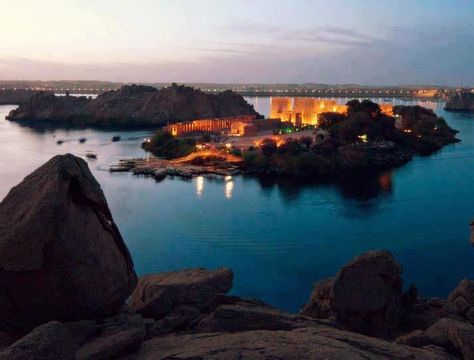
As the day draws to a close over the Nubian Villages, the landscape transforms into a breathtaking display of light and color. The setting sun casts a warm golden glow across the waters of the Nile River, reflecting off its surface like a moving mirror of fire and light. The brightly painted houses of the villages take on deeper, richer tones, while the surrounding palm trees sway gently in the evening breeze, creating a scene that feels almost dreamlike. This moment, often referred to as the “golden hour,” offers visitors a unique opportunity to experience the villages at their most serene and visually stunning. The sounds of the day begin to fade, replaced by a calm stillness that settles over the riverbanks. Boats glide silently across the water, and the sky gradually shifts from shades of orange and pink to deep blue, marking the gentle transition from day to night. For many travelers, this is the most memorable part of the visit. It is a time for reflection, where the beauty of the surroundings and the simplicity of life in the villages come together in perfect harmony. In these quiet moments, the true essence of Nubia reveals itself—not in grand monuments, but in the peaceful rhythm of nature and daily life.
17. A Cultural Bridge: Connecting Past and Present
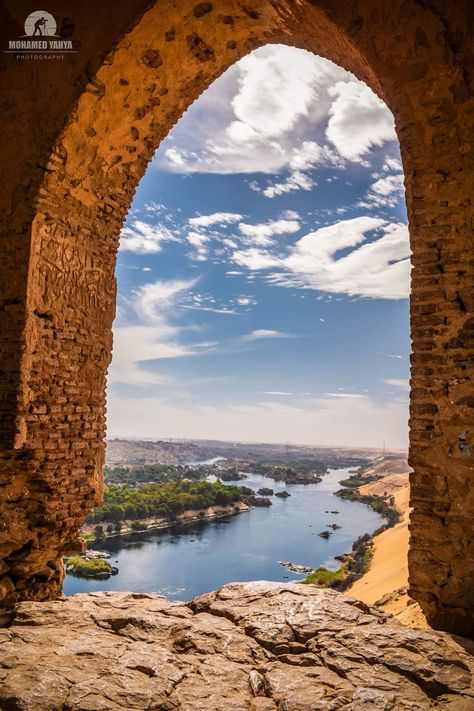
The Nubian Villages serve as a living bridge between ancient history and modern identity, connecting the deep roots of Nubian civilization with the realities of the present day. While Egypt is often celebrated for its ancient monuments, these villages offer a different perspective—one that highlights continuity rather than distance. Here, culture is not something preserved in the past, but something actively lived and experienced every day. The traditions, language, and customs of the Nubian people reflect a heritage that has endured for thousands of years, adapting to change while maintaining its core identity. This continuity creates a powerful sense of connection, allowing visitors to see how the past still influences the present. It is a reminder that history is not static—it evolves through people, communities, and shared experiences. In this way, the villages play an important role in shaping cultural understanding. They offer a space where visitors can engage with a living tradition, gaining insight into a culture that is both ancient and contemporary. This connection between past and present enriches the travel experience, turning it into a journey of discovery and deeper appreciation.
18. The Eternal Legacy: Why Nubian Villages Inspire the World
As the journey through the Nubian Villages comes to an end, what remains is not just a memory of beautiful places, but a lasting impression of a culture that continues to inspire. These villages represent more than a destination—they embody resilience, creativity, and the enduring power of human connection. Along the banks of the Nile River, the spirit of Nubia lives on, carried forward by the people who preserve and celebrate their heritage every day. What makes Nubian villages truly remarkable is their authenticity. In a world where many cultural experiences have become commercialized, these communities remain deeply rooted in tradition, offering something genuine and meaningful. Visitors leave not only with photographs, but with a deeper understanding of the values that define Nubian life—hospitality, community, and a profound respect for heritage. In the end, the legacy of Nubian villages is one of continuity and inspiration. They remind us that culture is not confined to history books or monuments—it is alive, evolving, and deeply human. For those who experience it, this journey becomes more than travel; it becomes a connection to a way of life that continues to thrive, leaving an imprint that lasts long after the journey has ended.
