

- Excursions in Egypt
- Egypt Tour Packages
- Cairo Tours and Excursions
- Hurghada Tours and Excursions
- Soma Bay Tours and Excursions
- Makadi Bay Tours and Excursions
- Sahl Hasheesh Tours and Excursions
- El Gouna Tours and Excursions
- Marsa Alam Tours and Excursions
- Port Ghalib Tours and Excursions
- El Quseir Tours and Excursions
- Dendera and Abydos Day Tours
- Aswan Tours and Excursions
- Luxor Tours and Excursions
- Sharm El Sheikh Tours and Excursions
- Top Rated Egypt Tours in 2026
- Optional Excursions in Egypt
- Private Transfer
- Blogs About egypt
- Ancient Egypt
- Historical Sites in Egypt
- Cairo
- Alexandria
- Luxor
- Aswan
- The Red Sea
- Dendera Temple
- El Fayoum Oasis
- Bahariya Oasis
- Siwa Oasis
- Al Alamein
- Marsa Matruh
- Why Egypt Is One of the Safest Countries to Visit in the Middle East
- What You Need To know Before Your First Trip To Egypt
- Egypt Travel Costs in 2026 Full Budget Guide
- Top 10 Tourist Activities in Egypt
- Top 50 Activities You Can’t Miss in Egypt in 2026
- The Guide to Guided Tours in Egypt
- Egypt’s Ancient and Modern History
- The Nile River
- The Deserts of Egypt
- Ancient Egyptian gods
- famous Egyptian dishes
- UNESCO World Heritage sites
- About Us
- Egypt Hotels and Resorts
- Excursions in Egypt
- Egypt Tour Packages
- Cairo Tours and Excursions
- Hurghada Tours and Excursions
- Soma Bay Tours and Excursions
- Makadi Bay Tours and Excursions
- Sahl Hasheesh Tours and Excursions
- El Gouna Tours and Excursions
- Marsa Alam Tours and Excursions
- Port Ghalib Tours and Excursions
- El Quseir Tours and Excursions
- Dendera and Abydos Day Tours
- Aswan Tours and Excursions
- Luxor Tours and Excursions
- Sharm El Sheikh Tours and Excursions
- Top Rated Egypt Tours in 2026
- Optional Excursions in Egypt
- Private Transfer
- Blogs About egypt
- Ancient Egypt
- Historical Sites in Egypt
- Cairo
- Alexandria
- Luxor
- Aswan
- The Red Sea
- Dendera Temple
- El Fayoum Oasis
- Bahariya Oasis
- Siwa Oasis
- Al Alamein
- Marsa Matruh
- Why Egypt Is One of the Safest Countries to Visit in the Middle East
- What You Need To know Before Your First Trip To Egypt
- Egypt Travel Costs in 2026 Full Budget Guide
- Top 10 Tourist Activities in Egypt
- Top 50 Activities You Can’t Miss in Egypt in 2026
- The Guide to Guided Tours in Egypt
- Egypt’s Ancient and Modern History
- The Nile River
- The Deserts of Egypt
- Ancient Egyptian gods
- famous Egyptian dishes
- UNESCO World Heritage sites
- About Us
- Egypt Hotels and Resorts
Welcome to
Aswan: Where the Nile Flows Through Timeless Beauty
At the southern edge of Egypt, where the desert’s golden silence meets the calm, flowing waters of the Nile, lies the captivating city of Aswan. Known for its peaceful atmosphere and breathtaking scenery, Aswan offers a completely different experience from the grandeur of Luxor. Here, life moves at a slower rhythm, guided by the gentle currents of the river and the warmth of the southern sun. It is a place where history is not overwhelming, but beautifully woven into the landscape, creating a sense of balance between the past and the present.
For thousands of years, Aswan has served as a vital gateway between Egypt and the African continent. Its strategic location made it a center for trade, culture, and communication, where goods such as gold, ivory, and precious stones passed through on their journey along the Nile. This long history of exchange has given the city a rich cultural identity, blending ancient Egyptian traditions with strong Nubian influences that are still visible today in the architecture, language, and daily life of its people.
Beyond its historical importance, Aswan is celebrated for its natural beauty. The Nile flows here with remarkable tranquility, surrounded by lush islands and striking granite rocks that reflect the sunlight in shades of gold and blue. Traditional feluccas glide across the water, offering a peaceful way to experience the river just as people have done for centuries. With its unique charm, relaxed atmosphere, and stunning landscapes, Aswan is more than a destination—it is a timeless experience that invites visitors to slow down and connect with the true spirit of Egypt.

1. Aswan’s Strategic Importance: The Southern Gate of Ancient Egypt
Throughout ancient history, Aswan held a position of exceptional strategic importance as Egypt’s southern frontier and its primary gateway to the African continent. Known in antiquity as Swenett, the city marked the natural boundary between Egypt and Nubia, making it a vital hub for trade, diplomacy, and military activity. Its location along the Nile allowed it to control the movement of people, goods, and resources, establishing it as one of the most influential urban centers in Upper Egypt. Aswan’s significance was closely tied to its role as a center of international trade. Merchant caravans and river expeditions transported valuable commodities such as gold, ivory, ebony, and exotic animals from the southern regions into the heart of Egypt. These goods played a crucial role in strengthening the economy and enhancing Egypt’s reputation as a powerful and wealthy civilization. The continuous exchange of resources also encouraged cultural interaction, blending Egyptian traditions with Nubian influences and creating a distinctive regional identity. In addition to its economic importance, Aswan served as a key location for military control and border protection. Fortifications were established to secure Egypt’s southern borders and maintain stability in a region that was both strategically sensitive and economically valuable. This combination of trade, cultural exchange, and military strength made Aswan a cornerstone in the development of ancient Egypt, leaving behind a legacy that continues to define its historical and cultural significance today.

2. The High Dam: Engineering Power and Modern Transformation
One of the most significant landmarks in Aswan is the Aswan High Dam, a modern engineering marvel that transformed the relationship between Egypt and the Nile. Completed in the 20th century, the dam was designed to control flooding, generate hydroelectric power, and support agricultural development across the country. Its construction marked a turning point in Egypt’s modern history, symbolizing progress, innovation, and national ambition. Before the dam was built, the Nile’s annual flooding was both a blessing and a challenge. While it provided fertile soil for farming, it could also cause destruction and unpredictability. The Aswan High Dam brought stability by regulating water flow, ensuring a consistent supply for irrigation and reducing the risk of flooding. This allowed for year-round agriculture and contributed significantly to Egypt’s economic growth. However, the construction of the Aswan High Dam also led to major cultural and environmental changes. The creation of Lake Nasser, one of the largest artificial lakes in the world, required the relocation of entire communities and the rescue of important archaeological sites. Despite these challenges, the dam remains a powerful symbol of modern engineering and continues to play a crucial role in supporting life in Egypt today.

3. Philae Temple: A Sanctuary of Isis on the Nile
Among the most enchanting sites in Aswan is the magnificent Philae Temple, a sacred complex dedicated to the goddess Isis. Located on an island in the Nile, this temple is renowned for its beauty, elegance, and spiritual significance. It was one of the last strongholds of ancient Egyptian religion, remaining active even during the Greco-Roman period. The temple’s architecture is a blend of Egyptian and classical influences, reflecting the cultural transitions that took place during its construction. Visitors approach the site by boat, adding to the sense of mystery and anticipation as the temple gradually appears on the horizon. Its columns, reliefs, and courtyards are richly decorated with scenes that depict the mythology of Isis and her role as a protective and nurturing deity. The history of Philae is also closely connected to modern preservation efforts. When the Aswan High Dam was built, the temple faced the threat of submersion. In an extraordinary international effort led by UNESCO, the entire complex was carefully dismantled and relocated to a nearby island. Today, it stands as both an ancient sanctuary and a symbol of global cooperation in protecting cultural heritage.
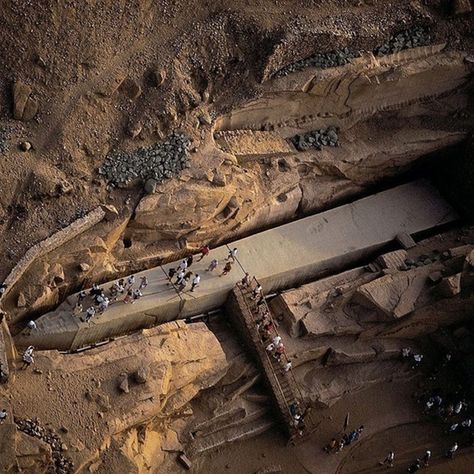
4. The Unfinished Obelisk: A Glimpse into Ancient Engineering
Among the most fascinating archaeological sites in Aswan is the Unfinished Obelisk, a remarkable monument that offers a rare insight into ancient Egyptian engineering techniques. Carved directly from the bedrock of a granite quarry, this massive obelisk was intended to be the largest ever created, measuring over forty meters in length. However, a crack in the stone forced ancient workers to abandon the project, leaving it partially attached to the bedrock. The unfinished state of the obelisk provides valuable evidence of how these monumental structures were created. Tool marks left by workers are still visible, revealing the use of dolerite stones to carve and shape the granite. This hands-on evidence allows historians and archaeologists to better understand the labor, precision, and organization required to produce such enormous monuments. It also highlights the challenges faced by ancient builders when working with materials of such scale and hardness. Today, the Unfinished Obelisk stands as an open-air workshop frozen in time. It offers visitors a unique opportunity to witness the process behind one of ancient Egypt’s most iconic architectural elements. More than just a failed project, it is a powerful testament to the ambition and technical skill of a civilization that pushed the limits of engineering thousands of years ago.

5. Nubian Culture: Living Traditions Along the Nile
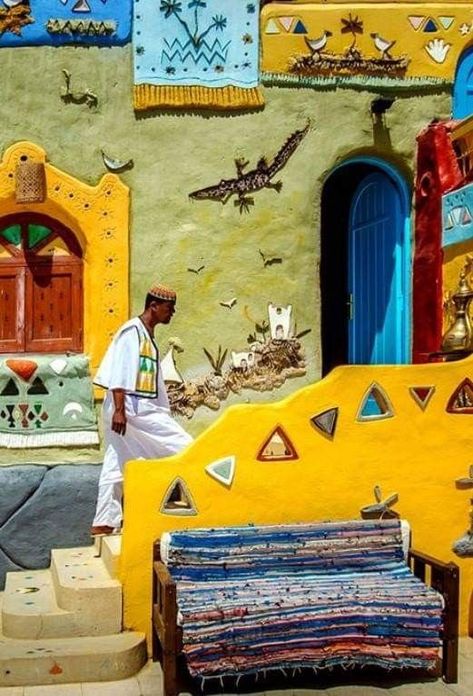
One of the most distinctive aspects of Aswan is its rich Nubian heritage, which continues to shape the cultural identity of the region. The Nubians are among the oldest indigenous peoples of the Nile Valley, with traditions, language, and customs that date back thousands of years. Despite historical challenges, including displacement during the construction of the Aswan High Dam, Nubian communities have preserved their unique culture and way of life. Nubian villages, often located along the riverbanks and islands of the Nile, are known for their vibrant colors and welcoming atmosphere. Houses are painted in bright shades of blue, yellow, and white, often decorated with traditional symbols and patterns. Visitors to these villages can experience authentic Nubian hospitality, enjoy local cuisine, and learn about customs that have been passed down through generations. Music, dance, and storytelling play an essential role in Nubian culture, reflecting a deep connection to both history and community. These traditions are not only a source of pride but also a living link to the past. Exploring Nubian culture in Aswan offers a unique opportunity to experience a different dimension of Egypt, one that goes beyond ancient monuments and reveals the richness of its human heritage.

6. Elephantine Island: The Ancient Heart of Aswan
Located in the middle of the Nile, the historic Elephantine Island represents one of the oldest inhabited areas in Aswan. This island served as an important administrative and military center in ancient times, controlling trade routes and acting as a strategic link between Egypt and Nubia. Its location made it a key observation point for monitoring river traffic and protecting the southern border of the Egyptian state. Archaeological remains on the island reveal a long history of settlement, including temples, houses, and fortifications that date back to different periods of Egyptian history. Among the most notable structures are the ruins of temples dedicated to Khnum, the ram-headed god associated with the Nile’s source and fertility. These remains provide valuable insight into the religious and daily life of the people who lived here thousands of years ago. Today, Elephantine Island offers a peaceful escape from the busy parts of the city. Its combination of historical significance and natural beauty makes it a unique destination for visitors seeking both relaxation and exploration. Walking through its ruins and along its riverbanks allows travelers to experience the layers of history that have shaped Aswan into the remarkable city it is today.
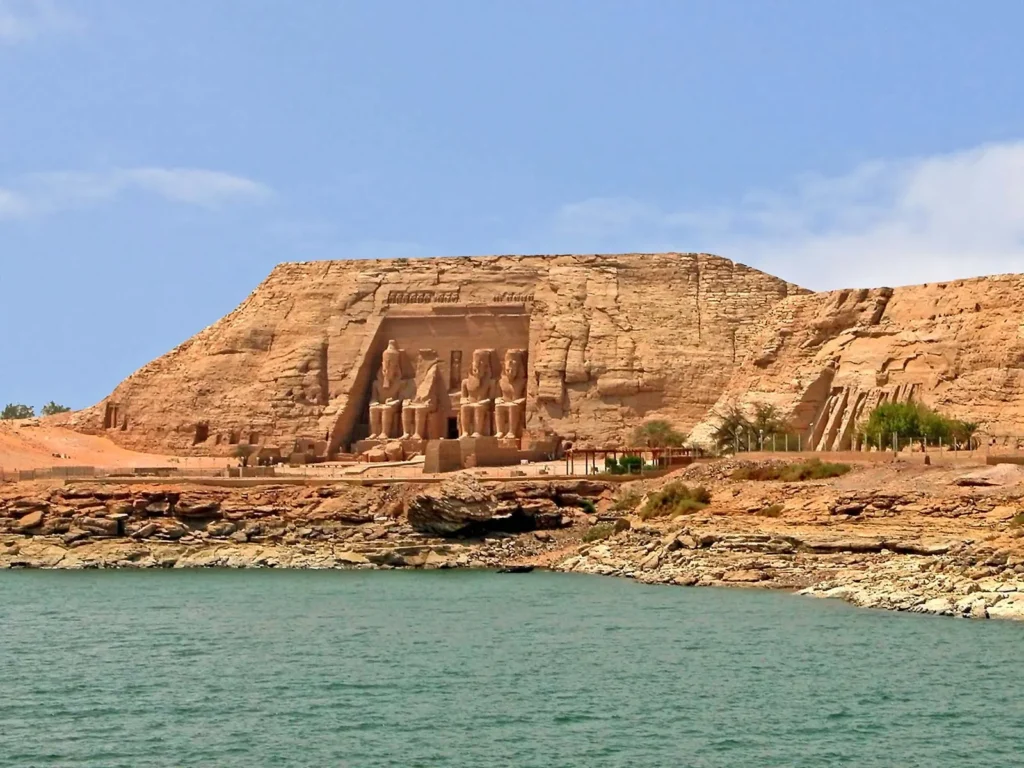
7. Abu Simbel: Monumental Power Carved in Stone
One of the most extraordinary sites connected to Aswan is the magnificent Abu Simbel Temples, a symbol of ancient power and artistic mastery. Carved directly into a mountainside during the reign of Ramesses II, these temples were designed to impress, intimidate, and immortalize the legacy of one of Egypt’s greatest rulers. The massive statues guarding the entrance rise dramatically above the desert, creating a breathtaking visual statement of authority and divinity. The Great Temple is dedicated to the gods Amun, Ra-Horakhty, and Ptah, as well as to Ramesses himself, reflecting the pharaoh’s divine status. Inside, the temple is adorned with intricate carvings that depict military victories, religious ceremonies, and scenes of royal power. One of its most remarkable features is the solar alignment, where sunlight penetrates the inner sanctuary twice a year, illuminating the statues of the gods in a precise and symbolic display of cosmic harmony. Like many monuments in the Aswan region, Abu Simbel faced the threat of submersion after the construction of the High Dam. In a remarkable international effort led by UNESCO, the entire complex was carefully dismantled and relocated to higher ground. Today, it stands not only as a masterpiece of ancient engineering but also as a testament to modern preservation and global cooperation.
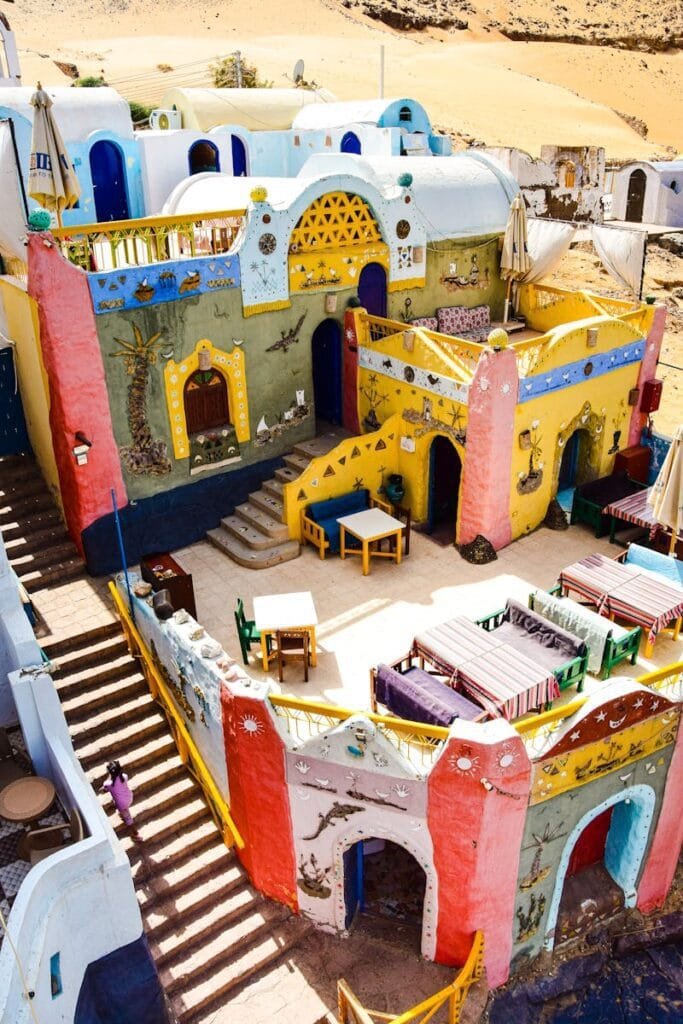
8. Nubian Villages: Colorful Life Along the River
Beyond its ancient monuments, Aswan is home to vibrant Nubian communities that bring life and color to the banks of the Nile. These villages, often located on islands and along the river’s edge, offer a completely different perspective on Egyptian culture. Their brightly painted houses, decorated with traditional symbols and patterns, create a visually stunning contrast against the natural tones of the desert landscape. The people of these villages are known for their warmth and hospitality, welcoming visitors into their homes and sharing stories of their heritage. Nubian culture is rich in music, dance, and oral traditions, reflecting a deep connection to history and community. Visitors can enjoy traditional meals, listen to local songs, and learn about customs that have been preserved for generations despite the challenges of displacement and modernization. Exploring Nubian villages provides a more personal and authentic experience of Aswan. It allows travelers to move beyond historical monuments and connect with living traditions that continue to shape the identity of the region. This cultural immersion adds depth to any visit, offering a meaningful and unforgettable journey into the human side of Egypt.
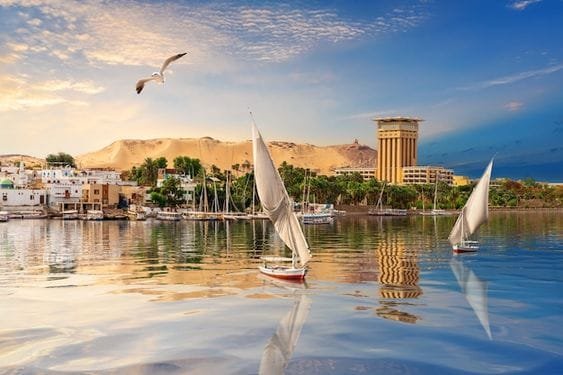
9. A Felucca Ride: Experiencing the Nile’s Timeless Rhythm
One of the most peaceful and memorable experiences in Aswan is a journey aboard a traditional felucca, a wooden sailboat that has been used on the Nile for centuries. Unlike modern motorboats, feluccas rely on the wind, creating a quiet and relaxing experience that allows visitors to fully appreciate the beauty of the surrounding landscape. As the boat glides gently across the water, the scenery unfolds in a series of breathtaking views. Palm trees line the riverbanks, small islands appear and disappear in the distance, and the golden desert stretches endlessly beyond the greenery. The calmness of the Nile in Aswan enhances this experience, making it ideal for those seeking relaxation and reflection. A felucca ride is more than just a scenic activity—it is a connection to a way of life that has remained unchanged for thousands of years. It offers a moment to slow down, breathe, and experience the Nile as the ancient Egyptians once did. Whether at sunrise or sunset, this simple yet profound journey captures the true spirit of Aswan and leaves a lasting impression on every traveler.

10. The Nubian Museum: Preserving a Unique Heritage
One of the most important cultural institutions in Aswan is the Nubian Museum, a remarkable space dedicated to preserving the history and identity of Nubian civilization. Opened in the late 20th century, the museum was established to protect and showcase the cultural heritage of Nubia, especially after the major changes brought by the construction of the Aswan High Dam. It stands today as a bridge between ancient history and modern understanding. Inside the museum, visitors can explore a rich collection of artifacts that span thousands of years, including statues, tools, pottery, and jewelry. These objects tell the story of a civilization that thrived along the Nile and maintained strong cultural ties with ancient Egypt while preserving its own unique identity. The displays are carefully organized, allowing visitors to follow the evolution of Nubian life, beliefs, and artistic expression. Beyond its exhibits, the museum itself is designed to reflect Nubian architecture and environment, blending harmoniously with the surrounding landscape. Walking through its halls offers not only an educational experience but also a deeper appreciation for the resilience and creativity of the Nubian people. It is a must-visit destination for anyone seeking to understand the cultural richness of Aswan beyond its famous monuments.
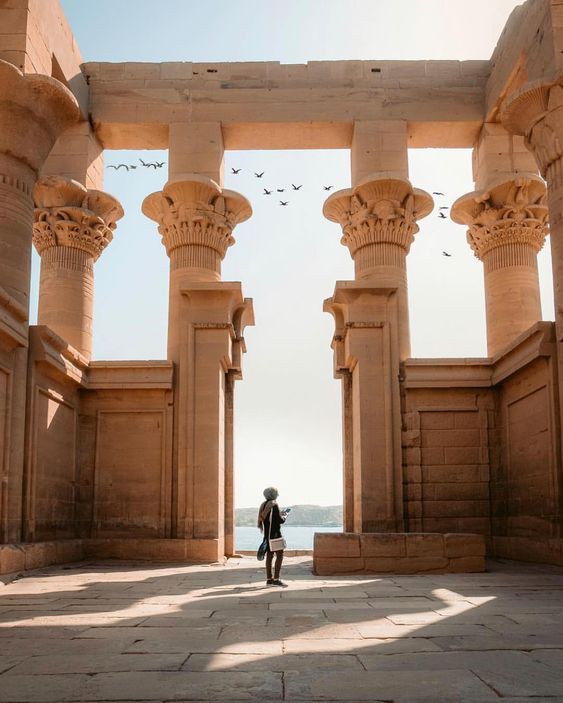
11. The Old Cataract Hotel: A Timeless Symbol of Elegance
Overlooking the Nile in Aswan, the historic Sofitel Legend Old Cataract Aswan stands as a symbol of timeless luxury and colonial-era elegance. Built in the late 19th century, this iconic hotel has hosted royalty, writers, and explorers from around the world, becoming an essential part of Aswan’s cultural history. Its grand architecture and scenic location make it one of the most famous landmarks in the region. The hotel’s terraces offer breathtaking views of the Nile, where guests can watch feluccas glide across the water while enjoying the calm atmosphere of the city. Its beautifully designed interiors reflect a blend of European sophistication and Egyptian charm, creating a unique ambiance that transports visitors to another era. Among its most famous guests was the renowned author Agatha Christie, who stayed at the hotel while writing her novel Death on the Nile. This connection adds a layer of literary significance to the site, making it not only a place of luxury but also a source of artistic inspiration. Today, the Sofitel Legend Old Cataract Aswan continues to offer a refined and unforgettable experience for travelers seeking elegance and history in one place.

12. Sunset in Aswan: A Golden Moment on the Nile
Sunset in Aswan is a truly magical experience that captures the essence of the city’s beauty and tranquility. As the sun begins to descend, the sky transforms into a canvas of warm colors—gold, orange, and soft pink—reflecting on the calm waters of the Nile. This daily spectacle creates a peaceful atmosphere that invites quiet reflection and appreciation. The surrounding landscape enhances the beauty of this moment. Granite rocks glow under the fading light, palm trees cast long shadows along the riverbanks, and the silhouettes of feluccas drift gracefully across the water. Whether viewed from a riverside café, a hotel terrace, or the deck of a boat, sunset in Aswan offers a breathtaking perspective on the natural harmony of the region. More than just a visual experience, sunset in Aswan carries a deeper emotional resonance. It marks the transition from day to night, echoing the ancient Egyptian belief in cycles of life, death, and renewal. This connection between nature and spirituality makes each sunset not just an end, but a moment of timeless beauty that stays with every visitor long after they leave.
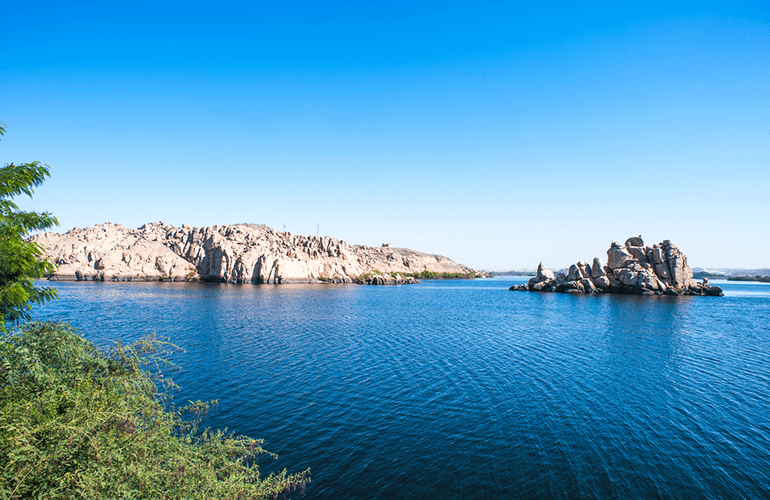
13. Lake Nasser: The Vast Man-Made Wonder
South of Aswan stretches the immense Lake Nasser, one of the largest artificial lakes in the world and a defining feature of modern Egypt. Created after the construction of the Aswan High Dam, the lake extends for hundreds of kilometers, reaching deep into Sudan. Its vast blue waters contrast beautifully with the surrounding desert, creating a striking and almost surreal landscape. Beyond its visual appeal, Lake Nasser plays a vital role in Egypt’s economy and environment. It serves as a major reservoir, ensuring a steady water supply for agriculture and supporting hydroelectric power generation. The lake is also home to a diverse range of fish species, making it an important area for fishing and local livelihoods. In addition, Lake Nasser has become a destination for exploration and adventure. Visitors can experience its remote beauty through boat trips, fishing excursions, and visits to nearby temples that were relocated to higher ground. The lake stands as a symbol of human ingenuity and the ability to reshape nature while preserving elements of the past.
14. Aswan Souq: A Vibrant Cultural Experience
The bustling Aswan Souq offers a lively contrast to the calm landscapes of Aswan. Stretching through the heart of the city, this traditional market is filled with colors, sounds, and aromas that reflect the rich cultural diversity of the region. Walking through its narrow streets is an immersive experience that connects visitors with the daily life of local people. The souq is known for its wide variety of goods, including spices, handmade crafts, textiles, perfumes, and traditional Nubian items. The scent of hibiscus, incense, and freshly ground spices fills the air, creating a sensory experience that is both vibrant and memorable. Local vendors welcome visitors with warmth, often engaging in friendly conversation and negotiation. Shopping in the Aswan Souq is not just about buying souvenirs—it is about experiencing a living tradition. Bargaining is part of the culture, and interactions with shopkeepers often turn into enjoyable exchanges that reflect the hospitality of the region. This lively marketplace provides a deeper connection to Aswan’s modern identity, blending history with everyday life.
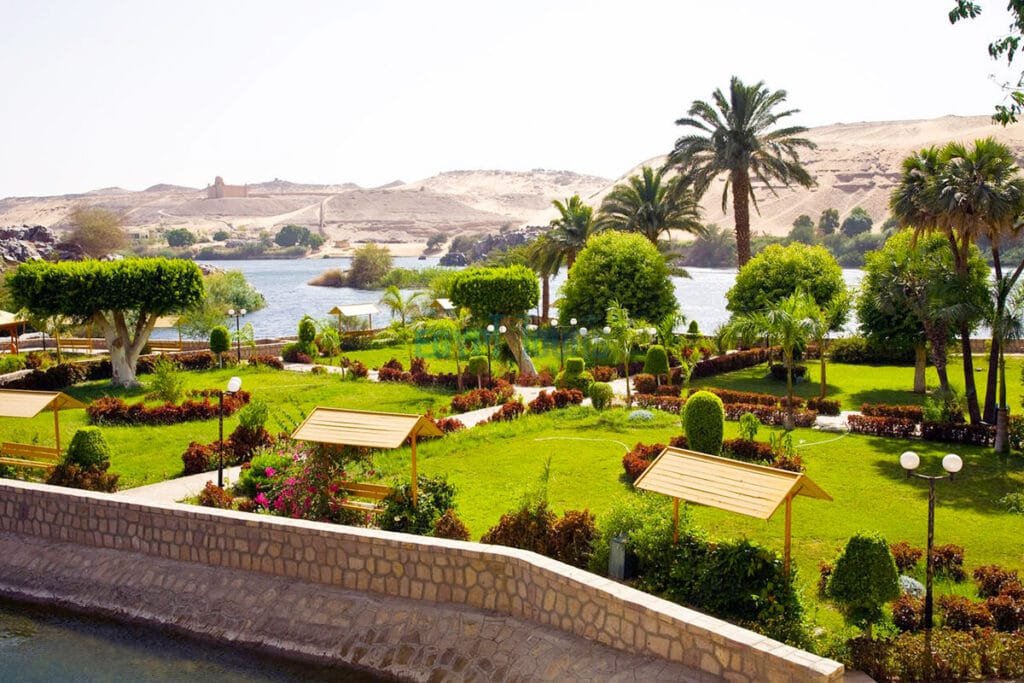
15. The Botanical Garden: A Hidden Green Paradise
Located on Kitchener’s Island in the Nile, the peaceful Aswan Botanical Garden is one of the most serene attractions in Aswan. This lush island is home to a wide variety of exotic plants and trees collected from around the world, creating a green oasis in the middle of the desert landscape. It offers visitors a refreshing escape from the heat and a chance to relax in nature. The garden’s shaded pathways wind through carefully arranged plants, offering beautiful views of the Nile and the surrounding scenery. Birds can often be seen among the trees, adding to the peaceful atmosphere of the island. The combination of natural beauty and gentle river breezes makes it an ideal place for quiet walks and reflection. Accessible by boat, the Botanical Garden provides a unique perspective of Aswan. It allows visitors to experience the contrast between the fertile greenery of the Nile and the arid desert beyond. As a hidden gem within the city, it highlights the diversity of Aswan’s attractions, offering a tranquil and refreshing complement to its historical sites.

16. The Nubian Lifestyle: Harmony, Simplicity, and Identity
Life in Aswan is deeply influenced by Nubian traditions that emphasize harmony, simplicity, and a strong sense of community. Unlike the fast-paced life in larger cities, Nubian culture values connection—between people, nature, and history. Daily life often revolves around family, shared meals, music, and storytelling, creating a warm and welcoming environment that leaves a lasting impression on visitors. Nubian homes are a reflection of this lifestyle, designed with bright colors, open spaces, and natural materials that help regulate temperature and create comfort. Decorations often include symbolic patterns and motifs that represent protection, identity, and cultural pride. These homes are not only places of shelter but also expressions of heritage and artistic creativity. Visitors who spend time in Nubian communities gain a deeper understanding of a culture that has preserved its identity despite historical challenges. This lifestyle, rooted in resilience and tradition, offers a powerful contrast to modern life and highlights the importance of preserving cultural diversity in a rapidly changing world.
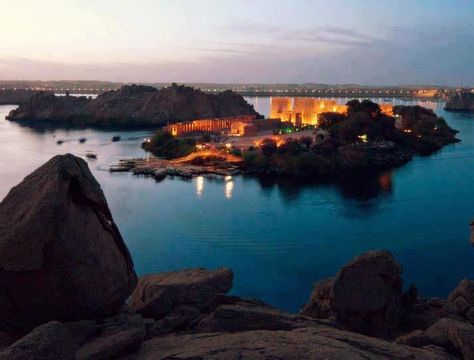
17. Aswan by Night: Calm, Beauty, and Reflection
As night falls over Aswan, the city transforms into a peaceful and enchanting destination. The intense heat of the day fades, replaced by a gentle breeze from the Nile and a calm atmosphere that invites relaxation. Lights from hotels, cafés, and boats reflect softly on the water, creating a scene of quiet beauty that is both soothing and memorable. Evening activities in Aswan are centered around simplicity and enjoyment. Visitors can take a leisurely walk along the Nile Corniche, enjoy a traditional meal by the river, or relax on a felucca under the stars. The slower pace of life becomes even more evident at night, allowing travelers to fully appreciate the peaceful character of the city. This calm nighttime atmosphere offers a moment of reflection, connecting visitors with the timeless rhythm of the Nile. It is a reminder that Aswan’s charm lies not only in its historical landmarks but also in its ability to provide a sense of peace and balance rarely found in modern destinations.

18. The Eternal Charm of Aswan: A Journey Beyond Time
As the journey through Aswan comes to an end, what remains is a deep appreciation for a city that captures the true spirit of Egypt. From its ancient temples and monumental engineering achievements to its vibrant Nubian culture and breathtaking natural landscapes, Aswan offers an experience that is both diverse and deeply meaningful. The city’s unique character lies in its ability to balance history with tranquility. It is a place where visitors can explore the legacy of ancient civilizations while also enjoying moments of quiet reflection by the Nile. This combination creates a powerful connection between the past and the present, making every experience in Aswan feel timeless. Ultimately, Aswan is more than just a destination—it is a journey into the heart of Egypt’s cultural and natural heritage. Its beauty, simplicity, and authenticity leave a lasting impression, ensuring that every visitor carries a part of its spirit long after the journey has ended.

More About Aswan
Philae Temple
Philae Temple in Aswan is a stunning monument surrounded by the Nile, showcasing ancient Egyptian civilization, art, and timeless beauty.
Abu Simbel
Abu Simbel Temples are magnificent rock temples built by Ramses II, famous for their colossal statues and precise solar alignment phenomenon.
Unfinished Obelisk
Unfinished Obelisk reveals ancient stone-carving techniques, showcasing a massive abandoned monument that highlights the engineering skills of ancient Egyptian craftsmen.
Aswan High Dam
Aswan High Dam is a monumental engineering project controlling Nile floods, generating hydroelectric power, and supporting Egypt’s agriculture and water resources.
Nubian Villages
Nubian Villages offer colorful homes, rich traditions, warm hospitality, and a unique cultural experience along the scenic banks of the Nile River.
Edfo temple
Temple of Edfu is a remarkably preserved Ptolemaic temple dedicated to Horus, showcasing grand pylons, intricate carvings, and ancient rituals.
Lake Nasser
Lake Nasser is one of the world’s largest artificial lakes, offering breathtaking desert scenery, rich wildlife, and a vital water source for Egypt.
Nubian Museum
Nubian Museum showcases Nubian heritage through artifacts, history, and culture, highlighting the region’s traditions, architecture, and ancient civilizations along the Nile.
temple of kom ombo
Temple of Kom Ombo is a unique double temple dedicated to Sobek and Horus, featuring symmetrical design, carvings, and ancient medical reliefs.