- Excursions in Egypt
- Egypt Tour Packages
- Cairo Tours and Excursions
- Hurghada Tours and Excursions
- Soma Bay Tours and Excursions
- Makadi Bay Tours and Excursions
- Sahl Hasheesh Tours and Excursions
- El Gouna Tours and Excursions
- Marsa Alam Tours and Excursions
- Port Ghalib Tours and Excursions
- El Quseir Tours and Excursions
- Dendera and Abydos Day Tours
- Aswan Tours and Excursions
- Luxor Tours and Excursions
- Sharm El Sheikh Tours and Excursions
- Top Rated Egypt Tours in 2026
- Optional Excursions in Egypt
- Private Transfer
- Blogs About egypt
- Ancient Egypt
- Historical Sites in Egypt
- Cairo
- Alexandria
- Luxor
- Aswan
- The Red Sea
- Dendera Temple
- El Fayoum Oasis
- Bahariya Oasis
- Siwa Oasis
- Al Alamein
- Marsa Matruh
- Why Egypt Is One of the Safest Countries to Visit in the Middle East
- What You Need To know Before Your First Trip To Egypt
- Egypt Travel Costs in 2026 Full Budget Guide
- Top 10 Tourist Activities in Egypt
- Top 50 Activities You Can’t Miss in Egypt in 2026
- The Guide to Guided Tours in Egypt
- Egypt’s Ancient and Modern History
- The Nile River
- The Deserts of Egypt
- Ancient Egyptian gods
- famous Egyptian dishes
- UNESCO World Heritage sites
- About Us
- Egypt Hotels and Resorts
- Excursions in Egypt
- Egypt Tour Packages
- Cairo Tours and Excursions
- Hurghada Tours and Excursions
- Soma Bay Tours and Excursions
- Makadi Bay Tours and Excursions
- Sahl Hasheesh Tours and Excursions
- El Gouna Tours and Excursions
- Marsa Alam Tours and Excursions
- Port Ghalib Tours and Excursions
- El Quseir Tours and Excursions
- Dendera and Abydos Day Tours
- Aswan Tours and Excursions
- Luxor Tours and Excursions
- Sharm El Sheikh Tours and Excursions
- Top Rated Egypt Tours in 2026
- Optional Excursions in Egypt
- Private Transfer
- Blogs About egypt
- Ancient Egypt
- Historical Sites in Egypt
- Cairo
- Alexandria
- Luxor
- Aswan
- The Red Sea
- Dendera Temple
- El Fayoum Oasis
- Bahariya Oasis
- Siwa Oasis
- Al Alamein
- Marsa Matruh
- Why Egypt Is One of the Safest Countries to Visit in the Middle East
- What You Need To know Before Your First Trip To Egypt
- Egypt Travel Costs in 2026 Full Budget Guide
- Top 10 Tourist Activities in Egypt
- Top 50 Activities You Can’t Miss in Egypt in 2026
- The Guide to Guided Tours in Egypt
- Egypt’s Ancient and Modern History
- The Nile River
- The Deserts of Egypt
- Ancient Egyptian gods
- famous Egyptian dishes
- UNESCO World Heritage sites
- About Us
- Egypt Hotels and Resorts
Welcome to
Valley of the Kings: The Eternal City of Hidden Royalty
Hidden deep within the barren limestone hills on the West Bank of Luxor lies one of the most extraordinary archaeological sites ever discovered—the Valley of the Kings. Far from the fertile banks of the Nile and concealed within a maze of rugged cliffs, this sacred necropolis served as the final resting place for the most powerful rulers of ancient Egypt during the New Kingdom. Unlike the towering pyramids of earlier dynasties, the tombs here were carved directly into the heart of the mountains, designed not to be seen, but to be protected for eternity. This shift marked a revolutionary chapter in funerary architecture, driven by both spiritual beliefs and the urgent need to safeguard royal treasures from tomb robbers.
The valley is more than just a burial ground; it is a subterranean world filled with intricate corridors, hidden chambers, and vividly decorated walls that narrate the journey of the soul through the afterlife. Every tomb tells a story, not only of death, but of rebirth, transformation, and divine union with the gods. From the moment one steps into this silent desert valley, there is an overwhelming sense of mystery, as if the mountains themselves are guarding secrets that have endured for over three thousand years. The golden discovery of Tutankhamun’s tomb in 1922 reignited global fascination, but the valley’s true grandeur lies in its artistic depth and spiritual symbolism.
This timeless landscape stands as a testament to the ancient Egyptians’ obsession with immortality and their unmatched mastery of art and engineering. As we journey deeper into the Valley of the Kings, we uncover the hidden world of pharaohs, priests, and craftsmen who worked in secrecy to create eternal homes beneath the earth. It is a place where silence speaks, darkness reveals, and history breathes through every carved stone.
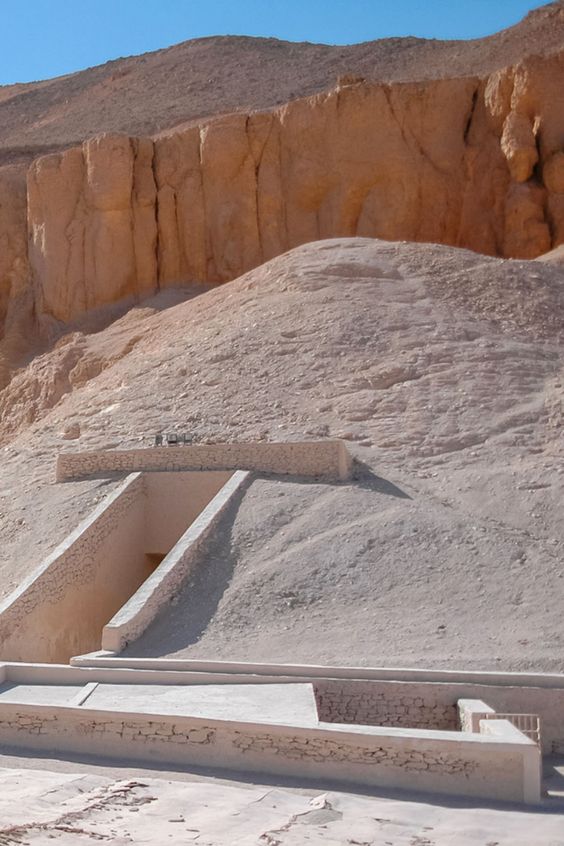
1. The West Bank of Luxor: Gateway to Eternity and the Realm of the Dead
On the western side of Luxor, where the sun disappears behind the rugged desert mountains each evening, lies a landscape that the ancient Egyptians believed to be the gateway to eternity. This region, known as the West Bank, was not chosen randomly; it was deeply rooted in their spiritual understanding of life, death, and rebirth. The setting sun symbolized the end of life, mirroring the journey of the sun god Ra as he entered the underworld each night to battle chaos before being reborn at dawn. It was here, in this sacred alignment with cosmic cycles, that the kings of the New Kingdom chose to build their eternal resting place within Valley of the Kings. Unlike the fertile and vibrant East Bank, which was filled with temples, palaces, and daily life, the West Bank was dedicated entirely to death and the afterlife. The stark contrast between the green fields along the Nile and the barren, golden cliffs of the desert created a symbolic division between the world of the living and the world of the dead. This geographical separation reinforced the ancient belief that death was not an end, but a transformation into another realm of existence. The silence of the desert, broken only by the whispering winds, adds to the profound sense of sacredness that still envelops the valley today. Walking through this vast necropolis is like stepping into a spiritual dimension frozen in time. Every hill and hidden pathway conceals secrets of royal burials and sacred rituals that once took place in complete secrecy. The West Bank is not merely a historical site; it is a carefully designed cosmic landscape where religion, nature, and royal power converge to create one of the most awe-inspiring settings in human history.
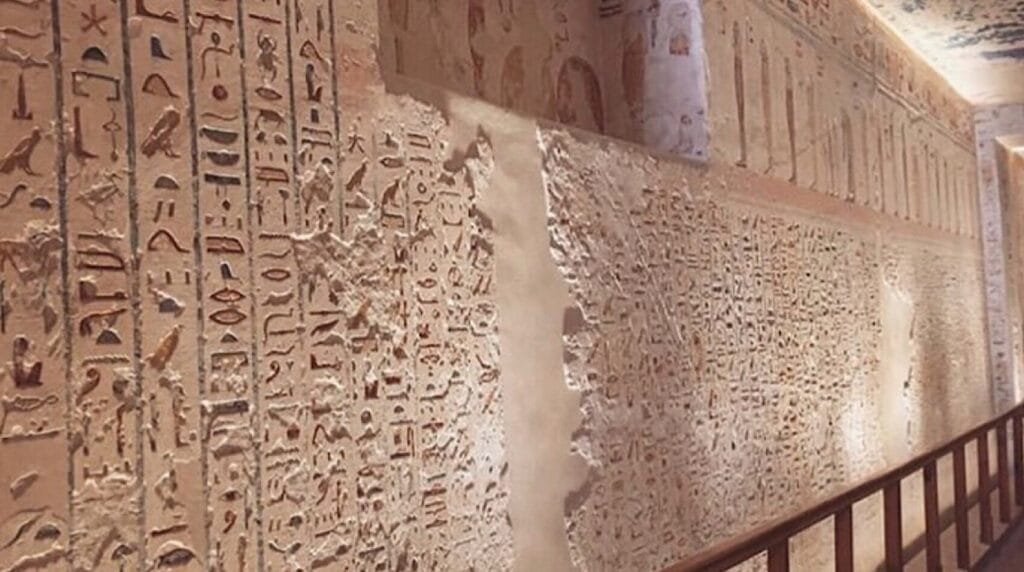
2. Why the Pharaohs Abandoned the Pyramids: A Revolutionary Shift in Burial Tradition
The decision to abandon pyramid construction in favor of hidden rock-cut tombs marked one of the most significant transformations in ancient Egyptian history. During the Old and Middle Kingdoms, pyramids stood as visible symbols of royal power and divine authority, dominating the landscape and showcasing the might of the pharaoh. However, these monumental structures also attracted unwanted attention, becoming prime targets for tomb robbers who sought the immense treasures buried within. By the time of the New Kingdom, it had become clear that a new approach was necessary—one that prioritized secrecy and protection over visibility. The rulers of this era turned their attention to the remote and naturally protected valley on the West Bank of Luxor, where steep cliffs and narrow wadis provided the perfect hiding place. Here, they began carving elaborate tombs deep into the rock, concealing their entrances beneath layers of debris and carefully planned architectural layouts. These tombs were designed not only to hide wealth, but also to serve as sacred pathways guiding the king’s soul through the afterlife. The shift from pyramids to hidden tombs reflected a deeper evolution in religious beliefs, emphasizing the journey of the soul rather than the external display of power. Despite these efforts, many tombs were still looted in antiquity, proving that even the most sophisticated security measures were not foolproof. Yet the legacy of this transition remains profound, as it gave rise to some of the most artistically and spiritually rich burial chambers ever created, redefining the concept of eternal life in ancient Egypt.
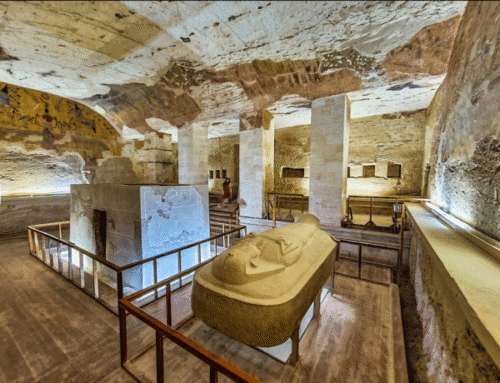
3. The Hidden Architecture: A Journey Through the Royal Tombs Beneath the Earth
Beneath the scorching desert surface of Valley of the Kings lies a hidden world of astonishing architectural complexity and artistic brilliance. Each royal tomb is a carefully engineered masterpiece, carved deep into the limestone bedrock with a precision that continues to amaze modern archaeologists. These subterranean structures were far more than simple burial chambers; they were symbolic journeys designed to guide the soul of the pharaoh through the mysterious realms of the afterlife. From the moment one descends into a tomb, the transition from light to darkness mirrors the spiritual passage from life to death and eventual rebirth. The layout of these tombs often follows a descending axis, leading through a series of corridors, halls, and chambers that grow increasingly sacred as one approaches the burial chamber. Walls are covered with vibrant scenes depicting gods, demons, and sacred texts such as the Amduat and the Book of Gates, which describe the twelve hours of the night that the sun god must travel before rising again. Every detail, from the colors used to the positioning of figures, held deep religious significance and was intended to ensure the king’s safe passage into eternity. Despite being hidden underground, these tombs were designed with an extraordinary sense of grandeur and symbolism. They represent a fusion of architecture, religion, and art, creating a timeless underground universe where the boundaries between the human and divine worlds dissolve completely.

4. The Discovery of Tutankhamun’s Tomb: A Moment That Changed History Forever
In 1922, the silent sands of Valley of the Kings revealed one of the most astonishing archaeological discoveries in human history—the nearly intact tomb of the boy king Tutankhamun. Discovered by British archaeologist Howard Carter after years of relentless searching, the tomb, known as KV62, was unlike anything the world had ever seen. While most royal tombs in the valley had been looted in antiquity, Tutankhamun’s burial remained largely untouched, hidden beneath layers of debris and forgotten by time. When Carter first peered through a small hole into the sealed chamber and was asked if he could see anything, his famous reply—“Yes, wonderful things”—captured the magnitude of what lay within. Inside the tomb, over five thousand artifacts were discovered, each one crafted with extraordinary detail and symbolic meaning. Golden chariots, intricate jewelry, ceremonial weapons, and the iconic solid gold funerary mask of the young king revealed the immense wealth and artistic mastery of ancient Egypt. The discovery not only revolutionized the field of Egyptology but also ignited a global fascination with the ancient world that continues to this day. Tutankhamun, once a relatively minor pharaoh, became the most famous ruler in history due to the unparalleled preservation of his tomb. Beyond its treasures, the tomb provided invaluable insights into royal burial practices, religious beliefs, and daily life in the New Kingdom. It was a rare, untouched snapshot of a civilization at its peak, offering a direct connection to a world that had remained hidden for over three thousand years beneath the desert sands.

5. The Art of Eternity: Symbolism and Color in the Tomb Paintings
The walls of the royal tombs within the Valley of the Kings are far more than decorative surfaces; they are sacred canvases that tell the story of eternity itself. Every inch of these underground chambers is adorned with vibrant paintings and intricate carvings that have survived for thousands of years with astonishing clarity. These artworks were not created for aesthetic pleasure alone, but served a vital religious purpose, acting as magical guides to ensure the safe passage of the pharaoh’s soul through the afterlife. The scenes depicted are rich with symbolism, illustrating encounters with gods, protective deities, and the various trials the king must overcome on his journey to immortality. Color played a crucial role in conveying meaning within these paintings. Gold represented the flesh of the gods and eternal life, blue symbolized the heavens and the Nile, while green was associated with rebirth and fertility. The careful selection and application of these colors were believed to hold magical properties, bringing the images to life and ensuring their effectiveness in the spiritual realm. The precision and consistency of the artwork demonstrate the extraordinary skill of the ancient craftsmen who worked tirelessly under strict guidelines to achieve perfection. These tomb paintings also provide valuable insight into ancient Egyptian beliefs, revealing a complex and deeply spiritual worldview centered on life after death. They transform the tombs into living texts, where art, religion, and mythology merge to create a powerful narrative of resurrection and divine union that continues to captivate modern audiences.
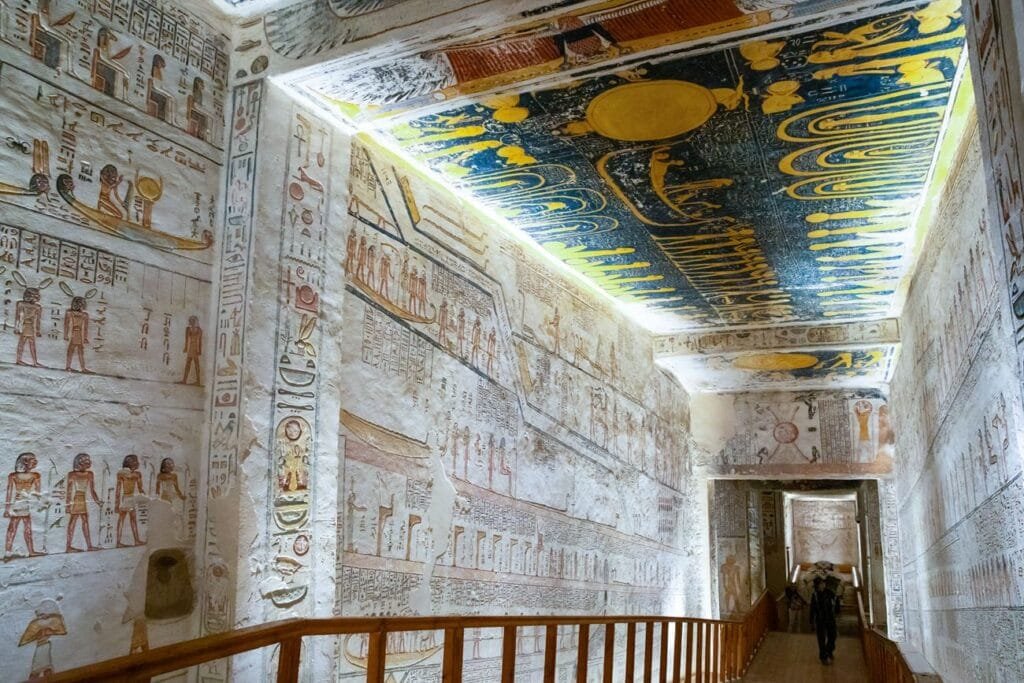
6. Ramses the Great and Seti I: Masters of Monumental Tomb Construction
Among the many rulers buried within the Valley of the Kings, few have left as profound a legacy as Ramesses II and his father Seti I. Their tombs stand as masterpieces of architectural innovation and artistic excellence, representing the pinnacle of royal burial practices during the New Kingdom. The tomb of Seti I, often considered the most beautifully decorated in the valley, is a vast and complex structure that extends deep into the mountain, featuring exquisitely carved reliefs and vividly colored scenes that remain remarkably well preserved. Every chamber within the tomb reflects a meticulous attention to detail, showcasing the highest level of craftsmanship achieved by ancient Egyptian artisans. The tomb of Ramses the Great, while not as elaborately decorated as his father’s, is significant for its scale and the powerful imagery it conveys. Ramses II, known for his long and prosperous reign, sought to immortalize his achievements through grand architectural projects, and his tomb is no exception. The walls depict scenes of divine protection and royal authority, reinforcing his status as both a king and a god. These tombs were not only places of burial but also symbols of eternal power, designed to ensure that the legacy of these rulers would endure forever. Together, the tombs of Seti I and Ramses II exemplify the height of ancient Egyptian engineering, artistry, and spiritual belief. They remain among the most important and awe-inspiring structures within the valley, attracting scholars and visitors from around the world who seek to understand the legacy of these legendary pharaohs.
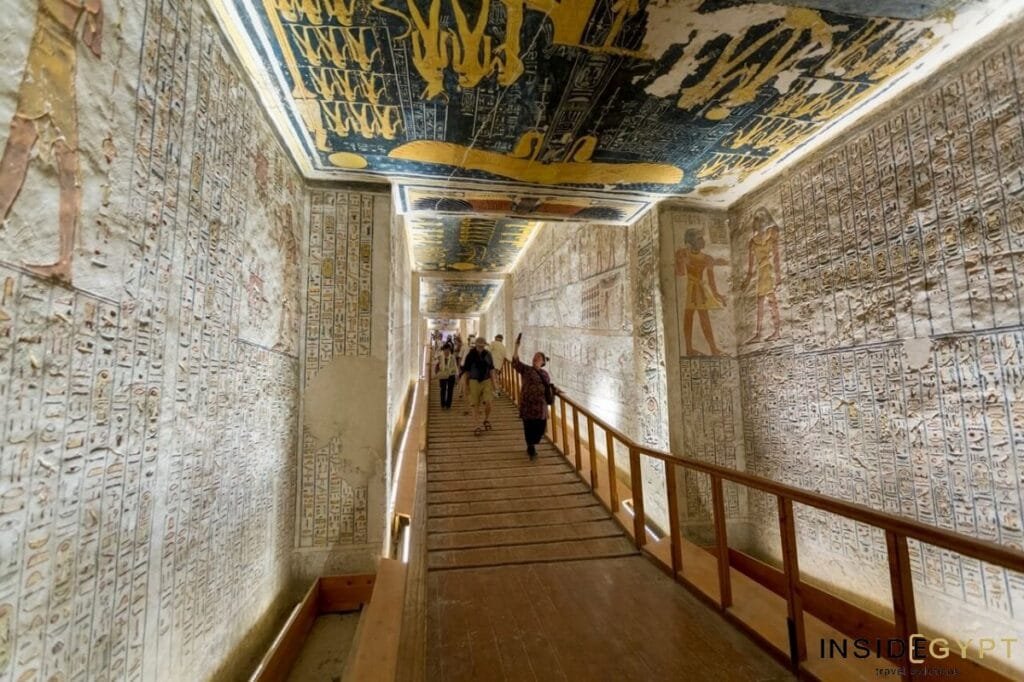
7. The Workers of Eternity: The Secret Lives Behind the Royal Tombs
Behind the grandeur of the royal tombs in Valley of the Kings lies a hidden human story rarely told—the lives of the skilled workers who dedicated their existence to creating these eternal masterpieces. Contrary to popular belief, these craftsmen were not slaves, but highly respected artisans and engineers, considered among the elite of ancient Egyptian society. They lived in a carefully planned village known as Deir el-Medina, a unique community built specifically to house those responsible for constructing the royal tombs. Isolated in the desert and bound by strict secrecy, these workers and their families lived under constant supervision to protect the sacred burial sites from theft. Their daily lives were defined by discipline, precision, and extraordinary skill. Working under the intense heat of the desert, they carved deep into solid limestone using simple yet effective tools. Despite these harsh conditions, the quality of their work remains astonishing, showcasing a level of craftsmanship that continues to amaze modern scholars. These men were not only laborers but also painters, sculptors, and scribes, responsible for transferring sacred texts and intricate religious scenes onto the tomb walls with remarkable accuracy. Archaeological discoveries within their village have revealed intimate details of their lives, including records of wages, medical treatments, personal disputes, and even emotional letters, offering a rare and deeply human glimpse into their world. Understanding the role of these workers adds a profound emotional layer to the experience of visiting the valley. Behind every decorated wall and carved corridor lies a story of dedication, sacrifice, and silent excellence. They were the true guardians of royal secrets, the invisible hands that shaped one of the greatest architectural legacies in history, leaving their mark in anonymity while the names of kings echoed through eternity.

8. The Valley of the Kings Today: Preservation, Tourism, and Global Wonder
Today, the Valley of the Kings stands as one of the most visited and admired archaeological sites in the world, attracting millions of travelers, historians, and explorers each year. What was once a hidden and sacred necropolis reserved only for kings and priests has now become a global symbol of human achievement and cultural heritage. However, with this fame comes a significant challenge—the preservation of its fragile and irreplaceable treasures. The tombs, which have survived for over three thousand years, now face threats not from ancient robbers, but from modern environmental factors and mass tourism. Humidity from visitors’ breath, fluctuations in temperature, and exposure to artificial lighting have all contributed to the gradual deterioration of the vibrant wall paintings. These delicate artworks, once sealed in darkness, are now at risk due to constant exposure. In response, Egyptian authorities, in cooperation with organizations such as UNESCO, have implemented strict conservation strategies. These include limiting the number of visitors allowed inside certain tombs, rotating access between sites, and even creating exact replicas of some of the most famous tombs to reduce physical impact on the originals. Despite these challenges, the valley continues to inspire awe in every visitor. Walking through its silent pathways and descending into its ancient chambers offers a rare opportunity to connect directly with the past. It is a place where history is not only seen but felt, and where the responsibility of preservation becomes a shared duty for all who step into this timeless world.
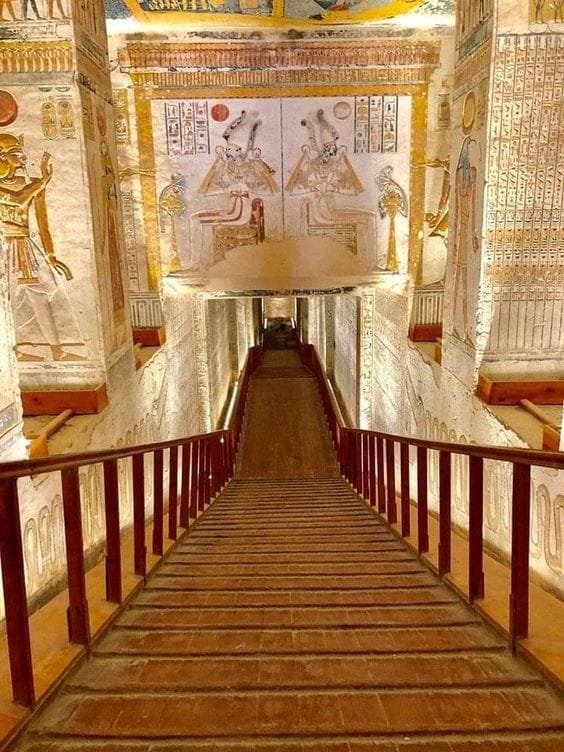
9. The Spiritual Meaning of the Afterlife: Journey Through the Duat
At the heart of every tomb within the Valley of the Kings lies a profound spiritual purpose rooted in the ancient Egyptian understanding of the afterlife. Death, for them, was not an end but the beginning of a complex and sacred journey through the Duat—the mysterious underworld where the soul would face trials, judgment, and ultimately rebirth. The tombs were carefully designed to act as maps for this journey, guiding the pharaoh safely through each stage of the afterlife until he could be united with the gods and achieve eternal existence. The walls of the tombs are filled with detailed depictions of this journey, illustrating scenes from sacred texts such as the Amduat and the Book of Gates. These texts describe the twelve hours of the night that the sun god Ra must pass through before being reborn at dawn, a cycle that the deceased king hoped to follow. Along the way, the soul would encounter guardians, demons, and divine beings, each representing a challenge or transformation. Success in this journey required knowledge, protection, and divine favor—all of which were provided through the carefully crafted inscriptions and imagery within the tomb. This belief system reveals a civilization deeply connected to the concepts of balance, renewal, and cosmic order. The Valley of the Kings is not merely a burial site, but a spiritual gateway where the boundaries between life, death, and eternity dissolve, offering a timeless reflection on humanity’s desire for immortality and divine connection.
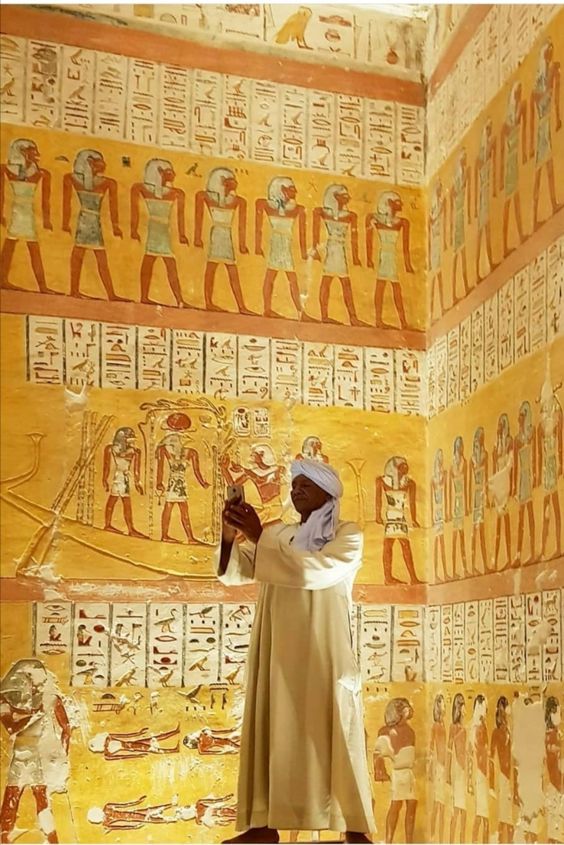
10. The Engineering Genius: How the Ancient Egyptians Built the Impossible
The construction of the royal tombs in the Valley of the Kings stands as one of the greatest engineering achievements in human history. Without modern machinery, electricity, or advanced technology, ancient Egyptian builders managed to carve vast and complex tombs deep into solid limestone mountains with remarkable precision. The process began with careful planning, as architects selected specific locations based on geological stability and spiritual alignment. Once a site was chosen, teams of highly skilled workers began cutting into the rock using basic tools such as copper chisels, wooden mallets, and stone hammers. Despite these simple instruments, the results were astonishingly sophisticated, with straight corridors, perfectly aligned chambers, and intricate decorative programs that reflected both technical mastery and artistic excellence. Ventilation, lighting, and debris removal were major challenges that required innovative solutions. Workers likely used oil lamps to illuminate the dark interiors, while carefully designed shafts and corridors allowed for airflow during construction. Excavated rock was carried out manually, often through narrow passageways, requiring coordination, discipline, and physical endurance. As the tombs extended deeper into the mountains, the logistical challenges became increasingly complex, yet the builders continued to push the limits of their capabilities without compromising precision or quality. What makes these achievements even more extraordinary is the seamless integration of architecture with religious symbolism. Every passageway and chamber was not only structurally sound but also spiritually significant, forming a unified design that served both practical and sacred purposes. The valley remains a powerful reminder that true innovation is not defined by advanced technology alone, but by human ingenuity, vision, and determination to create something eternal.
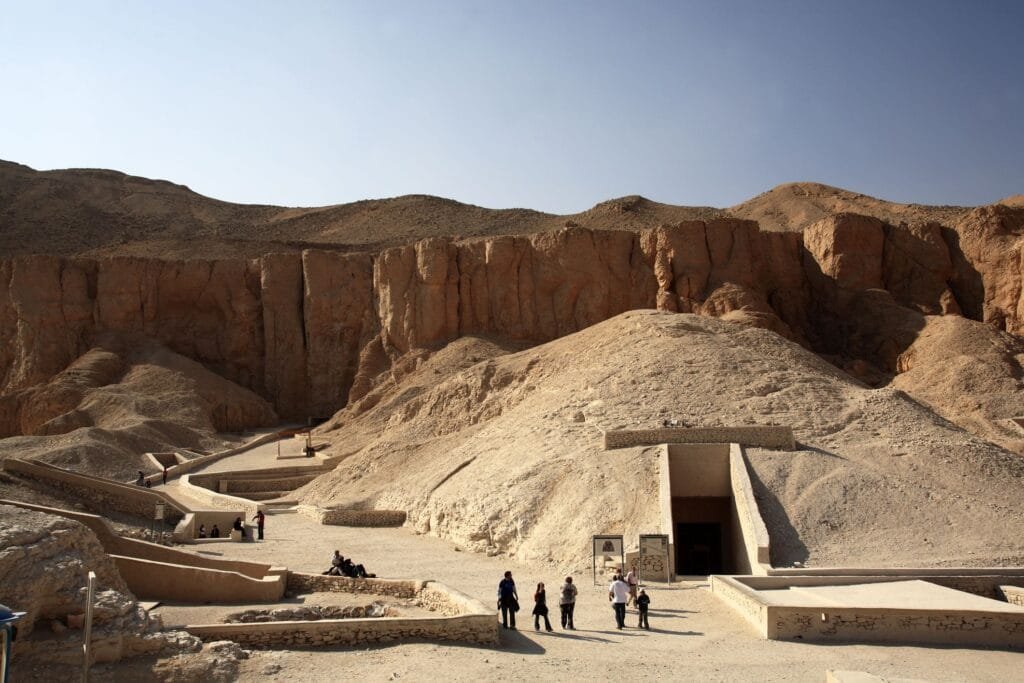
11. The Hidden Tombs Still Waiting to Be Discovered
Despite more than a century of intensive exploration, the Valley of the Kings continues to guard secrets that have yet to be uncovered. Archaeologists firmly believe that not all tombs within the valley have been discovered, and ongoing research suggests that hidden chambers and undiscovered burials may still lie beneath the desert floor. The complex geology of the valley, combined with centuries of natural debris and ancient construction, has concealed areas that remain unexplored even today. Modern technology, including ground-penetrating radar and satellite imaging, has opened new possibilities for detecting these hidden spaces without disturbing the fragile environment. Recent discoveries in and around the valley have reignited global excitement, proving that this ancient site still holds the potential to reshape our understanding of Egyptian history. Each new finding adds another piece to the puzzle, revealing forgotten names, unexplored tomb layouts, and new insights into burial practices. The possibility of uncovering another intact tomb—similar to that of Tutankhamun—remains one of the greatest dreams of modern archaeology. This sense of mystery is what makes the valley truly alive. It is not just a relic of the past, but an active field of discovery where history continues to unfold. The idea that undiscovered kings may still rest beneath the sands adds an element of anticipation and wonder, ensuring that the Valley of the Kings will remain at the center of global attention for generations to come.
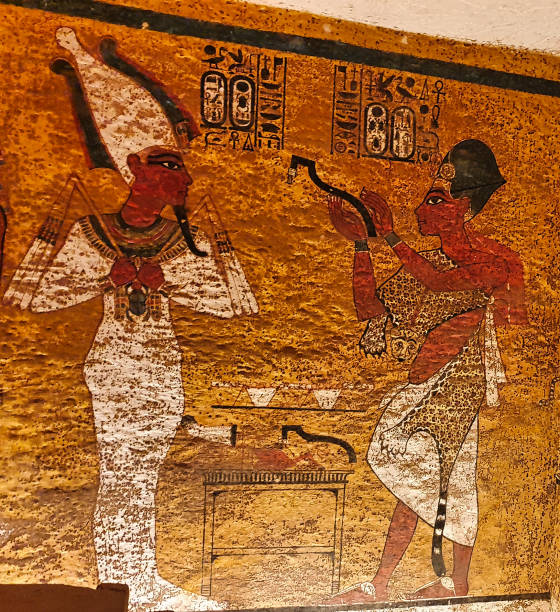
12. The Role of Religion and Magic in Protecting the Tombs
Protection of the royal tombs in the Valley of the Kings was not achieved through architecture alone; it was deeply rooted in religion, magic, and spiritual belief. The ancient Egyptians believed that powerful spells and sacred inscriptions could guard the tomb and its occupant from harm, both in the physical world and the afterlife. Every tomb was carefully designed with protective texts, symbols, and divine figures intended to ward off evil forces and ensure the king’s safe journey into eternity. Curses, often exaggerated in popular culture, were part of a broader system of spiritual protection. These were not merely threats to deter robbers, but expressions of deeply held beliefs in divine justice and cosmic balance. The presence of gods such as Osiris, Anubis, and Ma’at within the tomb decorations symbolized protection, judgment, and order, reinforcing the idea that the king was under divine guardianship even in death. Amulets, magical objects, and ritual texts were also placed within the tomb to provide additional layers of protection, ensuring that the pharaoh would have everything needed for the afterlife. This fusion of magic, religion, and architecture created a powerful defensive system that went beyond physical barriers. It reflects a civilization that viewed the spiritual world as equally real and influential as the physical one, demonstrating the depth of their belief in the eternal power of the unseen forces that governed life and death.
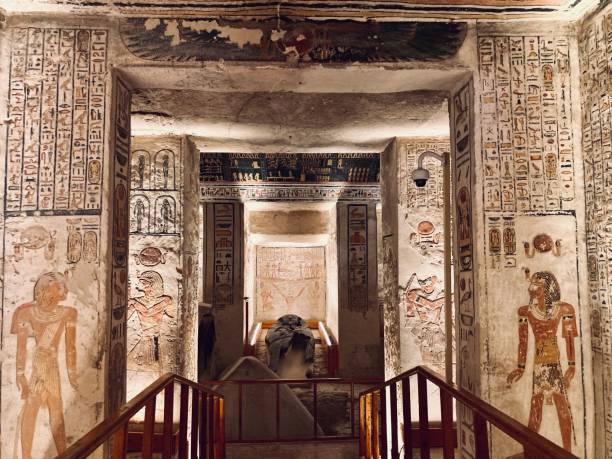
13. The Valley in Modern Culture: From Archaeology to Global Inspiration
Over the past century, the Valley of the Kings has transcended its role as an archaeological site to become a powerful symbol in global culture. From documentaries and books to films and exhibitions, the valley has captured the imagination of millions around the world. The discovery of Tutankhamun’s tomb in particular sparked what became known as “Egyptomania,” influencing art, fashion, and design far beyond the borders of Egypt. The golden mask of the young king, along with other treasures, has become an iconic representation of ancient civilization and timeless beauty. The valley has also played a central role in the development of modern archaeology. Techniques refined through excavations here have shaped how archaeologists approach historical sites across the globe. The careful documentation, preservation, and study of tombs in the valley have set new standards for scientific research and cultural heritage management. It has become a living classroom where scholars continue to learn, adapt, and innovate. Beyond academia, the valley continues to inspire creativity and curiosity. Writers, artists, and filmmakers draw upon its mystery and grandeur to create stories that connect the ancient world with modern audiences. It stands as a bridge between past and present, proving that the legacy of ancient Egypt is not confined to history books, but remains a vibrant and influential force in contemporary culture.

14. Beyond the Tombs: The Complete Experience of the West Bank of Luxor
While the Valley of the Kings is undoubtedly the centerpiece of the West Bank, the surrounding area offers a rich and immersive experience that extends far beyond the royal tombs. This side of Luxor is a vast open-air museum, where every site contributes to a deeper understanding of ancient Thebes and its spiritual and cultural significance. The landscape itself tells a story, blending natural beauty with monumental history in a way that few places on earth can rival. Just a short distance away stands the magnificent Mortuary Temple of Hatshepsut, an architectural masterpiece seamlessly integrated into the towering limestone cliffs of Deir el-Bahari. Its elegant terraces and colonnades create a harmonious balance between human design and natural surroundings, making it one of the most visually striking monuments in Egypt. Nearby, the imposing Colossi of Memnon rise from the fertile plains, standing as silent sentinels that have witnessed thousands of years of history. These colossal statues, once guarding a grand temple now lost to time, continue to captivate visitors with their scale and enduring presence. Exploring the West Bank as a whole allows visitors to experience the complete journey of life, death, and eternity as envisioned by the ancient Egyptians. The temples celebrate life and divine power, while the tombs represent the transition into the afterlife. Together, they form a unified and deeply symbolic landscape. For modern travelers, this region offers far more than sightseeing—it provides a powerful connection to one of the greatest civilizations in human history, leaving a lasting impression that endures long after the journey ends.
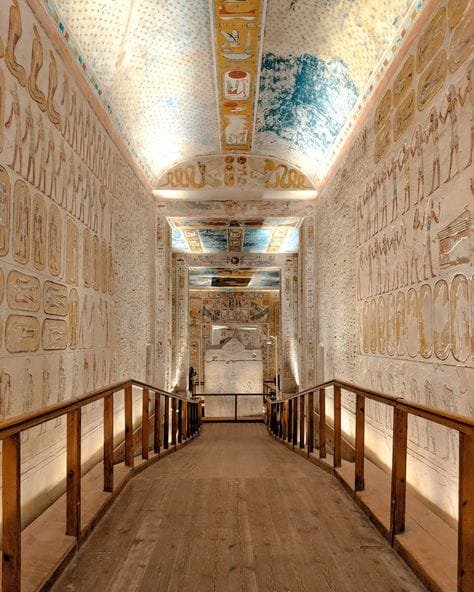
15. A Timeless Experience: Walking Through the Valley of the Kings Today
Visiting the Valley of the Kings today is not simply a touristic activity; it is a deeply immersive journey into the heart of ancient civilization. As you walk through the sunlit valley surrounded by towering desert cliffs, there is an immediate sense of stepping outside of time. The silence is almost overwhelming, broken only by the soft footsteps of visitors and the whisper of the desert wind. Each entrance to a tomb invites you into a different world, where descending into the earth feels like crossing a threshold between life and eternity. Inside the tombs, the atmosphere shifts dramatically. The heat of the desert gives way to a cooler, enclosed space where walls come alive with color and meaning. The vivid scenes of gods, kings, and sacred rituals seem to glow under the dim lighting, creating an almost surreal experience. Every corridor tells a story, and every chamber reveals another layer of belief and artistry that defined ancient Egyptian culture. It is impossible not to feel a sense of awe at the sheer effort and devotion that went into creating these eternal spaces. For modern travelers, the valley offers more than just historical knowledge; it provides an emotional connection to the past. It is a place that encourages reflection on life, death, and the human desire to leave a lasting legacy, making it one of the most unforgettable experiences in the world.

16. The Eternal Legacy: Why the Valley of the Kings Continues to Inspire the World
As one of the most iconic archaeological sites on earth, the Valley of the Kings continues to captivate the imagination of people across generations. Its legacy is not defined solely by the treasures discovered within its tombs, but by the profound ideas it represents—immortality, divine power, and the eternal connection between humanity and the cosmos. The valley stands as a testament to a civilization that dared to dream beyond the limits of life, creating a world beneath the earth that would endure forever. What makes the valley truly remarkable is its ability to bridge the gap between past and present. Thousands of years after the last pharaoh was laid to rest, people from all corners of the globe still journey to this remote desert landscape in search of meaning, inspiration, and wonder. Scholars continue to study its mysteries, uncovering new insights into ancient Egyptian religion, art, and society, while travelers stand in silent admiration of what has been preserved through time. In a rapidly changing world, the Valley of the Kings remains a constant reminder of human ambition and creativity. It speaks to something universal within us—the desire to be remembered, to create something lasting, and to connect with something greater than ourselves. As long as these timeless human aspirations exist, the valley will continue to inspire, educate, and amaze all who encounter its silent, eternal beauty.

17. Why the Valley of the Kings Is a Must-Visit Destination in Egypt
For any traveler exploring Egypt, a visit to the Valley of the Kings is not just recommended—it is essential. This extraordinary site offers a once-in-a-lifetime opportunity to step inside the very tombs of ancient kings and experience history in its most authentic and powerful form. Unlike museums where artifacts are displayed behind glass, the valley allows visitors to walk through the actual spaces where pharaohs were laid to rest thousands of years ago. This direct connection creates an emotional and intellectual impact that cannot be replicated anywhere else in the world. The valley is also part of a larger historical landscape that includes iconic sites such as Karnak Temple Complex and the temples of the East Bank, making it a central highlight of any journey to Luxor. Whether you are passionate about history, fascinated by ancient engineering, or simply seeking a unique travel experience, the Valley of the Kings delivers on every level. The combination of breathtaking scenery, deep cultural significance, and unparalleled archaeological importance makes it one of the most unforgettable destinations on the planet. Ultimately, visiting the valley is more than just sightseeing—it is a journey into the heart of human history, where the past comes alive and the legacy of ancient Egypt continues to inspire and captivate the world.
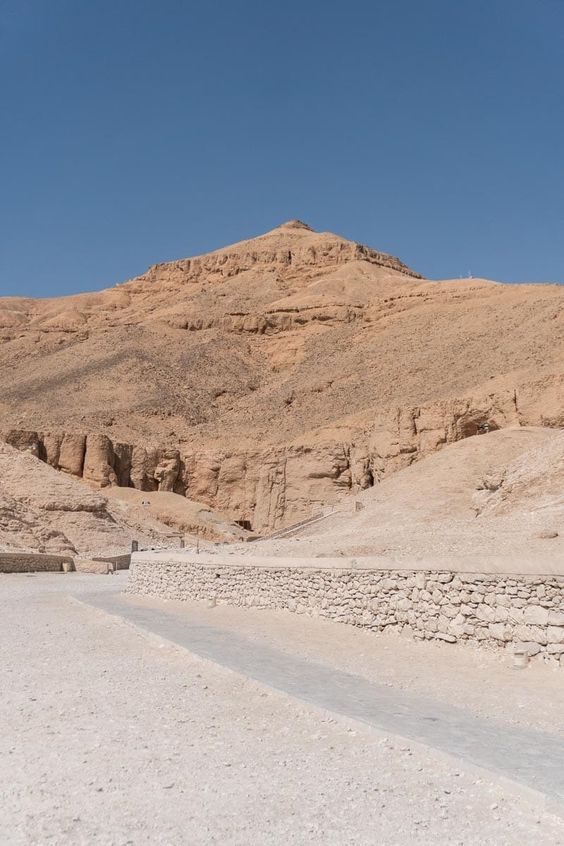
18. Climate, Landscape, and Natural Forces: Shaping the Valley Over Millennia
The dramatic landscape of the Valley of the Kings is not only a product of human ambition, but also the result of powerful natural forces that have shaped it over millions of years. The valley lies within a dry desert environment, where extreme temperatures, rare rainfall, and erosion have all played a significant role in its formation and preservation. The towering limestone cliffs that surround the valley were gradually sculpted by ancient geological processes, creating the rugged terrain that the ancient Egyptians later chose for their royal burials. One of the most striking features of the valley is its harsh and unforgiving climate. During the day, temperatures can rise dramatically, while nights bring a noticeable drop in heat. This extreme fluctuation has affected the condition of the tombs over time, causing cracks and gradual wear in the rock surfaces. In rare cases, sudden desert storms can lead to flash floods, which pose a serious threat to the lower-lying tombs by filling them with المياه and debris. Evidence of such floods has been found in several tombs, indicating that even in ancient times, nature was an unpredictable force. Despite these challenges, the dry conditions of the valley have also contributed to the remarkable preservation of many tomb paintings and artifacts. The lack of moisture has slowed the process of decay, allowing colors and details to survive for thousands of years. This delicate balance between destruction and preservation highlights the powerful relationship between nature and history within this extraordinary site.