

- Excursions in Egypt
- Egypt Tour Packages
- Cairo Tours and Excursions
- Hurghada Tours and Excursions
- Soma Bay Tours and Excursions
- Makadi Bay Tours and Excursions
- Sahl Hasheesh Tours and Excursions
- El Gouna Tours and Excursions
- Marsa Alam Tours and Excursions
- Port Ghalib Tours and Excursions
- El Quseir Tours and Excursions
- Dendera and Abydos Day Tours
- Aswan Tours and Excursions
- Luxor Tours and Excursions
- Alexandria Egypt Tours and Excursions
- Sharm El Sheikh Tours and Excursions
- Top Rated Egypt Tours in 2026
- Optional Excursions in Egypt
- Private Transfer
- Blogs About egypt
- Ancient Egypt
- Why Egypt Is One of the Safest Countries to Visit in the Middle East
- What You Need To know Before Your First Trip To Egypt
- Egypt Travel Costs in 2026 Full Budget Guide
- Top 10 Tourist Activities in Egypt
- Top 50 Activities You Can’t Miss in Egypt in 2026
- The Guide to Guided Tours in Egypt
- Egypt’s Ancient and Modern History
- The Nile River
- The Deserts of Egypt
- Historical Sites in Egypt
- Cairo
- Alexandria
- Luxor
- Aswan
- The Red Sea
- Dendera Temple
- El Fayoum Oasis
- Bahariya Oasis
- Siwa Oasis
- Al Alamein
- Marsa Matruh
- Ancient Egyptian gods
- famous Egyptian dishes
- UNESCO World Heritage sites
- About Us
- Egypt Hotels and Resorts
- Excursions in Egypt
- Egypt Tour Packages
- Cairo Tours and Excursions
- Hurghada Tours and Excursions
- Soma Bay Tours and Excursions
- Makadi Bay Tours and Excursions
- Sahl Hasheesh Tours and Excursions
- El Gouna Tours and Excursions
- Marsa Alam Tours and Excursions
- Port Ghalib Tours and Excursions
- El Quseir Tours and Excursions
- Dendera and Abydos Day Tours
- Aswan Tours and Excursions
- Luxor Tours and Excursions
- Alexandria Egypt Tours and Excursions
- Sharm El Sheikh Tours and Excursions
- Top Rated Egypt Tours in 2026
- Optional Excursions in Egypt
- Private Transfer
- Blogs About egypt
- Ancient Egypt
- Why Egypt Is One of the Safest Countries to Visit in the Middle East
- What You Need To know Before Your First Trip To Egypt
- Egypt Travel Costs in 2026 Full Budget Guide
- Top 10 Tourist Activities in Egypt
- Top 50 Activities You Can’t Miss in Egypt in 2026
- The Guide to Guided Tours in Egypt
- Egypt’s Ancient and Modern History
- The Nile River
- The Deserts of Egypt
- Historical Sites in Egypt
- Cairo
- Alexandria
- Luxor
- Aswan
- The Red Sea
- Dendera Temple
- El Fayoum Oasis
- Bahariya Oasis
- Siwa Oasis
- Al Alamein
- Marsa Matruh
- Ancient Egyptian gods
- famous Egyptian dishes
- UNESCO World Heritage sites
- About Us
- Egypt Hotels and Resorts
Welcome to
Kalabsha Temple: The Silent Guardian of Nubia’s Sacred Legacy
If the temples of ancient Egypt tell stories of power, divinity, and eternity, then the Kalabsha Temple stands as a quiet yet powerful testament to survival, resilience, and cultural preservation. Located on the shores of Lake Nasser, just south of Aswan, this remarkable temple is one of the largest and most impressive Nubian monuments still standing today. Unlike many ancient structures that remain in their original locations, Kalabsha tells a different story—a story of relocation, rescue, and rebirth in the modern era.
Originally built during the Roman period and dedicated to the Nubian god Mandulis, the temple reflects a unique fusion of Egyptian and Roman architectural traditions. Its massive sandstone walls, elegant reliefs, and well-preserved inscriptions offer a glimpse into a time when cultures blended and religious beliefs evolved along the banks of the Nile River. Yet, despite its historical origins, the temple’s greatest significance lies in its modern journey.
With the construction of the Aswan High Dam and the creation of Lake Nasser, Kalabsha was at risk of being lost beneath the rising waters. In a remarkable international effort, the entire temple was carefully dismantled and relocated to higher ground, preserving it for future generations. Today, as visitors walk through its towering gateways and silent halls, they are not only stepping into ancient history—they are witnessing one of the greatest achievements in archaeological preservation, where the past was quite literally saved from disappearing forever.
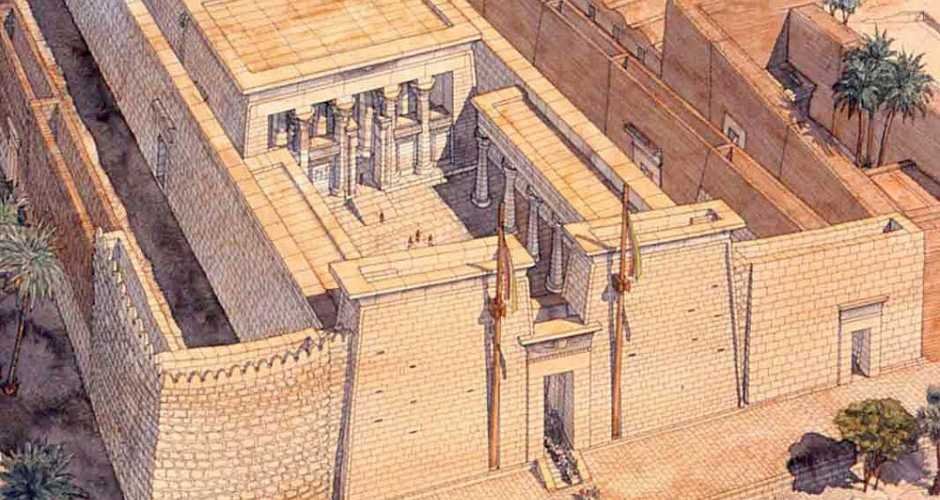
1. Kalabsha: A Temple Reborn on the Shores of Lake Nasser
The story of the Kalabsha Temple begins not only in ancient times but also in the modern era, where it stands today on the edge of Lake Nasser near Aswan. Originally constructed at a different location further south, the temple was moved stone by stone to protect it from the rising waters caused by the construction of the Aswan High Dam. This remarkable relocation transformed Kalabsha into a symbol of preservation and international cooperation. Unlike many ancient temples that remain rooted in their original landscapes, Kalabsha carries a story of movement and survival. Its current position overlooking the vast expanse of Lake Nasser gives it a serene and almost isolated atmosphere, where the surrounding water replaces the ancient flow of the Nile River. This change in environment adds a new dimension to the temple, blending ancient history with modern achievement. Today, Kalabsha stands not only as a monument to the past but also as a testament to humanity’s ability to protect its heritage. Visitors who arrive at this site experience both the grandeur of ancient architecture and the powerful story of its rescue and rebirth.
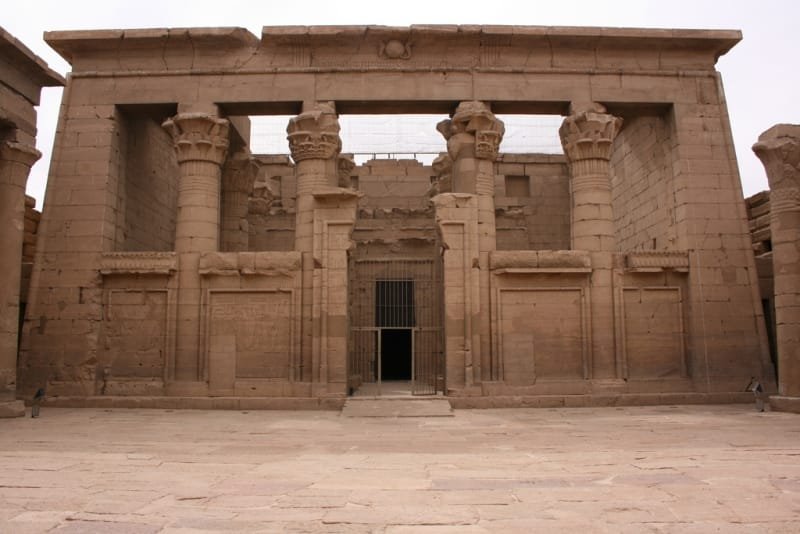
2. Mandulis: The Nubian Sun God of Kalabsha
At the spiritual heart of the Kalabsha Temple lies its dedication to Mandulis, a Nubian sun god whose worship reflects the deep cultural connections between Egypt and Nubia. Unlike the more widely known gods of ancient Egypt, Mandulis represents a regional deity whose influence was particularly strong in the southern regions along the Nile. His presence in the temple highlights the importance of Nubian identity within the broader religious landscape. Mandulis was often associated with the sun, light, and divine power, sharing similarities with Egyptian solar deities while maintaining his distinct character. Reliefs within the temple depict him wearing elaborate crowns and receiving offerings from rulers, emphasizing his role as a protector and a source of life. These images reflect a fusion of artistic styles, combining traditional Egyptian symbolism with local Nubian elements. The worship of Mandulis at Kalabsha reveals a world where cultures and beliefs were interconnected. It shows how religion served as a bridge between different regions, allowing traditions to merge and evolve. For visitors, this adds a deeper layer of meaning to the temple, transforming it into a place where cultural identity and spiritual devotion meet.

3. Roman Influence: A Temple of Cultural Fusion
The Kalabsha Temple is a striking example of how ancient Egyptian traditions continued to thrive during the Roman period. Built under Roman rule, the temple reflects a time when Egypt was part of a vast empire, yet still maintained its religious and architectural identity. This blend of influences is evident in both the design and decoration of the structure. While the overall layout of the temple follows traditional Egyptian principles, certain elements reveal Roman involvement. Inscriptions and reliefs depict Roman emperors in the role of pharaohs, making offerings to the gods and participating in sacred rituals. This adaptation allowed foreign rulers to legitimize their authority by aligning themselves with Egyptian religious traditions. The result is a unique architectural and cultural fusion that sets Kalabsha apart from earlier temples. It represents a period of transition, where continuity and change existed side by side. For modern visitors, this combination offers valuable insight into how ancient Egypt adapted to new political realities while preserving the core of its spiritual and artistic heritage.

4. Architectural Grandeur: A Monument of Sandstone and Scale
The Kalabsha Temple stands as one of the largest free-standing temples in Nubia, showcasing an impressive use of sandstone and a commanding architectural presence. Its massive pylons, wide courtyards, and towering walls create a sense of scale that immediately captures the attention of visitors. Despite its relocation in the modern era, the temple has retained its original design and proportions, preserving the vision of its ancient builders. The layout follows the traditional Egyptian temple plan, leading visitors from an open forecourt into increasingly sacred spaces. Columns adorned with carved capitals support the inner halls, while walls are covered with detailed reliefs that depict religious ceremonies and divine figures. The craftsmanship reflects both technical skill and artistic precision, demonstrating the high level of expertise achieved during this period. Walking through the temple, one can sense the balance between simplicity and grandeur. The structure is not overly complex, yet its scale and harmony create a powerful visual impact. It is a place where architecture speaks through form and proportion, conveying a sense of stability and permanence that has endured for centuries.
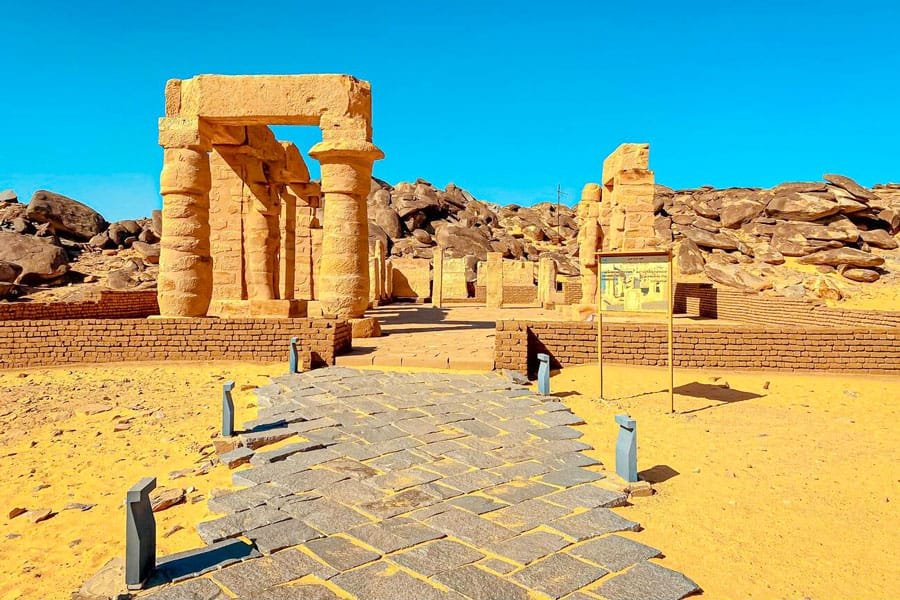
5. Reliefs and Inscriptions: Stories Preserved in Stone
The walls of the Kalabsha Temple are covered with beautifully preserved reliefs and inscriptions that offer valuable insight into the religious and political life of the time. These carvings depict scenes of worship, offerings, and divine interaction, transforming the temple into a visual narrative of belief and power. Each image is carefully crafted, combining artistic detail with symbolic meaning. Among the most notable features are the depictions of Roman emperors presented in the traditional role of Egyptian pharaohs. They are shown performing rituals, making offerings to the gods, and participating in sacred ceremonies. This blending of imagery reflects the adaptation of foreign rulers to local traditions, allowing them to integrate into the spiritual framework of Egypt. The inscriptions also provide historical context, recording names, titles, and religious practices that help scholars understand this transitional period. For visitors, these carvings bring the temple to life, offering a direct connection to the people and beliefs that shaped its creation.
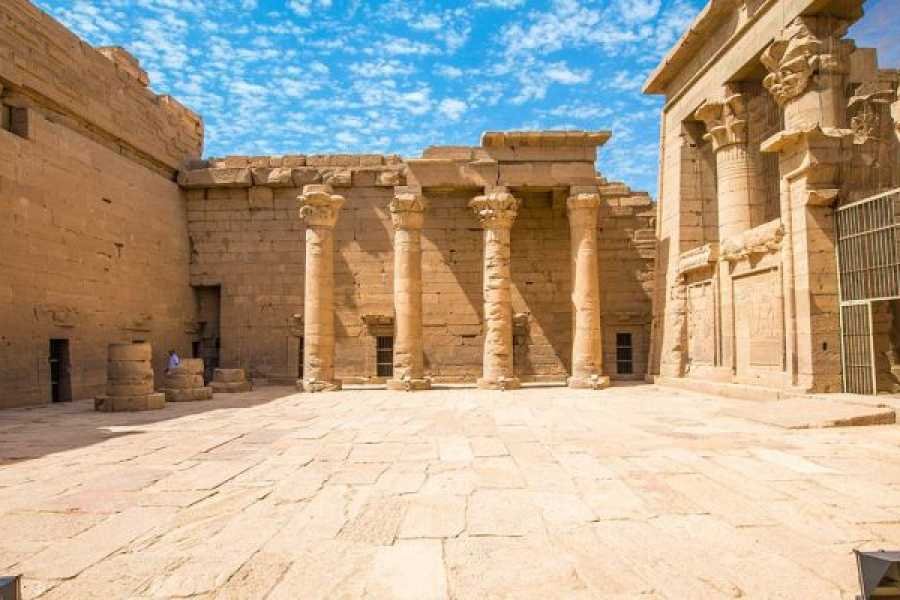
6. The Relocation Project: Saving a Monument from the Waters
One of the most remarkable aspects of the Kalabsha Temple is its modern history as a rescued monument. With the construction of the Aswan High Dam, the rising waters of Lake Nasser threatened to submerge countless ancient sites, including Kalabsha. In response, an ambitious international effort was launched to preserve these treasures for future generations. The temple was carefully dismantled into thousands of individual blocks, each one documented and transported to a higher location near Aswan. This process required extraordinary precision and coordination, ensuring that the structure could be reassembled exactly as it had originally stood. The successful relocation of Kalabsha is considered one of the greatest achievements in archaeological preservation. Today, the temple stands as both an ancient monument and a modern success story. It represents the determination to protect cultural heritage against the forces of change, proving that history can be preserved even in the face of immense challenges.
7. The Sacred Landscape: Kalabsha and Its Surroundings
The setting of the Kalabsha Temple plays a vital role in shaping its atmosphere and significance. Today, the temple overlooks the vast waters of Lake Nasser, creating a tranquil and almost isolated environment that feels far removed from the modern world. This peaceful landscape allows visitors to experience the monument in a setting that emphasizes reflection and quiet appreciation. In ancient times, the temple stood closer to the flowing waters of the Nile River, where it was integrated into a vibrant network of settlements and trade routes. Although its surroundings have changed, the connection between the temple and water remains strong, preserving its symbolic link to life, fertility, and continuity. This unique combination of past and present gives Kalabsha a distinctive character. It is a place where the natural environment enhances the historical experience, allowing visitors to connect with both the ancient and modern stories that define the temple.
8. Nubian Identity: Culture Reflected in Stone
The Kalabsha Temple is not only an example of architectural achievement but also a reflection of Nubian cultural identity. Dedicated to the god Mandulis, the temple highlights the importance of local beliefs and traditions within the broader context of Egyptian religion. This regional influence gives Kalabsha a unique place among the monuments of southern Egypt. The artistic style and themes found within the temple reveal a blending of cultural elements. While many features follow traditional Egyptian forms, there are clear indications of Nubian influence in the representation of deities and the emphasis on regional symbolism. This fusion creates a rich and layered identity that distinguishes the temple from others built during the same period. For visitors, Kalabsha offers an opportunity to explore a different perspective on ancient Egypt—one that goes beyond the central narrative of pharaohs and pyramids to include the diverse cultures that contributed to its history. It stands as a reminder that Egyptian civilization was shaped by a variety of influences, each adding depth and complexity to its legacy.
9. A Temple of Silence: Experiencing Kalabsha Today
Unlike many of Egypt’s more crowded archaeological sites, the Kalabsha Temple offers a quiet and intimate experience. Its location away from major tourist routes allows visitors to explore its halls and courtyards without the distractions of large crowds, creating a sense of solitude that enhances its atmosphere. Walking through the temple, one can hear only the sound of footsteps and the gentle movement of the wind across the open landscape. This silence adds a powerful dimension to the experience, allowing visitors to focus on the details of the architecture and the meaning behind the carvings. It creates a connection that feels personal and reflective. This calm environment sets Kalabsha apart as a destination for those seeking more than just visual beauty. It offers a space for contemplation, where the past can be experienced in a peaceful and meaningful way, leaving a lasting impression on all who visit.
10. Kalabsha at Sunset: Light Over Stone and Water
As the sun begins to set over the Kalabsha Temple, the entire landscape is transformed into a scene of quiet beauty and golden light. The temple’s sandstone walls absorb the warm hues of the sky, while the calm surface of Lake Nasser reflects the shifting colors of the evening. This combination of light and water creates a peaceful atmosphere that feels both timeless and deeply moving. The fading sunlight reveals the texture of the stone and highlights the details of the carvings, allowing visitors to see the temple in a new way. Shadows grow longer, adding depth and contrast to the structure, while the surrounding silence enhances the sense of isolation and calm. It is a moment where the temple seems to stand between day and night, past and present. For many visitors, this is one of the most memorable experiences at Kalabsha. The beauty of the setting sun, combined with the stillness of the environment, creates a powerful emotional connection that lingers long after the visit ends.
11. Kalabsha and the Preservation of Heritage
The story of the Kalabsha Temple is closely tied to one of the most significant efforts in the preservation of cultural heritage. When the construction of the Aswan High Dam threatened to submerge ancient sites beneath the waters of Lake Nasser, an international campaign was launched to save these monuments, placing Kalabsha at the center of this historic effort. The relocation of the temple required careful planning, detailed documentation, and precise reconstruction. Each stone was carefully dismantled, transported, and reassembled to ensure that the integrity of the original structure was fully preserved. This achievement demonstrated a global commitment to protecting human history and highlighted the importance of international cooperation in safeguarding cultural heritage. Today, Kalabsha stands as a powerful symbol of preservation and resilience. It represents not only the legacy of ancient builders but also the dedication of modern efforts to ensure that this heritage remains accessible and protected for future generations.
12. The Enduring Legacy of Kalabsha
The Kalabsha Temple remains one of the most remarkable monuments in southern Egypt, not only for its size and design but for the story it carries. It represents a bridge between ancient history and modern preservation, showing how the past can be protected and appreciated in a changing world. Standing beside the waters of Lake Nasser, the temple continues to inspire visitors with its quiet strength and enduring presence. Its walls tell stories of faith, culture, and adaptation, reflecting a civilization that was both rooted in tradition and open to change. In the end, Kalabsha is more than a historical site. It is a testament to resilience, a symbol of cultural continuity, and a reminder that even in the face of great challenges, the legacy of the past can be preserved and celebrated for generations to come.
13. The Visitor Experience: A Journey Through Time and Tranquility
Visiting the Kalabsha Temple offers a unique experience defined by peace, space, and reflection. Unlike more crowded archaeological sites, Kalabsha allows visitors to move freely through its halls and courtyards, creating a personal connection with the monument. The quiet surroundings enhance the sense of discovery, making every step feel meaningful and immersive. As visitors walk through the temple, they encounter towering gateways, open courtyards, and detailed carvings that reveal layers of history and belief. The setting beside Lake Nasser adds a natural dimension to the experience, where the still water contrasts beautifully with the solid presence of the stone structure. This combination creates a balanced environment that feels both powerful and calming. The experience of Kalabsha is not only visual but also emotional. It invites visitors to slow down, observe, and connect with the past in a deeper way. The absence of noise and crowds allows the temple’s atmosphere to speak clearly, leaving a lasting impression of serenity and historical depth.
14. Kalabsha by Night: A Temple Under the Stars
As night falls over the Kalabsha Temple, the monument takes on a completely different character. Soft lighting illuminates the temple’s walls and columns, casting shadows that highlight its architectural details and create a dramatic visual effect. The surrounding darkness enhances the sense of isolation, making the temple appear as a glowing structure rising from the edge of Lake Nasser. The calm atmosphere of the night allows visitors to experience the temple in a more intimate and reflective way. Without the brightness and activity of daytime, attention naturally shifts to the shapes, textures, and symmetry of the structure. The silence of the surrounding landscape deepens the connection between the visitor and the monument. This nighttime experience reveals a new dimension of Kalabsha. It transforms the temple into a place of contemplation, where the past feels closer and the meaning of its design becomes more profound under the quiet presence of the stars.
15. The Eternal Message: Why Kalabsha Still Inspires
The Kalabsha Temple continues to inspire visitors not only through its architecture but through the story it represents. As a monument that survived relocation and the threat of disappearance, it stands as a powerful symbol of resilience and the importance of preserving cultural heritage. Its presence reminds us that history is not fixed, but something that can be protected and carried forward. Standing beside the waters of Lake Nasser, the temple reflects a sense of continuity between ancient and modern times. It represents a connection between civilizations, beliefs, and generations, showing how the legacy of the past can remain relevant in the present. In the end, Kalabsha is more than a historical site. It is a message of endurance, adaptation, and respect for human achievement. It invites visitors to reflect on the value of history and the responsibility to preserve it, ensuring that its story continues to inspire future generations.
16. Kalabsha and the Spirit of Nubia: A Cultural Bridge
The Kalabsha Temple stands as a powerful reflection of Nubian heritage, preserving the spirit of a region that has long been a crossroads of cultures. While many temples in Egypt focus primarily on pharaonic traditions, Kalabsha carries a distinct identity shaped by the beliefs, environment, and artistic expressions of Nubia. This cultural depth gives the temple a unique voice within the broader narrative of ancient Egypt. The dedication to the god Mandulis highlights the importance of local traditions and their integration into larger religious systems. Through its carvings and architectural style, the temple reveals how Nubian and Egyptian influences blended seamlessly, creating a shared cultural language that transcended regional boundaries. This fusion is visible in both the symbolism and the structure, offering insight into a period of connection rather than division. For visitors, Kalabsha provides an opportunity to explore a different dimension of history—one that emphasizes diversity, interaction, and cultural exchange. It serves as a reminder that ancient civilizations were not isolated, but deeply interconnected, shaping one another in lasting and meaningful ways.
17. A Timeless Landscape: Nature and Monument in Harmony
The beauty of the Kalabsha Temple is inseparable from its natural surroundings. Positioned along the shores of Lake Nasser, the temple exists within a landscape that enhances its sense of calm and timelessness. The still water, open skies, and distant desert horizons create a setting that feels both vast and peaceful. This harmony between nature and architecture reflects a deeper connection that has always existed in Egyptian culture. Ancient builders carefully selected locations that aligned with natural elements, ensuring that their monuments were not only functional but also spiritually meaningful. Although Kalabsha has been relocated, it continues to maintain this relationship with its environment. Visitors often find that the surrounding landscape adds to the emotional impact of the temple. The quiet atmosphere and expansive views encourage reflection, allowing the monument to be experienced not just as a structure, but as part of a larger, living environment that continues to evolve.
18. The Enduring Legacy: A Monument Saved for the Future
The legacy of the Kalabsha Temple is defined by both its ancient origins and its modern preservation. As one of the most successfully relocated monuments during the creation of Lake Nasser, it represents a triumph of human determination to protect history from being lost. This achievement ensures that the temple remains accessible and meaningful for generations to come. Beyond its physical structure, Kalabsha carries a message about the importance of cultural preservation. It demonstrates that even in the face of significant change, it is possible to safeguard the achievements of the past. This message resonates strongly in today’s world, where protecting heritage has become an increasingly important global responsibility. In the end, Kalabsha is more than a relic of history. It is a symbol of continuity, resilience, and respect for human creativity. Its presence beside the waters of Lake Nasser serves as a lasting reminder that the past can endure, not only through memory, but through the conscious efforts of those who choose to preserve it.
