

- Excursions in Egypt
- Egypt Tour Packages
- Cairo Tours and Excursions
- Hurghada Tours and Excursions
- Soma Bay Tours and Excursions
- Makadi Bay Tours and Excursions
- Sahl Hasheesh Tours and Excursions
- El Gouna Tours and Excursions
- Marsa Alam Tours and Excursions
- Port Ghalib Tours and Excursions
- El Quseir Tours and Excursions
- Dendera and Abydos Day Tours
- Aswan Tours and Excursions
- Luxor Tours and Excursions
- Sharm El Sheikh Tours and Excursions
- Top Rated Egypt Tours in 2026
- Optional Excursions in Egypt
- Private Transfer
- Blogs About egypt
- Ancient Egypt
- Historical Sites in Egypt
- Cairo
- Alexandria
- Luxor
- Aswan
- The Red Sea
- Dendera Temple
- El Fayoum Oasis
- Bahariya Oasis
- Siwa Oasis
- Al Alamein
- Marsa Matruh
- Why Egypt Is One of the Safest Countries to Visit in the Middle East
- What You Need To know Before Your First Trip To Egypt
- Egypt Travel Costs in 2026 Full Budget Guide
- Top 10 Tourist Activities in Egypt
- Top 50 Activities You Can’t Miss in Egypt in 2026
- The Guide to Guided Tours in Egypt
- Egypt’s Ancient and Modern History
- The Nile River
- The Deserts of Egypt
- Ancient Egyptian gods
- famous Egyptian dishes
- UNESCO World Heritage sites
- About Us
- Egypt Hotels and Resorts
- Excursions in Egypt
- Egypt Tour Packages
- Cairo Tours and Excursions
- Hurghada Tours and Excursions
- Soma Bay Tours and Excursions
- Makadi Bay Tours and Excursions
- Sahl Hasheesh Tours and Excursions
- El Gouna Tours and Excursions
- Marsa Alam Tours and Excursions
- Port Ghalib Tours and Excursions
- El Quseir Tours and Excursions
- Dendera and Abydos Day Tours
- Aswan Tours and Excursions
- Luxor Tours and Excursions
- Sharm El Sheikh Tours and Excursions
- Top Rated Egypt Tours in 2026
- Optional Excursions in Egypt
- Private Transfer
- Blogs About egypt
- Ancient Egypt
- Historical Sites in Egypt
- Cairo
- Alexandria
- Luxor
- Aswan
- The Red Sea
- Dendera Temple
- El Fayoum Oasis
- Bahariya Oasis
- Siwa Oasis
- Al Alamein
- Marsa Matruh
- Why Egypt Is One of the Safest Countries to Visit in the Middle East
- What You Need To know Before Your First Trip To Egypt
- Egypt Travel Costs in 2026 Full Budget Guide
- Top 10 Tourist Activities in Egypt
- Top 50 Activities You Can’t Miss in Egypt in 2026
- The Guide to Guided Tours in Egypt
- Egypt’s Ancient and Modern History
- The Nile River
- The Deserts of Egypt
- Ancient Egyptian gods
- famous Egyptian dishes
- UNESCO World Heritage sites
- About Us
- Egypt Hotels and Resorts
Welcome to
The Sacred Echoes of Creation: An Introduction to Egyptian Mythology
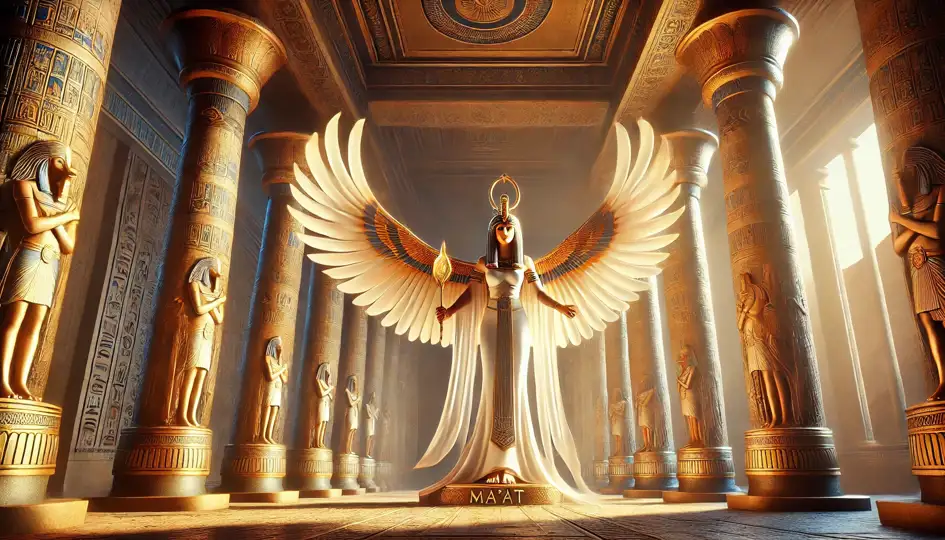
Ancient Egyptian mythology was not merely a collection of stories or folklore; it was a profound and complex system of beliefs that provided a framework for understanding the universe, the cycles of nature, and the moral responsibilities of humanity. To the Egyptians, the world was a sacred stage where divine forces constantly interacted with the physical realm, and myths were the “sacred echoes” that explained these invisible realities. These myths were deeply rooted in the concept of Ma’at—the eternal principle of truth, balance, and cosmic order—which the gods established at the moment of creation and which humans were tasked to maintain. Unlike modern linear storytelling, Egyptian myths were fluid and multifaceted, with different versions existing in major religious centers like Heliopolis, Memphis, and Hermopolis. However, they all shared a common purpose: to provide meaning to the annual flooding of the Nile, the rising and setting of the sun, and the mysterious journey of the soul after death. By studying these myths, we gain insight into a civilization that viewed every breath, every harvest, and every sunset as a miraculous event orchestrated by a pantheon of gods who were as complex and emotional as the humans who worshipped them.
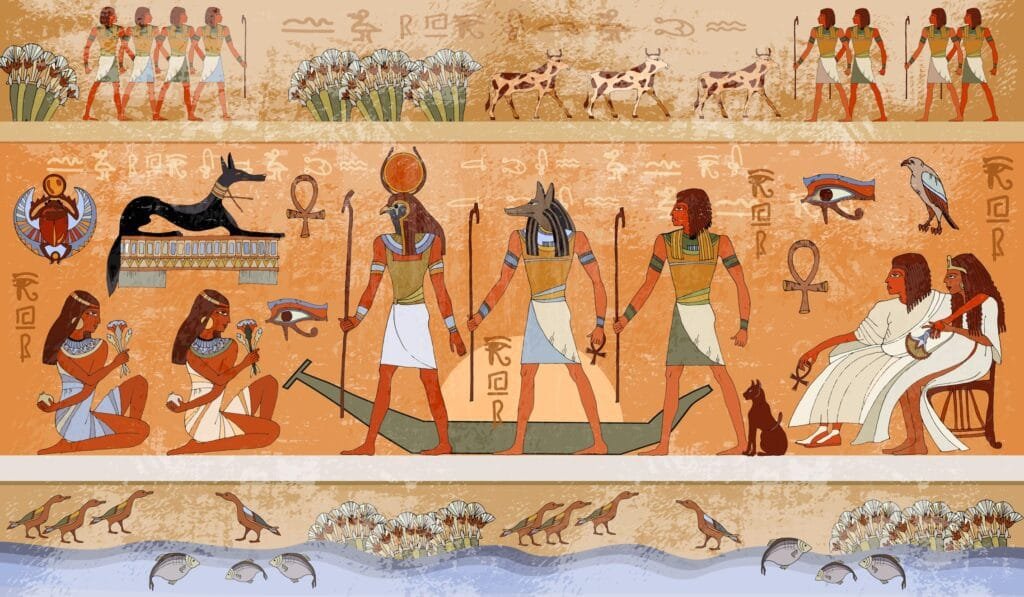
1. The Primordial Waters: The Heliopolitan Creation Myth
The most widely recognized creation myth originates from Heliopolis and begins with Nun, the vast, dark, and silent primordial waters of chaos that existed before time. Out of this watery void, the sun god Atum (later identified with Ra) willed himself into existence through sheer power of thought. He emerged upon the Benben stone, the first mound of dry land, signaling the victory of order over chaos. In a miraculous act of self-generation, Atum gave birth to Shu (the god of air) and Tefnut (the goddess of moisture). From their union came Geb (the earth) and Nut (the sky), who were initially locked in a permanent embrace until their father, Shu, forcibly separated them to create space for life. This foundational myth established the structure of the cosmos, portraying the world as a fragile bubble of order protected by the gods from the encroaching waters of chaos. It emphasized that life is a deliberate act of divine will, emerging from a state of nothingness to bring light and structure to the universe.
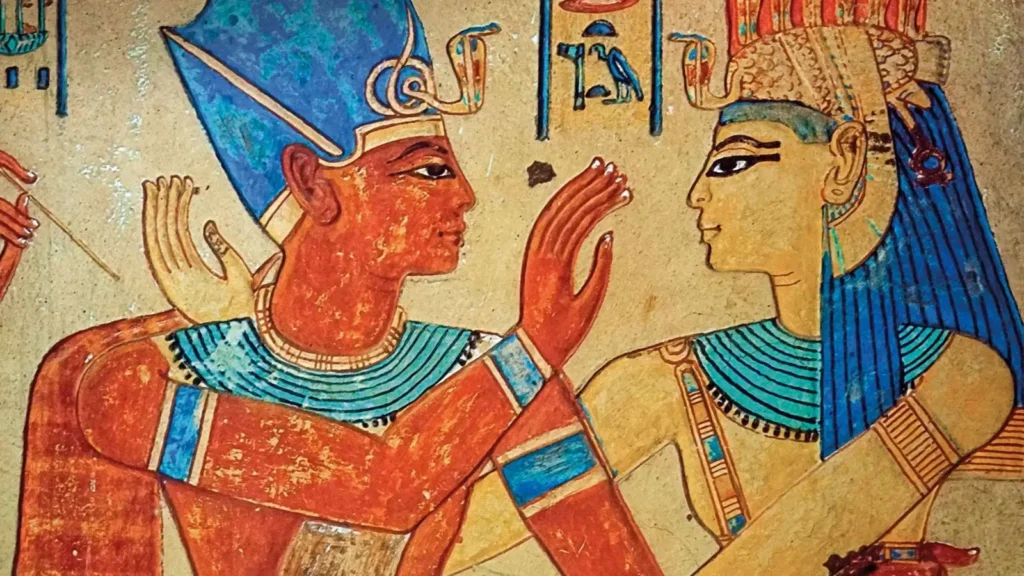
2. The Great Betrayal: The Murder of Osiris
At the heart of Egyptian mythology is the tragic and powerful saga of Osiris, the first legendary king of Egypt who brought civilization, agriculture, and laws to humanity. Osiris ruled alongside his sister-wife, Isis, in a literal "Golden Age" of peace and prosperity. However, this perfection incited the burning jealousy of his brother, Set, the god of storms and desert chaos. Set devised a cunning plan to overthrow Osiris, constructing a magnificent chest tailored exactly to his brother's measurements. During a royal banquet, Set challenged the guests to see who could fit inside; when Osiris lay down, Set and his conspirators slammed the lid shut, sealed it with molten lead, and cast it into the Nile. This act of fratricide represented the first instance of death and disorder in the world. The myth of Osiris’s murder is central to the Egyptian understanding of kingship and the cyclical nature of life, teaching that even the most divine order can be threatened by chaos, yet death is not the final end.
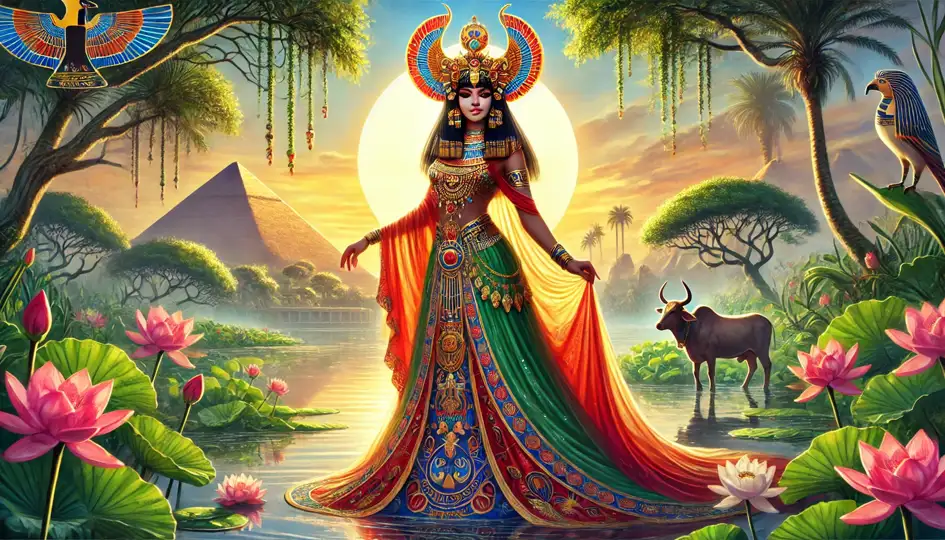
3. The Quest of Isis: Magic and the Resurrection
Following the disappearance of Osiris, the goddess Isis embarked on a legendary quest to find her husband's body, transforming into a mourning bird as she searched the banks of the Nile. Her journey took her as far as Byblos, where she eventually recovered the chest. However, the conflict escalated when Set discovered the body and, in a fit of rage, tore it into fourteen pieces, scattering them across the length of Egypt. Undeterred, Isis used her formidable magical powers, assisted by her sister Nephthys and the jackal-headed god Anubis, to locate every fragment (except one). Through the first-ever ritual of mummification, Isis reassembled the body and used her wings to breathe life back into Osiris. Though he could not return to the world of the living, he was resurrected as the Lord of the Underworld. This myth established Isis as the ultimate protector and mistress of magic, and it provided the blueprint for all future Egyptian funerary practices, offering hope that through divine intervention, the physical body could be restored for an eternal existence.
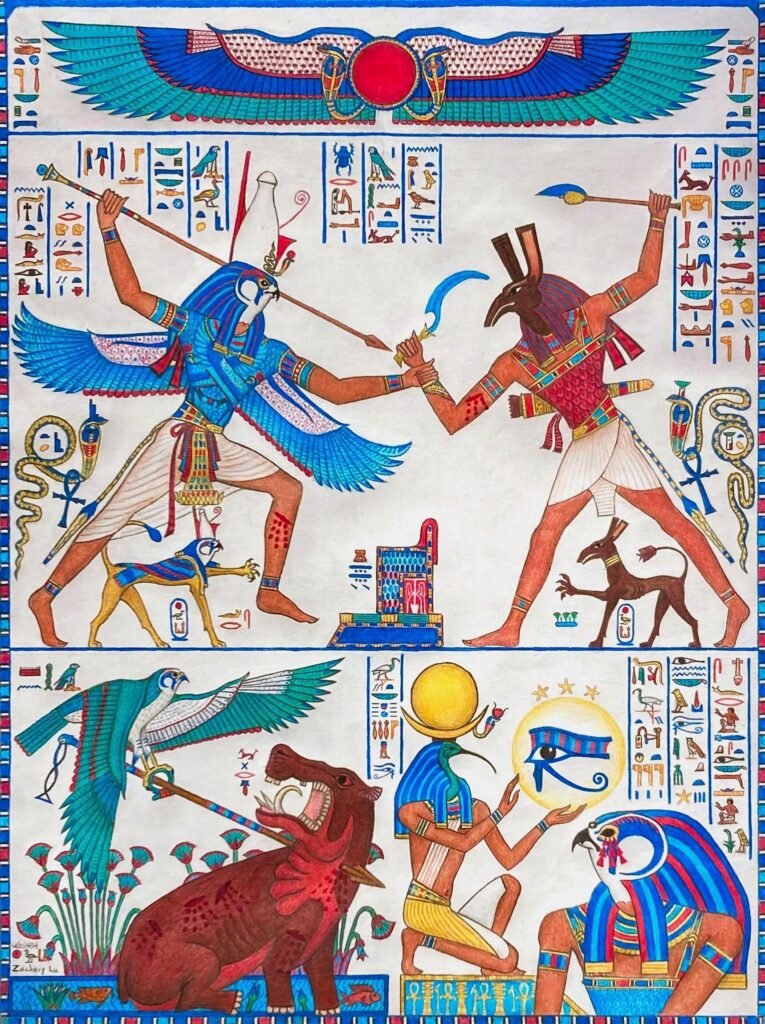
4. The Eye for an Eye: The Contendings of Horus and Set
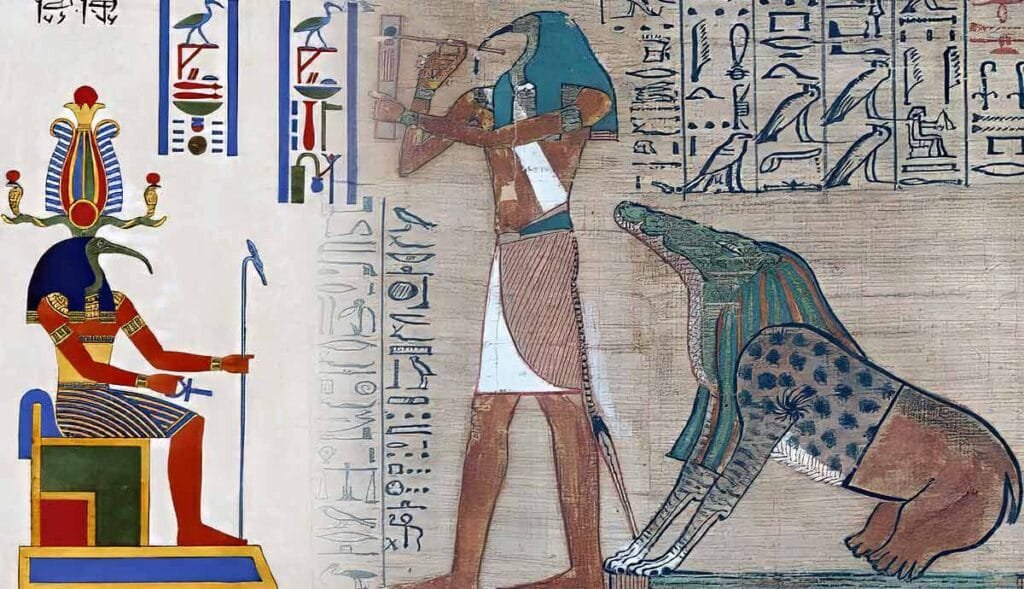
The struggle for the throne of Egypt continued into the next generation with the birth of Horus, the son of Isis and the resurrected Osiris. Raised in secret within the marshes of the Delta, Horus grew into a powerful falcon-headed warrior destined to avenge his father and reclaim his birthright. The "Contendings of Horus and Set" was a violent and protracted legal and physical battle that lasted eighty years. The most famous episode involved Set gouging out Horus’s left eye, which was later healed by the god Thoth, becoming the "Wedjat" or the Eye of Horus—a symbol of healing and protection. Eventually, the divine tribunal of gods ruled in favor of Horus, declaring him the rightful King of the Living, while Set was banished to the desert. This myth served to legitimize the Pharaoh’s authority, as every living king was seen as the "living Horus," while the deceased king became an "Osiris," ensuring a continuous and divine line of succession.
5. The Eternal Enemy: Ra and the Serpent Apophis
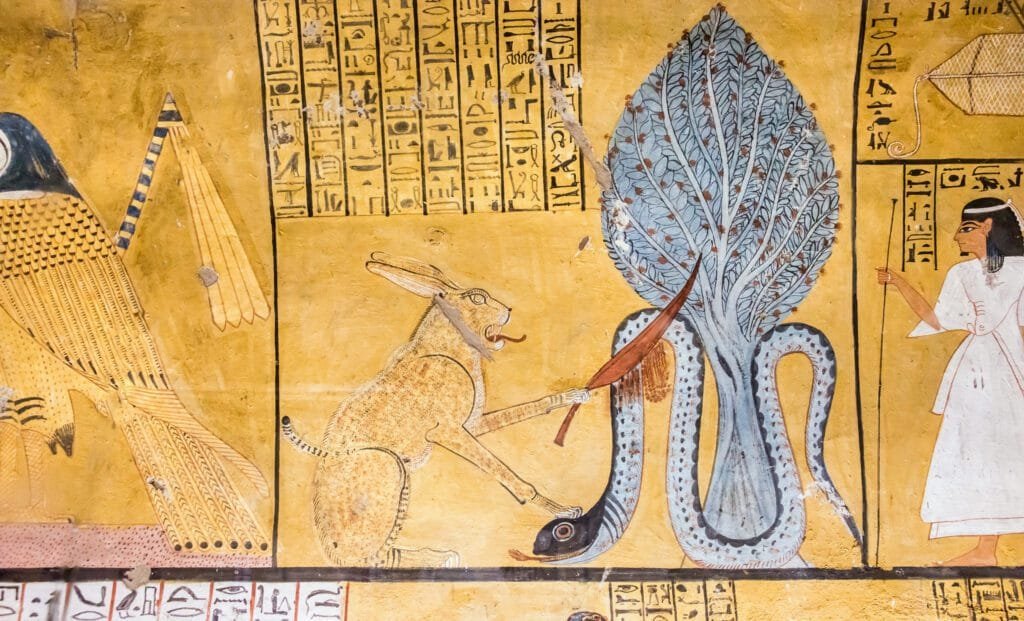
In the celestial realm, the most critical myth concerned the sun god Ra and his nightly journey through the Duat (the underworld). The Egyptians believed that every night, Ra traveled in his solar barque from west to east, battling the forces of darkness to ensure the sun would rise the next morning. His greatest adversary was Apophis, a colossal and terrifying serpent representing pure, uncreated chaos. Apophis sought to swallow the sun and plunge the world back into the primordial waters of Nun. During the seventh hour of the night, Ra’s crew—including fierce protectors like Set and Mehen—would fight a desperate battle against the serpent. This myth was a powerful metaphor for the fragility of existence; it taught that the world did not survive by accident, but through a constant, nightly struggle between light and darkness. Every sunrise was celebrated as a victory of Ra over Apophis, a daily renewal of the world that required the prayers and rituals of humanity to assist the divine forces.
6. The Wisdom of Thoth: The Invention of Writing and Time
Following the disappearance of Osiris, the goddess Isis embarked on a legendary quest to find her husband's body, transforming into a mourning bird as she searched the banks of the Nile. Her journey took her as far as Byblos, where she eventually recovered the chest. However, the conflict escalated when Set discovered the body and, in a fit of rage, tore it into fourteen pieces, scattering them across the length of Egypt. Undeterred, Isis used her formidable magical powers, assisted by her sister Nephthys and the jackal-headed god Anubis, to locate every fragment (except one). Through the first-ever ritual of mummification, Isis reassembled the body and used her wings to breathe life back into Osiris. Though he could not return to the world of the living, he was resurrected as the Lord of the Underworld. This myth established Isis as the ultimate protector and mistress of magic, and it provided the blueprint for all future Egyptian funerary practices, offering hope that through divine intervention, the physical body could be restored for an eternal existence.
7. The Hall of Truth: The Weighing of the Heart
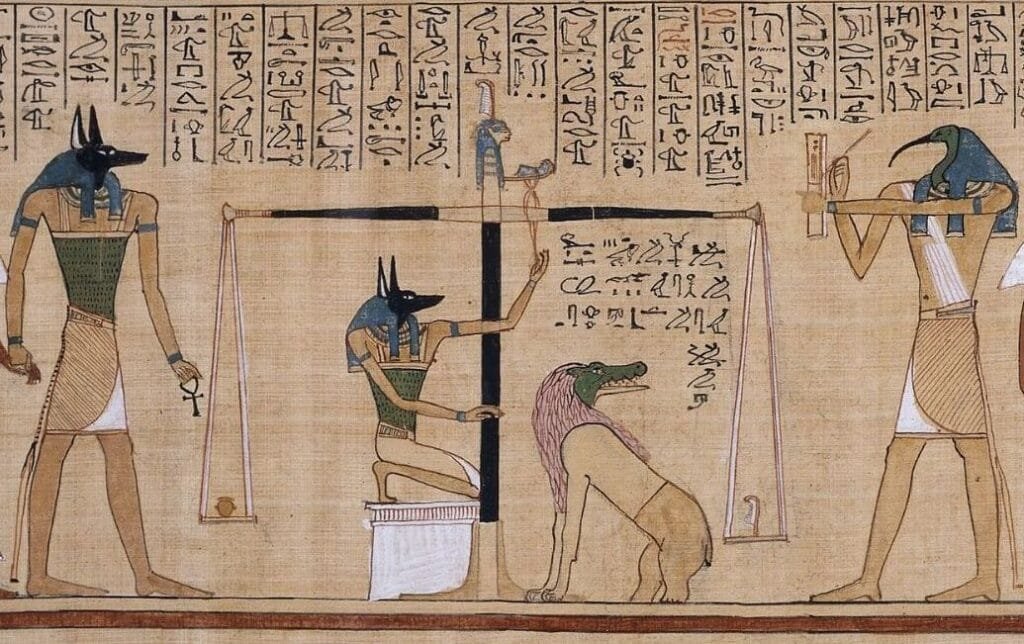
The most feared and revered myth concerning the afterlife takes place in the Hall of Two Truths, where every deceased soul faced its final judgment before Osiris. The center of this myth is the "Weighing of the Heart" ceremony. The heart of the deceased, containing their life's deeds and character, was placed on a golden scale against the Feather of Ma'at, representing cosmic truth and justice. Anubis, the god of mummification, oversaw the scales, while Thoth recorded the result. If the heart was lighter than or equal to the feather, the soul was deemed "True of Voice" and welcomed into the eternal Paradise of the Field of Reeds. However, if the heart was heavy with sin, it was immediately devoured by Ammit—the "Devourer of the Dead," a terrifying hybrid creature with the head of a crocodile, the body of a lion, and the hindquarters of a hippopotamus. This myth functioned as the moral compass of Egyptian society, reinforcing the idea that one's actions in life carried eternal consequences and that no one, not even a king, was above the law of divine justice.
8. The Secret Name of Ra: Isis and the Great Deception
One of the most intriguing myths involving the use of magic and divine politics is the story of how Isis gained her immense power by tricking the aging sun god, Ra. Knowing that Ra’s power resided in his secret, true name—a name unknown even to the other gods—Isis collected some of Ra's saliva as it fell to the earth and mixed it with clay to create a venomous serpent. She placed the snake along Ra's daily path, and when it bit him, the god was plunged into excruciating pain that his own magic could not heal. Isis offered to cure him, but only if he revealed his secret name. As the poison neared his heart, Ra finally relented and whispered his name into Isis’s ear. With this knowledge, Isis became the "Great of Magic," possessing the power to control the universe and command the gods themselves. This myth highlights the Egyptian belief that names held absolute power and that even the highest gods were subject to the cleverness and "heka" (magic) of those who knew the secrets of the cosmos.
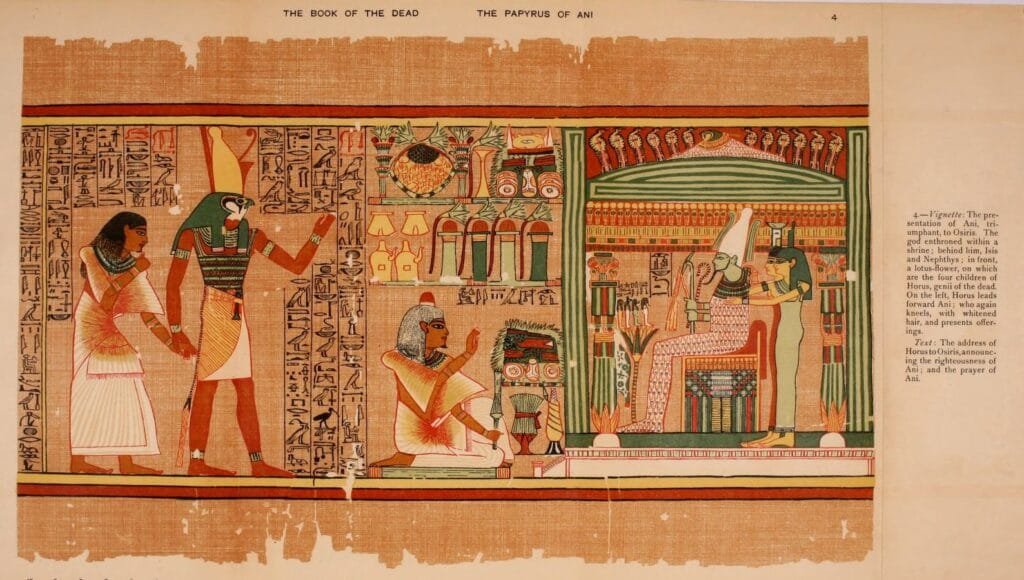
9. The Destruction of Mankind: Sekhmet and the Red Beer
As Ra grew old, he noticed that humanity had begun to rebel against his divine laws. Enraged, he dispatched his "Eye"—manifested as the terrifying lioness goddess Sekhmet—to punish them. Sekhmet descended upon the earth with such bloodlust that she threatened to wipe out the entire human race, far exceeding the punishment Ra had intended. Realizing that there would be no one left to offer sacrifices if Sekhmet continued her slaughter, Ra devised a clever ruse. He ordered the brewing of seven thousand jars of beer, which were dyed red with pomegranate juice or ochre to look like blood, and flooded the fields. Sekhmet, thinking the liquid was the blood of her victims, drank until she became deeply intoxicated and fell into a peaceful sleep. When she woke, her rage had vanished, and she transformed into the gentle, cat-headed goddess Bastet or the beautiful Hathor. This myth served as a reminder of the dangerous power of the gods and the delicate balance between destruction and mercy that maintained the world.
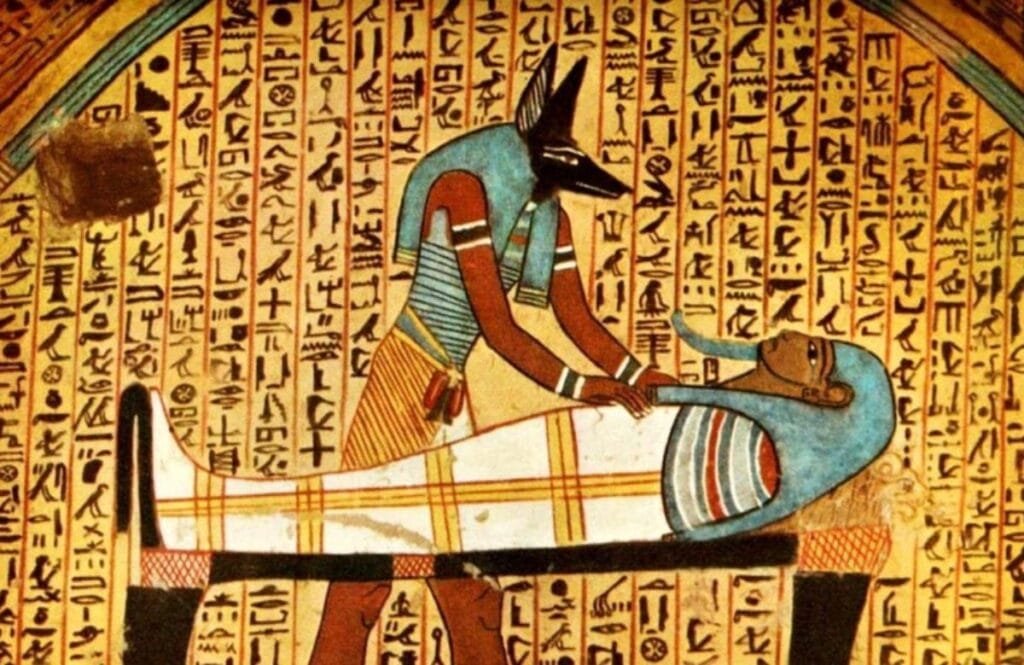
10. The Lamentations of Isis and Nephthys: The Magic of Grief
Following the death of Osiris, the "Lamentations" performed by his sisters, Isis and Nephthys, became a foundational myth for the Egyptian understanding of mourning and spiritual protection. The sisters were often depicted as two kites (birds of prey) hovering over the body of the deceased king, their cries serving as a powerful magical barrier against the forces of decay and evil spirits. These "weeping goddesses" symbolized the transformative power of grief; they did not merely mourn Osiris, but their ritualized crying was believed to literally "re-knit" his spirit and call his soul back from the void. In every Egyptian funeral, two women would take on the roles of Isis and Nephthys, reciting specific hymns known as the Lamentations. This myth turned human sorrow into a sacred act, teaching that the love and devotion of family were strong enough to pierce the veil of death and assist the soul in its transition to the afterlife.
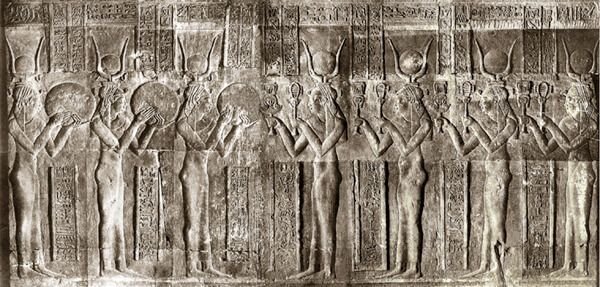
11. The Seven Hathors: The Mystery of Fate
In the mythic tapestry of Egypt, the Seven Hathors were a group of goddesses who appeared at the birth of a child to proclaim their destiny. This myth introduced the concept of "Shai" (fate) and "Renenutet" (fortune), suggesting that while a person had the free will to live according to Ma'at, the major milestones of their life—particularly the manner of their death—were woven into the fabric of the universe from the moment they were born. In stories like "The Tale of the Doomed Prince," the Hathors predict a specific fate that the protagonist tries desperately to escape, usually to no avail. Unlike the grim, unyielding Fates of Greek mythology, however, the Seven Hathors were associated with music, dance, and joy, suggesting that destiny was not a burden but a divine design. Their role in myth emphasized that every individual had a specific place in the cosmic order, and that understanding one's destiny was the first step toward achieving harmony with the gods.
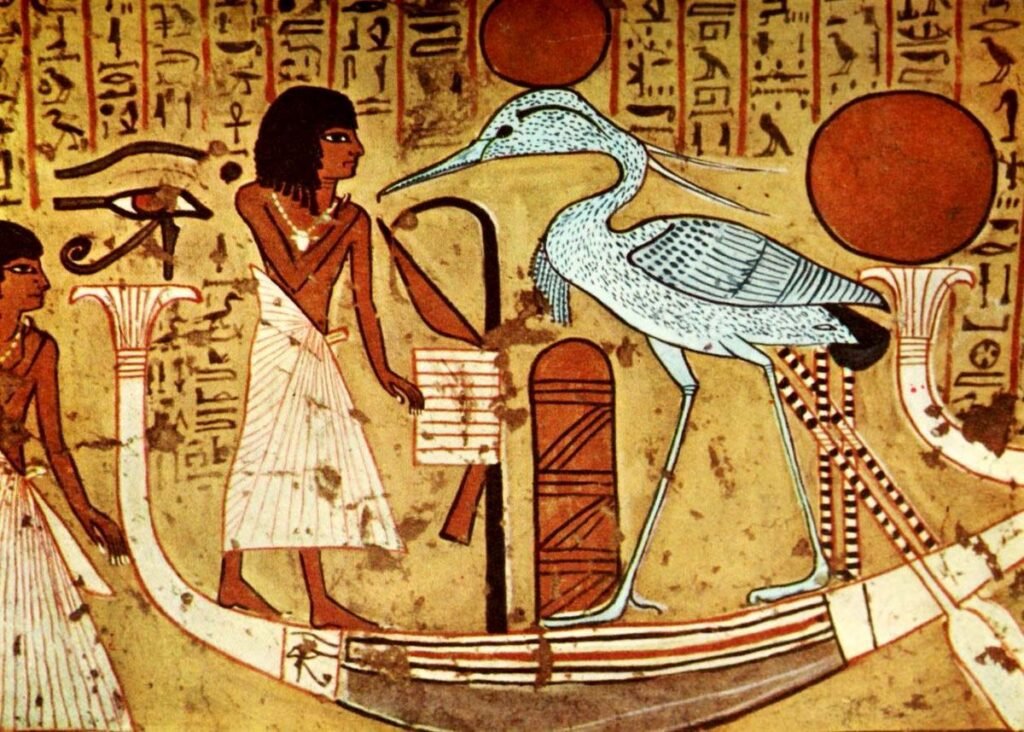
12. The Phoenix and the Eternal Cycle: The Myth of the Bennu Bird
The Bennu bird, a magnificent heron-like creature with golden plumage, was the Egyptian inspiration for the later Greek Phoenix. In mythology, the Bennu was said to have been the first living creature to cry out over the primordial waters of Nun, its call setting the vibration for the start of time. It was the "Ba" (soul) of the sun god Ra and was believed to renew itself every few hundred years by burning in a sacred fire and rising again from the ashes. This myth was the ultimate symbol of rebirth and the cyclical nature of the Egyptian universe. It tied together the rising and setting of the sun, the annual flooding of the Nile, and the resurrection of the human soul. The Bennu reminded the Egyptians that in their world, nothing truly ever ended; every sunset was merely the prelude to a sunrise, and every death was the beginning of a new, more glorious life. This eternal optimism, rooted in the myth of the bird that creates itself, was the final and most powerful legacy of Egyptian mythology.