- Excursions in Egypt
- Egypt Tour Packages
- Cairo Tours and Excursions
- Hurghada Tours and Excursions
- Soma Bay Tours and Excursions
- Makadi Bay Tours and Excursions
- Sahl Hasheesh Tours and Excursions
- El Gouna Tours and Excursions
- Marsa Alam Tours and Excursions
- Port Ghalib Tours and Excursions
- El Quseir Tours and Excursions
- Dendera and Abydos Day Tours
- Aswan Tours and Excursions
- Luxor Tours and Excursions
- Sharm El Sheikh Tours and Excursions
- Top Rated Egypt Tours in 2026
- Optional Excursions in Egypt
- Private Transfer
- Blogs About egypt
- Ancient Egypt
- Historical Sites in Egypt
- Cairo
- Alexandria
- Luxor
- Aswan
- The Red Sea
- Dendera Temple
- El Fayoum Oasis
- Bahariya Oasis
- Siwa Oasis
- Al Alamein
- Marsa Matruh
- Why Egypt Is One of the Safest Countries to Visit in the Middle East
- What You Need To know Before Your First Trip To Egypt
- Egypt Travel Costs in 2026 Full Budget Guide
- Top 10 Tourist Activities in Egypt
- Top 50 Activities You Can’t Miss in Egypt in 2026
- The Guide to Guided Tours in Egypt
- Egypt’s Ancient and Modern History
- The Nile River
- The Deserts of Egypt
- Ancient Egyptian gods
- famous Egyptian dishes
- UNESCO World Heritage sites
- About Us
- Egypt Hotels and Resorts
- Excursions in Egypt
- Egypt Tour Packages
- Cairo Tours and Excursions
- Hurghada Tours and Excursions
- Soma Bay Tours and Excursions
- Makadi Bay Tours and Excursions
- Sahl Hasheesh Tours and Excursions
- El Gouna Tours and Excursions
- Marsa Alam Tours and Excursions
- Port Ghalib Tours and Excursions
- El Quseir Tours and Excursions
- Dendera and Abydos Day Tours
- Aswan Tours and Excursions
- Luxor Tours and Excursions
- Sharm El Sheikh Tours and Excursions
- Top Rated Egypt Tours in 2026
- Optional Excursions in Egypt
- Private Transfer
- Blogs About egypt
- Ancient Egypt
- Historical Sites in Egypt
- Cairo
- Alexandria
- Luxor
- Aswan
- The Red Sea
- Dendera Temple
- El Fayoum Oasis
- Bahariya Oasis
- Siwa Oasis
- Al Alamein
- Marsa Matruh
- Why Egypt Is One of the Safest Countries to Visit in the Middle East
- What You Need To know Before Your First Trip To Egypt
- Egypt Travel Costs in 2026 Full Budget Guide
- Top 10 Tourist Activities in Egypt
- Top 50 Activities You Can’t Miss in Egypt in 2026
- The Guide to Guided Tours in Egypt
- Egypt’s Ancient and Modern History
- The Nile River
- The Deserts of Egypt
- Ancient Egyptian gods
- famous Egyptian dishes
- UNESCO World Heritage sites
- About Us
- Egypt Hotels and Resorts
Welcome to
The Pyramid of Menkaure: The Elegant Finale of Giza
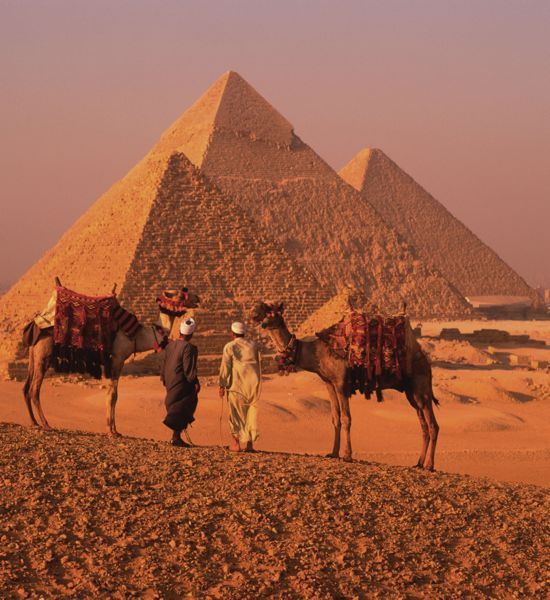
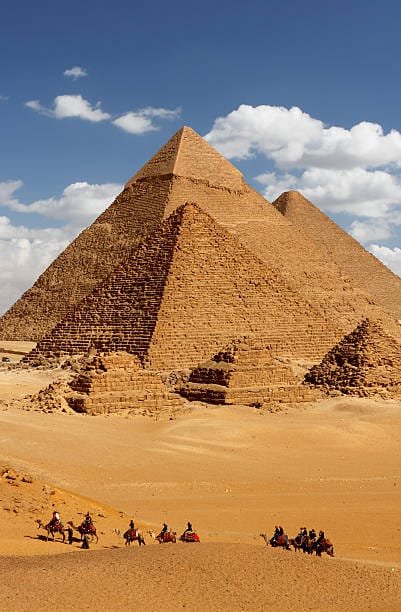
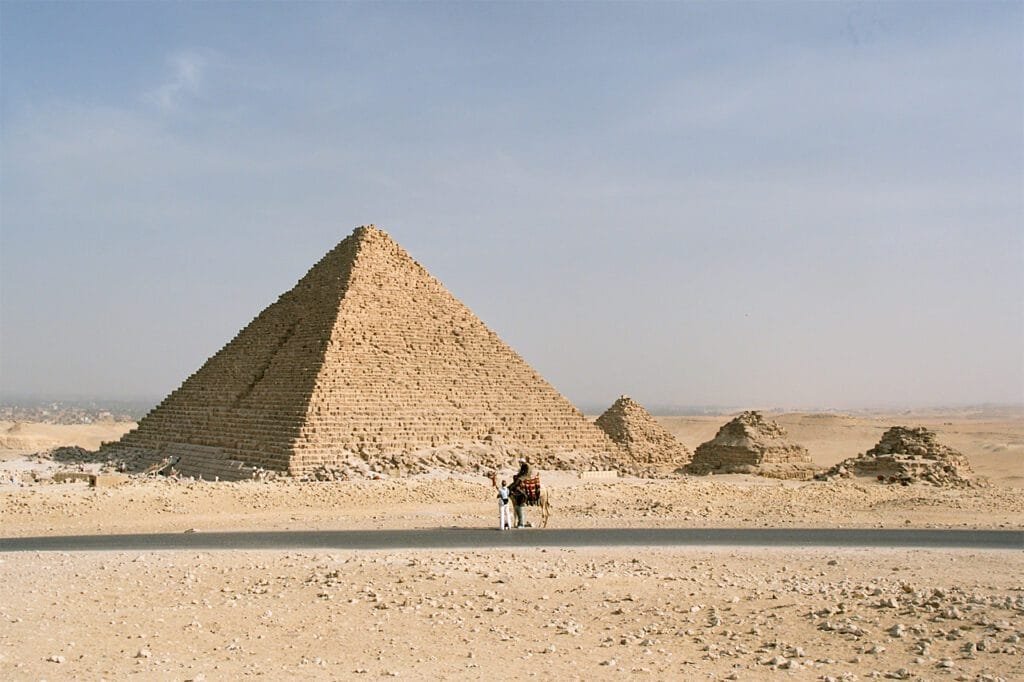
While the Great Pyramids of Khufu and Khafre dominate the skyline with their sheer scale, the Pyramid of Menkaure stands as a testament to a different kind of royal ambition—one defined by elegance, complexity, and a stunning use of materials. As the smallest of the three iconic pyramids on the Giza Plateau, it is often overshadowed by its massive neighbors, yet for the discerning traveler and historian, it represents the refined conclusion of the Fourth Dynasty’s architectural evolution. Built for Pharaoh Menkaure, the son of Khafre, this monument rises to a height of 65 meters, offering a more intimate and detailed glimpse into the craftsmanship of the Old Kingdom. Its most striking feature is the partial casing of red Aswan granite that still adorns its lower courses, a luxurious departure from the standard white limestone that once covered the other pyramids. This “Red Pyramid of Giza” was intended to be a masterpiece of polychromatic beauty, reflecting the sun’s rays in a fiery crimson hue. Beyond its aesthetic appeal, the Pyramid of Menkaure is surrounded by a complex of three smaller “Queens’ Pyramids” and a magnificent funerary temple where some of the most famous statues in Egyptian history were discovered. It is a site that invites a slower, more contemplative exploration, away from the overwhelming crowds of the larger structures. To stand before Menkaure’s pyramid is to witness the final, sophisticated breath of an era that changed the world forever. It is not merely the “third” pyramid; it is a jewel of precision and persistence, proving that majesty is not measured by size alone, but by the enduring spirit and artistic vision of those who dared to touch the sky.
1. Pharaoh Menkaure: The Pious King
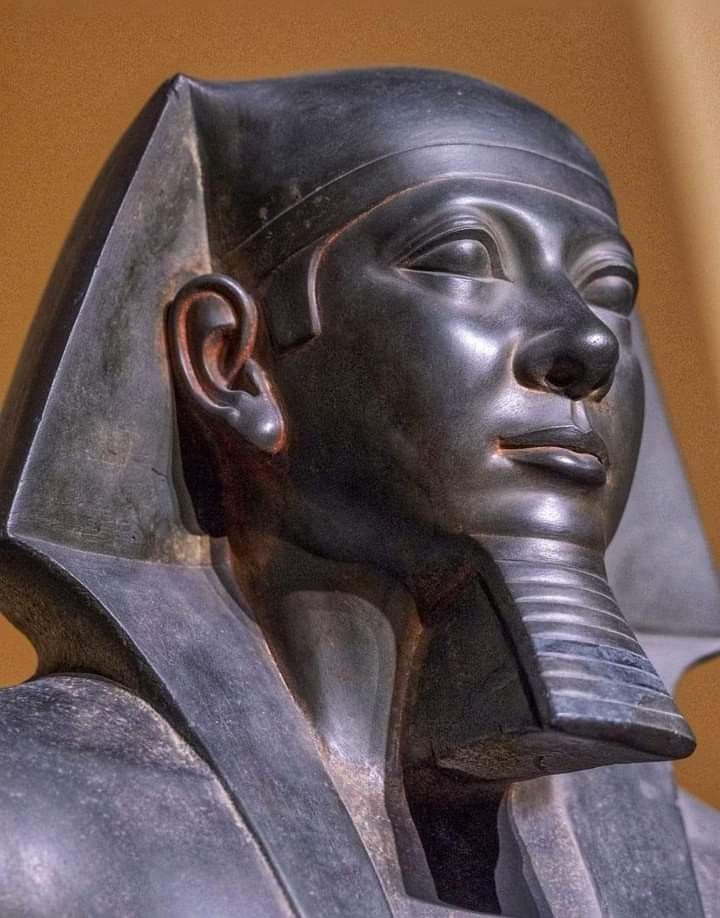
To appreciate the third pyramid of Giza, one must look at the character of the man who commissioned it: Menkaure (or Mykerinos in Greek). Ascending the throne during the Fourth Dynasty, Menkaure inherited a kingdom that had been exhausted by the massive building projects of his father, Khafre, and grandfather, Khufu. Ancient traditions, recorded by historians like Herodotus, often contrast Menkaure with his predecessors. While Khufu and Khafre were sometimes depicted as stern or even tyrannical rulers, Menkaure was celebrated as a "pious" and "just" king. He reportedly reopened the temples and allowed the people to return to their private lives, earning him a reputation for benevolence that lasted for centuries. His decision to build a smaller pyramid was not necessarily a sign of declining power, but perhaps a reflection of a shifting royal ideology. Menkaure chose to focus on the quality and variety of materials rather than sheer volume, creating a monument that felt more refined and human-centric. His reign was a time of high artistic achievement, evidenced by the stunning "Menkaure Triads"—statues found in his valley temple that show him flanked by goddesses, radiating a sense of serene authority. For the visitor, Menkaure’s pyramid is the physical manifestation of this "softer" majesty. It represents a ruler who understood that true legacy is not found in height alone, but in the harmony of design and the enduring quality of the sacred space. By exploring his monument, you are connecting with a Pharaoh who sought to balance the divine requirements of kingship with a more compassionate approach to his people, leaving behind a jewel-like structure that completes the Giza trinity with grace and sophisticated poise.
2. The Granite Girdle: A Luxury in Stone
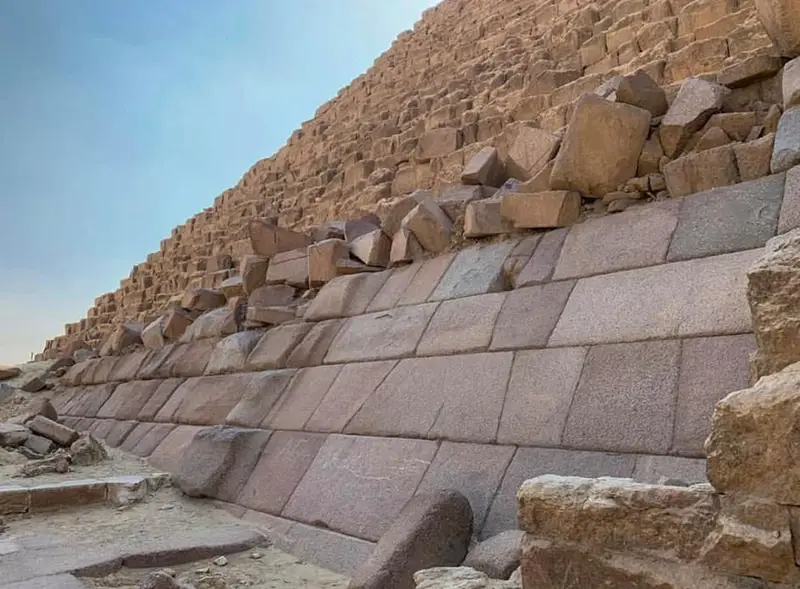
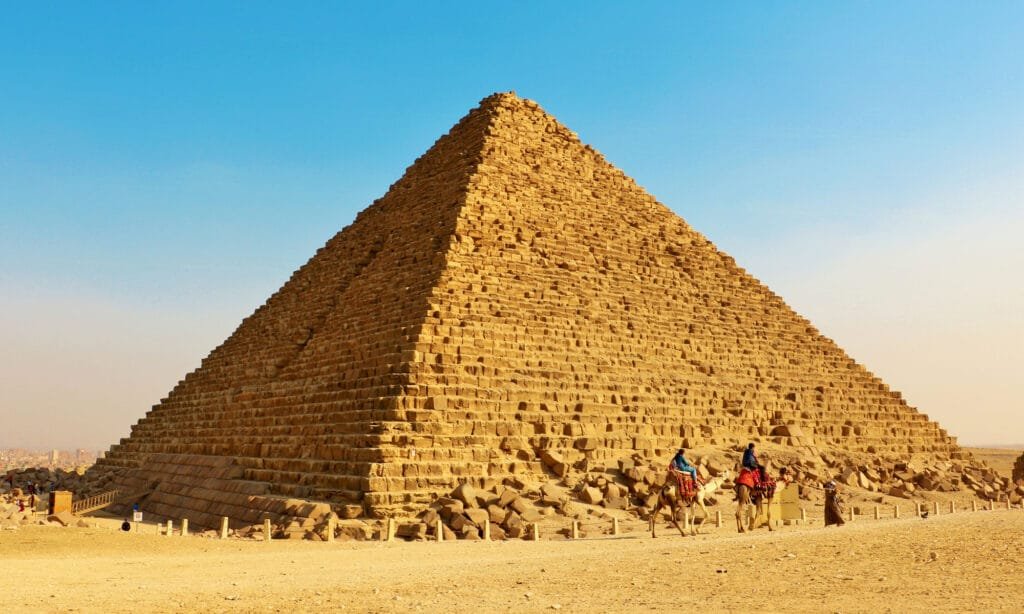
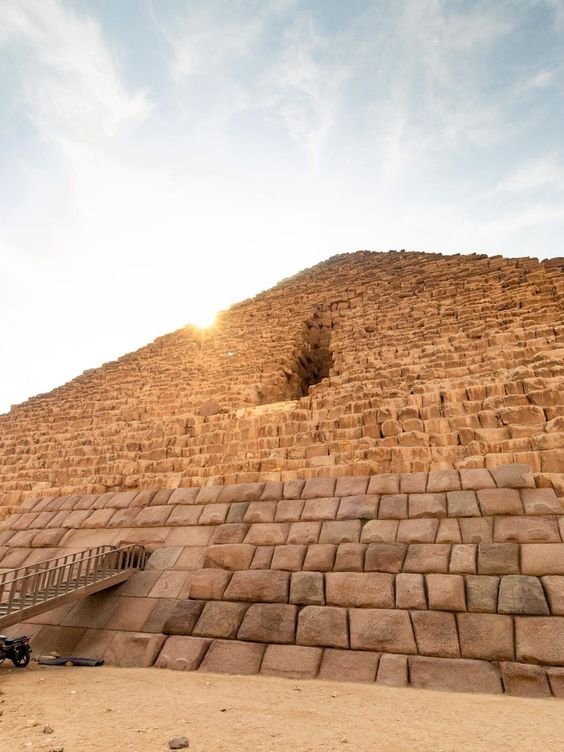
The most visually arresting feature of the Pyramid of Menkaure is its unique exterior casing, which distinguishes it from every other structure on the Giza Plateau. While the Great Pyramids were entirely encased in fine white Tura limestone, Menkaure’s architects made the bold decision to sheath the bottom sixteen courses of his pyramid in massive blocks of red Aswan granite. This was a monumental logistical undertaking, as granite is far harder to quarry and transport than limestone, requiring specialized tools and a journey of over 800 kilometers down the Nile. Today, these granite blocks remain in various states of completion, offering a rare "work-in-progress" look at ancient construction techniques. Some blocks are perfectly smoothed and polished, glowing with a deep, rose-colored hue under the Egyptian sun, while others remain rough and unfinished, still showing the "bosses" or protrusions used by workers to maneuver them into place. This "Granite Girdle" was intended to reach halfway up the pyramid, creating a striking two-tone effect against the white limestone that covered the upper half. For the traveler, standing at the base of Menkaure’s pyramid provides a tactile connection to the labor of the past. You can see the precision of the joints and the sheer scale of the granite slabs, some of which weigh several tons. This choice of material was a statement of eternal permanence; granite is one of the most durable stones on earth, ensuring that the King’s "House of Eternity" would withstand the elements far longer than the softer limestone. It is this marriage of red granite and white limestone that gives the pyramid its distinct character, proving that Menkaure prioritized luxurious quality over gargantuan scale in his quest for immortality.
3. The Architecture of Precision: A Compact Masterpiece
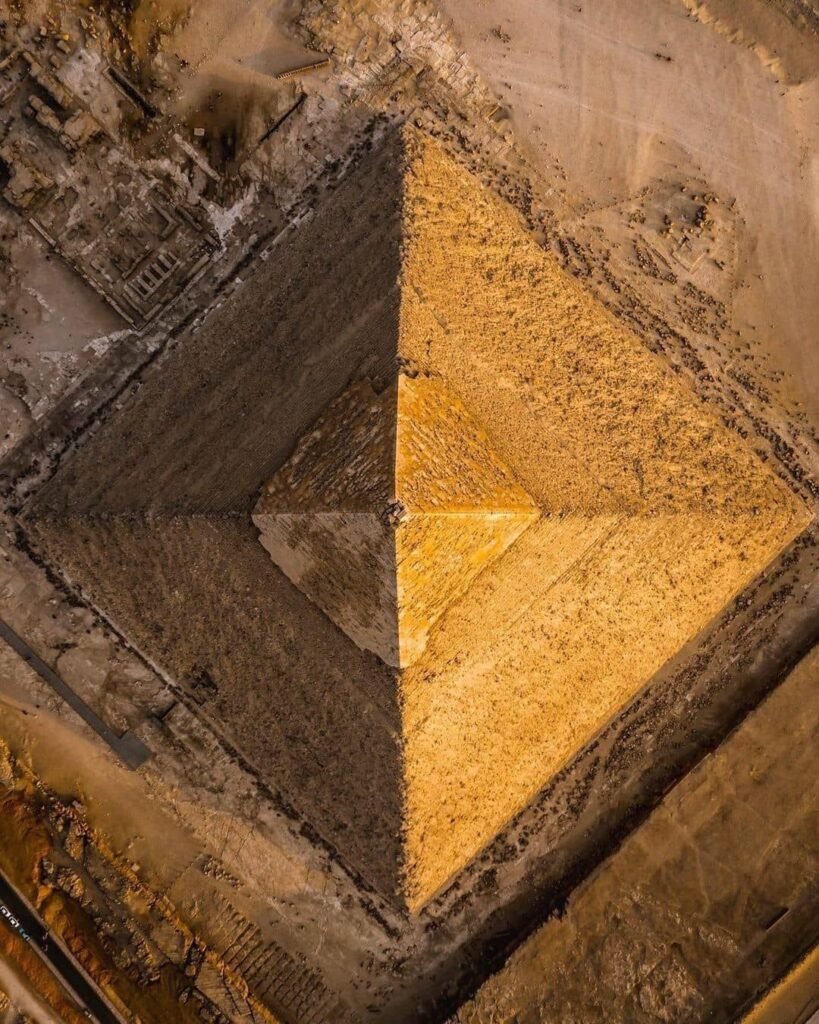
The Pyramid of Menkaure is a masterclass in the "less is more" philosophy of late Fourth Dynasty architecture. Standing at an original height of roughly 65 meters, it occupies less than a quarter of the base area of the Great Pyramid, yet its internal and external complexity is staggering. The core of the pyramid is made of local limestone, but its alignment and geometry are just as precise as its larger neighbors. One of the most fascinating aspects of its construction is the way it utilizes the natural landscape; the pyramid’s foundation is built upon a sloping limestone ridge, requiring the builders to level the ground with massive stone blocks before the main structure could rise. The interior of the pyramid is equally sophisticated, featuring a descending corridor that leads to a series of beautifully carved chambers. Unlike the simpler galleries of Giza’s other pyramids, Menkaure’s burial chamber is lined with solid granite and features a unique, barrel-vaulted ceiling that was carved into the underside of massive stone slabs to create the illusion of an arch. This chamber once held a magnificent basalt sarcophagus, decorated with an intricate "palace facade" motif, which was unfortunately lost at sea in the 19th century. For the modern visitor, the Pyramid of Menkaure offers a much more accessible and intimate exploration experience. The smaller scale allows you to appreciate the architectural details that are often lost in the sheer vastness of the Great Pyramid. It is a structure that rewards close inspection, revealing the peak of Old Kingdom engineering where every stone was placed with a deliberate focus on structural integrity and aesthetic harmony, making it the perfect, elegant finale to the Giza pyramid-building tradition.
4. The Mystery of the Gaping Wound: A Scar of History
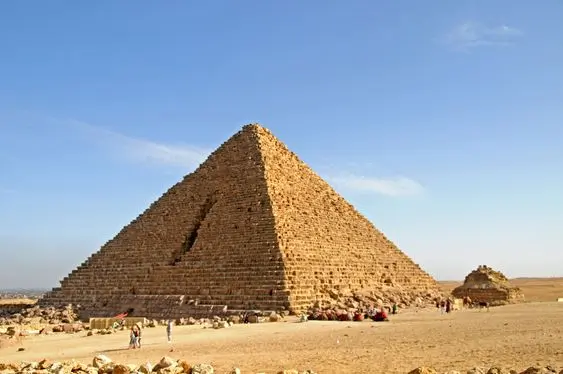
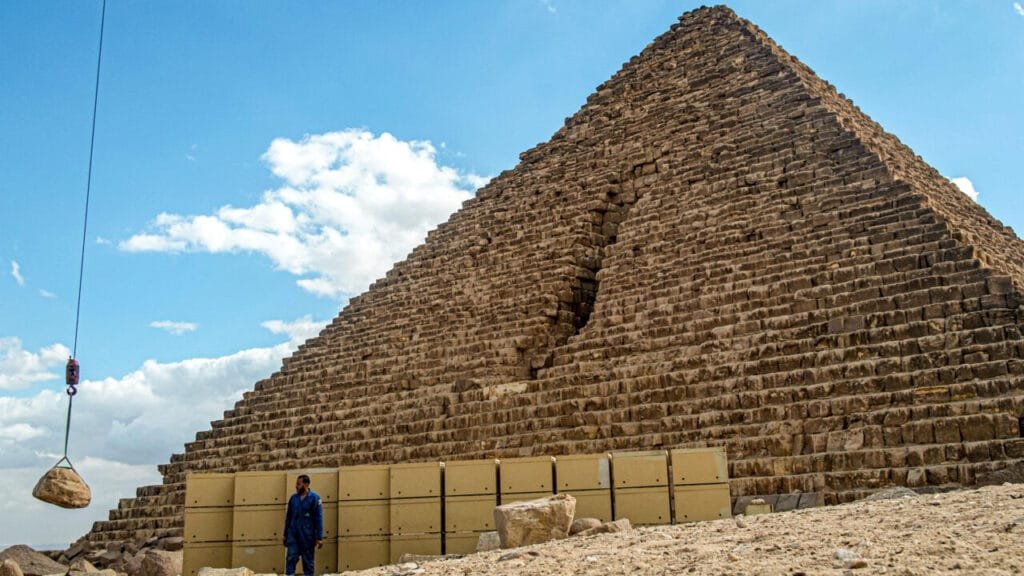
One of the first things visitors notice about the Pyramid of Menkaure is the large vertical cleft on its northern face—a deep, jagged "wound" in the stone that seems to pierce into its very core. This is not the result of natural erosion, but rather a testament to a dramatic historical event in the 12th century. Sultan Al-Aziz Uthman, the son of the legendary Saladin, attempted to demolish the Giza pyramids, starting with the smallest. For eight months, a massive team of laborers worked tirelessly, but the sheer strength of the ancient masonry proved nearly impossible to dismantle. They were only able to remove a few stones each day, and eventually, the cost and labor became too great to justify. The Sultan abandoned the project, leaving behind this vertical trench as a permanent scar. For the traveler, this opening provides a rare and fascinating "cross-section" of the pyramid’s interior construction. You can clearly see the massive, irregular blocks that form the inner core, layered with incredible density and precision. This "scar" serves as a powerful reminder of the pyramid’s resilience; even with a medieval army and deliberate intent, the structure stood firm against destruction. It adds a layer of raw, historical drama to the site, turning the pyramid into a survivor of both time and human interference. Looking into this opening, one realizes that these monuments were not just built to be tombs, but as indestructible fortresses of stone that could withstand even the most determined efforts to erase them from the landscape of history.
5. The Lost Sarcophagus: A Tragedy at Sea
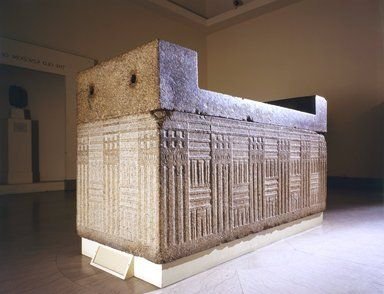
The Pyramid of Menkaure is the setting for one of the most heartbreaking mysteries in maritime archaeology: the disappearance of the King’s sarcophagus. In 1837, the British explorer Howard Vyse entered the burial chamber and discovered a magnificent sarcophagus made of dark basalt, intricately carved with the "palace facade" motif—a design representing the royal residence. Vyse, eager to bring this prize to England, shipped it aboard a vessel named the Beatrice in 1838. Tragically, the ship encountered a violent storm and sank somewhere in the Mediterranean, likely near the coast of Spain or the Bay of Biscay. The sarcophagus, along with other priceless artifacts from the pyramid, was lost to the depths of the ocean and has never been recovered. This loss remains a significant void in our understanding of Menkaure’s funerary art. For the modern visitor, knowing this story adds a touch of melancholy to the exploration of the interior. The empty granite burial chamber, while still architecturally stunning with its vaulted ceiling, feels like a silent witness to a stolen piece of history. There are ongoing dreams among underwater archaeologists to one day locate the wreck of the Beatrice and bring the "Giza treasure" back to its home. The story of the lost sarcophagus transforms the pyramid into more than just a monument; it becomes a symbol of the fragility of heritage and the eternal allure of the secrets that still lie hidden, whether beneath the desert sands or the waves of the sea.
6. The Three Queens: The Satellite Pyramids
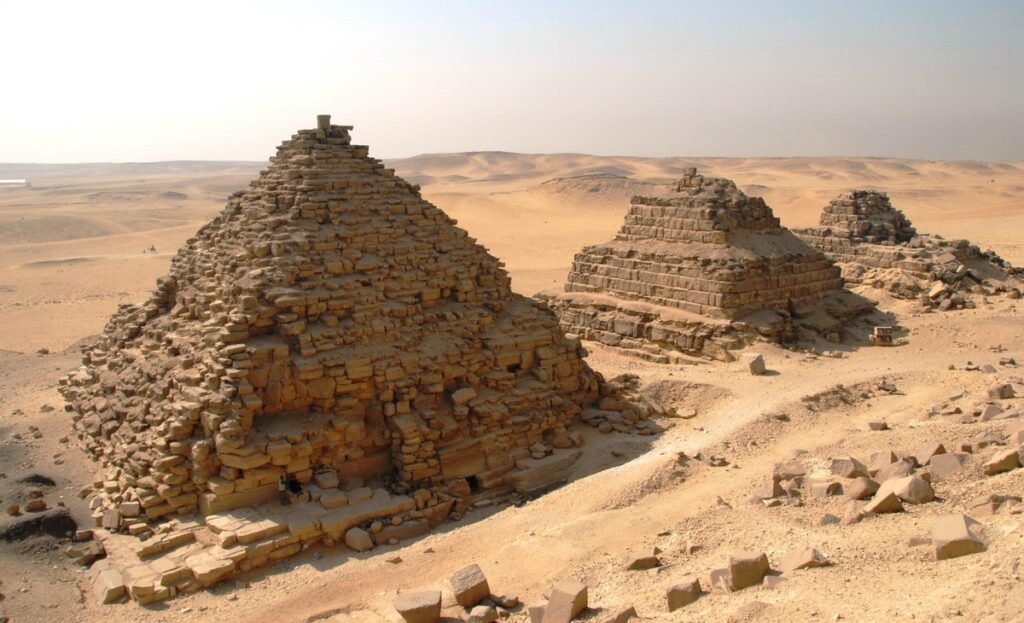
Standing in a neat row along the southern face of Menkaure’s pyramid are three smaller satellite structures known as the "Pyramids of the Queens." These mini-pyramids provide a fascinating look at the social and religious hierarchy of the Fourth Dynasty. Designated G3-a, G3-b, and G3-c, they were intended as the final resting places for Menkaure’s royal consorts. The easternmost of the three (G3-a) is the most complete, retaining much of its limestone casing and featuring its own small funerary temple. In its burial chamber, archaeologists discovered the remains of a young woman, likely one of Menkaure’s queens. The other two structures were left as "step" pyramids, perhaps unfinished or intentionally designed that way to reflect a different symbolic status. For the traveler, these smaller pyramids offer an intimate contrast to the main structure. They allow you to walk through a "neighborhood of the dead," where the Pharaoh’s family remained close to him for eternity. The area around these satellite pyramids is often quieter and less crowded, providing the perfect vantage point for photography and reflection. Exploring these "mini" monuments helps visitors understand that a pyramid was never a solitary object; it was the heart of a complex ecosystem of faith, family, and loyalty. The Queens' pyramids complete the architectural ensemble of the Menkaure complex, reminding us that the journey to the afterlife was a collective royal endeavor, where the king was surrounded by the women who supported his reign in life and his divinity in death.
7. The Valley Temple: Birthplace of the Triads
While the pyramid itself is a marvel, the Valley Temple of Menkaure, located at the edge of the plateau, is where some of the most spectacular treasures of the Old Kingdom were unearthed. Excavated by George Reisner in the early 20th century, this temple was found to contain a series of magnificent slate statues known as the "Menkaure Triads." These masterpieces depict the King flanked by the goddess Hathor and various personifications of Egypt’s provinces (nomes). The statues are world-renowned for their incredible detail, showing the King with a serene yet powerful physique, a testament to the peak of Fourth Dynasty sculpture. For the traveler, visiting the ruins of this temple—built primarily of mudbrick rather than stone—offers a deeper understanding of the Pharaoh’s religious role. It was here that the King’s body was likely received and prepared for its journey to the pyramid via the long, covered causeway. Although much of the mudbrick has eroded, the layout of the courts and offering rooms is still visible. Standing in the footprint of this temple, you can visualize the vibrant cult of Menkaure that continued for centuries after his death, with priests performing rituals to ensure his eternal life. The Valley Temple serves as a reminder that the pyramid was not just a tomb, but the focus of a thriving spiritual community, where the finest artists of the age dedicated their lives to immortalizing their King in the most beautiful stone ever carved.
8. Logistics and Labor: Building the Smallest Giant
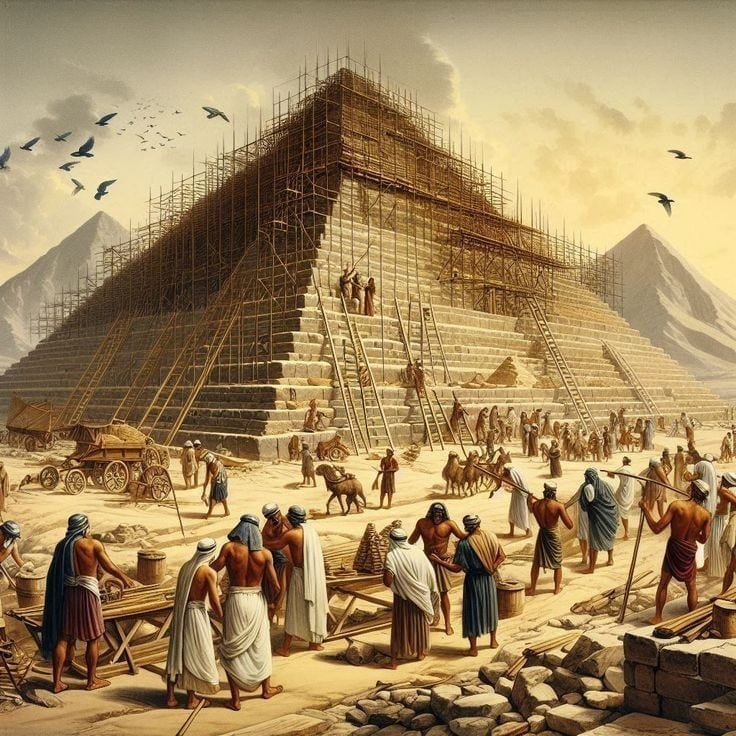
Constructing the Pyramid of Menkaure presented a unique set of logistical challenges that differed significantly from those of the Great Pyramid. Although smaller in volume, the intensive use of Aswan granite meant that the transport requirements were incredibly demanding. Each granite block, weighing several tons, had to be quarried hundreds of miles to the south and ferried north during the Nile’s annual flood. Once at Giza, these blocks were likely moved up massive mudbrick ramps to the pyramid’s base. For the modern visitor, a close inspection of the unfinished granite casing reveals the "bosses"—protuberances left on the stone to provide leverage for the workers' levers and ropes. These marks are like the "fingerprints" of the ancient builders, offering a raw look at the labor-intensive process of stone-setting. Recent excavations in the nearby "Lost City of the Builders" have shown that the men who built Menkaure's pyramid were well-fed and provided with medical care, debunking the myth of slave labor. They were a professional workforce of thousands, living in a highly organized city with bakeries and barracks. Understanding the human scale of the construction adds a layer of empathy to your visit. You are not just looking at a pile of stone, but at the collective effort of an entire nation that mobilized its resources and its people to create a monument of lasting beauty. It is a story of grit, skill, and an unwavering devotion to the idea of the eternal, carved into every course of granite and limestone.

9. The Sunset of an Era: A Final Reflection
As the sun sets behind the Giza Plateau, casting long shadows across the desert, the Pyramid of Menkaure takes on a special, quiet majesty. While its larger neighbors glow in the fading light, Menkaure’s monument—with its rugged granite base and scarred northern face—stands as a poignant symbol of the end of the Great Pyramid Age. It was the last of the truly massive royal tombs built at Giza, as subsequent Pharaohs moved toward smaller structures and more elaborate temple complexes. For the traveler, this is the perfect moment for reflection. You have walked the ground of the most famous necropolis on earth and stood before the final great masterpiece of the Fourth Dynasty. Menkaure’s pyramid teaches us that greatness is not always about size; it is about the courage to innovate with new materials and the grace to create a monument that complements, rather than competes with, its surroundings. It is a structure that bridges the gap between the monumentalism of the early Old Kingdom and the refined artistry of the centuries that followed. As you leave the plateau, the image of Menkaure’s pyramid—elegant, resilient, and deeply storied—will likely be the one that stays with you. It is a hauntingly beautiful conclusion to the Giza story, a reminder that even in the shadow of giants, there is room for a different kind of perfection. It remains a timeless sentinel of history, inviting every visitor to appreciate the sophisticated beauty of a civilization that changed the course of human imagination forever.
10. Entering the Heart: The Interior Journey
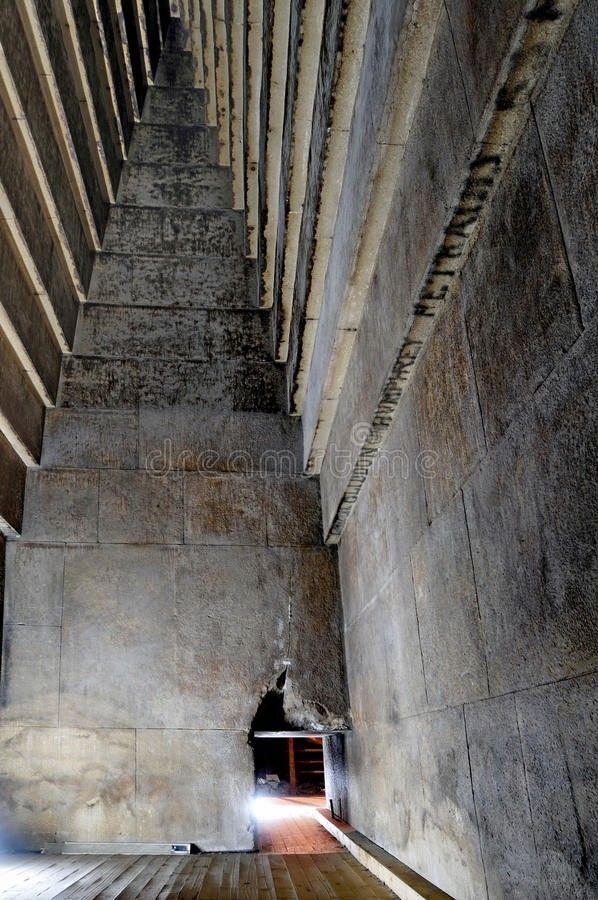
For the traveler seeking an intimate encounter with the Fourth Dynasty, the interior of Menkaure’s pyramid offers a fascinating and manageable adventure. Unlike the dizzying heights of the Great Pyramid’s Grand Gallery, the descent into Menkaure’s tomb feels more direct and grounded. Entering from the northern face, you navigate a sloping passage that leads to a beautifully carved chamber decorated with "palace facade" paneling—a rare artistic flourish inside a pyramid. Beyond this lies the main burial chamber, lined entirely with massive blocks of pink granite and featuring a unique, barrel-vaulted ceiling. Standing in this silent, subterranean room, you can feel the immense weight of the stone above and the profound stillness of the desert. The air is cool, and because this pyramid attracts fewer tourists than its neighbors, you often have the luxury of time to examine the precision of the masonry without feeling rushed. It is a sensory experience that connects you to the ancient past—the smell of the dry earth, the cool touch of the granite, and the absolute silence that was intended to protect the King’s soul for eternity. This journey into the heart of the pyramid is not just a physical climb; it is a spiritual transition into the "house of gold," where the line between the modern world and the ancient era of the Pharaohs momentarily vanishes.

11. Practical Tips for the Discerning Visitor
To make the most of your visit to the Pyramid of Menkaure, a few strategic tips can elevate your experience from a standard tour to a memorable expedition. First, prioritize your timing; the area around Menkaure’s pyramid is often blissfully quiet in the early morning or late afternoon, as large tour groups tend to cluster around the Great Pyramid and the Sphinx. This is the best time for photography, as the low sun brings out the rich, red hues of the granite casing. Secondly, ensure you purchase the specific ticket required to enter the pyramid, which is separate from the general plateau entrance fee. Since the interior is compact, it is a great choice for those who might feel claustrophobic in the larger structures but still want the thrill of going inside. Don’t forget to walk around to the southern side to view the three Queens’ Pyramids up close; the perspective from here provides some of the most iconic views of all three Giza pyramids lined up in a row. Wear comfortable, grip-soled shoes for the interior descent, and carry a small flashlight to appreciate the fine details of the stone paneling. By taking these small steps, you allow yourself the freedom to explore at your own pace, turning your visit into a personal discovery of the most elegant corner of the Giza Plateau.
12. The Enduring Legacy of the Third Giant
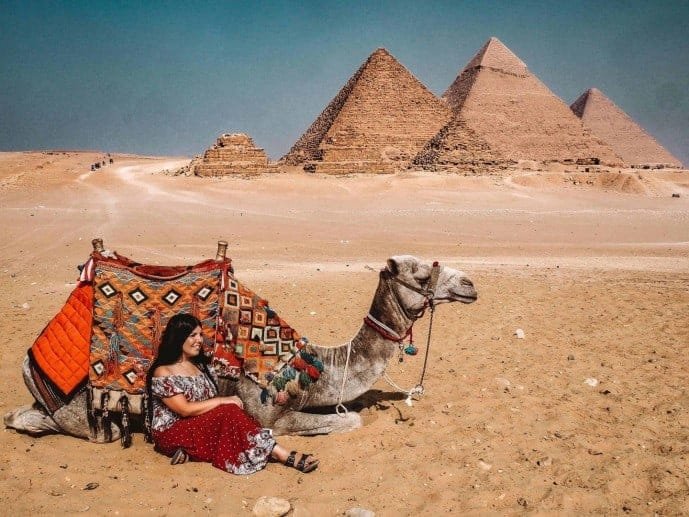
As you conclude your exploration of Menkaure’s monument, it becomes clear that its legacy is defined by more than just its physical dimensions. It stands as a symbol of the "human scale" of kingship—a bridge between the gargantuan ambitions of the early Fourth Dynasty and the more spiritually focused architecture that followed. Menkaure’s choice of granite over limestone, and quality over quantity, set a new standard for royal burials that would influence Egyptian art for thousands of years. Today, the pyramid remains a vital part of our global heritage, a sentinel of history that has survived attempts at demolition, the loss of its royal treasures, and the relentless passage of time. It reminds us that every story has a conclusion, and Menkaure provided a finale to the Giza Plateau that was both sophisticated and resilient. Whether you are a historian studying its unique vaulted ceiling or a traveler captured by the beauty of its "granite girdle," the pyramid leaves an indelible mark on the soul. It is a reminder that greatness is found in the details, and that the smallest of the Giza giants holds a power all its own. As you leave the sands of the plateau, the image of Menkaure’s pyramid—scarred but standing, elegant yet enduring—remains a hauntingly beautiful testament to the day the Pharaohs reached for the stars and succeeded in touching the eternal.
13. The Sculptural Soul: Menkaure and the Goddesses
To truly understand the legacy of the Pyramid of Menkaure, one must look beyond the stone and into the soul of the art found within its complex. The King's Valley Temple was the site of one of the most significant archaeological finds in history: the "Menkaure Triads." These exquisite sculptures, carved from dark schist, depict the King in his prime, flanked by the goddess Hathor and various provincial deities. What makes these statues so vital to the pyramid’s story is their breathtaking realism combined with divine idealism. The King is shown with a muscular, youthful physique, but it is the sense of intimate connection—the way the goddesses hold his arm or hand—that sets this era apart. For the traveler, this artistry explains the pyramid’s "small" scale; Menkaure’s reign was focused on the refinement of the royal image and the deepening of religious symbolism. The pyramid was not just a mountain of stone, but a stage for the finest sculptors of the Old Kingdom to prove that they could breathe life into the hardest minerals. These statues served as the "living" presence of the King, ensuring that his spirit would always be surrounded by divine protection. When you stand at the base of the pyramid today, you are standing in a place that once housed the pinnacle of human artistic achievement. The Triads remind us that the Menkaure complex was a sanctuary of beauty, where the power of the Pharaoh was expressed not through sheer volume, but through the graceful and eternal harmony of art and faith.
14. The Causeway: A Sacred Bridge Through Time
Linking the Valley Temple to the pyramid itself is the remains of the grand causeway, a sacred path that once served as the ceremonial artery of the funerary complex. Originally a covered corridor built of massive limestone blocks, the causeway was the route through which the King’s body was transported for its final rites. While today only the foundations and scattered stones remain, walking this path provides a profound sense of the site’s original choreography. To the ancient Egyptians, this was more than a road; it was a symbolic bridge between the fertile world of the living (represented by the Valley Temple near the Nile) and the silent desert of the ancestors. For the modern visitor, following the line of the causeway offers the best perspective on how Menkaure’s pyramid was integrated into the wider landscape. You can see how the architects aligned the structure to harmonize with the pyramids of Khufu and Khafre, creating a unified celestial map in stone. The causeway is the connective tissue of history, a place where you can almost hear the rhythmic chanting of the priests and the shuffle of feet during the royal funeral. It invites you to consider the incredible logistics of the Fourth Dynasty, where every movement and every stone was part of a meticulously planned ritual designed to conquer death. Exploring this path allows you to experience the pyramid not as an isolated object, but as the destination of a sacred journey—a final, steady ascent toward the stars that has remained unbroken for over four thousand years.

15. The Eternal Sentinel: Why Menkaure Still Matters
As your journey through the history of Menkaure’s pyramid reaches its conclusion, its enduring significance becomes clear. It is the pyramid that teaches us about resilience, adaptation, and the power of subtle elegance. In the grand narrative of the Giza Plateau, Menkaure stands as the "final word"—the elegant period at the end of a monumental sentence. It has survived the collapse of dynasties, the greed of treasure hunters, and even a deliberate attempt at its destruction, yet it remains standing with a rugged, quiet dignity that its larger neighbors cannot match. For the global traveler, the Pyramid of Menkaure is a reminder that the greatest legacy is often found in the quality of our work rather than the quantity of our reach. It represents a civilization that, at its peak, realized that beauty and precision were just as powerful as size. As the desert wind whistles through the vertical scar on its face and the sun warms the red granite of its base, the pyramid remains a timeless sentinel of human potential. It challenges us to look closer, to seek the stories hidden in the details, and to appreciate the sophisticated artistry of a people who turned the earth’s hardest stones into a gateway for the soul. Leaving the plateau, the image of Menkaure’s pyramid—the "third giant"—stays with you as a hauntingly beautiful symbol of the day humanity achieved a perfect balance between the earthly and the divine. It is a masterpiece that will continue to inspire awe and wonder as long as the sands of Egypt continue to shift beneath the eternal sun.
16. The Silence of the Stones: A Meditative Experience
While the Great Pyramid is often associated with the energy of discovery and the crowds of global tourism, the Pyramid of Menkaure offers something entirely different: the luxury of silence. Because it is the smallest and most distant of the Giza trinity, it provides a sanctuary for the meditative traveler. Standing on its southern side, away from the main thoroughfare, the noise of the modern world fades, replaced by the rhythmic whisper of the desert wind against the ancient granite. This silence is not empty; it is a heavy, resonant presence that allows you to truly contemplate the passage of four and a half millennia. It is here that the scale of the Old Kingdom becomes deeply personal. You can run your hand over the unfinished granite blocks and feel the pulse of history—the marks of the copper chisels and the sweat of the men who placed them. This quietude transforms the pyramid from a tourist destination into a place of pilgrimage. It invites you to reflect on the nature of time and the human desire to be remembered. For the soulful explorer, the "silence of Menkaure" is the most profound souvenir of Egypt. It is a moment of rare clarity where the distractions of life fall away, leaving only the stark, beautiful reality of a civilization that built for eternity. In this stillness, the pyramid ceases to be a tomb and becomes a mirror, reflecting our own search for meaning in a vast and shifting universe.
17. The Cultural Icon: Menkaure in the Modern Imagination
The Pyramid of Menkaure, despite its smaller stature, has carved a massive niche for itself in the global cultural consciousness. From the early sketches of 19th-century explorers to modern cinematic masterpieces, its distinctive "scar" and red granite base have made it an instantly recognizable icon of resilience. It serves as a reminder that history is not always polished and perfect; its wounds tell a story of survival that is often more compelling than a flawless facade. In literature and art, Menkaure’s pyramid often symbolizes the "human side" of the Pharaohs—the king who chose a smaller, more intimate path to immortality. This cultural resonance is what draws thousands of curious minds to Giza every year. It challenges our modern obsession with "bigger is better" and presents a different model of success: one based on quality, material complexity, and harmonious integration. For the traveler, seeing the pyramid in person is a moment of "cultural homecoming." You are standing before a monument that has inspired poets, architects, and dreamers for centuries. It is a living classroom where the lessons of the past—about persistence, failure, and artistic integrity—are still being taught. The pyramid’s ability to remain relevant and inspiring in an age of digital wonders is a testament to its spiritual power. It continues to be a sentinel of human achievement, a dark and golden peak that connects the aspirations of the ancient world with the curiosity of the modern age, ensuring that the name of Menkaure is never forgotten.
18. The Final Horizon: A Farewell to Giza’s Jewel
As your footsteps take you away from the Pyramid of Menkaure and toward the edge of the plateau, the image of this elegant monument remains etched in the mind's eye. It is the final horizon of the Fourth Dynasty—a graceful conclusion to a story that began with the colossal experiments of Sneferu and reached its artistic peak here, in the shadows of the Giza giants. To say goodbye to Menkaure is to say goodbye to an era where humanity lived in a direct, tactile relationship with the divine. The pyramid stands as a perfect, dark jewel against the vastness of the Sahara, a reminder that even the smallest of the Giza three is a giant in the history of the human spirit. It is a monument that teaches us that true majesty is found in the balance of elements: the red granite of the earth and the white limestone of the sky. As the sun dips below the desert line, casting the pyramid into a deep, obsidian silhouette, its message becomes clear: we are all builders of our own "houses of eternity," and the care we put into our details is what truly survives. Dahshur and Giza have shown us the evolution of a dream, and Menkaure provided the sophisticated, resilient final chapter. Leaving the sands, you carry with you the strength of the granite and the mystery of the vaulted chambers. The Pyramid of Menkaure is not just a destination you visit; it is a memory you inhabit—a hauntingly beautiful testament to the day the Pharaohs finished their work and left the rest to the desert and the stars.